 3 images
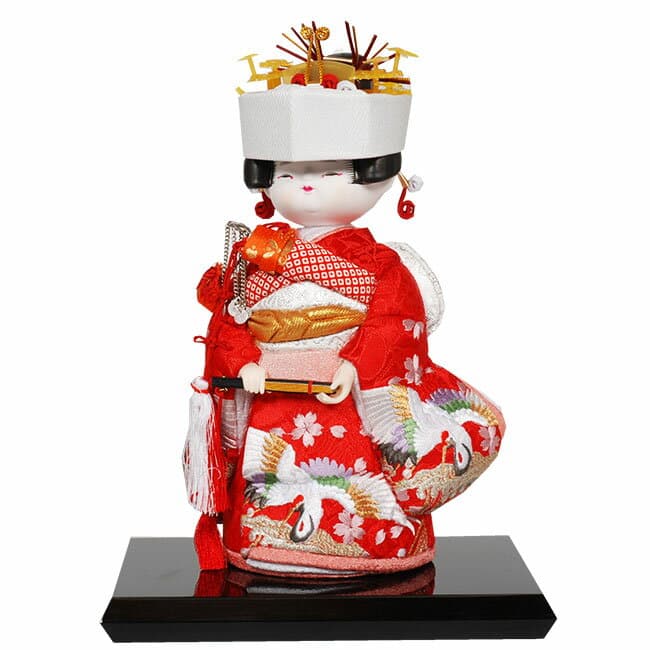
Iwatsuki Ningyo Kimekomi Doll No.1024 Bride
贈り物 プレゼントに最適な 木目込み人形 No.1024 【花嫁】 ギフト きめこむ 木目込み 木目込 令和 完成品 布付きキット ボディ 岩槻 人形 木目込み フォーマル インテリア 人形 木目込み 花嫁
No.1024 Bride雛人形 五月人形 の 正栄 曽根人形
4.0 / 1 reviews
Japanese name岩槻人形
In Saitama City's Iwatsuki ward, hina dolls, May dolls, and ukiyo-style figures are built through specialized work on heads, hands, feet, bodies, dress, and small props, with paulownia powder, shofu paste, and gofun shaping the face at the center.
Information last updated 126 days ago
3 images贈り物 プレゼントに最適な 木目込み人形 No.1024 【花嫁】 ギフト きめこむ 木目込み 木目込 令和 完成品 布付きキット ボディ 岩槻 人形 木目込み フォーマル インテリア 人形 木目込み 花嫁
No.1024 Bride雛人形 五月人形 の 正栄 曽根人形
4.0 / 1 reviews
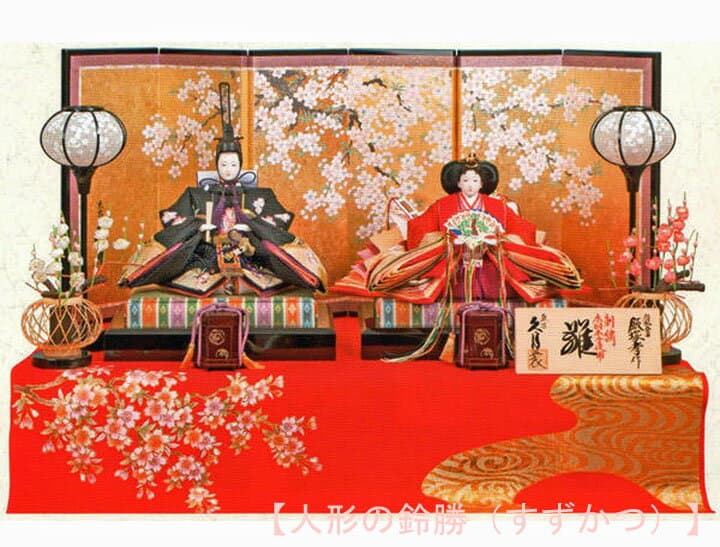
送料無料 久月監製 岩槻人形 伝統工芸士 飯塚孝作 雛人形 刺繍 木胴木手使用 三五親王 久月オリジナル頭 衣裳着 赫き毛せん親王飾り 高床台飾り 〈初節句 毛せんひな人形 毛氈ひなにんぎょう 毛せん飾り 毛氈飾り 緋毛氈飾り 緋毛せん飾り〉
75 x 45 x 52 cm人形の鈴勝
First time buying on Rakuten? How residents in Japan order →
Iwatsuki ningyo are costume dolls made mainly around Iwatsuki in Saitama City: hina dolls, May dolls, and ukiyo-style figures all belong within the family. The town grew around Iwatsuki Castle and later stood as a post town on the Nikko Onari Kaido after the Tokugawa shogunate opened in Edo; the dolls' faces, clothing, and accessories carry that setting into household festivals and town events.
Iwatsuki's setting begins with the castle. After Ota Dokan built Iwatsuki Castle in 1457, the town developed as a castle town; after 1603, it also became a castle town near Edo and a post town on the Nikko Onari Kaido. Today Iwatsuki ward lies in the eastern part of Saitama City, with gently rolling upland, greenery, and the waterside of the Motoara River. Those features place the dolls in a lived town of roads, workshops, seasonal rites, and household display.
Accounts of early dollmaking connect the area with artisans who worked on Nikko Toshogu construction and repairs and then settled near Iwatsuki. A 1697 account also names Eshin, a Buddhist sculptor from Kyoto's Horikawa, making doll heads in Iwatsuki with paulownia powder and shofu paste. A cautious telling holds these strands together: castle town, highway, paulownia material, water for finishing, and mobile craft skill.
The head begins with a material sequence: paulownia powder is mixed with shofu paste, molded, dried, and then repeatedly coated and polished. Local accounts place nearby paulownia and water suited to gofun finishing inside the making of the face. When people use the word tradition here, it points to powder, paste, water, white ground, drying time, and tools moving over a small surface.
The expression arrives in fine steps. After eye fitting, coating, cutting, and polishing, the maker paints eyebrows, eyelashes, cheek color, and lips, then sets the hair. To the viewer, an Iwatsuki doll's face may first appear as quiet white, slight red, and thin brush lines; to the maker, that expression comes from the thickness of layers, the dry surface, and control of the brush.
A finished doll usually passes through several hands. Around Iwatsuki, specialists work on heads, hands and feet, bodies, and small props before final assembly by a wholesaler; this division of labor is common in dolls made for circulation. During the high-growth period, Iwatsuki had nearly 300 workshops and wholesalers, a number that shows the breadth of related skills gathered in one town.
The body and clothing carry their own textures. Materials and methods may include straw bundles, washi backing, cloth, and kimekomi grooves into which fabric is tucked; only after head, hands, feet, garments, and props meet does the figure become ready for seasonal or interior display. Machinery and newer materials have entered present production, so continuity appears in changing workshop practice as well as earlier hand techniques.
Iwatsuki ningyo includes several forms of dressed figures. Hina dolls include the imperial pair, three court ladies, and five musicians, and they are tied to third-month observances and wishes for good fortune. May dolls include warrior figures, Kintaro, and Shoki, set beside the wider festival context of helmets, warrior images, and carp streamers marking boys' births.
Ukiyo-style figures carry the family into character and interior display. Names such as Hanasaka Jiisan, Noh, Kabuki, Gosho, and Ichimatsu dolls point to performance, personhood, and rooms where figures are placed. The cultural meaning is concrete: court attendants on a hina stand, warrior forms in May, Kabuki and Noh shapes, and figures returned again and again to family rooms and town gatherings.
The dolls also move through town occasions. Spring brings Ningyo no Machi Iwatsuki Nagashi-bina, summer brings the Iwatsuki Matsuri with a jumbo hina display, and autumn brings Ningyo Kuyo-sai, a doll memorial rite. The cooperative's 1915 formation by 45 shops belongs here as community context: it helps explain how makers, shops, and seasonal events stayed connected without turning the dolls into an organizational profile.
Recent extensions appear as named objects. The Kamishimo-doll, developed in 2018 through collaboration between the Iwatsuki Ningyo Cooperative and Bunkyo Gakuin University, and kimekomi-based goods such as an owl glasses stand and IWATSUKI HAT show how fabric-tucking skill and dressed-form design can move beyond conventional dolls. These examples sit beside the central forms of hina, May, and ukiyo figures.
Iwatsuki ningyo are most vivid when place and process are kept together: castle town and Nikko Onari Kaido set the scene; paulownia powder, shofu paste, gofun, and water shape the face; specialists for heads, hands, feet, bodies, clothing, and props bring one figure into form. When hina dolls, May dolls, and ukiyo-style figures appear in homes, Nagashi-bina, Iwatsuki Matsuri, and Ningyo Kuyo-sai, Iwatsuki continues as a doll town through faces, sleeves, and small objects that people can actually see.
Compiled from public records and official sources; see the recognition links below. Details may change over time.
Where this product is officially registered, designated, or recognized in Japan.
It is written as 岩槻人形 in Japanese. Search Rakuten and other Japanese sites with that spelling — the English name will not bring up the listings.
Iwatsuki ningyo are dressed costume dolls made mainly around Iwatsuki in Saitama City, including hina dolls, May dolls, and ukiyo-style figures. Iwatsuki developed as a castle town and later served as a post town on the Nikko Onari Kaido. Doll heads are associated with paulownia powder, shofu paste, gofun, and water, and production is divided among specialists for heads, hands and feet, bodies, and small props.
After heads, hands and feet, bodies, and props are made by separate specialists, a wholesaler assembles the finished dolls. Named ukiyo figures in this doll family include Hanasaka Jiisan, Noh, Kabuki, Gosho, and Ichimatsu dolls. Named May dolls include musha ningyo, Kintaro, and Shoki. During the high economic growth period, Iwatsuki had nearly 300 workshops and wholesalers connected to dollmaking.
Hina dolls are displayed around the third month to mark seasonal observances and wishes for good fortune. May dolls are displayed for the May festival together with helmets, warrior pictures, and carp streamers to mark a boy's birth.
Keep craft pieces out of direct sunlight, damp, and sharp temperature swings, and store them where they won't knock against anything. Wood, bamboo, lacquer, and paper don't tolerate water — wipe any moisture off immediately. Specific care notes are on the listing.
Most options are shelf-stable, boxed, and travel well, so they suit gifting or bringing home. Confirm the final storage and delivery terms on the Rakuten listing.
On Rakuten: the shops listed here right now are 雛人形 五月人形 の 正栄 曽根人形, 人形の鈴勝. We don't sell directly; purchase, payment, stock, and delivery are all handled on the Rakuten product page.