 3 images
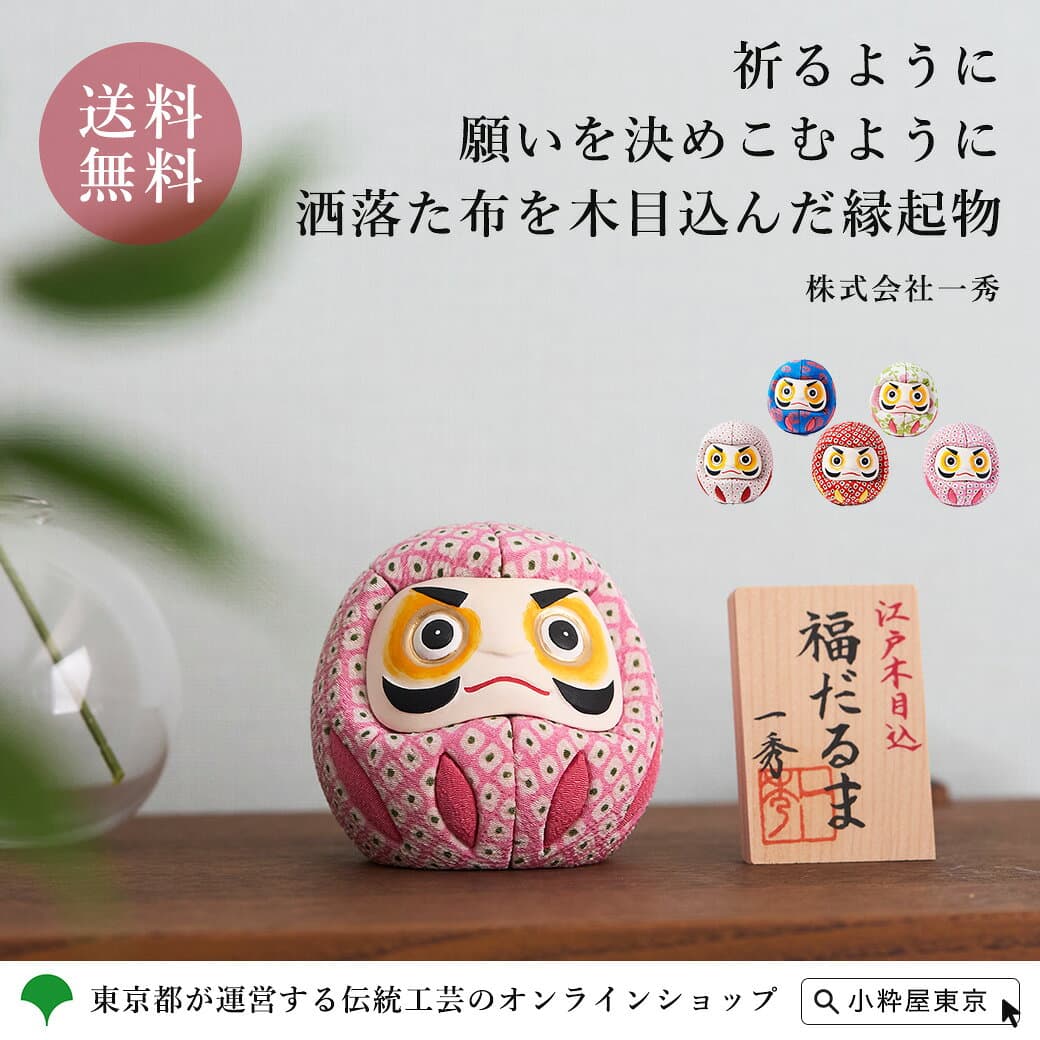
Ichishu Edo Kimekomi Fuku Daruma Doll in Chirimen Yuzen
江戸木目込人形 福だるま 縮緬友禅 インテリア 置物 伝統工芸品 株式会社一秀
Chirimen Yuzen小粋屋東京
5.0 / 2 reviews
Japanese name江戸木目込人形
In Iwatsuki, Saitama City, Edo Kimekomi dolls take shape from wood or tosō, costume grooves, gofun coating, fitted cloth, and final head attachment for Hina, May Festival, and viewing dolls.
Information last updated yesterday
3 images江戸木目込人形 福だるま 縮緬友禅 インテリア 置物 伝統工芸品 株式会社一秀
Chirimen Yuzen小粋屋東京
5.0 / 2 reviews
 3 images
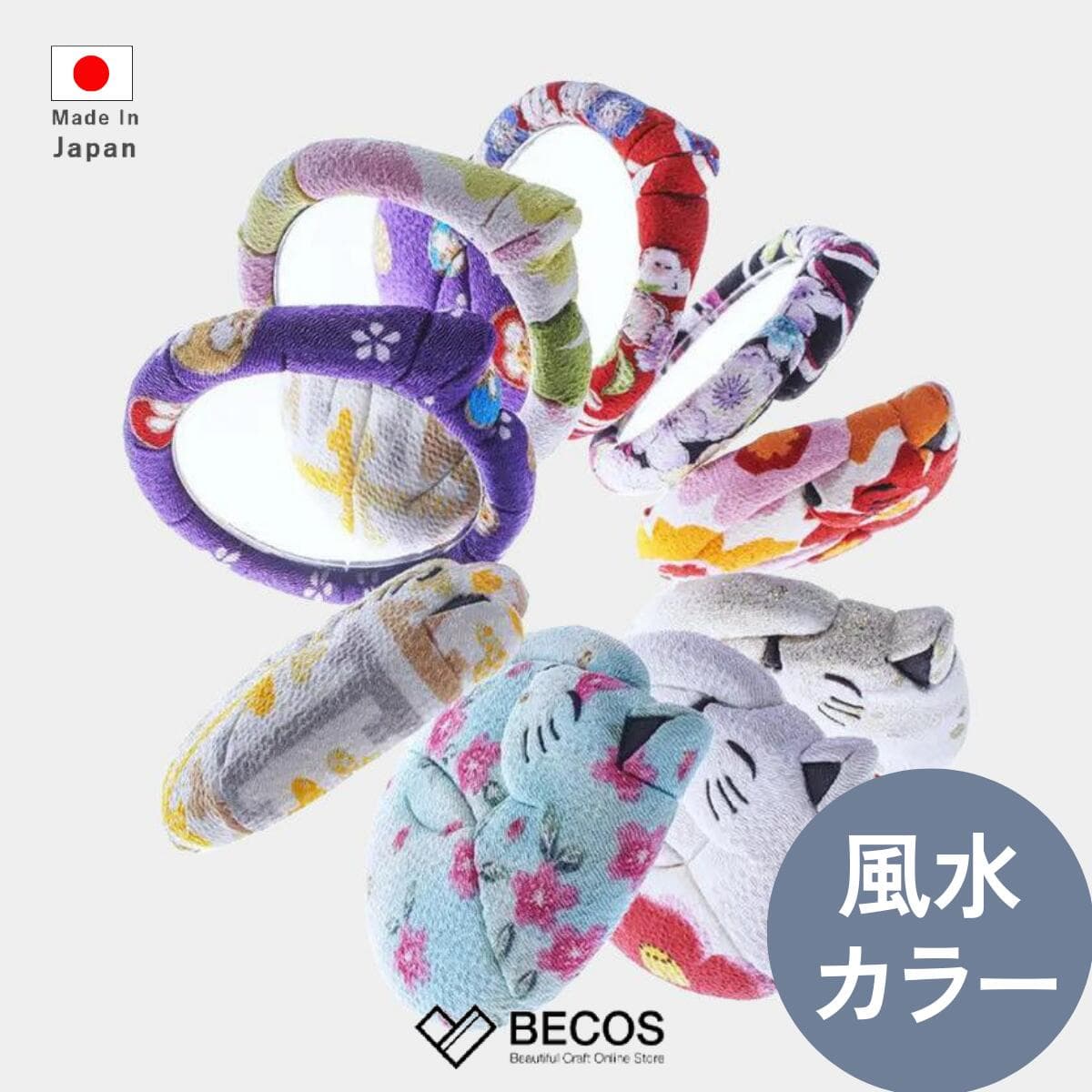
和風 猫の手鏡 ギフト 和雑貨 おしゃれ 高級 布製 | 白 黒 赤 紫 黄 緑 青 ピンク 和柄 マルチカラー 江戸木目込人形 和小物 日本製 国産 職人 柿沼人形 | 海外 手土産 モダン コンパクトミラー 風水 | 結婚祝い 新築祝い 新居祝い 誕生日 還暦祝い 米寿 プレゼント
BECOS伝統工芸楽天市場店
5.0 / 1 reviews
 3 images
江戸木目込人形 桃山雛敷板(会津塗)・屏風(金沢箔)付【木村一秀作 ひな人形 雛人形】
with Aizu lacquer base board and Kanazawa foil screenせともの屋みさ伝
5.0 / 1 reviews
 3 images
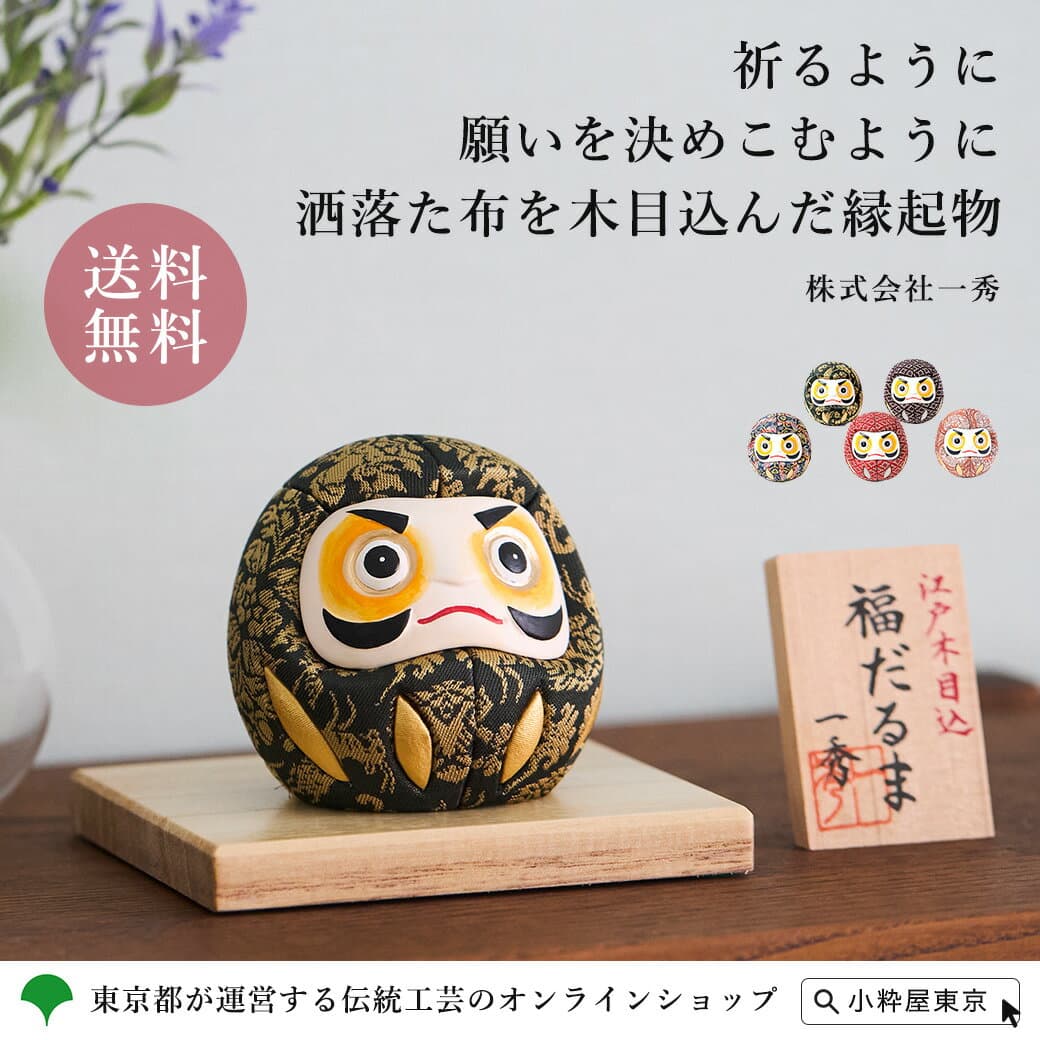
江戸木目込人形 福だるま 龍村美術織物 甲州印伝 化粧箱入り 株式会社一秀
decorative box小粋屋東京
5.0 / 1 reviews
 3 images
雛人形 コンパクト 柿沼東光 ひな人形 木目込み 段飾り 五人飾り 江戸木目込人形 ひなもも 絢爛春桜 【2026年度新作】 h293-mokt-29005
Five-doll display, 36.5 x 16.5 x 35 cm人形屋ホンポ(NINGYOYA HOMPO)
4.7 / 7 reviews
 3 images
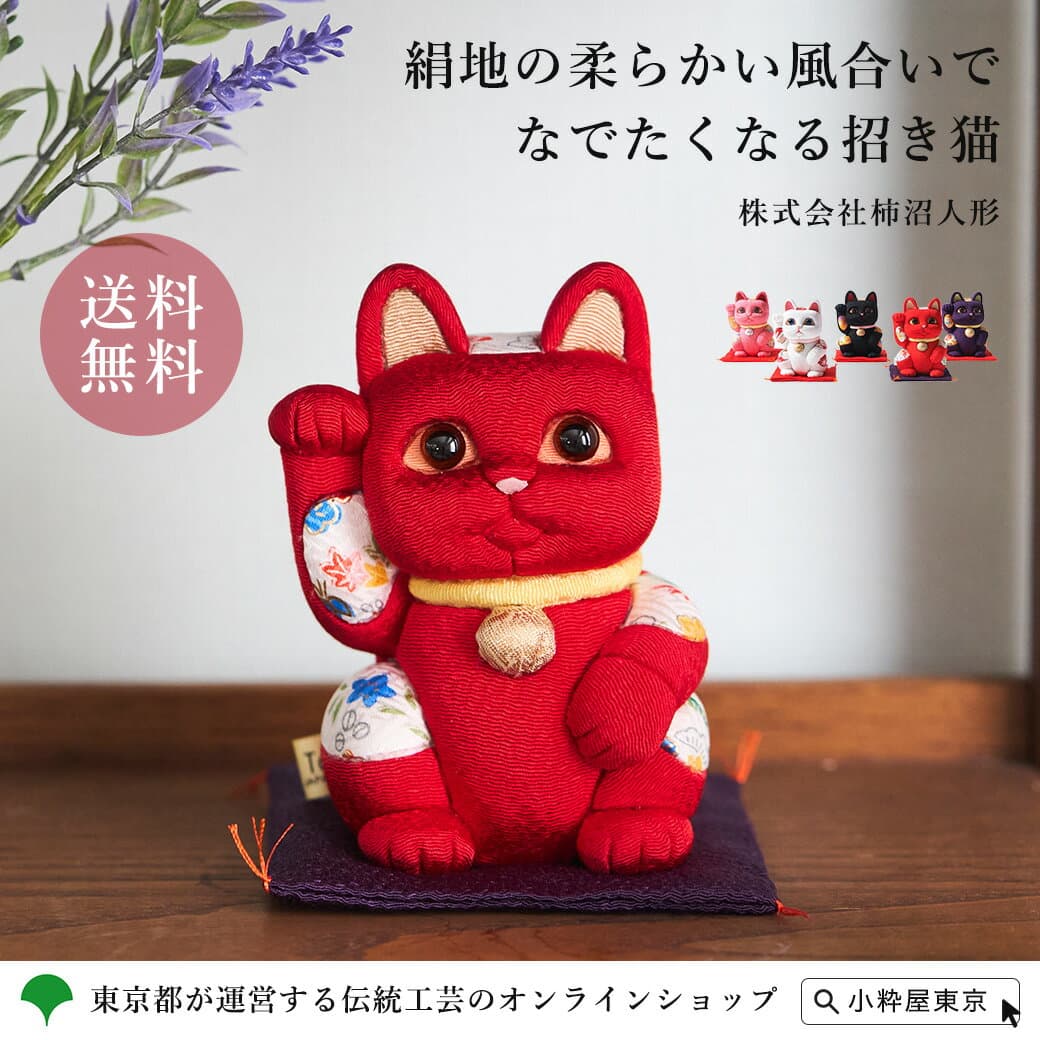
江戸木目込 招き猫 かわいい 置物 インテリア まねきねこ 風水 開運 縁起 中サイズ 5色 赤/紫/桃/白/黒 伝統工芸士 柿沼東光 株式会社柿沼人形
Medium size, 5 colors小粋屋東京
4.9 / 7 reviews
 3 images
雛人形 コンパクト 柿沼東光 ひな人形 雛 木目込人形飾り 五人飾り 江戸木目込 ひなもも 【2026年度新作】 h303-mi-kt-1874b
48 x 34 x 19 cm人形屋ホンポ(NINGYOYA HOMPO)
5.0 / 3 reviews
First time buying on Rakuten? How residents in Japan order →
All 7 listings of this product on Rakuten, lowest price first.
| Listing | Price | Shop | Reviews | Open listing |
|---|---|---|---|---|
Kakinuma Ningyo Edo Kimekomi Cat Hand Mirror Lowest priceGift-ready | ¥6,600 | BECOS伝統工芸楽天市場店 | 5.0 / 1 reviews | View on Rakuten → |
Ichishu Edo Kimekomi Fuku Daruma Doll in Chirimen Yuzen Chirimen Yuzen | ¥9,020 | 小粋屋東京 | 5.0 / 2 reviews | View on Rakuten → |
Kakinuma Toko Edo Kimekomi Maneki-neko Lucky Cat Medium size, 5 colorsMost reviewed | ¥9,350 | 小粋屋東京 | 4.9 / 7 reviews | View on Rakuten → |
Isshu Edo Kimekomi Fukudaruma Doll decorative boxGift-ready | ¥18,040 | 小粋屋東京 | 5.0 / 1 reviews | View on Rakuten → |
Edo Kimekomi Momoyama Hina Dolls by Kimura Isshu with Aizu lacquer base board and Kanazawa foil screen | ¥66,000 | せともの屋みさ伝 | 5.0 / 1 reviews | View on Rakuten → |
Kakinuma Toko Edo Kimekomi “Hinamomo” Five-Doll Hina Display 48 x 34 x 19 cm | ¥129,800 | 人形屋ホンポ(NINGYOYA HOMPO) | 5.0 / 3 reviews | View on Rakuten → |
Kakinuma Toko Edo Kimekomi Hina Doll Hinamomo Kenran Haruzakura Five-Doll Display Five-doll display, 36.5 x 16.5 x 35 cmMost reviewed | ¥139,800 | 人形屋ホンポ(NINGYOYA HOMPO) | 4.7 / 7 reviews | View on Rakuten → |
Japanese · new tab
In Iwatsuki, Saitama City, an Edo Kimekomi doll begins with a firm body of wood or tosō, a material made by hardening paulownia powder with wheat-starch paste. Makers carve grooves along the costume design and press fabric into those lines, so the costume surface follows the shape of the doll. The technique is linked to Kyoto Kamo dolls, moved to Edo, became established in Tokyo from the Meiji era onward, and reached Iwatsuki through craftspeople who relocated from Tokyo.
The route of Edo Kimekomi dolls names four places: Kyoto, Edo, Tokyo, and Iwatsuki. A technique used for Kyoto Kamo dolls moved to Edo and became established in Tokyo from the Meiji era onward. Iwatsuki's role comes from craftspeople who relocated from Tokyo, including moves connected with wartime evacuation, carrying a working knowledge of bodies, grooves, and cloth. That movement gives Iwatsuki a precise place in the craft: the Iwatsuki Edo Kimekomi Doll Technology Preservation Society keeps the production technique attached to a local maker community.
A kimekomi body may be wood or tosō. Tosō is made by hardening paulownia powder with wheat-starch paste, and that body receives grooves carved to match the costume. Cloth is then pressed into the grooves. At the Iwatsuki Ningyo Museum, the same idea appears through a base such as tosō, grooves cut into it, and fabric inserted into those grooves. The visible costume line depends on the material and carving beneath it.
The named hand sequence begins with original modeling and mold making, then moves to a base made with paulownia powder. Gofun coating sets a prepared surface before costume fitting, and head attachment completes the figure. Read in order, the stages show that cloth fitting sits within a larger sequence: form, mold, base, coated surface, fitted costume, and head all have a place in the Edo Kimekomi process.
Iwatsuki Edo Kimekomi dolls appear in seasonal and viewing settings. Produced kimekomi dolls include festival dolls such as Hina dolls and May Festival dolls, along with decorative genre dolls made for appreciation. These use categories keep the technique close to concrete display scenes: a Hina doll display, a May Festival display, or a viewing doll whose costume lines and fitted cloth draw the eye back to the carved body.
The Iwatsuki Edo Kimekomi Doll Technology Preservation Society is the named local group connected with maintaining the technique. Its work is easiest to understand through the tasks themselves: original modeling, mold making, paulownia-powder base making, gofun coating, costume fitting, and head attachment. The doll family's Saitama prefectural intangible cultural property status points to the same concrete cluster: Iwatsuki makers, body materials, production stages, and the use of the dolls for seasonal festivals and appreciation.
The kimekomi method becomes easier to picture when tools and process displays sit beside finished dolls. In Sumida, a small Edo Kimekomi doll museum presents Hina dolls from the Meiji period onward, doll models, production tools, materials, process panels, demonstrations, and hands-on experiences. The same setting includes a contemporary example of the inherited technique applied to a touchable, usable object, a sumo-wrestler paperweight. These examples keep attention on material action: paulownia powder and paste, grooves, cloth, and the hand movement of setting fabric into a body.
Iwatsuki Edo Kimekomi dolls are clearest when followed through the hands: wood or tosō for the body, carved costume grooves, gofun coating, cloth fitting, and head attachment. The route from Kyoto Kamo dolls to Edo, Tokyo, and Iwatsuki explains the place; Hina dolls, May Festival dolls, and decorative genre dolls explain the occasions for viewing. In the finished figure, the decisive sign remains simple and exact: fabric held inside the carved line of the body.
Compiled from public records and official sources; see the recognition links below. Details may change over time.
Where this product is officially registered, designated, or recognized in Japan.
It is written as 江戸木目込人形 in Japanese. Search Rakuten and other Japanese sites with that spelling — the English name will not bring up the listings.
Edo kimekomi dolls are made in Iwatsuki, Saitama City, by carving costume grooves into a wood or tosō (paulownia-powder) body and pressing cloth into those grooves. Tosō is made from paulownia powder hardened with wheat-starch paste. The technique moved from Kyoto Kamo dolls to Edo, became established in Tokyo from the Meiji era onward, and reached Iwatsuki through craftspeople who relocated there. Finished dolls are used as seasonal Hina and May Festival dolls, and as decorative genre dolls.
The technique used in Kyoto Kamo dolls moved to Edo, became established in Tokyo from the Meiji era onward, and was later carried to Iwatsuki by craftspeople who relocated from Tokyo. Tosō is made by hardening paulownia powder with wheat-starch paste and can be used for the doll's body. The basic production stages are original modeling, mold making, paulownia-powder base making, gofun coating, costume fitting, and head attachment, in that order. The Iwatsuki Edo Kimekomi Doll Technology Preservation Society is named as the group maintaining this technique.
Hina dolls and May Festival dolls made with this technique are displayed according to their respective seasonal festivals. Genre dolls made with the kimekomi technique are kept and viewed as decorative pieces, including museum displays such as at the Iwatsuki museum. The technique is also taught through process demonstrations and hands-on craft experiences, and applied to small usable objects such as a sumo-wrestler paperweight.
Keep craft pieces out of direct sunlight, damp, and sharp temperature swings, and store them where they won't knock against anything. Wood, bamboo, lacquer, and paper don't tolerate water — wipe any moisture off immediately. Specific care notes are on the listing.
Most options are shelf-stable, boxed, and travel well, so they suit gifting or bringing home. Confirm the final storage and delivery terms on the Rakuten listing.
On Rakuten: the shops listed here right now are 小粋屋東京, BECOS伝統工芸楽天市場店, せともの屋みさ伝, 人形屋ホンポ(NINGYOYA HOMPO). We don't sell directly; purchase, payment, stock, and delivery are all handled on the Rakuten product page.