Household Tools by Japanese Craft Region: Desk, Kitchen, and Home Objects Still Made for Daily Use
Everyday Japanese tools, each tied to a verified craft region and still made for use.
Everyday tools from named craft regions
This layer of goods is the household tools still made in Japan's craft regions and taken into actual rooms: writing tools, cooking and table vessels, charcoal, incense, and umbrellas. Everyday is the right word because the production-area accounts place these objects in concrete tasks rather than in a display case. On the desk they belong to handwriting and painting, grinding ink, calculating, and sealing a document. In the kitchen and at the table they belong to boiling water, serving tea or sake, packing rice, and whisking matcha, the powdered tea used in tea practice. Elsewhere in the house they belong to grilling over charcoal, lighting incense for Buddhist services or a tea room, and keeping off rain or sun. These are objects people pick up and use, and each one is tied to a production area that can be checked.
A production-area name does not by itself mean that a piece is the best or the oldest of its kind. It marks the boundary that family has already stated. For some families, use of the name is limited by production area and raw materials, together with cooperative certification and registration. For others, the name is a geographical indication that records place and raw materials, a regional collective trademark, or a trademark registered by the cooperative. A traditional-craft designation can sit beside those rules as supporting context. Materials and methods may also enter the boundary: cast pewter and silverware have minimum purity, a hand-carved seal is limited to specified materials and to handmade work from character design through carving, and a wooden masu, the square measuring-and-sake box, is defined by place, joinery, and surface finishing. What the name guarantees is those checkable conditions, not a ranking of quality.
The rest of this article is arranged by where the object lives in a house. The first section covers the desk: brushes, Japanese paper known as washi, ink sticks, inkstones, the wooden abacus called a soroban, and hand-carved seals, showing how they enter writing, painting, ink grinding, calculation, and sealing. The second covers the kitchen and table: cast ironware, hammered copperware, pewter, silverware, bentwood containers, wooden masu, and bamboo tea whisks, matching boiling, tea, serving, and whisking. The third covers the rest of the house: charcoal, incense sticks, and Western-style umbrellas, matching fire, fragrance, and shelter from rain or sun. Each object is tied to a production area that can be verified. Read by asking which room and which task come first, then how that family's boundary separates the piece from objects that only look similar.
Brushes, paper, ink, and seals on the desk
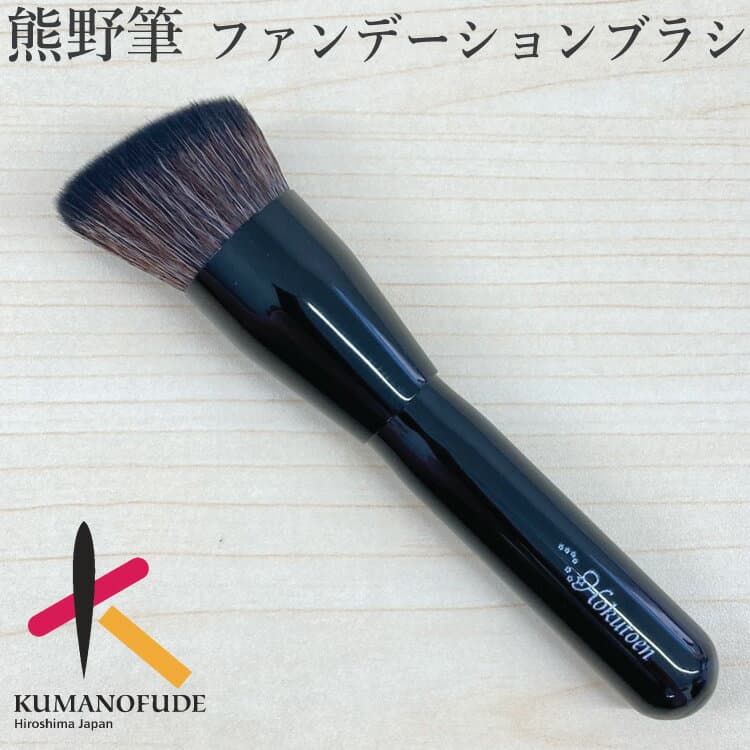
A writing brush is used for calligraphy, and these families also make painting, makeup, and everyday hake (utility) brushes. Kumano brushes, from Kumano-cho in Hiroshima, cover calligraphy, painting, makeup, and hake; the tip is finished without cutting the hair ends, keeping fine points and moderate spring. Toyohashi brushes, from eastern Aichi, mix tip, throat, and base hairs in water (nerimaze) so the brush holds ink and releases it slowly; they include menso (fine-line) brushes and Japanese-painting brushes. Nara brushes from Nara City and Yamatokoriyama City are calligraphy brushes. Kawajiri brushes, from Kawajiri in Kure City, Hiroshima, have a supple tip suited to cursive script, kana (syllabic script), and precise Japanese painting.
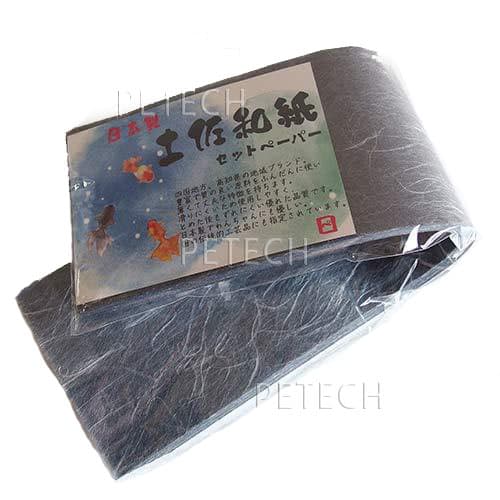
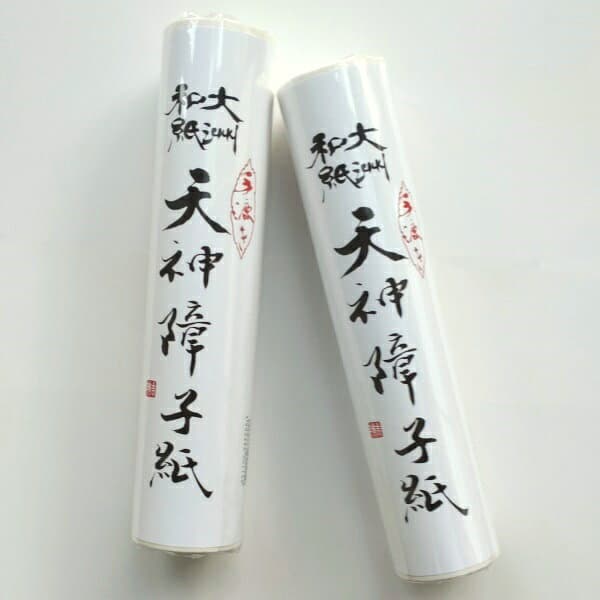
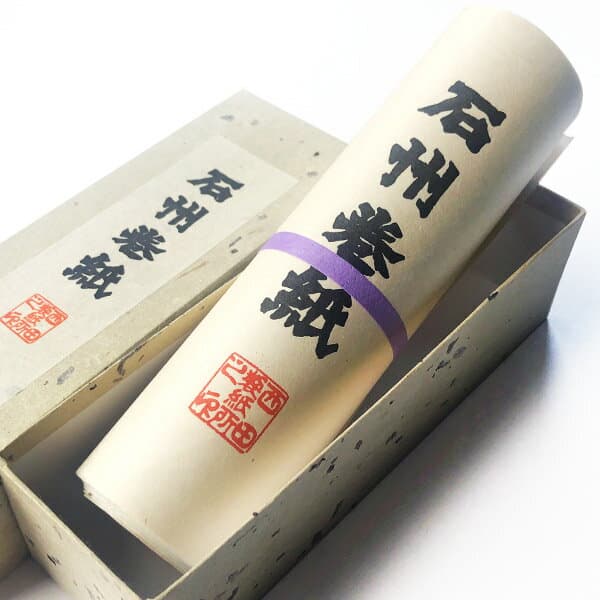
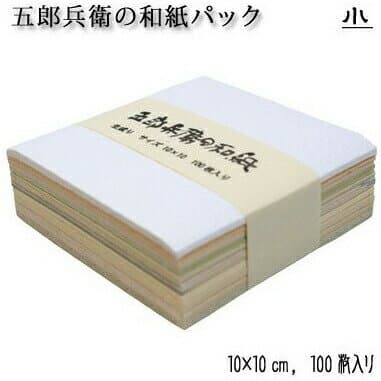
Washi is Japanese paper from the bark of kozo (paper mulberry), mitsumata and ganpi (related bast shrubs), used for writing, lampshades, shoji (paper screens), fusuma (sliding doors), and everyday goods. Inshu washi paper, from Aoya and Saji in Tottori City, uses kozo for shoji and mounting, mitsumata for printing and kana calligraphy paper, and ganpi for art restoration, plus lampshades and printer paper. Echizen washi paper, from Fukui’s Okata River basin, uses mitsumata for fusuma and printing, and also appears as lighting and small objects. Mino washi paper from Mino City, Gifu, is thin, even, and strong, used for shoji and restoration; Tosa washi paper from Kochi covers calligraphy, prints, restoration, lampshades, and daily sundries.
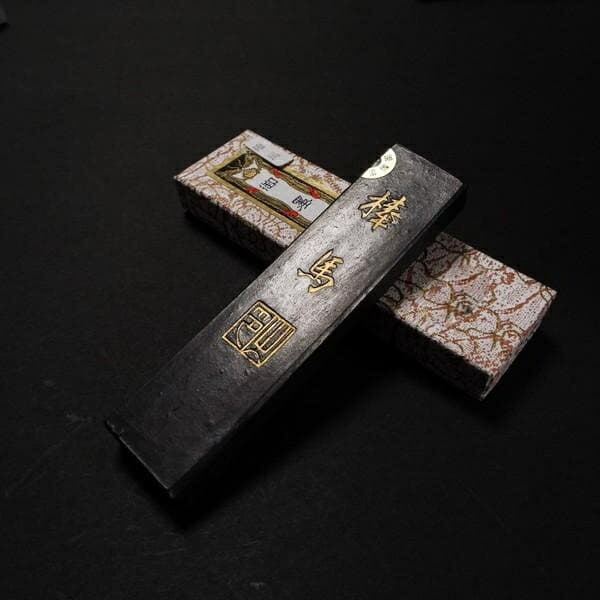
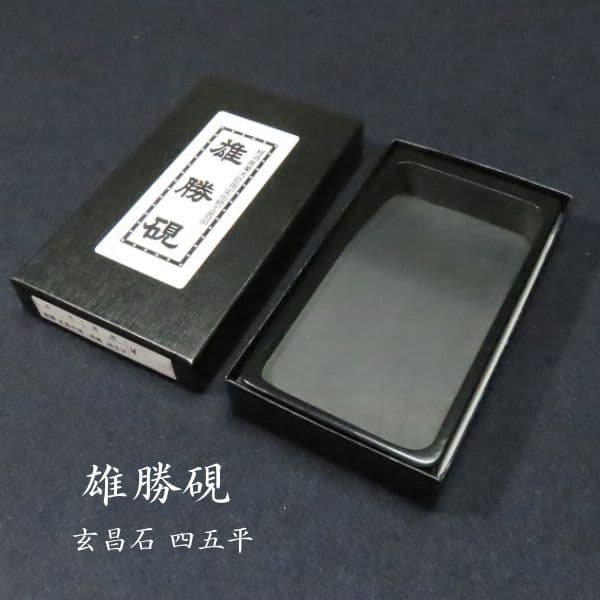
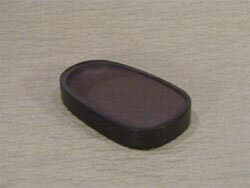
An ink stick (sumi) is solid ink from soot and glue; an inkstone (suzuri) is the stone you grind it on with water to set density. Nara ink sticks (sumi), made in Nara, mix soot and animal glue; they are mainly oil-soot ink with a deep glossy black, and also come as liquid and vermilion ink. Suzuka ink sticks, from Suzuka City in Mie, still use vegetable-oil soot, and are made for smooth grinding, color, depth, and harmony between line and bleed. Ogatsu inkstones (suzuri), from former Ogatsu in Ishinomaki, Miyagi, use Ogatsu stone (gencho-seki), a black hard slate with even grain and luster; the craft also makes paperweights and coasters.
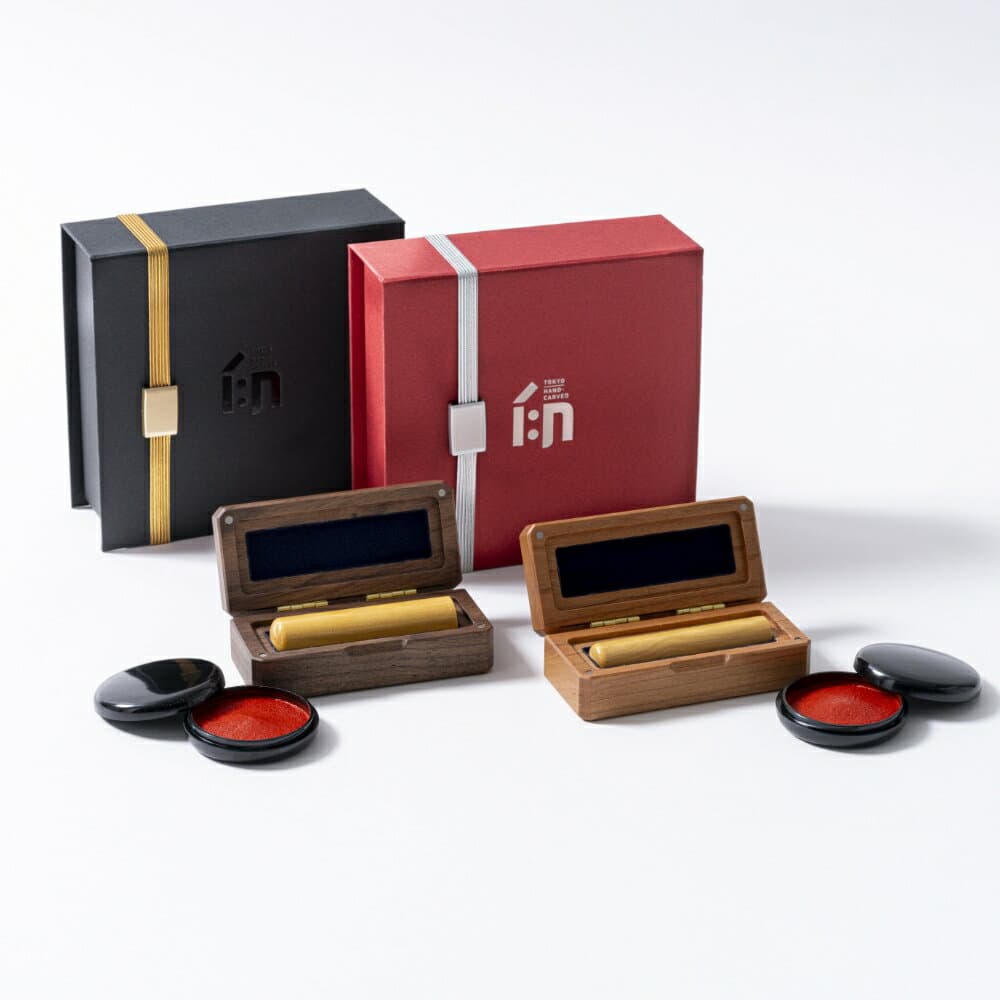
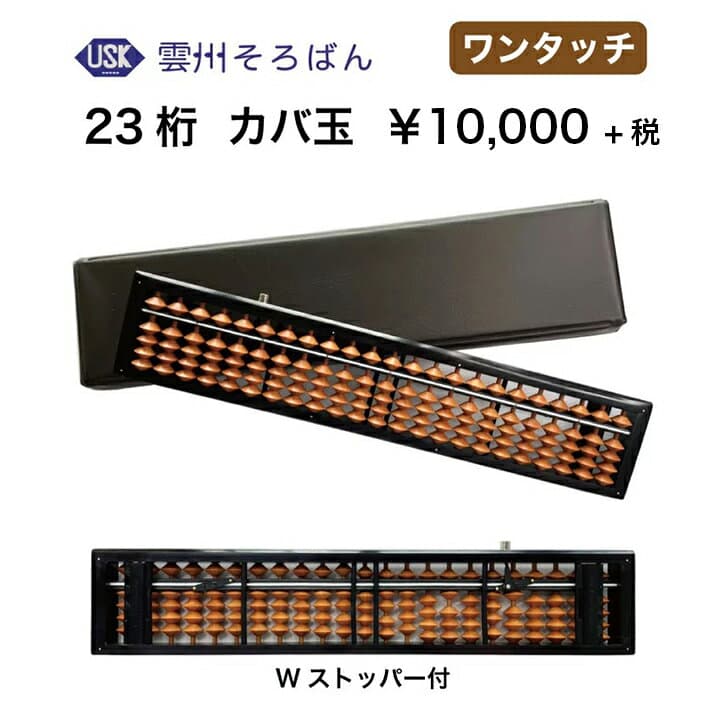
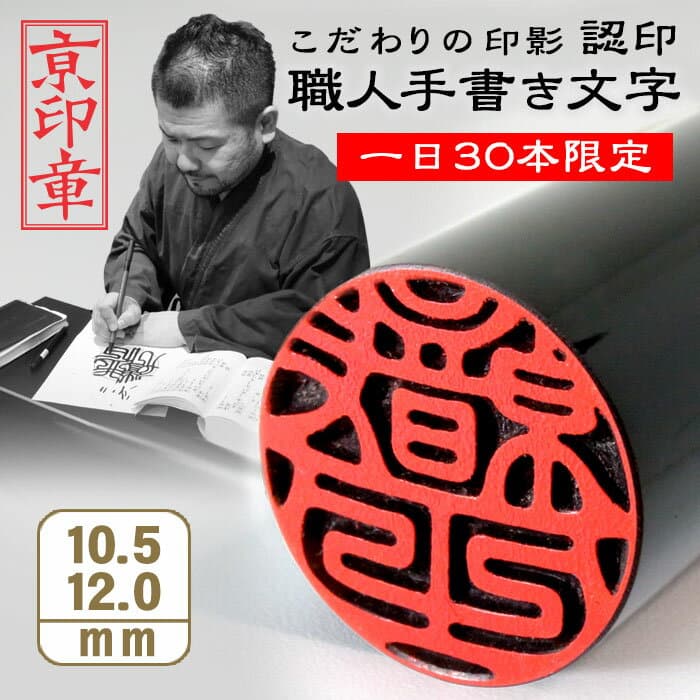
A soroban (abacus) is a wood-and-bamboo calculator still used for children’s bead arithmetic and for older adults’ calculation practice; a hanko (seal) leaves a carved impression on paper, and a registered seal is used for official paperwork. Banshu abacus (soroban), from Ono City in Hyogo, is made by divided handwork on wooden beads and bamboo rods, including colorful frames for children. Unshu abacus, from Yokota in Okuizumo, Shimane, is judged by smooth bead travel and a clear sharp sound; current woods include ebony, boxwood, and birch. Tokyo hand-carved seals (hanko) are designed and cut by hand in boxwood (tsuge), water buffalo, or equivalent material, with fine carving not reproducible by machine.
Everyday Kitchen and Table Objects
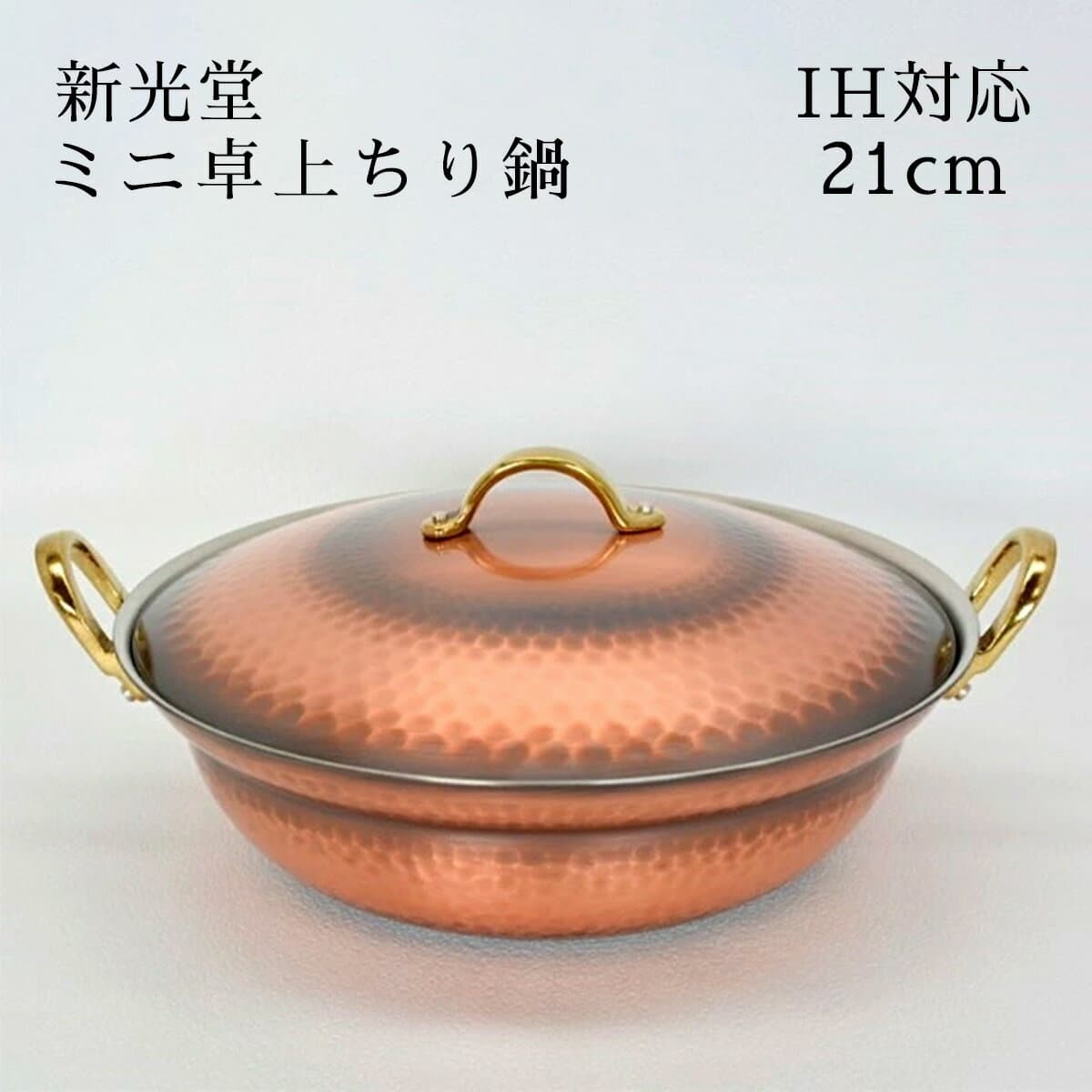
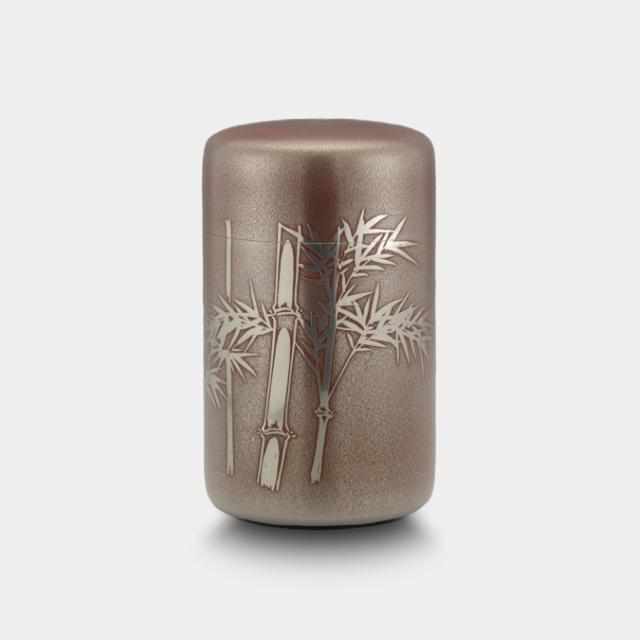
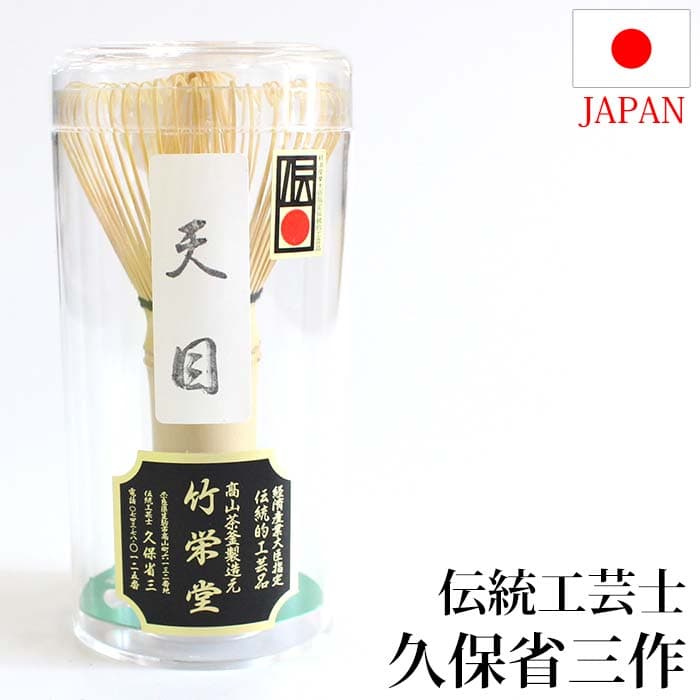
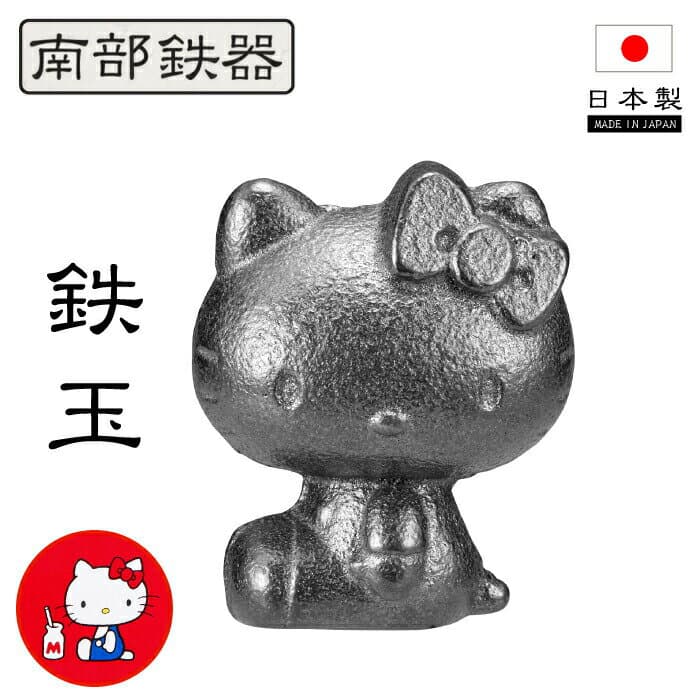
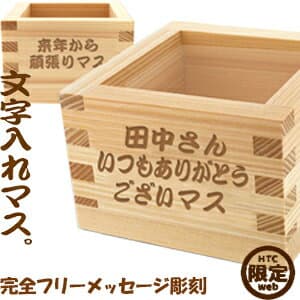
Nambu ironware is Iwate cast iron made as kettles, teapots, frying pans, and other kitchen tools for boiling water and daily cooking. Tsubame tsuiki copperware is a single copper sheet hammered into kettles, pans, sake vessels, and coffee drippers. Osaka Naniwa pewterware is tin tea, sake, flower, and ritual vessels, plus tumblers and airtight tea canisters. Tokyo silverware is silver tea ware, sake ware, vases, tableware, spoons, and ornaments. Odate bentwood ware (magewappa) is cedar rice and lunch vessels, also made as flower and interior goods. Ogaki wooden masu are square wooden boxes used for sake, once for measuring rice, and as commemorative objects. Takayama tea whisks (chasen) are bamboo utensils for whisking matcha.
Cast pig iron is lacquered against rust; water boiled in Nambu ironware is said to become milder for tea. Copper conducts heat more readily than aluminum, iron, or stainless steel. Tsubame tsuiki copperware is washed with mild detergent, wiped dry, and kept from moisture, salt, and acid; shops repair broken handles and spouts. Tin is stable and does not impair sake's subtle savory taste; Osaka Naniwa pewterware canisters stay airtight enough for tea aroma in humidity. Silver is said to gain character through use and can be repaired. Odate bentwood ware (magewappa) is elastic Akita cedar, softened in hot water, bent, and stitched with mountain cherry bark. Ogaki wooden masu keep hinoki cypress scent. Takayama tea whisks (chasen) use winter-cut hachiku bamboo for resilience.
Nambu ironware is made in Morioka and Oshu in Iwate, from Kyoto-invited kettle makers and local casting. Tsubame tsuiki copperware is from Tsubame in Niigata, an Echigo Plain metal town using Yahiko Mountain copper. Osaka Naniwa pewterware is made in Osaka City, Higashiosaka, Matsubara, and Habikino, recorded in merchant books. Tokyo silverware is from Taito, Arakawa, and Bunkyo, tied to Ginza coinage and Yokohama export. Odate bentwood ware (magewappa) is from Odate in Akita, set as samurai side work by the Satake West family. Ogaki wooden masu are from Ogaki City in Gifu, near hinoki cypress, after mid-Meiji makers settled there. Takayama tea whisks (chasen) come from Takayama in Ikoma City, Nara, a bamboo-product district.
Five regional goods for ordinary households
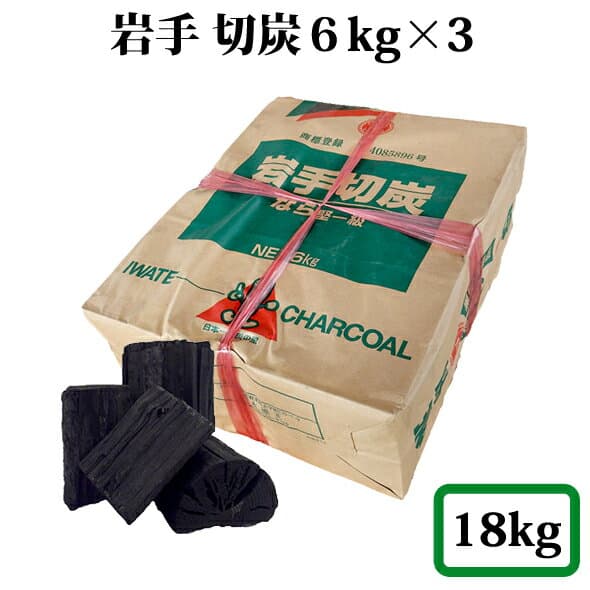
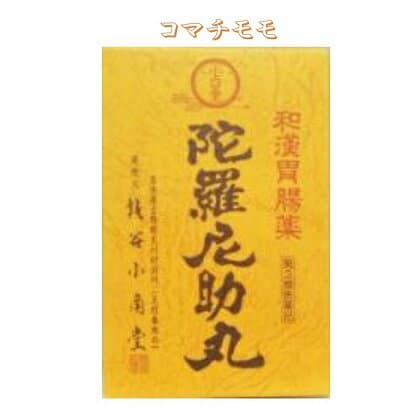
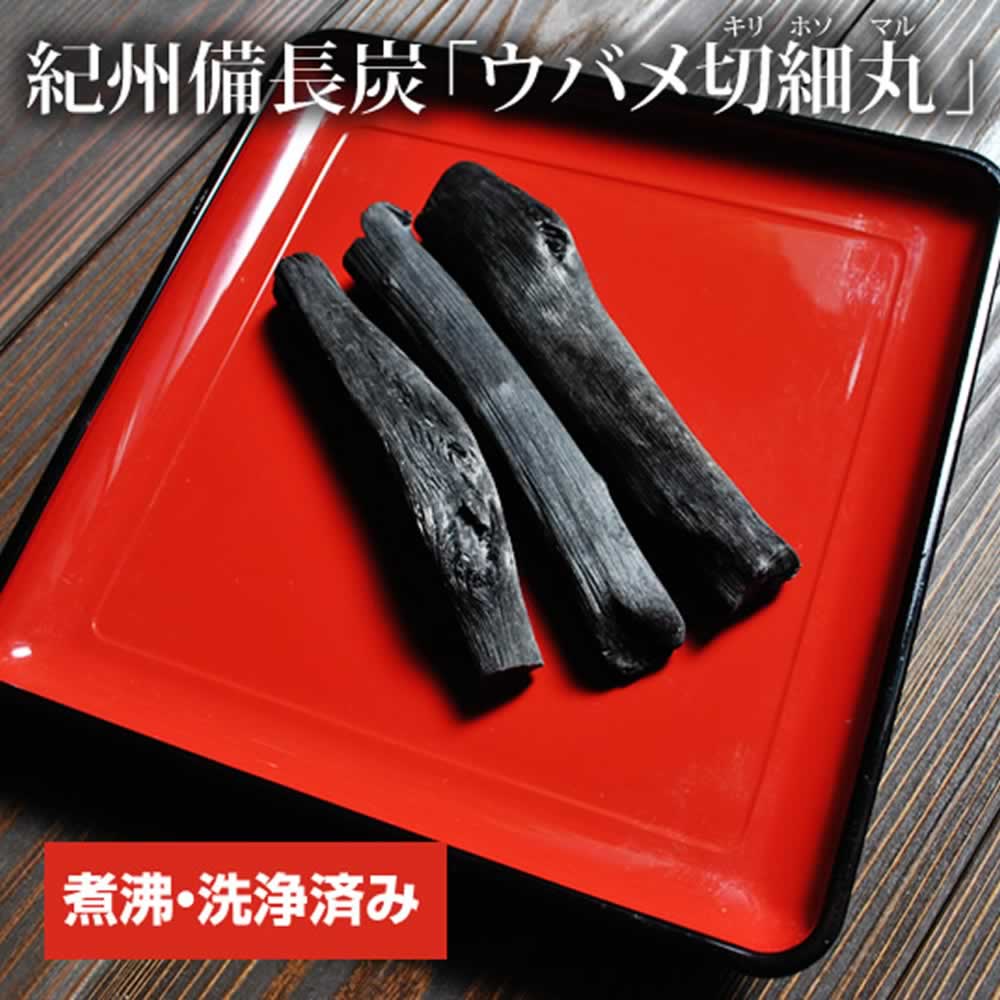
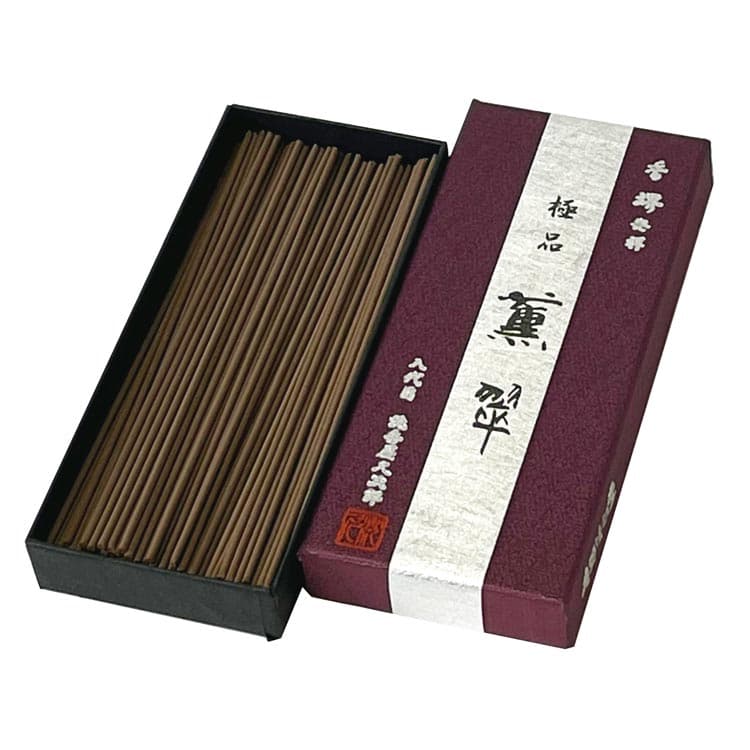
Kishu binchotan charcoal is a hard white charcoal made from ubamegashi, an oak, and other oak species. In a household it supplies cooking heat for grilled food, burning for a long time with stable heat once lit. Iwate charcoal is black charcoal from prefecture-grown wood, used for barbecue because it is easy to light, long-burning, and gives off little smoke or odor. Sakai incense is incense blended from selected natural fragrances and used at home for Buddhist services and in tea rooms. Tokyo Western-style umbrellas serve as rain umbrellas and also as sun umbrellas or combined sun-and-rain umbrellas. Ominesan darani-suke pills are a Japanese Kampo gastrointestinal medicine, meaning a traditional herbal stomach remedy in pill form, used for appetite loss, stomach heaviness, heartburn, and related digestive discomfort.
Kishu binchotan charcoal is tied to Wakayama's charcoal-producing mountain communities, with Minabe a major production area. Ubamegashi oak grows there in coastal, nutrient-poor soils, steep rocky ground, and water-poor ridges, so forest work is central to production. Iwate charcoal is made in Iwate Prefecture, centered in northern municipalities, where forests cover 77 percent of the land and nara, an oak used for charcoal logs, is abundant. Sakai incense is centered in Sakai City, Osaka, a major trade port where fragrant woods could gather and many temples were present. Tokyo Western-style umbrellas are made in specified districts including Taito, Chuo, Sumida, and Kita by separate frame, handle, fabric, and assembly makers. Ominesan darani-suke pills come from around Omine-san in Nara Prefecture, especially Dorogawa in Tenkawa Village, which prospered as an entrance to the mountain, long revered as a sacred site of Shugendo, a mountain ascetic tradition.
A buyer follows the registered names and the limits those records set. The geographical-indication registry for Iwate charcoal defines the registered names as Iwate charcoal, Iwate cut charcoal, and IWATE CHARCOAL, describes black charcoal from Iwate-grown nara or kunugi woods, produced in Iwate Prefecture, and requires a refining degree within 8 for shipped product. Kishu binchotan charcoal is named under a regional collective trademark held by the Wakayama Prefecture Charcoal Cooperative. Ominesan darani-suke pills appear in a regional collective trademark listing as pills made around the Omine-san area of Nara Prefecture containing kihad extract as a raw material; the Tenkawa Village Chamber of Commerce is the right holder, and the listing is not a geographical indication. Sakai incense is listed with Sakai City as the main production area and made and sold by a cooperative of Sakai companies. Tokyo Western-style umbrellas are a Tokyo-designated traditional craft with specified manufacturing districts.
Choosing and looking after them
Deciding which object suits a household starts with the room, the user, and the task. Writing, painting, ink, calculation, or a personal seal points to a brush, washi (Japanese paper), an ink stick, an inkstone, a soroban (wooden abacus), or a hand-carved seal. Heat and water point to an iron kettle or pan, hammered copper, a pewter tea caddy or sake cup, silver tableware, a cedar rice tub or lunch box, a hinoki (Japanese cypress) wooden masu for sake, or a bamboo whisk for matcha (powdered tea). Charcoal is for grilling. Incense sticks belong to Buddhist services and tea rooms. Western-style umbrellas belong to rain and sun. Forms still split by use: writing brush and makeup brush, a whisk for koicha (thick tea) and one for usucha (thin tea), rain umbrella and sun umbrella. Choose by the task the household already does, not by picking a production-area name first.
Before ordering, check that the name and the stated production area match that family's boundary, not only that the object looks similar. Some families bind the name to cooperative certification and registration. Some enter the name, place, and raw materials as a geographical indication, and in that case the package also carries the producer's name. Some mark the name with a regional collective trademark or a cooperative trademark. A traditional-craft designation or craft mark may show that important parts are handmade and that the marked item is not mass-produced by machine, but not every object sold under a related name automatically carries the same mark. For pewter and silver, check that purity meets the stated minimum. For a hand-carved seal, check handmade work from character design through carving, and that the material is of an allowed kind. The name guarantees these conditions, not a ranking of better and worse.
Care notes in the production-area material are uneven. Hammered copperware is given a clear sequence: wash with a mild detergent, wipe dry, keep the piece away from moisture, salt, and acid, and consult a workshop if a kettle handle or spout is damaged. For silverware, one workshop account says a piece takes on character through use and can be brought back for repair after many years; that is the path described in that account, not a uniform promise from every silver workshop. Cast ironware is finished with lacquer as a rust-prevention measure, a surface treatment on the finished object, not a separate household routine. Texts for washi, wooden vessels, animal-hair brushes, charcoal, incense, and umbrellas mainly describe making and use, without household washing or storage steps. There is no basis for adding methods those texts do not give. What can be checked is the use and repair guidance already written.





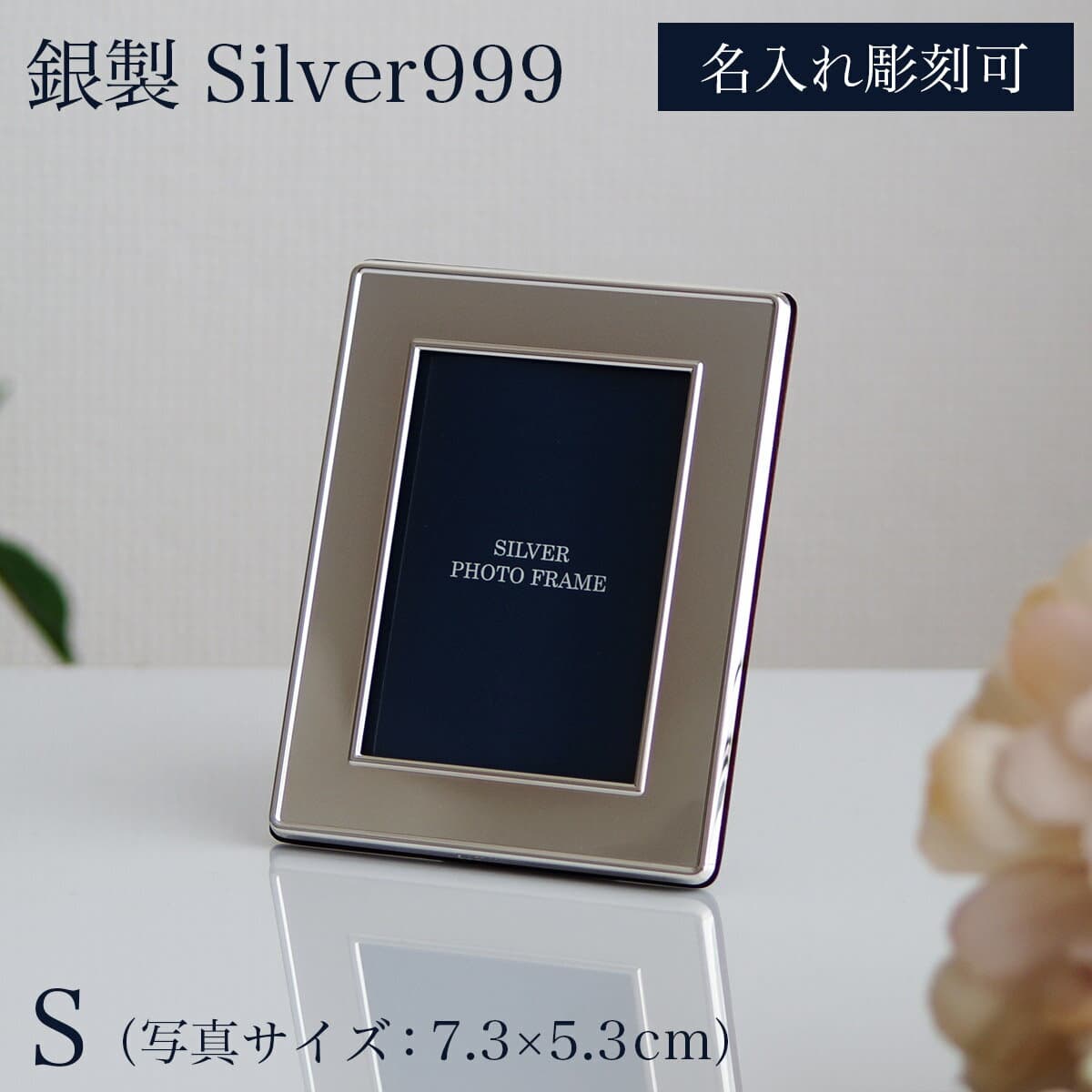
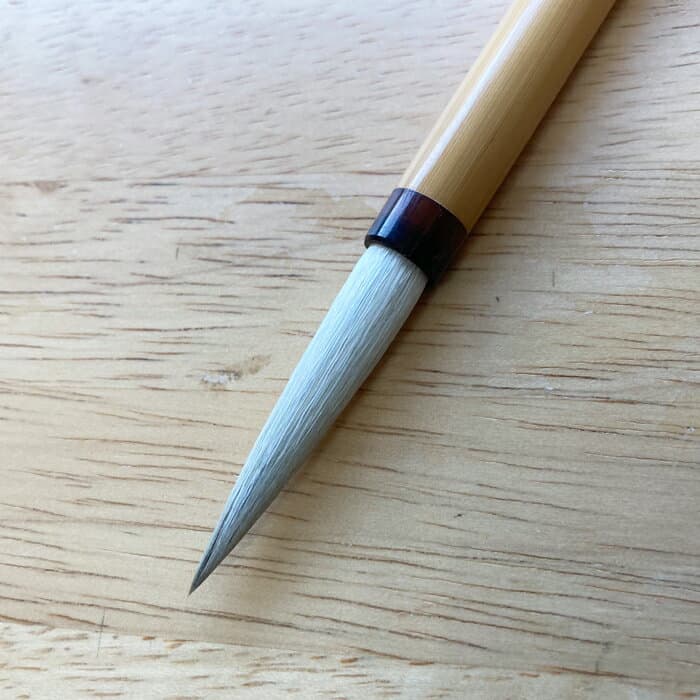
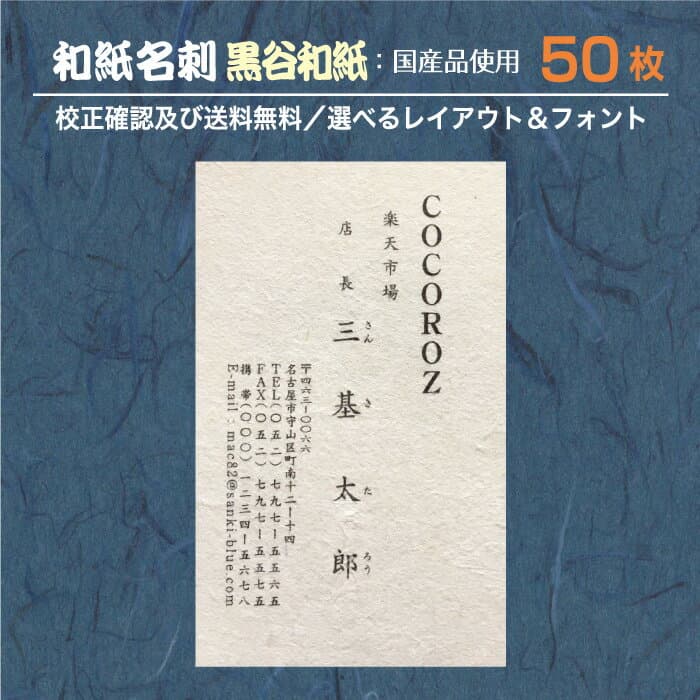

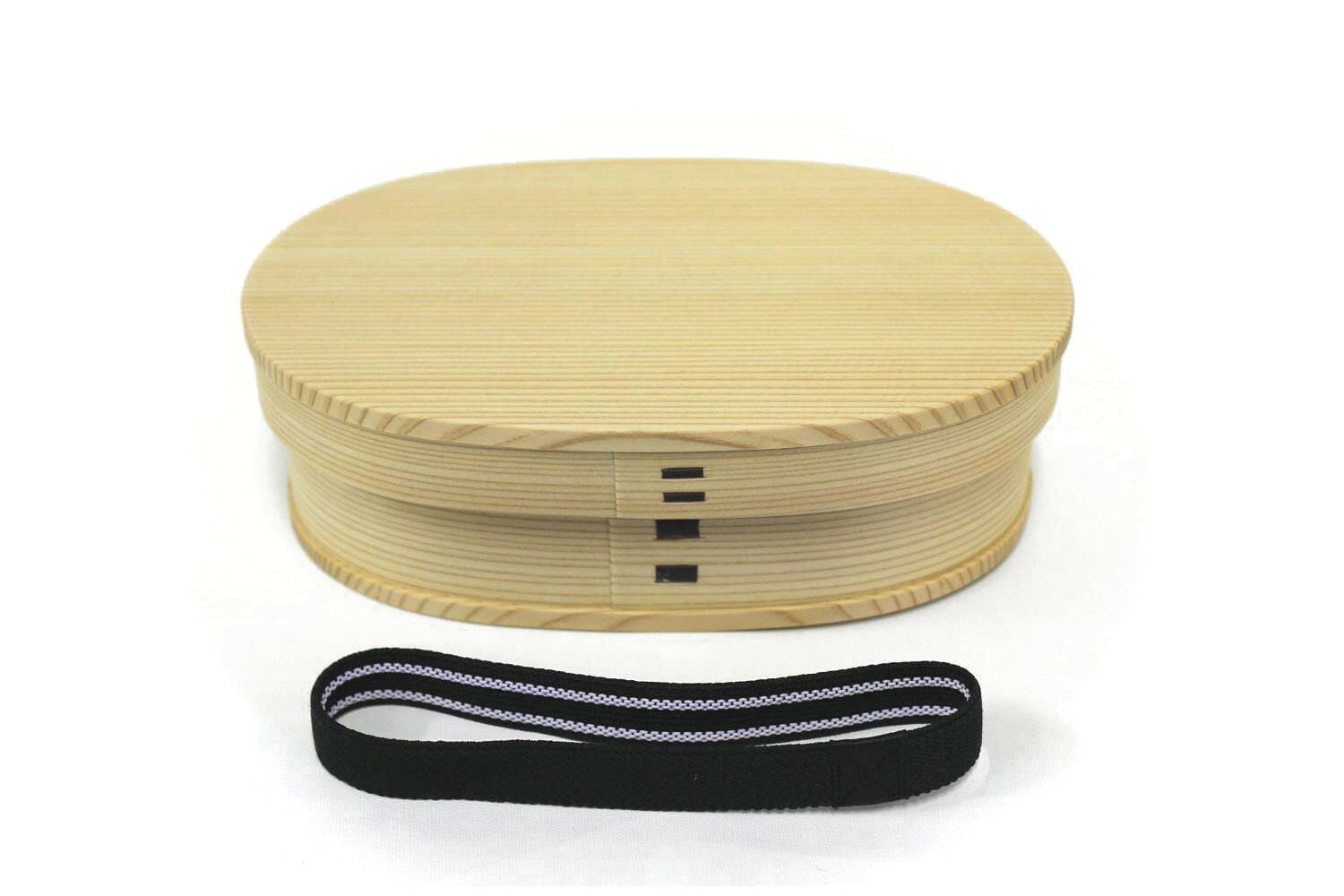
Selected automatically by category and price. Confirm individual wrapping, piece count, and best-before dates on the Rakuten listing.
Continue to prefectures
Hiroshima
Hiroshima is a useful starting point for distinctive local specialties.
Fukui
Fukui is a useful starting point for distinctive local specialties.
Gifu
Gifu is a useful starting point for distinctive local specialties.
Nara
Nara is a useful starting point for distinctive local specialties.
Iwate
Iwate is a useful starting point for distinctive local specialties.
Niigata
Niigata is a useful starting point for distinctive local specialties.
Akita
Akita is a useful starting point for distinctive local specialties.
Wakayama
Wakayama is a useful starting point for distinctive local specialties.
Related buying guides
FAQ
What household tools does this article actually cover?
It maps everyday objects still made in named Japanese craft regions: desk tools such as Kumano brushes, Inshu washi paper, Nara ink sticks (sumi), Ogatsu inkstones (suzuri), Banshu abacus (soroban), and Tokyo hand-carved seals (hanko); kitchen and table ware such as Nambu ironware, Tsubame hammered copperware, Osaka Naniwa tinware, Odate bentwood ware (magewappa), and Takayama tea whisks (chasen); and house goods such as Kishu binchotan charcoal, Sakai incense sticks, and Tokyo Western-style umbrellas. Each family is tied to a production area.
How can I tell a genuine regional product from a generic look-alike?
Match the object to its named production place and stated materials. Kumano brushes are bounded by Kumano-cho, materials, and cooperative certification. Inshu washi paper holds a regional collective trademark. Iwate charcoal is GI-registered black charcoal from Iwate-grown nara or kunugi oak, checked to a refining degree within 8. Tokyo hand-carved seals (hanko) use boxwood, water buffalo, or equivalent, carved by hand from design to finish.
Which region should I choose for writing, cooking, or the rest of the house?
For the desk, pick a brush region by use: Kumano for calligraphy, painting, makeup, or hake brushes; Kawajiri for cursive, kana script, and fine painting. For heat, Kishu binchotan charcoal is hard white charcoal for long, adjustable grilling; Iwate charcoal is easier-lighting black charcoal for barbecue. For scent or rain, Sakai incense sticks serve Buddhist and tea-room use; Tokyo Western-style umbrellas cover rain, sun, and combined use.
How should I care for these objects once they are in daily use?
Use each object as its region describes it. Grind Nara ink sticks (sumi) on an inkstone to control density. Light Kishu binchotan charcoal slowly, then adjust heat with a fan. Keep Odate bentwood ware (magewappa) as a daily food vessel of bent Akita cedar sewn with mountain cherry bark. Open Tokyo Western-style umbrellas as a rain or sun tool made through triangular cutting, Kanto stitching, and inspection. Follow the maker’s stated process rather than a generic polish routine.