 3 images
Tosa Washi Set Paper
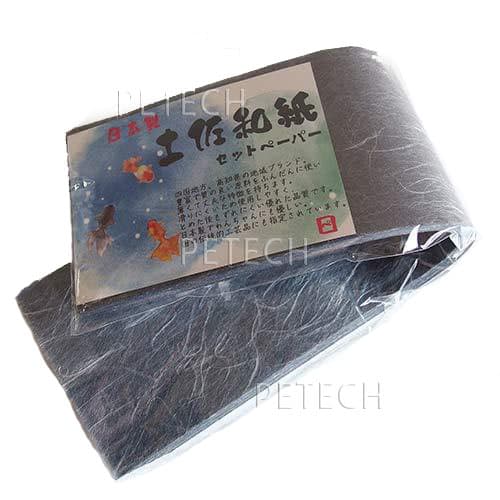
純日本製 土佐和紙セットペーパー 墨色 50枚入り 【メール便対応】 ☆
sumi black, 50 sheets, 97 x 400 mmPETECH楽天市場店
4.9 / 14 reviews
Japanese name土佐和紙
In Ino town, Kochi Prefecture, the paper museum brings raw materials, papermaking tools, and hand-making demonstrations into view; Tosa washi then opens outward through shoji screens, calligraphy, art papers, conservation sheets, and workshop postcards.
Information last updated yesterday
3 images純日本製 土佐和紙セットペーパー 墨色 50枚入り 【メール便対応】 ☆
sumi black, 50 sheets, 97 x 400 mmPETECH楽天市場店
4.9 / 14 reviews
 3 images
和紙 土佐和紙 白上仲 手漉き晒楮紙
approx. 630 x 940 mm, 7 momme紙・文具の専門店 ミフジ
4.9 / 35 reviews
 3 images
和紙 土佐和紙 天下一品 手漉き未晒楮紙
Nisanban size, 6 momme紙・文具の専門店 ミフジ
4.8 / 61 reviews
First time buying on Rakuten? How residents in Japan order →
In Ino town in Agawa District, Kochi Prefecture, the Ino-cho Paper Museum gives Tosa washi a concrete starting point: raw materials, tools, and the movement of hand-made paper. Opened in 1985 to support Tosa washi, the museum presents washi history, raw materials, papermaking tools, demonstrations, and hands-on experiences. The paper’s timeline reaches from tribute-related references to Edo-period Tosa nanairo-gami, then to Meiji-era work by Genta Yoshii on tengujo-shi, mitsumata improved hanshi, and papermaking tools.
The Ino-cho Paper Museum stands in Saiwai-cho, Ino town, in Kochi Prefecture’s Agawa District. Since opening in 1985, it has given visitors a grounded way to approach Tosa washi through raw materials, papermaking tools, and hand-making demonstrations. The museum’s displays and experience area make the paper visible through things that can be named: materials, tools, historical panels, and the practiced motion of making a sheet by hand.
The long timeline of Tosa washi reaches back more than one thousand years through tribute-related references. In the Edo period, Tosa nanairo-gami was created and protected by the domain as an item presented to the shogunate. In the Meiji period, Genta Yoshii is tied to improvements in tengujo-shi, mitsumata improved hanshi, and papermaking tools, so the chronology rests on named papers and working equipment rather than a vague sense of age.
Inside the museum, raw materials and papermaking tools sit beside demonstrations and hands-on making. The available detail does not support a full step-by-step production account, so the clearest picture is more focused: Tosa washi appears through the relationship between material, tool, hand movement, and the finished sheet. That modest frame keeps the craft close to the objects the visitor can actually see.
Tosa washi once served shoji screens and everyday household items, placing the paper inside ordinary living spaces. Today its uses include calligraphy paper, papers for painting and printmaking, artworks, daily goods, and conservation sheets for artworks and cultural properties. Those uses show the paper moving between the home, the studio, and repair work that extends beyond Kochi.
At an event held at the paper museum, the Kochi Handmade Washi Cooperative brought forward rare papers, sample books, and papers showing the character of individual craftspeople. One sample book had been made 35 years earlier and included papers tied to techniques of that time. Workshops for washi animal goods, lampshades, and postcards placed the same material in small objects made by hand.
The present work around Tosa washi has practical pressure points in Kochi: shortages of locally produced raw materials, aging material producers, successor training for washi makers, and routes that carry paper toward use. Each issue returns to a concrete chain: raw materials need growers and suppliers, sheets need makers, and papermaking knowledge has to pass to people who can keep using it at the vat and workbench.
Seen through Ino town’s museum, tribute-related references, Tosa nanairo-gami, Genta Yoshii’s papers and tools, shoji paper, calligraphy, conservation sheets, sample books, and workshop postcards, Tosa washi is shaped by Kochi places and hand-held objects. Its continuity is equally practical: local raw materials, makers, cooperative activity, and the next generation of people who can keep making and using the paper.
Compiled from public records and official sources; see the recognition links below. Details may change over time.
Where this product is officially registered, designated, or recognized in Japan.
Traditional craft
Designated a Traditional Craft (dentō kōgeihin) by Japan's Ministry of Economy, Trade and Industry.
Sources1
It is written as 土佐和紙 in Japanese. Search Rakuten and other Japanese sites with that spelling — the English name will not bring up the listings.
Tosa washi paper is a family of washi products from Kochi Prefecture, with a documented history spanning more than a thousand years. Ino-cho Paper Museum, in Ino town, opened in 1985 and presents raw materials, tools, and hand papermaking demonstrations and experiences. Its history includes Tosa nanairo-gami, Genta Yoshii's work on tengujo-shi and mitsumata improved hanshi, and improvements to papermaking tools. Uses range from shoji screens and household items to calligraphy, art papers, conservation sheets, and daily goods.
Ino-cho Paper Museum was established to promote Tosa washi. In the Edo period, Tosa nanairo-gami was presented to the shogunate as an item protected by the domain. In the Meiji period, Genta Yoshii was also linked to improvements in papermaking tools. A Kochi Handmade Washi Cooperative event displayed rare papers and a sample book made 35 years earlier, alongside workshops for lampshades and postcards.
Tosa washi was once used for shoji screens and other everyday household items. Because of its variety and quality, it is used as calligraphy paper and as art paper for painting and printmaking. It is used worldwide as a conservation paper for restoring artworks and cultural properties.
Keep wood, bamboo, and lacquer out of prolonged soaking, dishwashers, and direct sun — wipe dry after use and let them air out in the shade. For metal and fabric goods, follow the care notes on the listing.
Most options are shelf-stable, boxed, and travel well, so they suit gifting or bringing home. Confirm the final storage and delivery terms on the Rakuten listing.
On Rakuten: the shops listed here right now are PETECH楽天市場店, 紙・文具の専門店 ミフジ. We don't sell directly; purchase, payment, stock, and delivery are all handled on the Rakuten product page.