 3 images
Handmade Ozu Washi Tenjin Shoji Paper
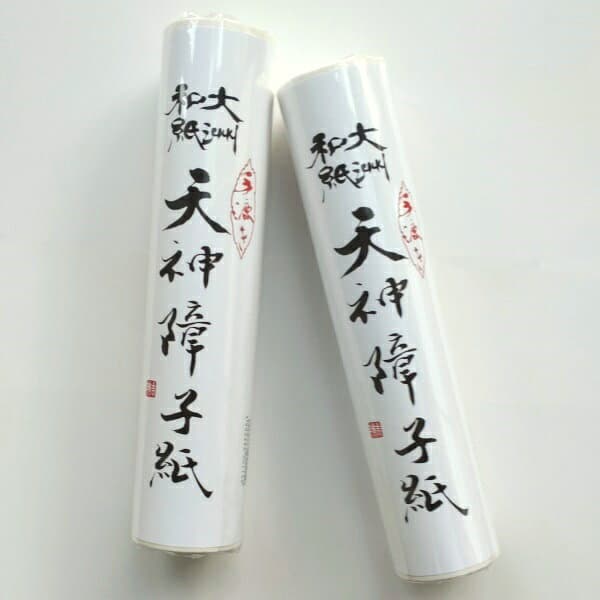
手漉き 大洲和紙 天神障子紙-美濃判28.2cm×18.8m巻(20枚繋)【 手漉き障子 和紙 障子紙 】
Mino size, 28.2cm x 18.8m roll (20 connected sheets)和紙専門卸 廻木商店
Japanese name大洲和紙
In Ehime’s Ozu area and Uchiko’s Ikazaki district, river water, kozo, mitsumata, ganpi, neri, and nagashizuki shape papers for calligraphy, shoji, kites, and interiors.
Information last updated yesterday
3 images手漉き 大洲和紙 天神障子紙-美濃判28.2cm×18.8m巻(20枚繋)【 手漉き障子 和紙 障子紙 】
Mino size, 28.2cm x 18.8m roll (20 connected sheets)和紙専門卸 廻木商店
 3 images
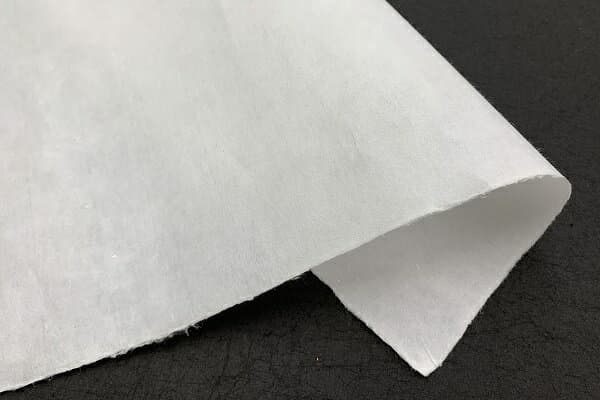
伊予 大洲和紙
white, approx. 98 x 65 cm小津和紙
5.0 / 2 reviews
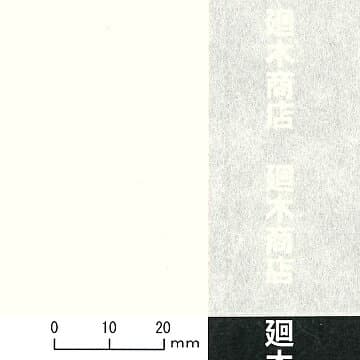
手漉き障子紙 大洲和紙-蛍光無し(66cm×98cm) 【 手漉き障子紙 和紙 障子紙 】
fluorescent-free, 66cm x 98cm和紙専門卸 廻木商店
5.0 / 1 reviews
First time buying on Rakuten? How residents in Japan order →
Ozu washi belongs to Ehime’s Ozu area, with Uchiko’s Ikazaki district in Kita District and Seiyo City forming the main production geography named for the craft. Around Ikazaki, the Oda River and groundwater enter the work through soaked plant fiber, washing, sheet forming, pressing, and drying. The name gathers more than Ozu hanshi: calligraphy paper, shoji paper, hosho, umbrella paper, lantern paper, bookbinding paper, art paper, and kite paper all sit inside this regional paper family.
The Oda River begins in Uchiko’s Oda district and runs into the Hiji River as a tributary. Before the end of the Taisho period, riverboats used it as a water route, and Ozu washi from Ikazaki moved downstream with other loads. Hand papermaking needs large amounts of water; in this district, river water and groundwater support fiber soaking, washing, paper-stock mixing, wet-sheet handling, and the work before each sheet dries.
Ozu hanshi is kozo-based calligraphy-style paper. Around it, the Ozu washi name also gathers shoji paper, hosho, umbrella paper, lantern paper, bookbinding paper, art paper, calligraphy paper, and kite paper. The range carries the paper from writing desks to sliding screens, lamps, book covers, art work, and wind-loaded kites.
Heian-period writings mention paper from Iyo and Kita District, and the Tenryaku 4 entry gives paper quantities for Kita District. In the Edo period, papermaking became organized work under the Ozu domain: Okazaki Jirozaemon made paper for domain use, Echizen-related instruction spread in the Genroku years, and paper offices and kozo offices handled production and material control.
The material range for Ozu washi includes kozo, mitsumata, ganpi, hemp, and straw. In the vat, these fibers meet neri made from tororoaoi or noriutsugi. A papermaker sets a bamboo or kaya screen in a frame and forms sheets by nagashizuki, moving the sugeta forward and back so the fibers interlace and the thickness can be adjusted. Evenness comes from water, plant fiber, viscous neri, the screen, and repeated hand movement.
Work begins with raw kozo, mitsumata, or ganpi soaked in tanks for several days, then boiled for two to three hours. After washing, the fiber is water- and sun-bleached for about a week, and remaining dark fibers or small debris are removed by hand. Beating opens the fiber into a papermaking state; stock and neri are mixed in the vat, sheets are formed, stacked, pressed, dried one by one on boards or heated metal plates, then sorted and cut.
Ozu washi has quiet indoor uses and a loud outdoor test. Calligraphy paper receives ink at the desk, shoji paper softens room light, and mounting paper, bookbinding paper, art paper, chigiri-e, and etegami use handmade fiber, torn edges, and layered color. At Ikazaki’s May 5 giant kite battle, large kites use Ozu washi because the paper surface must withstand strong wind pressure.
In the Meiji period, Ikazaki had more than 400 hand-papermaking households and side-work papermakers. The number fell sharply in the Showa period, and by 2022 only a few workshops remained in Ikazaki and the former Ozu domain area, with succession a practical concern. A contemporary Ikazaki branch applies metal leaf to Ozu washi for wallpaper, lamp shades, framed works, and hotel interiors, moving sheets from the vat onto walls and into light.
The most durable image of Ozu washi is a sequence of hands and materials: water beside the Oda River, soaked kozo and mitsumata, neri from tororoaoi or noriutsugi, a bamboo or kaya screen moving through the vat, and sheet-by-sheet drying on boards or heated metal plates. From Ozu domain papermaking to a smaller workshop community, the paper continues through calligraphy, shoji, kites, mounting, art uses, and gilded interior surfaces.
Compiled from public records and official sources; see the recognition links below. Details may change over time.
Where this product is officially registered, designated, or recognized in Japan.
Traditional craft
Designated a Traditional Craft (dentō kōgeihin) by Japan's Ministry of Economy, Trade and Industry.
Sources1
It is written as 大洲和紙 in Japanese. Search Rakuten and other Japanese sites with that spelling — the English name will not bring up the listings.
Ozu washi is a family of hand-made paper from Ehime's Ozu area, Uchiko's Ikazaki district, and Seiyo City. The name covers hanshi, shoji paper, hosho, umbrella and lantern paper, bookbinding and art paper, calligraphy paper, and kite paper. Makers use kozo, mitsumata, ganpi, hemp, or straw with neri from tororoaoi or noriutsugi, forming sheets by nagashizuki on bamboo or kaya screens before pressing and drying. Oda River water supports the process; uses include writing, shoji, and Ikazaki's giant kites.
Ozu washi received a traditional-craft designation in 1977. In the Meiji period, more than 400 households and side-work papermakers in Ikazaki practiced hand papermaking; by 2022 only a few workshops remained in Ikazaki and the former Ozu domain area. Ikazaki giant kites use Ozu washi because the large paper surfaces must withstand strong wind pressure. The production steps include soaking, boiling, washing, bleaching, hand cleaning, beating, vat mixing, sheet forming, pressing, drying, sorting, and cutting.
Ozu hanshi and shoji paper are used for calligraphy and for shoji screens. Ikazaki's giant kites are covered with Ozu washi to withstand strong wind pressure. Some workshops apply metal leaf to Ozu washi for wall paper, lamp shades, and framed interior pieces.
Keep wood, bamboo, and lacquer out of prolonged soaking, dishwashers, and direct sun — wipe dry after use and let them air out in the shade. For metal and fabric goods, follow the care notes on the listing.
Most options are shelf-stable, boxed, and travel well, so they suit gifting or bringing home. Confirm the final storage and delivery terms on the Rakuten listing.
On Rakuten: the shops listed here right now are 和紙専門卸 廻木商店, 小津和紙. We don't sell directly; purchase, payment, stock, and delivery are all handled on the Rakuten product page.