 3 images
Ehime Local Goods Guide
愛媛県
Ehime is indexed here as a practical buying guide for travelers and foreign residents in Japan. Start with packable gifts, then compare table goods, quiet luxuries, and crafted objects when you need a stronger sense of place.
9Local selections
What Ehime is known for
The 8 products below are what Ehime is known for, ordered by how strongly each is rooted in the prefecture — what it is, and why it comes from here.
Imabari towelsTextiles
In Ehime, the Imabari name is carried by a 2026 directory of 68 companies, towel sommelier guidance, sewing courses, Towel Academy programs, and the multi-stage sakizarashi-sakizome flow behind a household towel.
Ozu washi paperHome & living
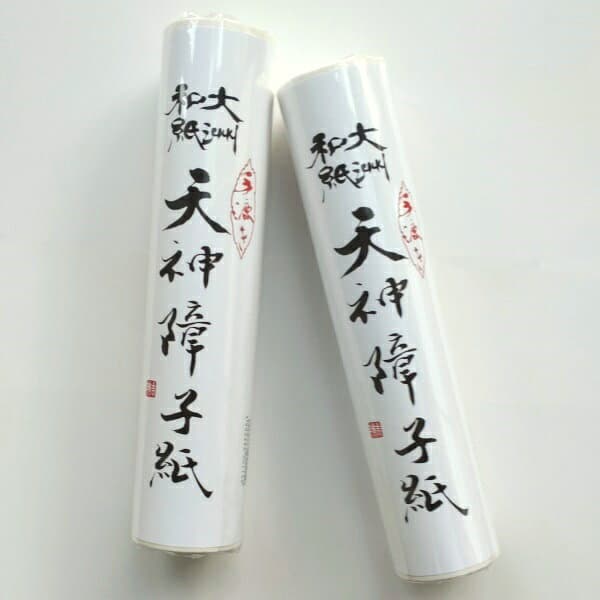
In Ehime’s Ozu area and Uchiko’s Ikazaki district, river water, kozo, mitsumata, ganpi, neri, and nagashizuki shape papers for calligraphy, shoji, kites, and interiors.
Nishiuwa mikanRegional foods
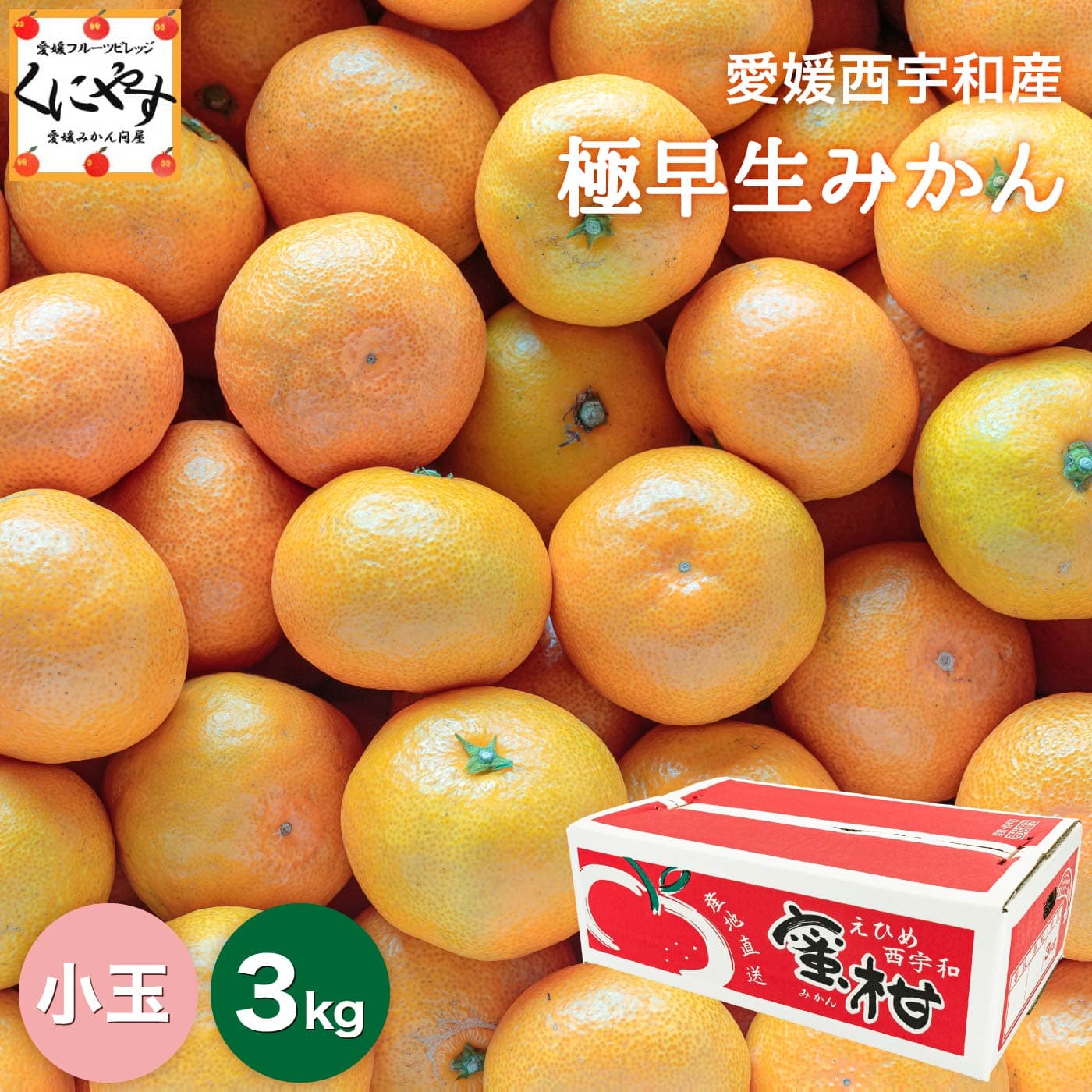
Nishiuwa mikan names unshu mandarins from Ehime’s Nishiuwa area, tied to Yawatahama, Nishiuwa District, Mikame in Seiyo, ten JA Nishiuwa shipping points, fresh fruit, juice, and year-end greetings.
Maana mikanRegional foods
In Hachimanhama, Ehime, Maana mikan is tied to Maajiro and Anai. Coastal slopes, stone-walled terraces, white sheet mulch, and fruit-by-fruit sweetness and acidity sorting give the name a concrete orchard setting.
Tobe wareTableware
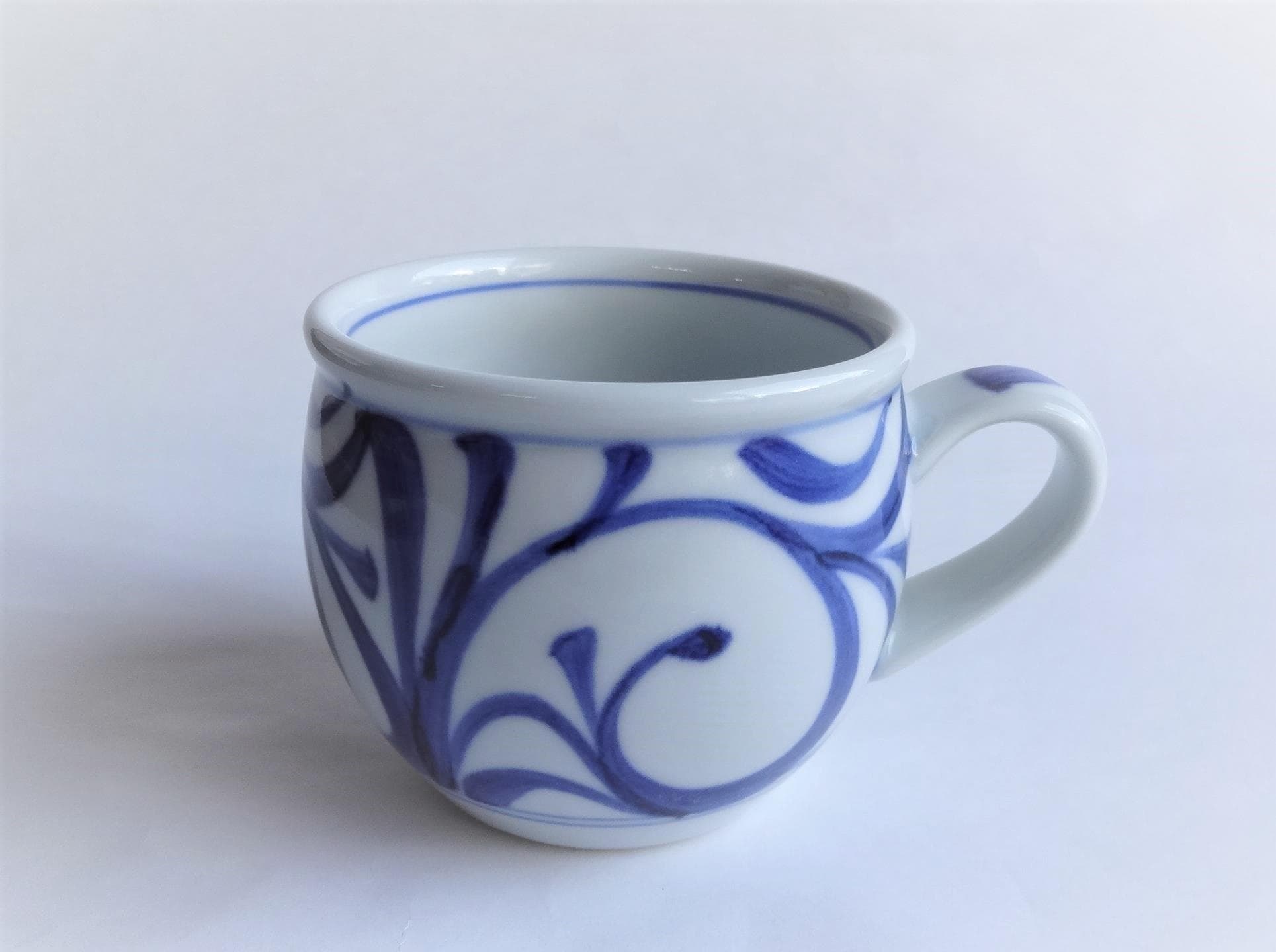
In Ehime’s Tobe Town, shared clay-body work, glazes, plaster molds, and ceramic stone work support a kiln community whose porcelain stays close to daily tableware and living vessels.
Oshima graniteCraft objects
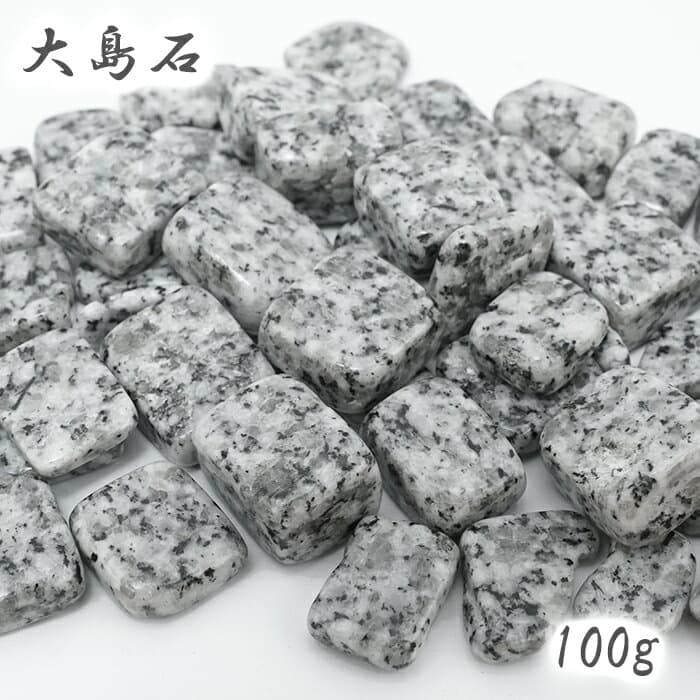
On northern Oshima in Imabari, Ehime, hard gray-black granodiorite takes on a bluish polish, linking quarries, castle memory, public buildings, gravestones, and hands-on stone learning.
Uwajima jakotenRegional foods
Uwajima jakoten is fried kamaboko from small-fish surimi of Uwajima City or Kita-Uwa District, made from hand-cleaned Uwa Sea hotarujako.
Uwajima tai-meshiRegional foods
In Uwajima, Ehime, tai-meshi is raw sea-bream slices, soy-egg sauce, sesame, dashi, and hot rice, set among Uwa Sea seafood dishes.
Regional Gifts
Packable foods and gifts with clear regional character.
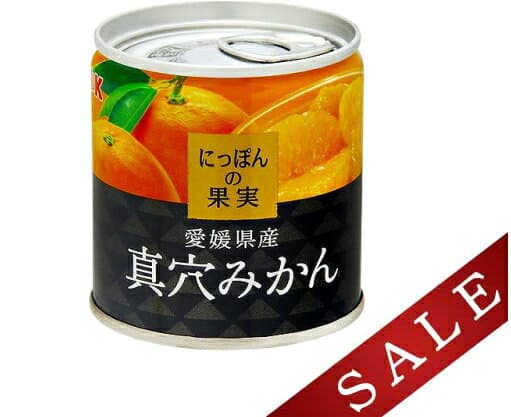

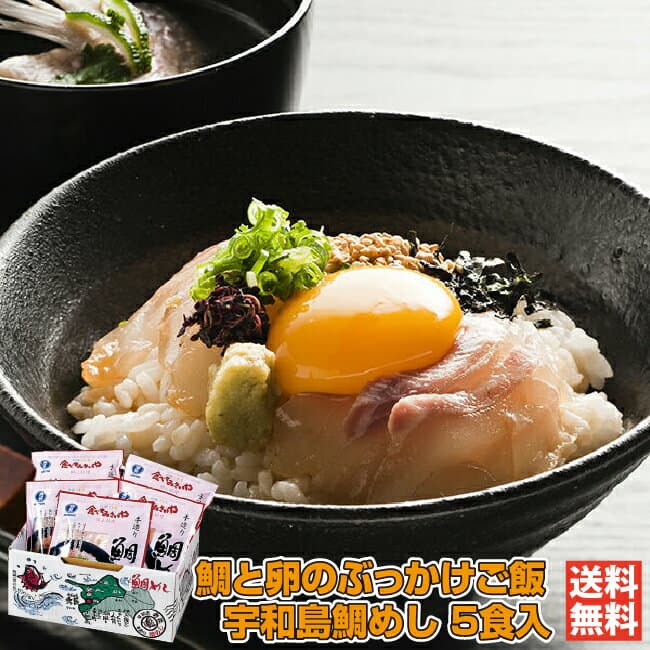
Table & Tea
Tea, drinks, foods, and table pieces shaped by local taste.
Daily Rituals
Home goods and textiles that turn everyday use into a local ritual.
Crafted Forms
Ceramics, lacquer, glass, woodwork, metalwork, folk craft, and their forms.
Ehime's specialties by category
How the same thing is made elsewhere, and what differs: the category overviews start here.
Kind before region: fresh fish is about handling, crab and oysters about season, nori and dried goods about processing.
Earthenware or porcelain first, then the surface: unglazed like Bizen, glazed like Hagi, or painted like Kutani.
Everyday Japanese tools, each tied to a named craft region and still made for use.
FAQ
What is Ehime known for?
Ehime (Shikoku) is represented here by specialties such as Imabari towels, Ozu washi paper, Nishiuwa mikan — each verified against official registries and matched to Rakuten listings.
Are Ehime souvenirs good to bring home?
Many Ehime picks — Imabari towels, Ozu washi paper, Nishiuwa mikan among them — are shelf-stable foods and crafts that travel well; for temperature- or fragility-sensitive items, confirm delivery and packaging on the Rakuten listing.
Are these products sold directly by this site?
No. This site curates Rakuten listings and may earn affiliate revenue from links to Rakuten.
How are products selected?
Listings are filtered for local relevance, product images, availability, and review strength.