 3 images
Tokushima Local Goods Guide
徳島県
Tokushima is indexed here as a practical buying guide for travelers and foreign residents in Japan. Start with packable gifts, then compare table goods, quiet luxuries, and crafted objects when you need a stronger sense of place.
10Local selections
What Tokushima is known for
The 8 products below are what Tokushima is known for, ordered by how strongly each is rooted in the prefecture — what it is, and why it comes from here.
Awa washi paperHome & living
Made around Yoshinogawa and other Tokushima production areas, Awa washi turns kozo, mitsumata, ganpi, and related fibers into thin, resilient sheets used for shoji paper, gasenshi, printmaking, interiors, labels, and dyed paper.
Handa somenRegional foods
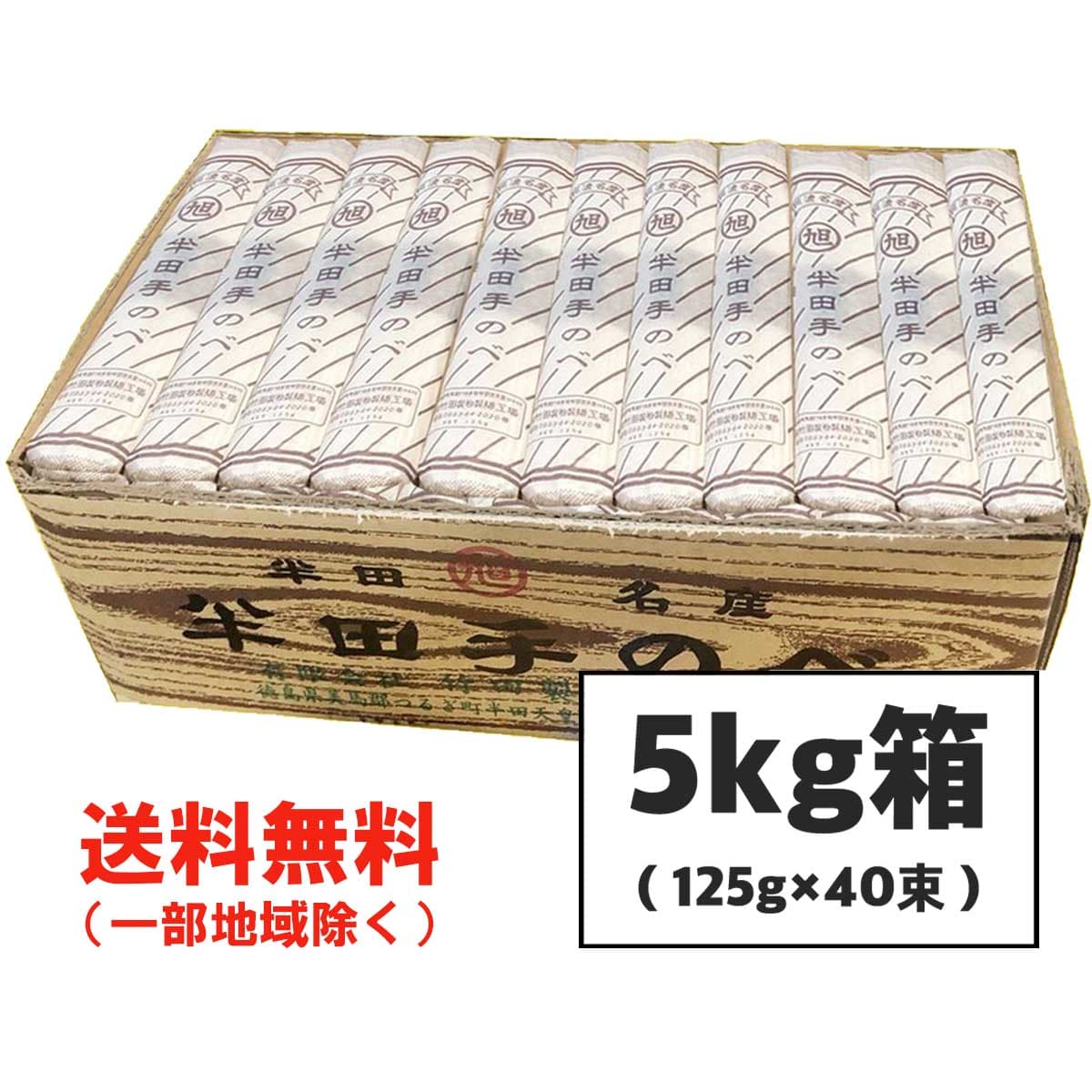
In Tokushima’s Handa district, Handa somen is shaped by mountain wind, Yoshino River water, wheat, and a slightly thicker noodle body with a clear, firm bite.
Kamikatsu Awa banchaTea & drinks
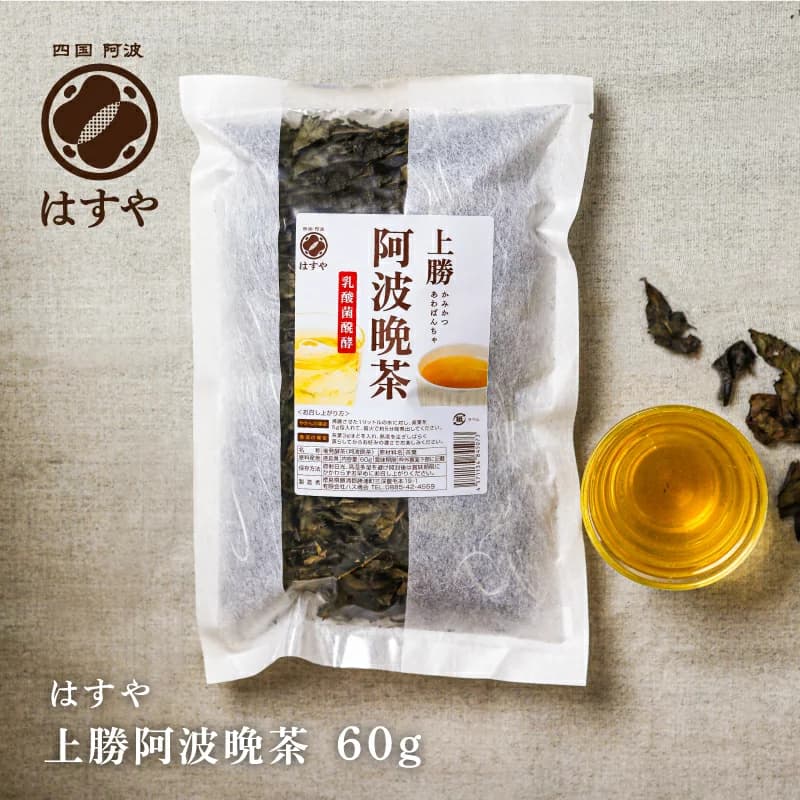
Kamikatsu Awa Bancha starts with leaves grown or gathered in Kamikatsu Town, then moves through boiling, a month-long soak, lactic fermentation, and sun-drying before becoming a golden cup with a refreshing aroma.
Awa shoai shijiraTextiles
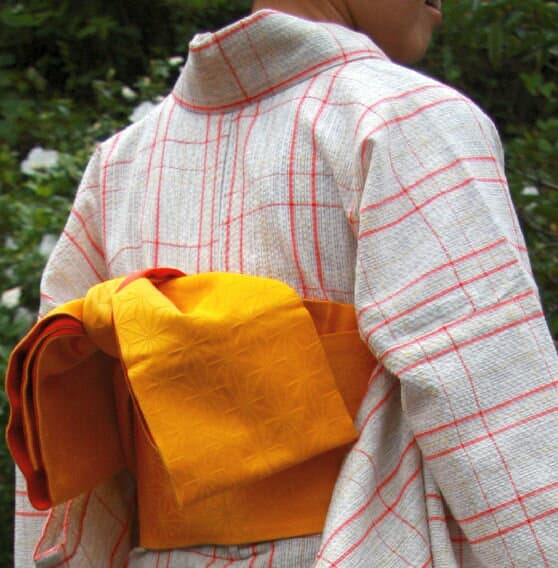
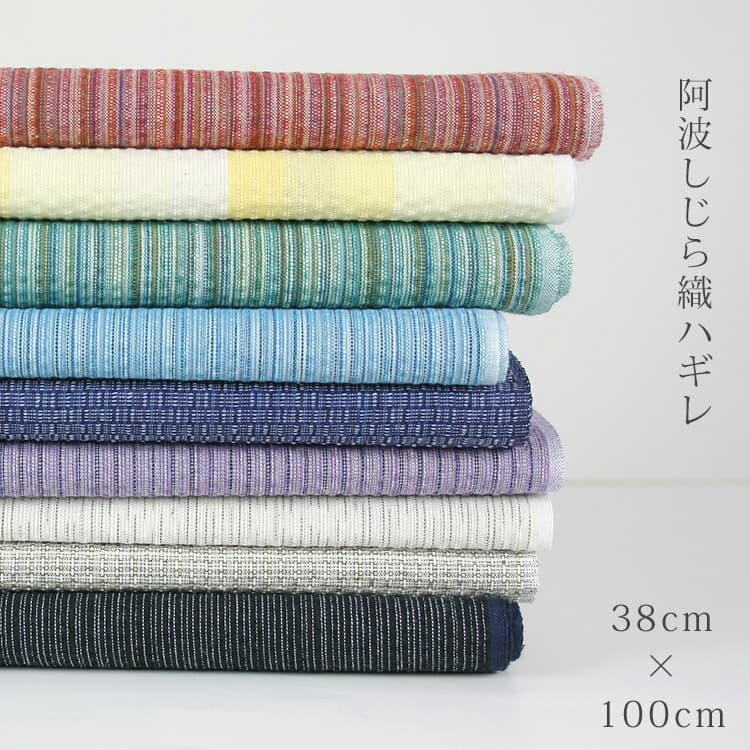
Awa Shoai Shijira-ori belongs to Tokushima’s Awa textile line: Awa indigo defines the name, while warp-and-weft tension forms the raised shibo that helps the cloth feel light in summer wear.
Awa shijira textilesTextiles
Awa shijira-ori uses calculated tension between warp and weft to raise a crimped cotton surface, linking Atake village, Awa indigo, summer clothing, and workshop processes in Tokushima City.
Otani wareTableware
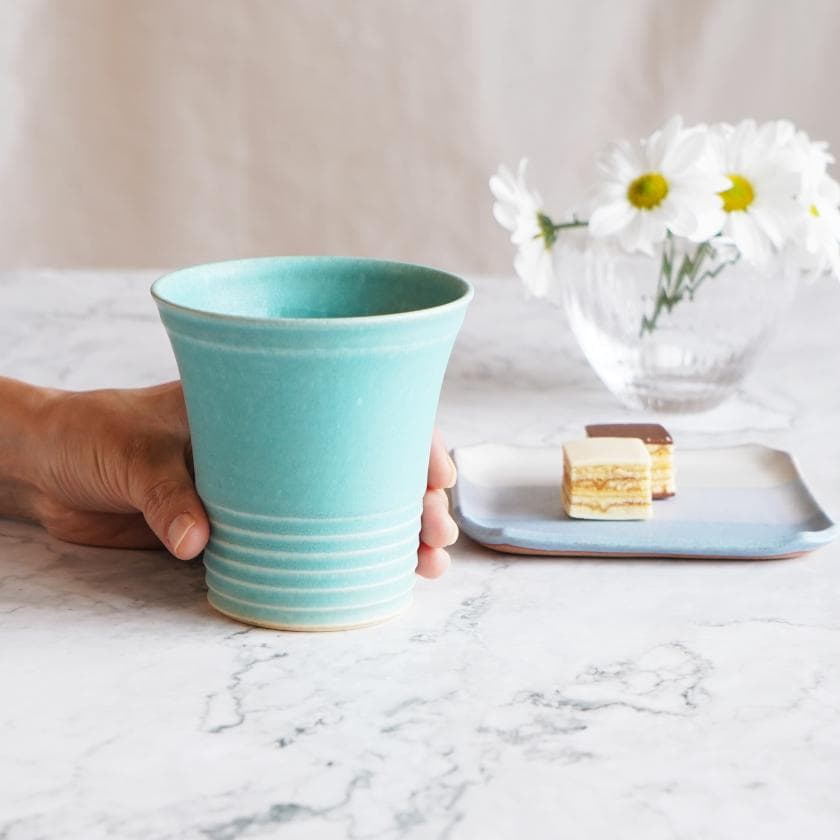
In Oasa-cho, Naruto City, iron-rich clay and ne-rokuro wheel work shape large jars, indigo vats, lotus bowls, cups, tea bowls, plates, flower vessels, and interior pieces.
Tokushima sudachiRegional foods
In Kamiyama, Sanagochi, Anan, Naruto, and other Tokushima growing areas, this aromatic citrus carries mountain rain, temperature swings, bright acidity, and everyday uses with fish, hot pots, noodles, and drinks.
Kito yuzuRegional foods
In Tokushima’s Naka Town, steep mountains, deep forest, summer rain, and day-night temperature swings shape a yuzu known for vivid color, thick peel, and a place on the kitchen table as juice.
Regional Gifts
Packable foods and gifts with clear regional character.
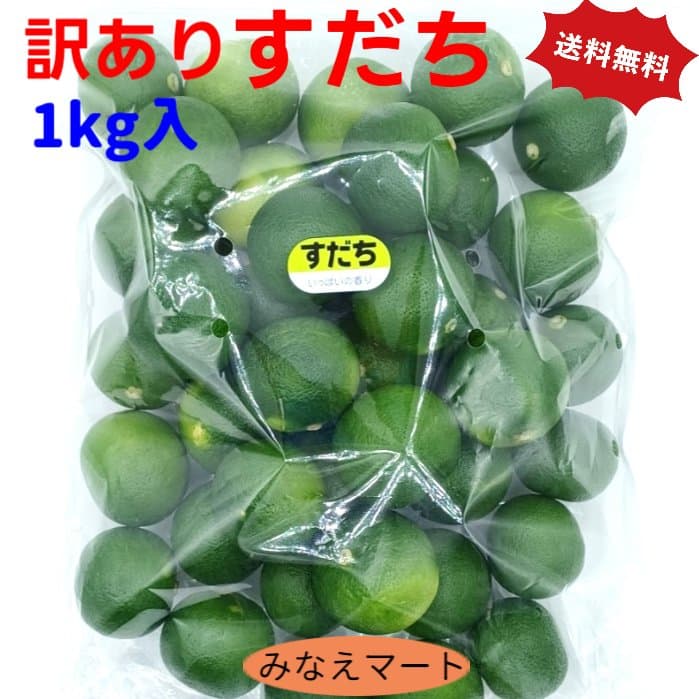
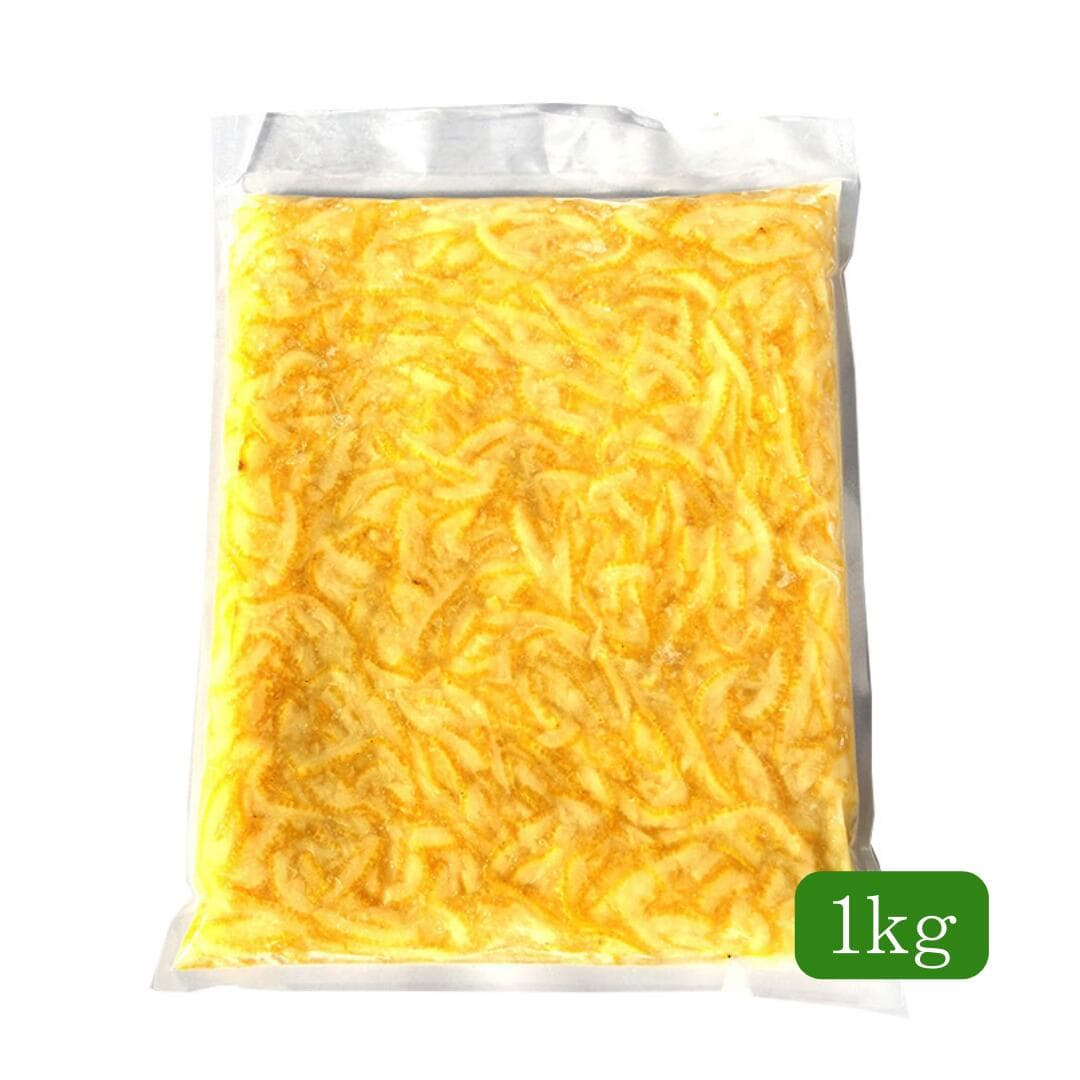
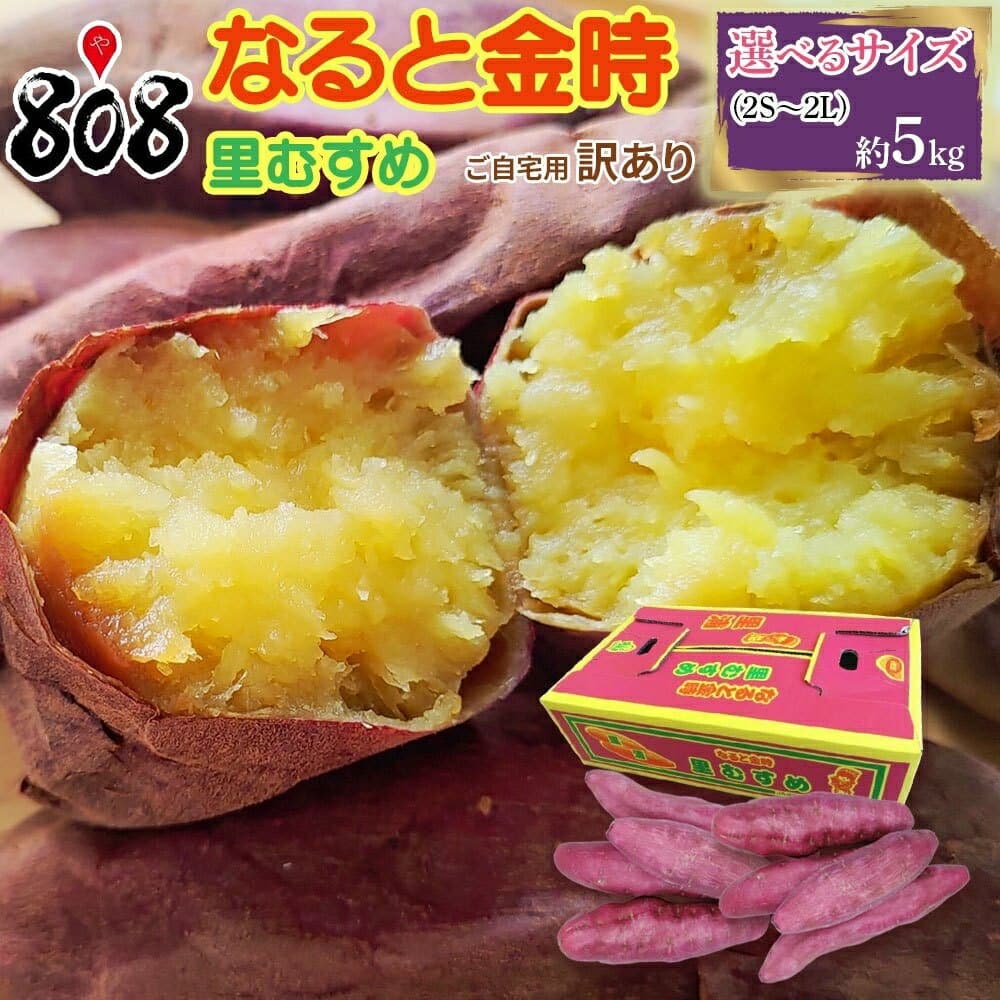
Table & Tea
Tea, drinks, foods, and table pieces shaped by local taste.
Daily Rituals
Home goods and textiles that turn everyday use into a local ritual.

Tokushima's specialties by category
How the same thing is made elsewhere, and what differs: the category overviews start here.
Type first: somen and hand-stretched udon are pulled, soba is about the flour, ramen and Okinawa soba use kansui.
Pick the type before the region: sencha is brisk, gyokuro is sweet and thick, matcha is ground tencha, hojicha is roasted and not bitter.
Earthenware or porcelain first, then the surface: unglazed like Bizen, glazed like Hagi, or painted like Kutani.
Everyday Japanese tools, each tied to a named craft region and still made for use.
Woven or dyed first: tsumugi, kasuri and chijimi weave dyed yarn; yuzen, komon and bingata dye white cloth.
FAQ
What is Tokushima known for?
Tokushima (Shikoku) is represented here by specialties such as Awa washi paper, Handa somen, Kamikatsu Awa bancha — each verified against official registries and matched to Rakuten listings.
Are Tokushima souvenirs good to bring home?
Many Tokushima picks — Awa washi paper, Handa somen, Kamikatsu Awa bancha among them — are shelf-stable foods and crafts that travel well; for temperature- or fragility-sensitive items, confirm delivery and packaging on the Rakuten listing.
Are these products sold directly by this site?
No. This site curates Rakuten listings and may earn affiliate revenue from links to Rakuten.
How are products selected?
Listings are filtered for local relevance, product images, availability, and review strength.