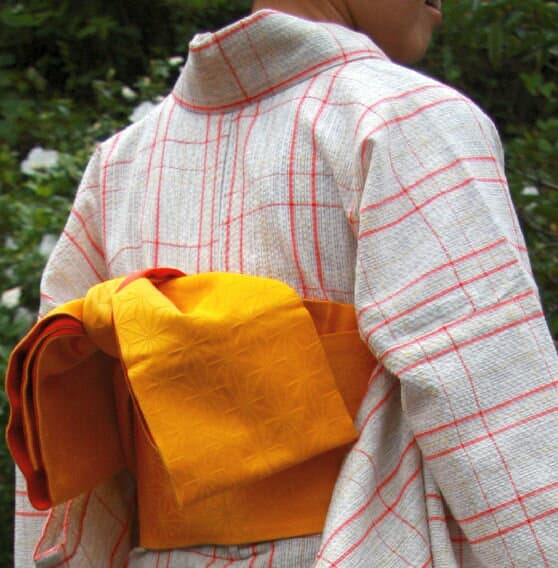
 3 images
Awa Shoai Shijira Weave Cotton Kimono
【送料無料】阿波しじら織木綿きもの[077]単衣仕立て 阿波正藍しじら織伝統工芸品
No. 077, unlinedT&E next 和装館
5.0 / 1 reviews
Japanese name阿波正藍しじら織
Awa Shoai Shijira-ori belongs to Tokushima’s Awa textile line: Awa indigo defines the name, while warp-and-weft tension forms the raised shibo that helps the cloth feel light in summer wear.
Information last updated 119 days ago
3 images【送料無料】阿波しじら織木綿きもの[077]単衣仕立て 阿波正藍しじら織伝統工芸品
No. 077, unlinedT&E next 和装館
5.0 / 1 reviews
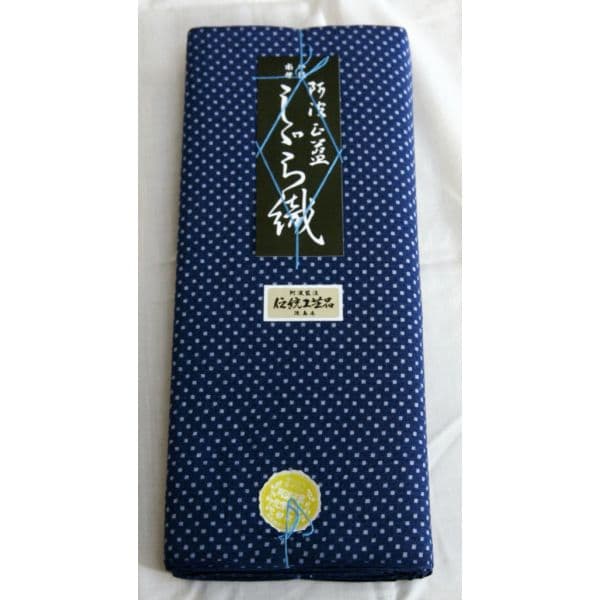 3 images
阿波しじら織 木綿着物 着尺 抜染 反物 No.520 送料無料 阿波正藍しじら織 伝統工芸品 全70柄以上 単衣着物 浴衣
No. 520T&E next 和装館
4.5 / 2 reviews
First time buying on Rakuten? How residents in Japan order →
In Tokushima, Awa Shoai Shijira-ori can be approached through two concrete details: Awa indigo and shibo. The indigo marks the version of Awa shijira weaving that uses Awa indigo, while shibo names the fine raised texture made by differences in warp and weft tension. The line reaches back to tatae-ori, a cotton striped cloth woven widely in the Awa area by the late eighteenth century. In the early Meiji period, a kimono drying outside was caught in a sudden rain and shrank; that image of contracted cloth sits at the beginning of Awa shijira weaving. The same raised surface later explains why the cloth is associated with summer clothing: it feels light and is less likely to cling to sweaty skin.
The earlier thread in this textile runs through tatae-ori, the cotton striped cloth woven in the Awa area at the end of the eighteenth century. At the beginning of the Meiji period, improvements to that striped cotton cloth led toward Awa shijira weaving.
Another concrete scene gives the cloth its memorable beginning: a kimono left to dry was hit by a sudden rain and shrank. The contracted surface gave makers a path toward shijira’s crinkled texture, so the history begins with cotton stripes, rain, and the behavior of cloth under moisture.
Within Awa shijira weaving, the form made with Awa indigo is called Awa Shoai Shijira-ori. In 1978, the version using natural Awa indigo was recognized among Japan’s traditional craft products under that name; for readers, the important point is the material boundary, because Awa indigo is part of the name itself.
That boundary keeps the focus on material rather than blue color alone. The name points to Tokushima, the Awa area, and indigo as a material before it points to a finished garment or accessory.
Shibo forms from the difference in tension created by the number and combination of warp and weft threads. When those counts and combinations change, the surface rises and contracts in controlled ways.
The difficult part is calculation. Arranging patterns through tension differences requires skill and experience, because the visible texture depends on the hidden balance between vertical and horizontal threads. Awa Shoai Shijira-ori therefore carries its tactile quality in the structure of the weave.
The raised shibo gives the cloth a pleasant touch and a light, easy feel. When the wearer sweats, the texture helps keep the cloth from sticking flat to the skin, which explains its place in summer clothing.
Tokushima’s contemporary use context also connects the textile with summer Cool Biz garments. The comfort claim is concrete: raised texture, sweat, skin, and light wear are all part of how the fabric works in summer use.
Named examples make the textile easier to imagine: jinbei, yukata cloth, scarves, and towels all appear in Awa Shoai Shijira-ori presentation. Each form brings the raised surface close to the body or the hand, from summer garments to everyday cloth objects.
The indigo color is also tied to seasonal feeling. During the rainy-season setting named for an Awa Shoai Shijira-ori exhibition, the cloth was framed through a crisp, refreshing blue, linking Awa indigo’s look with the summer uses already suggested by shibo.
The textile also has a local contact point in Tokushima City’s Sako Sanbancho. The Awa Shijira Ori Cooperative is connected with the Kokufu Town Chamber of Commerce, and the cooperative name gives the textile a visible community address alongside its material definition.
That address anchors the cloth in Tokushima City while the historical line reaches back to the wider Awa area. Place, material, weaving tension, and summer wear stay connected through that local point.
Awa Shoai Shijira-ori is remembered through specific things: cotton stripes in the Awa area, the early Meiji rain-shrunken kimono episode, natural Awa indigo, and shibo made by warp-and-weft tension. When the cloth appears as jinbei, yukata cloth, scarves, or towels, those details move from textile structure into use. Tokushima, Awa indigo, thread tension, and the non-clinging feel of shibo explain why this regional cloth remains closely tied to summer.
Compiled from public records and official sources; see the recognition links below. Details may change over time.
Where this product is officially registered, designated, or recognized in Japan.
Traditional craft
Designated a Traditional Craft (dentō kōgeihin) by Japan's Ministry of Economy, Trade and Industry.
Sources1
It is written as 阿波正藍しじら織 in Japanese. Search Rakuten and other Japanese sites with that spelling — the English name will not bring up the listings.
Awa Shoai Shijira-ori is a Tokushima textile connected with the Awa area and the Awa shijira weaving line. Its name applies to the Awa-indigo version, while its shibo texture is made through warp-and-weft tension differences. The raised surface gives a light, pleasant, less-clinging feel suited to summer clothing, with named forms including jinbei, yukata cloth, scarves, and towels.
Tatae-ori, a cotton striped cloth, was widely woven in the Awa area at the end of the eighteenth century and forms part of the background to Awa shijira weaving. Awa shijira weaving is said to have begun in the early Meiji period after a drying kimono was caught in a sudden rain and shrank. Shibo is made by tension differences created by warp and weft counts and combinations, and pattern control requires skill and experience. The shibo texture supports use in summer clothing and Cool Biz garments, valued for its breathable, non-clinging feel.
The fabric is worn as summer clothing for its light, breathable feel. It is also used for Cool Biz garments because it resists clinging to the skin when sweating. Current forms include jinbei, yukata cloth, scarves, and towels.
Naturally dyed textiles shed some colour on first wash. Hand-wash separately with a neutral detergent, avoid long soaking and bleach, and dry in the shade to prevent fading. Silk, ramie, and traditionally dyed pieces often need professional cleaning — the care label on the listing takes precedence.
Most options are shelf-stable, boxed, and travel well, so they suit gifting or bringing home. Confirm the final storage and delivery terms on the Rakuten listing.
On Rakuten: the shops listed here right now are T&E next 和装館. We don't sell directly; purchase, payment, stock, and delivery are all handled on the Rakuten product page.