 3 images
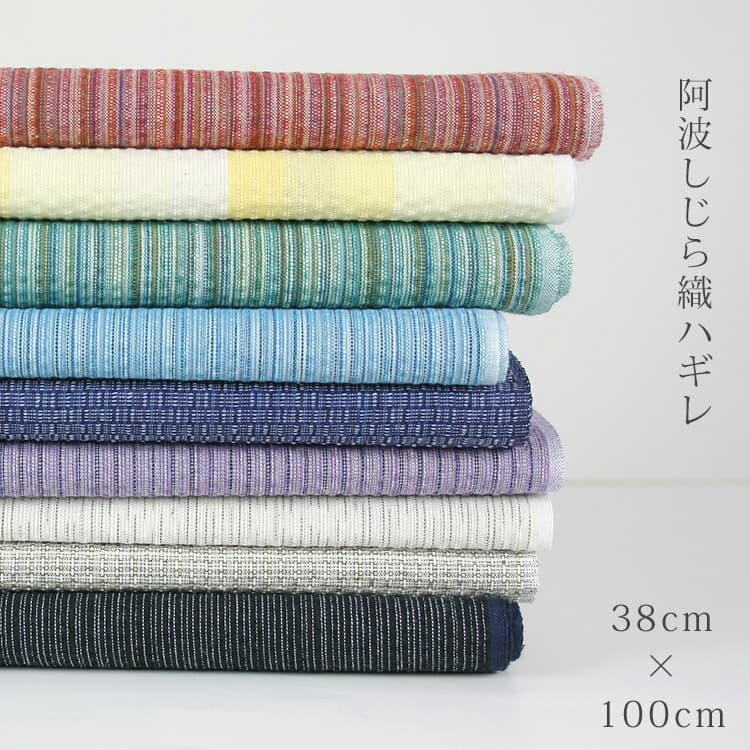
Awa Shijira Ori Cotton Fabric Cut
パッチワークや小物づくりに!しじら織り 1m 阿波しじら織 カット販売 サンプル生地 はぎれ 木綿 綿100% 日本製 巾38cm×1m【メール便OK】【NA】
38cm x 1mふだんきものハイムラヤ
4.8 / 98 reviews
Japanese name阿波しじら織
Awa shijira-ori uses calculated tension between warp and weft to raise a crimped cotton surface, linking Atake village, Awa indigo, summer clothing, and workshop processes in Tokushima City.
Information last updated 7 days ago
3 imagesパッチワークや小物づくりに!しじら織り 1m 阿波しじら織 カット販売 サンプル生地 はぎれ 木綿 綿100% 日本製 巾38cm×1m【メール便OK】【NA】
38cm x 1mふだんきものハイムラヤ
4.8 / 98 reviews
 3 images
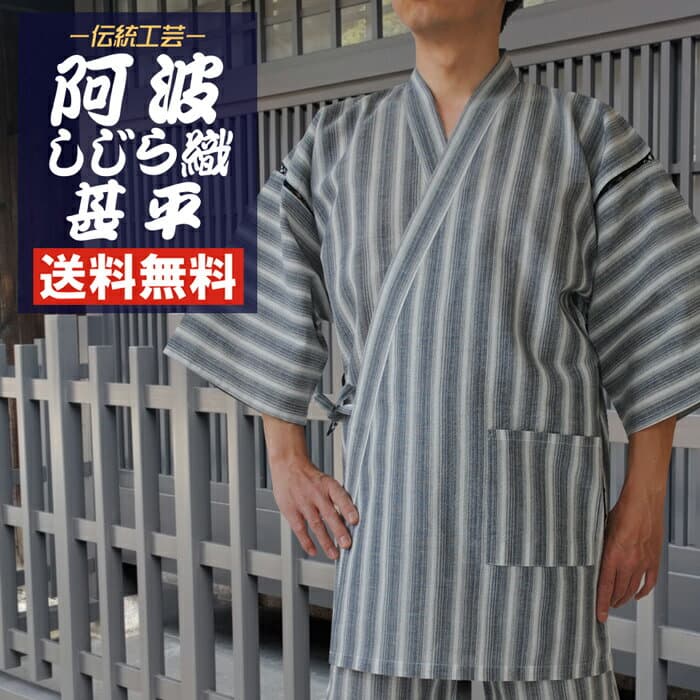
父の日 甚平 メンズ 阿波 しじら織 正藍染 じんべい 男 早期購入特典 扇子 プレゼント 送料無料 綿100% しじら織り 紳士 男子 男性 父の日 お誕生日 敬老の日 プレゼント 祭り 部屋着 ルームウエア パジャマ 甚平 夏 甚平 おしゃれ 涼しい
和粋家-甚平 作務衣メーカー直販店
4.6 / 101 reviews
 3 images
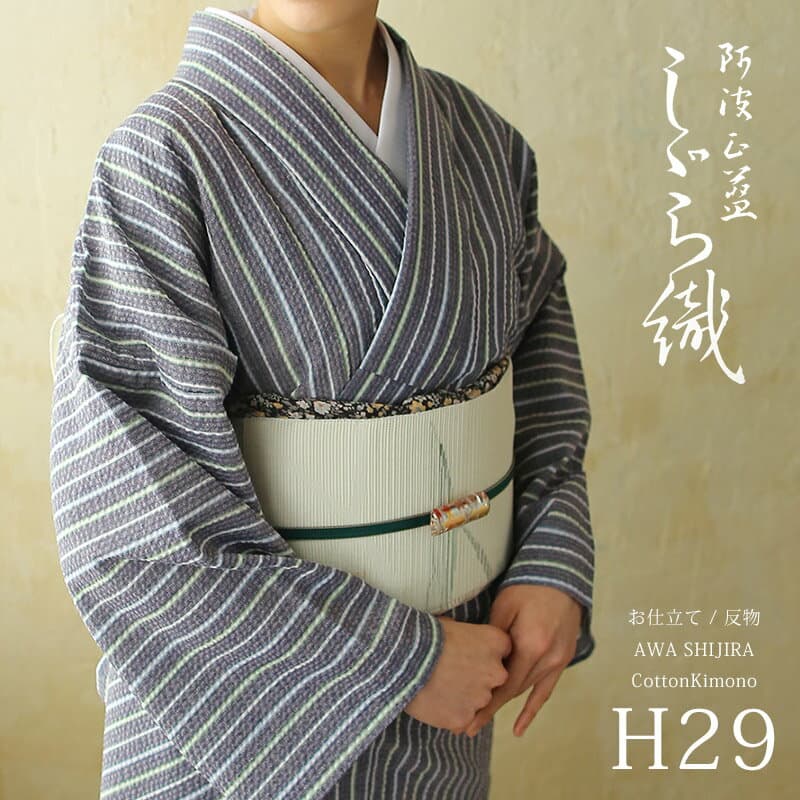
阿波しじら織り 木綿 着物 夏着物 浴衣 コットン着物 単衣きもの《反物/お仕立て》藍グレー地に翡翠双子縞 No.H29 【受注生産】【NA】
No. H29, indigo-gray with jade twin stripesふだんきものハイムラヤ
4.8 / 6 reviews
 3 images
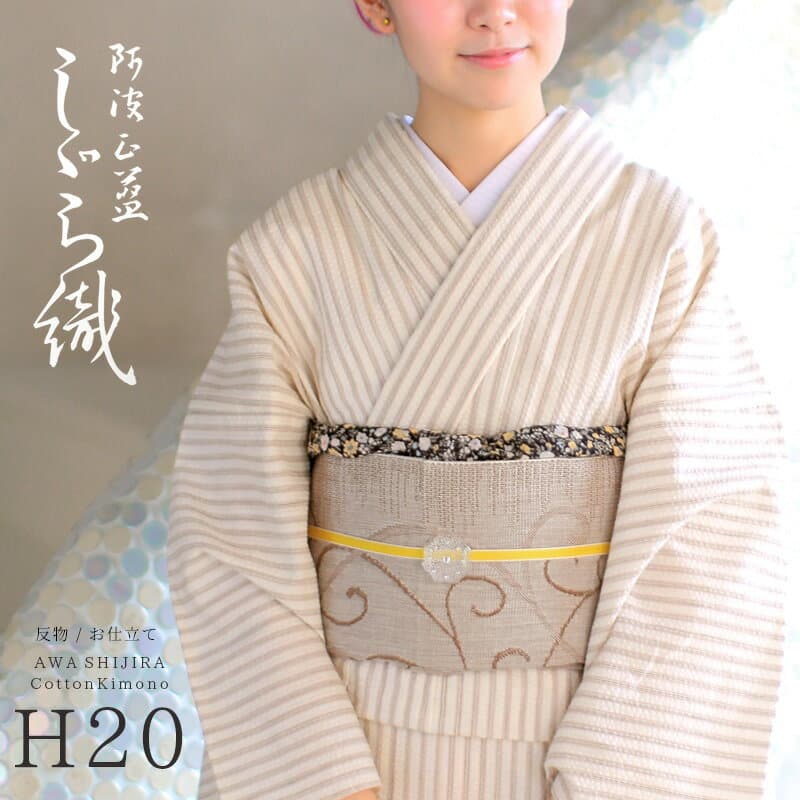
阿波しじら織り 木綿 着物 夏着物 浴衣 コットン着物 単衣きもの《反物/お仕立て》薄生成りに桃茶縞 No.H20【受注生産】【NA】
light ecru with pink-brown stripes No. H20ふだんきものハイムラヤ
4.9 / 7 reviews
First time buying on Rakuten? How residents in Japan order →
All 4 listings of this product on Rakuten, lowest price first.
| Listing | Price | Shop | Reviews | Open listing |
|---|---|---|---|---|
Awa Shijira Ori Cotton Fabric Cut 38cm x 1mLowest price | ¥1,450 | ふだんきものハイムラヤ | 4.8 / 98 reviews | View on Rakuten → |
Wasui-ya Men's Awa Shijira Weave Indigo-Dyed Jinbei Most reviewedGift-ready | ¥6,930 | 和粋家-甚平 作務衣メーカー直販店 | 4.6 / 101 reviews | View on Rakuten → |
Awa Shijira-ori Cotton Summer Kimono No. H29, indigo-gray with jade twin stripes | ¥16,500 | ふだんきものハイムラヤ | 4.8 / 6 reviews | View on Rakuten → |
Awa Shijira-ori Cotton Summer Kimono / Yukata light ecru with pink-brown stripes No. H20 | ¥36,500 | ふだんきものハイムラヤ | 4.9 / 7 reviews | View on Rakuten → |
Japanese · new tab
In Tokushima, Awa shijira-ori begins with touch. The cotton cloth carries shibo, a fine uneven surface made by tension differences between warp and weft. Because the raised texture leaves less cloth against the skin, it has long suited warm-weather clothing that feels light and does not cling easily when the wearer sweats.
A commonly told beginning places the cloth in Atake village in 1856. Weaver Kaifu Hana saw an outdoor cotton kimono caught in a shower; the part woven with a thread-count mistake had shrunk into a pleasing uneven pattern. Through repeated trials, she adjusted thread tension until that accidental surface became a controlled woven effect. In 1869, cotton-goods merchant Abe Jubei gave the cloth the name Awa shijira-ori.
The surface is made inside the weave. One structure combines plain-woven sections with grouped-warp sections: six warp threads pass separately in the plain part, while six warp threads are drawn together as two groups of three in the grouped part. The difference in tension creates varied shibo. The pattern depends on calculated arrangements of warp and weft, with the raised surface formed during weaving.
The raised cotton surface changes how the fabric touches the body. Shibo reduces the area resting against the skin, so the cloth feels airy, light, and comfortable in humid weather. That hand-feel has made the textile useful for summer clothing and cool-biz wear; when sweat appears, the cloth is valued because it does not cling flat to the skin.
Awa indigo belongs to the dyed expression of the cloth, while the shijira texture comes from weaving tension. The indigo-dyed form called Awa shoai shijira-ori was later named a national traditional craft. The pairing is precise: blue from Awa indigo, relief from the woven shibo.
Awa shijira-ori developed mainly as fabric for kimono and jinbei. As demand for kimono declined, the technique moved into shirts, blouses, dresses, stoles, hats, neckties, bags, noren, coasters, and table centers. Those newer forms keep the same tactile center: cotton cloth shaped by shibo for garments and rooms where a light surface matters.
In Tokushima City, the Awa Shijira-ori Cooperative and member workshops keep the process visible: spun yarn is dyed, set on machines, and woven until shijira appears. The cooperative includes Okamoto Orifu Factory, Awa Yuzen Factory, and Nagao Orifu among its members. Nagao Orifu was founded in Meiji 30, and older early-Showa machines are still active there; member factories also connect indigo-dyeing experiences with the working textile setting.
Awa shijira-ori holds together a rain-wet cotton kimono in Atake, calculated warp tension, Awa indigo color, and the machine rooms of Tokushima City. Its durable appeal sits in the raised surface itself: shibo makes cotton feel cool, and that touch carries from kimono and jinbei into shirts, stoles, noren, and small interior pieces.
Compiled from public records and official sources; see the recognition links below. Details may change over time.
Where this product is officially registered, designated, or recognized in Japan.
Regional collective trademark
Registered as a Regional Collective Trademark with the Japan Patent Office.
Sources1
It is written as 阿波しじら織 in Japanese. Search Rakuten and other Japanese sites with that spelling — the English name will not bring up the listings.
Awa shijira-ori is a Tokushima cotton textile marked by shibo, a raised, uneven surface formed by warp and weft tension differences. A commonly told origin traces it to Kaifu Hana of Atake village in 1856, inspired by a rain-soaked cotton kimono's shrink pattern. Shibo keeps less cloth against skin, suiting summer wear, and Awa indigo colors the Awa shoai shijira-ori variant. Uses range from kimono and jinbei to shirts, dresses, stoles, hats, bags, noren, and coasters.
The shibo surface is formed by differences in tension created through warp and weft thread counts and combinations. In 1869, cotton-goods merchant Abe Jubei gave the cloth the name Awa shijira-ori. Awa shoai shijira-ori, made with natural Awa indigo, was designated a national traditional craft in 1978. The Awa Shijira-ori Cooperative includes Okamoto Orifu Factory, Awa Yuzen Factory, and Nagao Orifu among its members.
Tokushima Prefecture describes the raised shibo as reducing contact with the skin, helping the cloth feel light and cool, and suiting summer cool-biz wear since it does not cling when the wearer sweats. The textile developed mainly as fabric for kimono and jinbei before later expanding to other types of clothing. In Tokushima City, visitors can watch production from dyed spun yarn through machine work to the finished shijira cloth, and the cooperative and its member workshops also offer dyeing-related experiences.
Naturally dyed textiles shed some colour on first wash. Hand-wash separately with a neutral detergent, avoid long soaking and bleach, and dry in the shade to prevent fading. Silk, ramie, and traditionally dyed pieces often need professional cleaning — the care label on the listing takes precedence.
Most options are shelf-stable, boxed, and travel well, so they suit gifting or bringing home. Confirm the final storage and delivery terms on the Rakuten listing.
On Rakuten: the shops listed here right now are ふだんきものハイムラヤ, 和粋家-甚平 作務衣メーカー直販店. We don't sell directly; purchase, payment, stock, and delivery are all handled on the Rakuten product page.