Japanese Seafood by Region: Fish, Crab, Oysters, Uni, Nori and Dried Goods
Kind before region: fresh fish is about handling, crab and oysters about season, nori and dried goods about processing.
Sort out the kind first, then the sea
“Japanese seafood” is several quite different things, each judged by a different standard: fresh fish by catch method and handling after landing, crab, shrimp and shellfish by season and tags, seaweed and dried goods by processing. Learn the kind first, and the region starts to mean something.
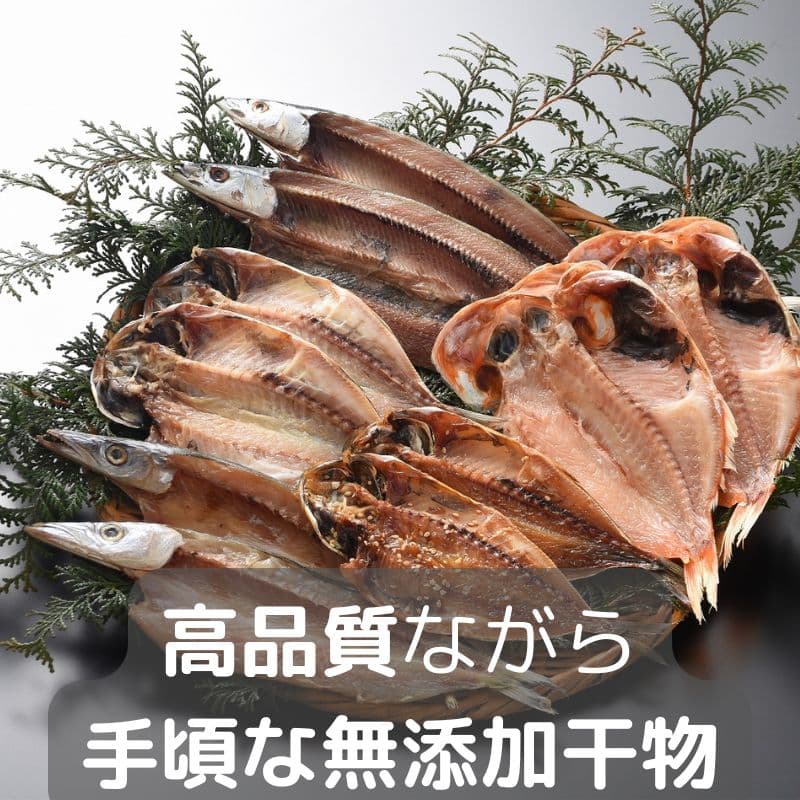
Fresh fish is sold whole, and a good port finishes it with ikejime and nerve removal so it arrives at sashimi grade; crab, shrimp and shellfish mostly land alive or in the shell, with a season concentrated in a few months; the edible part of a sea urchin is the gonad inside the shell, and much of it is bottled. Seaweed covers nori, salted wakame, dried hijiki and kombu, and agar boiled out of tengusa; dried goods are fish split open and dried, small fish boiled then dried, and katsuobushi that is smoked and mould-cured; fish paste is surimi steamed or fried into kamaboko.
The same split decides what can be delivered: the first groups need chilled or frozen delivery, while most seaweed and dried goods travel at room temperature.
Fresh fish: what a strait does to a fish
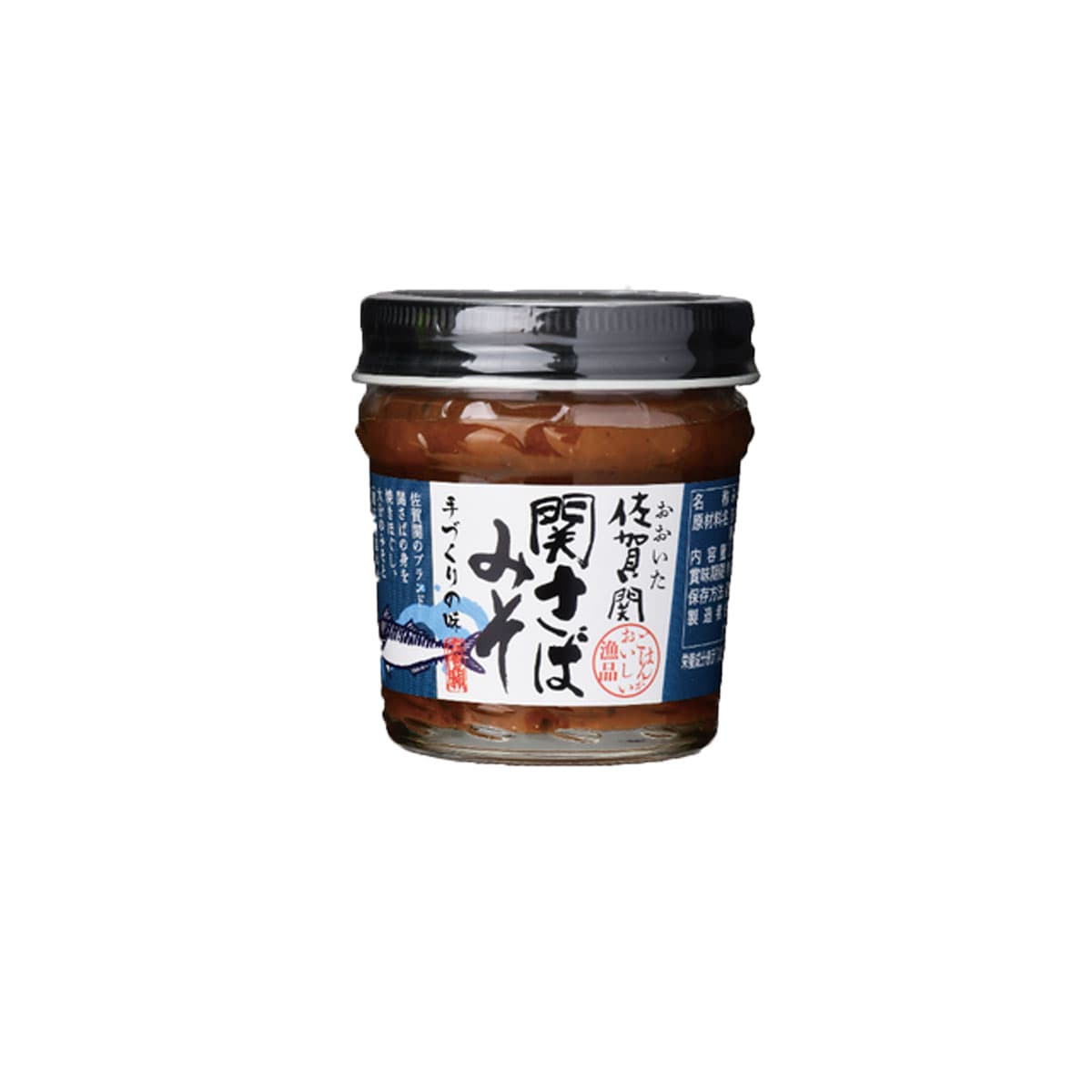
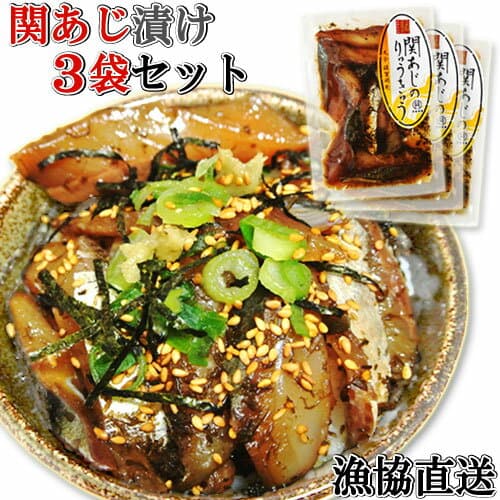
A fresh-fish brand is a combination of sea area, landing port, catch method and handling. Seki saba mackerel is true mackerel caught in the Hayasui Seto and landed at Saganoseki in Oita City: pole-and-line caught, brought back alive in boat tanks, sized from the water surface by menkai so it is never bruised on a weighing scale, rested a day and then finished by ikejime and nerve removal one fish at a time. Its season is December to March.
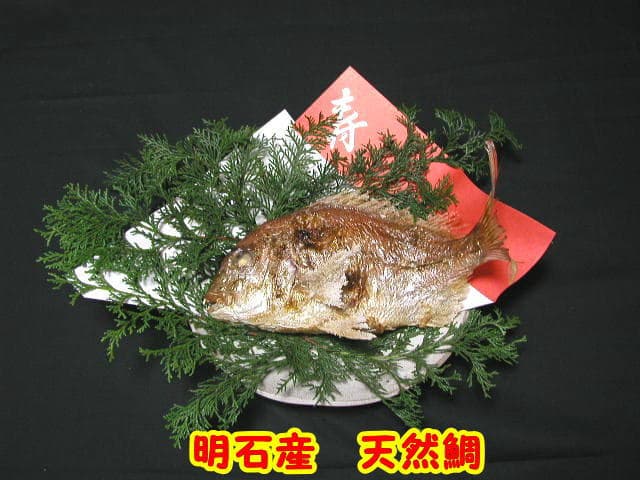
Akashi sea bream comes from the Akashi Strait between Akashi and Awaji Island, where fast tides lift nutrients and feed shrimp, crab and ikanago; swimming that current firms the flesh, and Akashi-ura market trades most of it alive. Spring fish are called sakura-dai, autumn fish fattened on shrimp and crab are called momiji-dai.
Oma tuna is wild bluefin landed at Oma in Aomori, where the Tsugaru Strait joins the Sea of Japan and the Pacific; the season runs from around August to January. Boats fish by single line by day and longline by night, and any fish of 30 kg or more carries a sticker whose serial number links it to the boat, the date and the method.
Crab, shrimp, shellfish and uni: read the season and the tag
Echizen crab is snow crab landed at ports in Fukui; the male is called kata-gani, the female seiko-gani. The grounds are one to two hours from port, so the crab arrives alive, wearing a yellow tag stamped with its landing port; the fishery opens on 6 November, and only then do crab dishes begin around the prefecture.
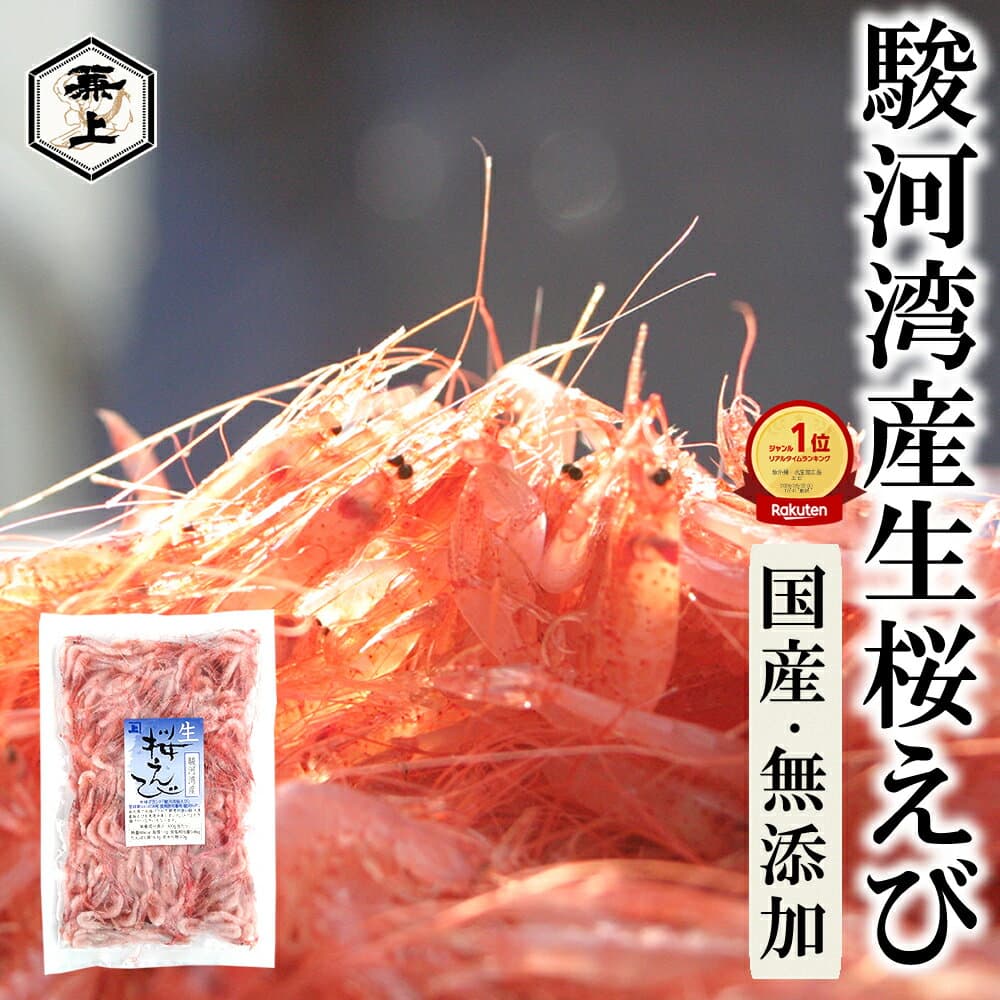
Suruga Bay sakura shrimp comes from Yui in Shizuoka City. Suruga Bay is where sakura shrimp fishing is permitted in Japan, and the fishery began with shrimp accidentally caught in a horse mackerel net in 1894; the resource is limited, so licensed fishers work only in spring and autumn.
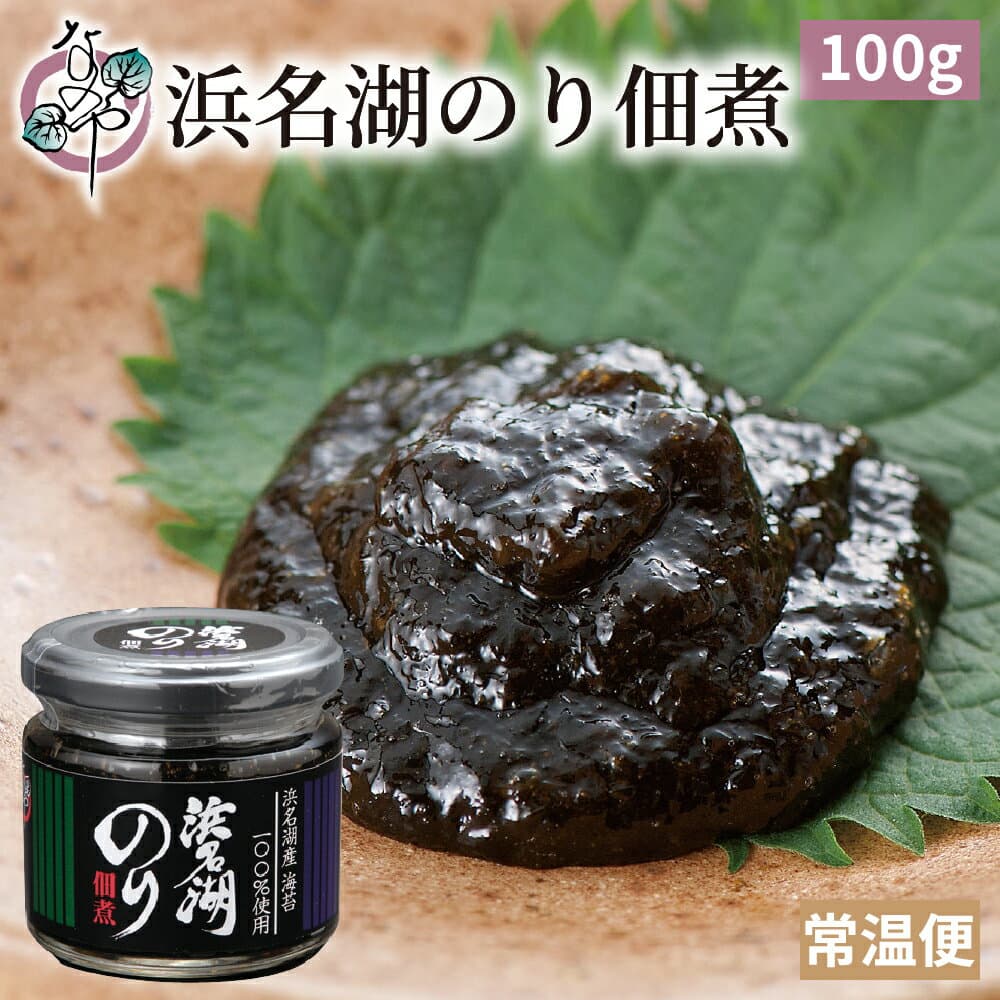
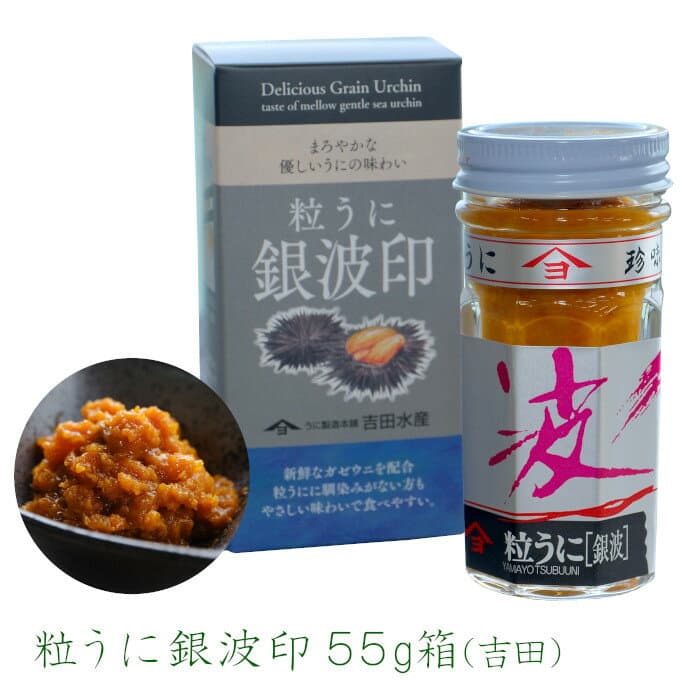
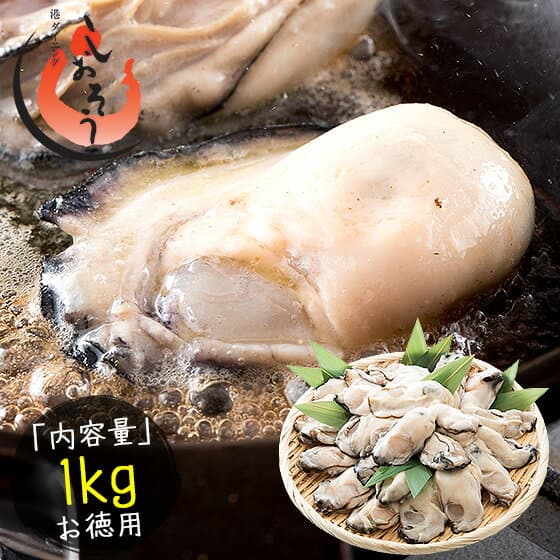
Shellfish and uni are about the bay and the month. Hiroshima oysters are raised in northern Hiroshima Bay, where nutrients from the Ota River feed plankton; suspended-raft culture spread after 1953, and the meat is fullest from December to February. Shimonoseki uni is sold mostly bottled or as tsubu-uni; the June bafun uni catch goes to bottling, and Yamaguchi makes about four tenths of Japan's bottled uni.
Fugu and farmed fish: the place is a system
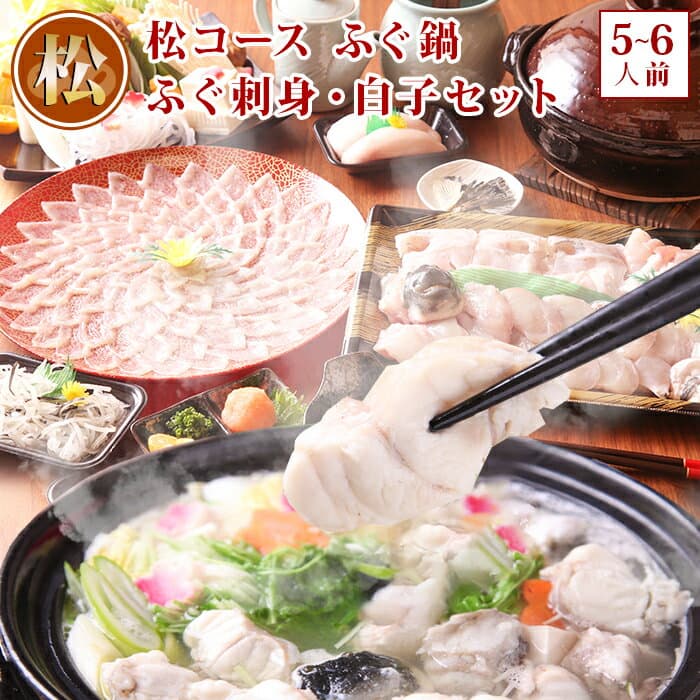
With fugu, the value of a place lies in its handling system. Shimonoseki fugu faces the Genkai Sea, the Seto Inland Sea and the Kanmon Strait; the city handles more fugu than anywhere else in Japan and has a rare wholesale market devoted to it. Restaurants multiplied after Yamaguchi permitted the eating of fugu in 1888, Nanpudomari Market opened in 1974, and the techniques for removing the toxic parts and shipping by grade all year built up there; the name was registered as a geographical indication in 2016.
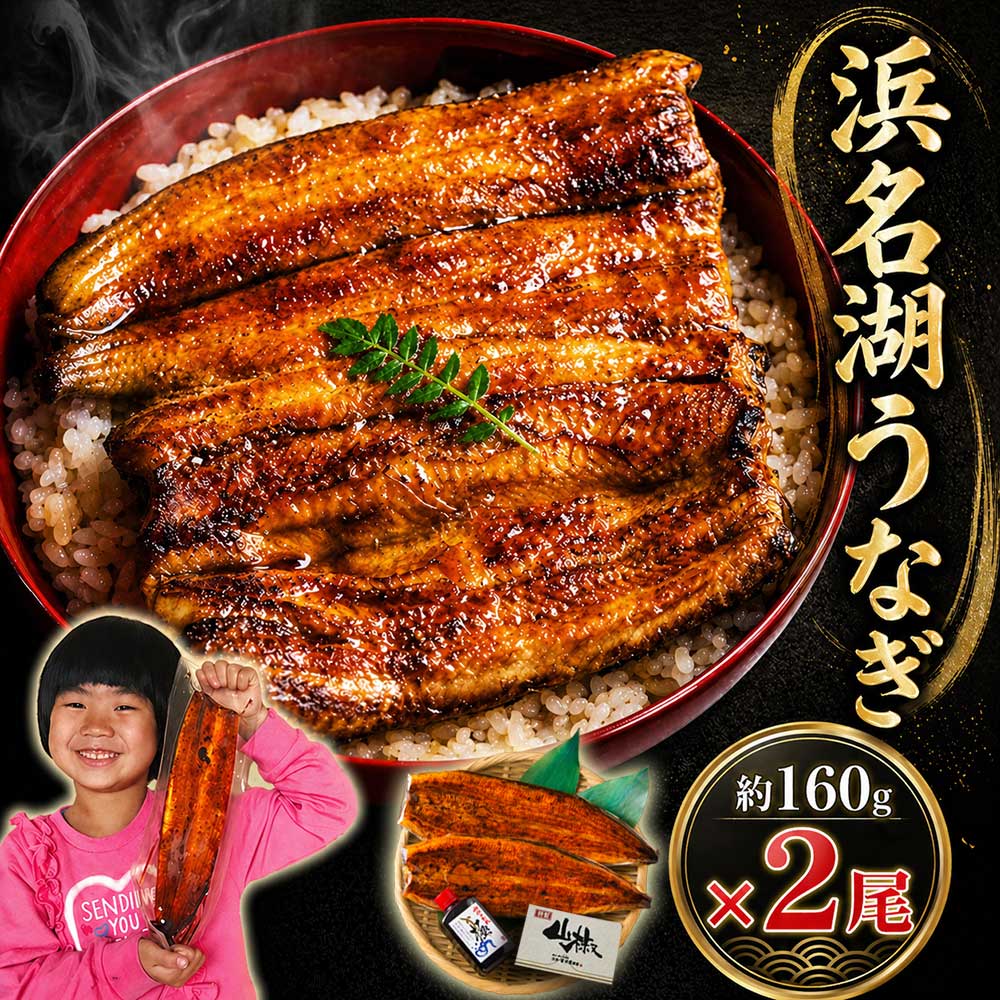
A farmed brand is written in its rearing rules. Lake Hamana eel is Japanese eel raised by cooperative members around the lake in Hamamatsu and Kosai, with more than half its rearing days spent there; the lake is brackish, and glass eels gather in it and at the mouth of the Tenryu River. Pond culture succeeded at Maisaka in 1900, the cooperative was founded in 1949, and the eel ships live, as shirayaki or as kabayaki.
Seaweed, dried goods and fish paste: the half that travels
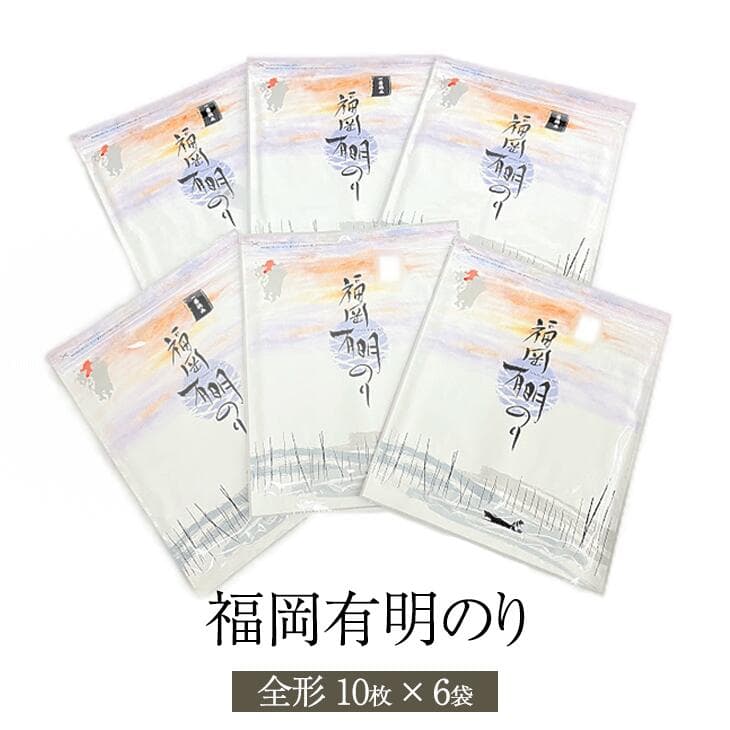
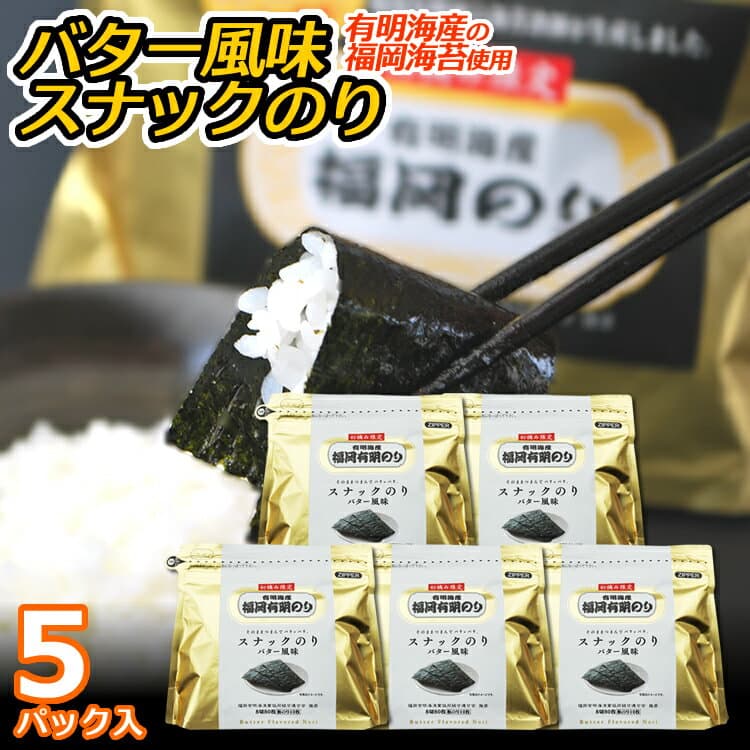
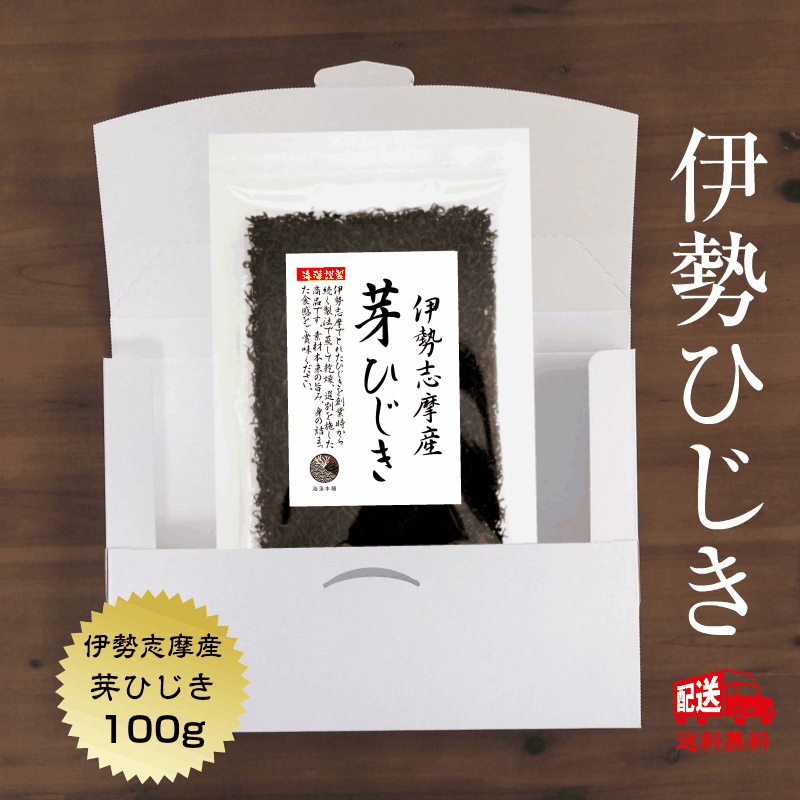
Fukuoka Ariake nori grows on the Ariake Sea in southern Fukuoka, where the tidal range is up to six metres; nets on support poles emerge at low tide, and this exposure, kanshutsu, makes the nori tender and lets its umami dissolve more readily. Harvest runs from November to March, and the sheets are dried. Ise hijiki is cut from the rocky shores of Ise-Shima at low tide between March and May; the Ise method dries it, washes and desalts it, steams it at high temperature and dries it again. Stems are naga-hijiki, the scarcer leaf is me-hijiki.
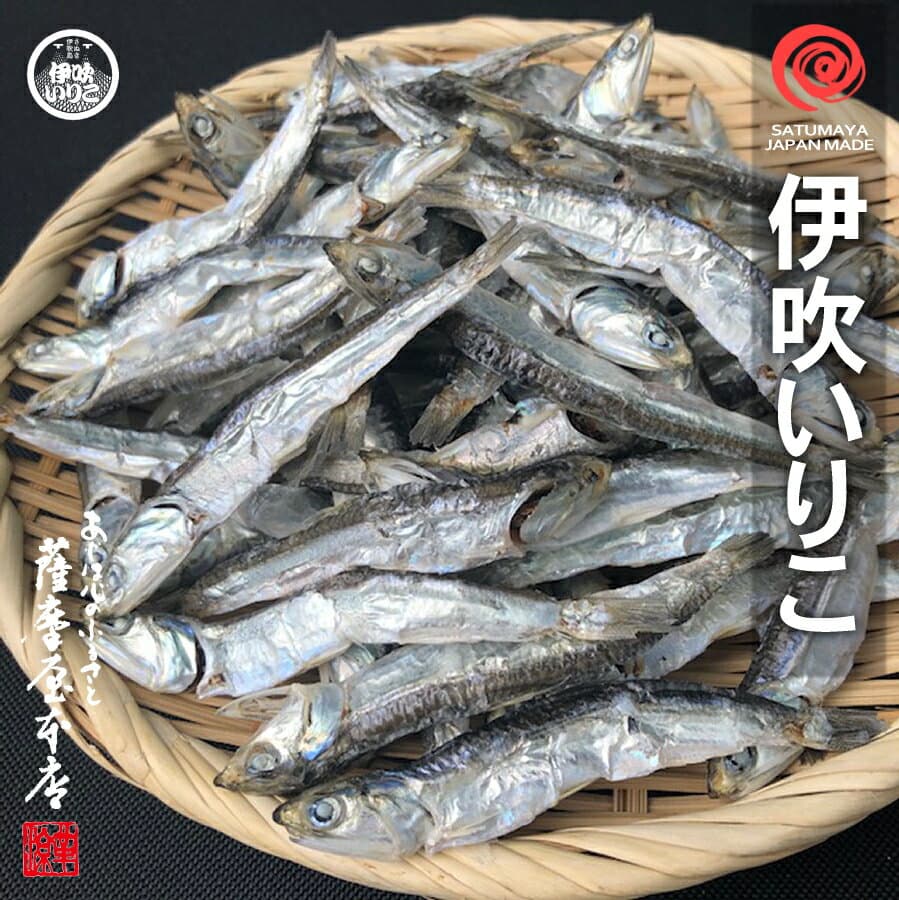
Makurazaki katsuobushi comes from the southern tip of the Satsuma Peninsula and accounts for about half of Japan's output; local memory dates the boiling-and-drying method to Mori Yahei in 1707. Smoke-dried bonito is arabushi, and only after repeated mould-curing and sun-drying does it become honkarebushi. Ibuki iriko are anchovies caught off Ibuki Island in Kagawa and boiled and dried on the island, graded by size as ooba, chuba, koba and kaeri; they are the base of Sanuki udon broth.
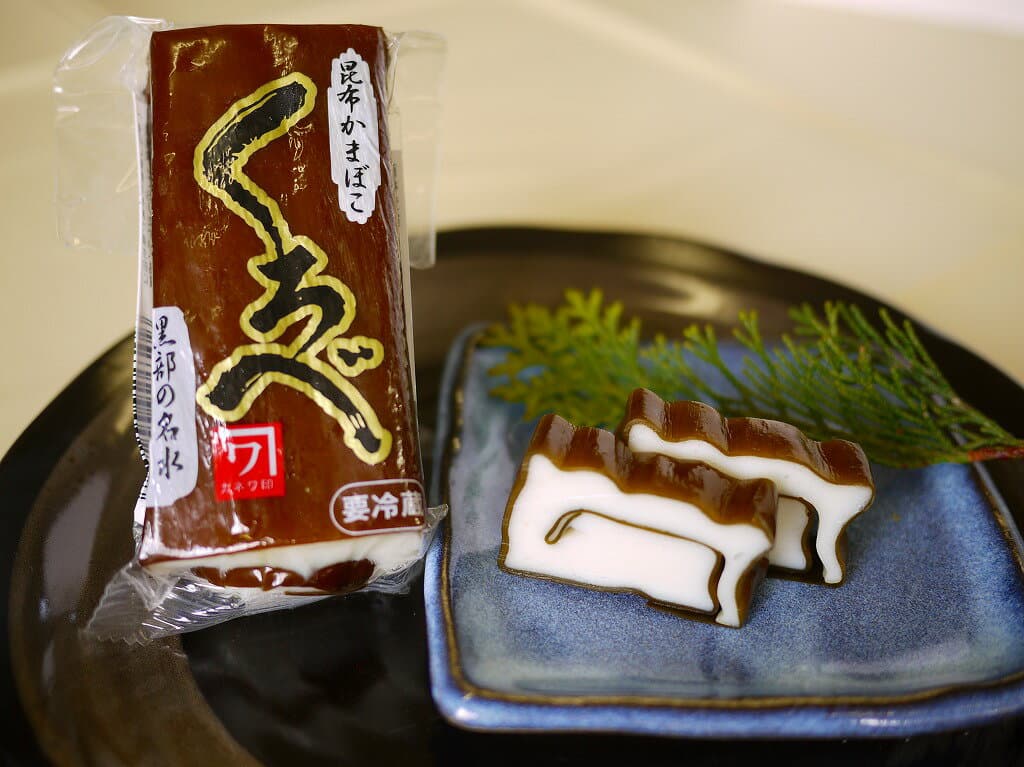
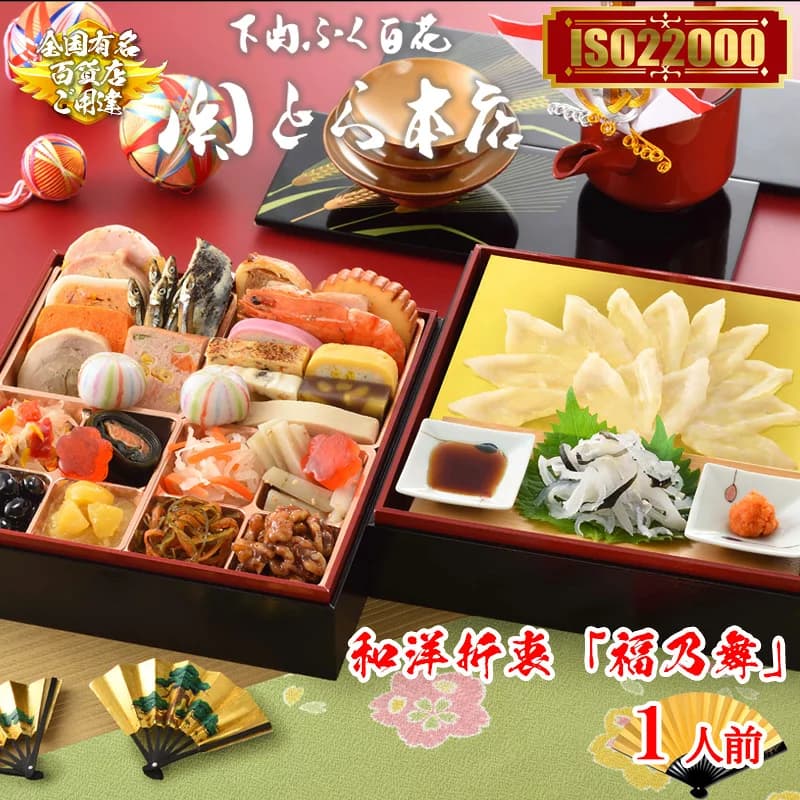
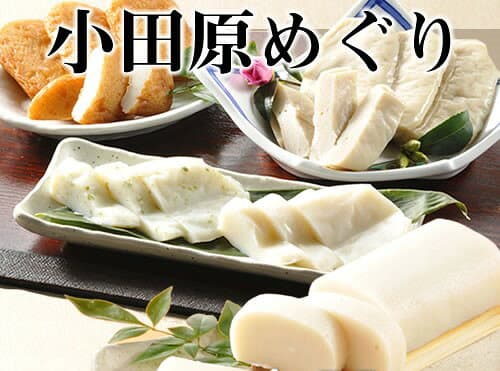
Fish paste is about the surimi and the heat. Odawara kamaboko is seasoned white-fish surimi shaped on a wooden board and steamed: rinsed in water, ground with salt in a stone mortar, strained, formed and steamed at about 90°C. The result is white, fine-grained and springy, and a fixture of New Year osechi.
How to choose, and what will actually reach you
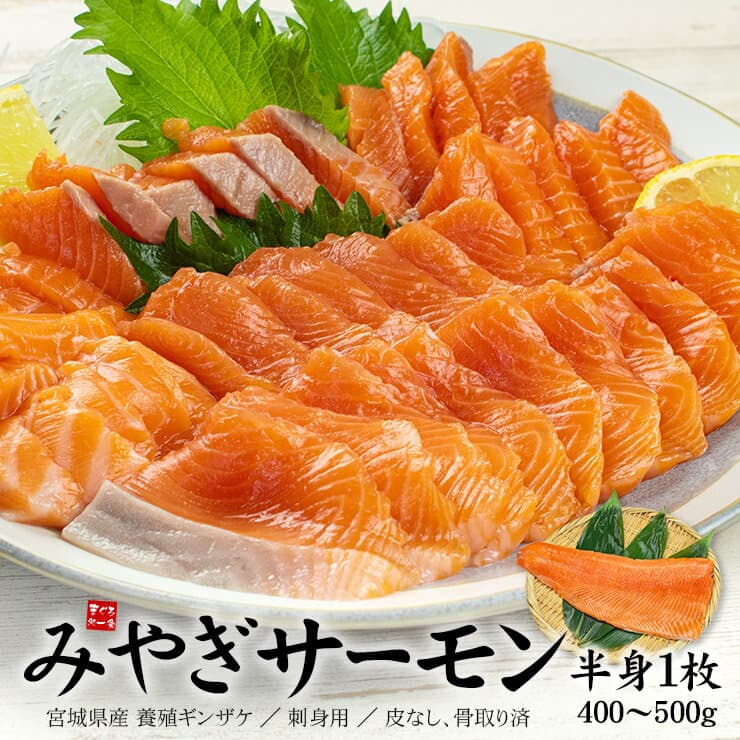
Start with the rule behind the name. Most of these brand names have a written boundary: Seki saba mackerel is only the fish from the Hayasui Seto landed at Saganoseki, the yellow tag on Echizen crab is stamped with the landing port, and Oma tuna carries a sticker only from 30 kg. For fresh fish and crab, the tag, the landing port and whether it was ikejime-handled tell you more than the adjectives; then check the calendar: Echizen crab from 6 November, Hiroshima oysters from December to February, Seki saba from December to March, sakura shrimp in spring and autumn. Out of season, what is on offer is mostly frozen or processed.
Then check how it ships. Dried nori, dried hijiki, katsuobushi and iriko go at room temperature, weigh little and keep well, which makes them the realistic group for readers outside Japan; uni that is sent at all is usually bottled rather than fresh. Kamaboko and eel kabayaki normally travel chilled or frozen; live crab, fresh fish, oysters in the shell and fresh uni move only within Japan by chilled or frozen courier. Before ordering, read whether the shop lists room-temperature, chilled or frozen delivery, and whether it delivers to your prefecture.
Finally, convert the price: dried goods by 100 g, nori by the number of sheets, crab by the weight of each crab and whether it is whole or legs only. The shelf price alone misleads.
 3 images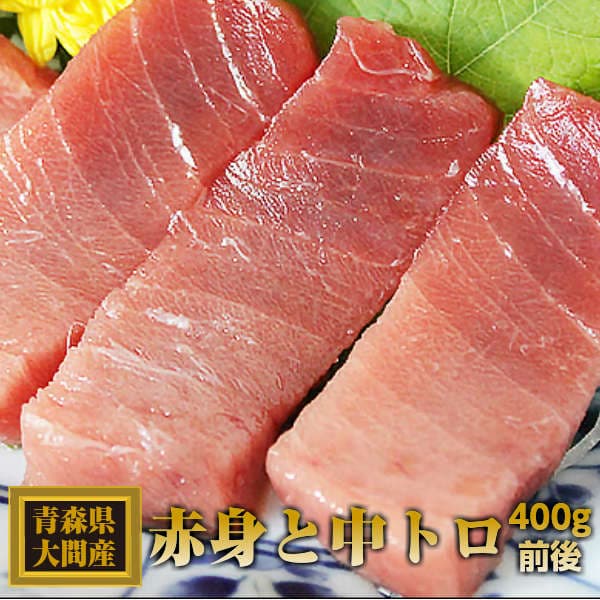

 3 images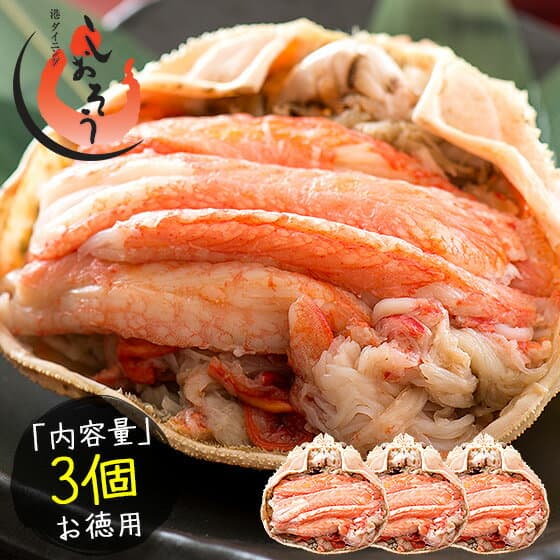




 3 images


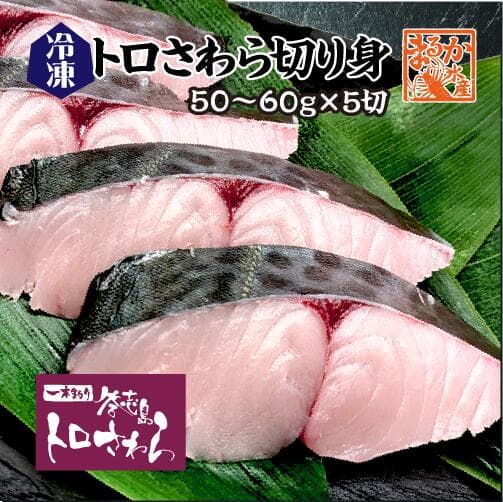
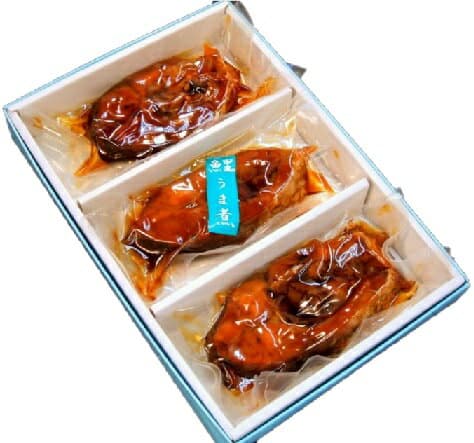
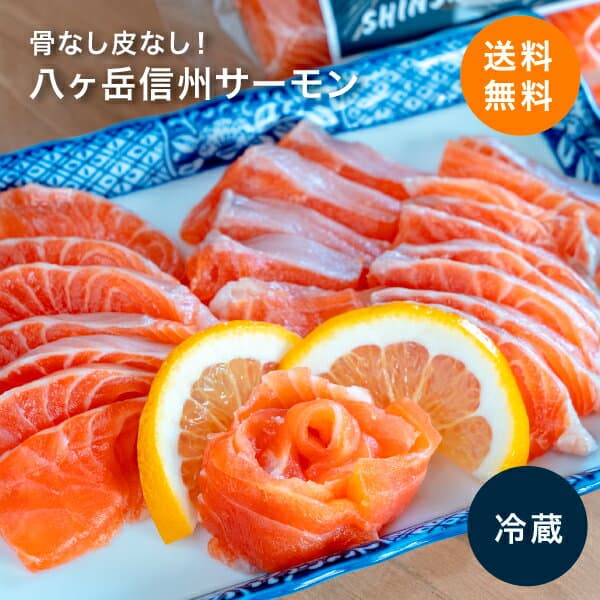
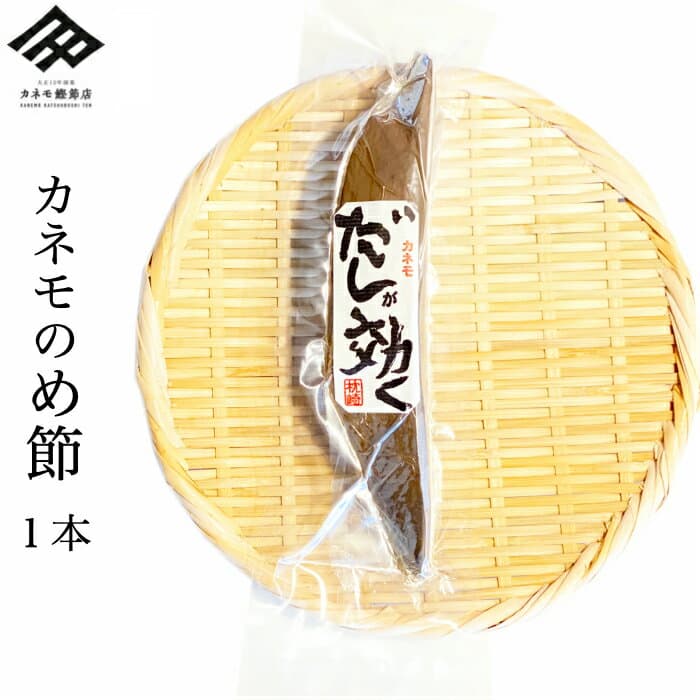


Selected automatically by category and price. Confirm individual wrapping, piece count, and best-before dates on the Rakuten listing.
Continue to prefectures
Shizuoka
Shizuoka is a useful starting point for distinctive local specialties.
Fukui
Fukui is a useful starting point for distinctive local specialties.
Hyogo
Hyogo is a useful starting point for distinctive local specialties.
Oita
Oita is a useful starting point for distinctive local specialties.
Fukuoka
Fukuoka is a useful starting point for distinctive local specialties.
Aomori
Aomori is a useful starting point for distinctive local specialties.
Related buying guides
FAQ
Which Japanese seafood can be shipped at room temperature?
Dried nori, dried hijiki, katsuobushi and iriko mostly ship at room temperature and are the ones to take abroad. Kamaboko and eel kabayaki usually need chilled or frozen delivery; live crab, fresh fish, oysters in the shell and fresh uni move only within Japan by chilled or frozen courier, and uni that is sent at all is usually bottled.
What makes Echizen crab different from other snow crab?
Echizen crab is snow crab landed at ports in Fukui, with a yellow tag stamped with the landing port; the grounds are one to two hours from port, so it arrives alive, and the season opens every year on 6 November. The top tier, Echizen-gani Kiwami, requires at least 1.3 kg, a 14.5 cm shell and 3 cm claws.
Why does Seki saba mackerel cost more than ordinary mackerel?
The name is reserved for true mackerel caught in the Hayasui Seto and landed at Saganoseki. Pole and line, live boat tanks, menkai sizing so the fish is never bruised on a weighing scale, a day of rest and then ikejime and nerve removal one fish at a time: every step is by hand, which shows in the price and is what lets it be served as sashimi.
What is the difference between arabushi and honkarebushi?
Bonito that has been cut, boiled, deboned, shaped and smoke-dried is arabushi; shaved clean, it is hadakabushi; only after repeated mould-curing and sun-drying does it become honkarebushi. At Makurazaki, honkarebushi takes about three months on average and up to a year, and the town makes about half of Japan's katsuobushi.