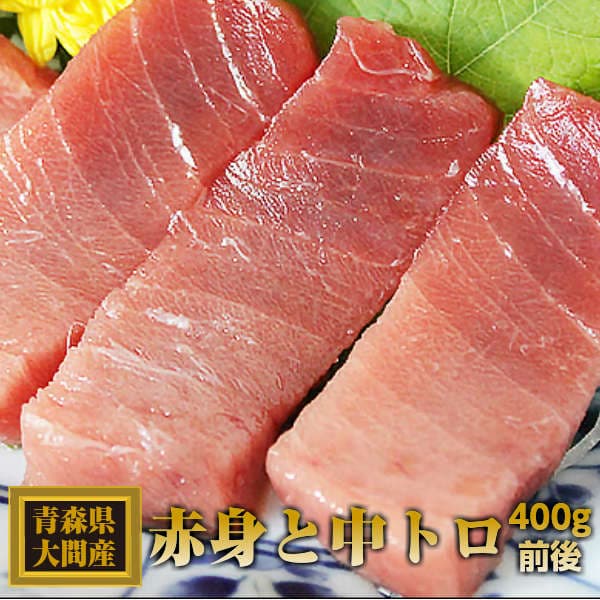
Aomori Oma Bluefin Tuna Akami & Chutoro Sashimi Set
青森県 大間産本マグロ 赤身と中トロセット 各200g前後(合計400g前後) 大間 マグロ まぐろ 鮪 刺身 ギフト 柵 | 青森 お土産 青森県産 お取り寄せグルメ 大間まぐろ 内祝い おつまみ 酒のつまみ プレゼント 贈り物 本マグロ 赤身 海鮮 父の日
Approx. 200g each (400g total)青森黒にんにく ためのぶストア
4.8 / 8 reviews
Japanese name大間まぐろ
At the northern tip of Aomori’s Shimokita Peninsula, nearby fishing grounds, cold-season water, line fishing, and quick chilling shape the bluefin tuna landed in Oma.
Information last updated 120 days ago
青森県 大間産本マグロ 赤身と中トロセット 各200g前後(合計400g前後) 大間 マグロ まぐろ 鮪 刺身 ギフト 柵 | 青森 お土産 青森県産 お取り寄せグルメ 大間まぐろ 内祝い おつまみ 酒のつまみ プレゼント 贈り物 本マグロ 赤身 海鮮 父の日
Approx. 200g each (400g total)青森黒にんにく ためのぶストア
4.8 / 8 reviews
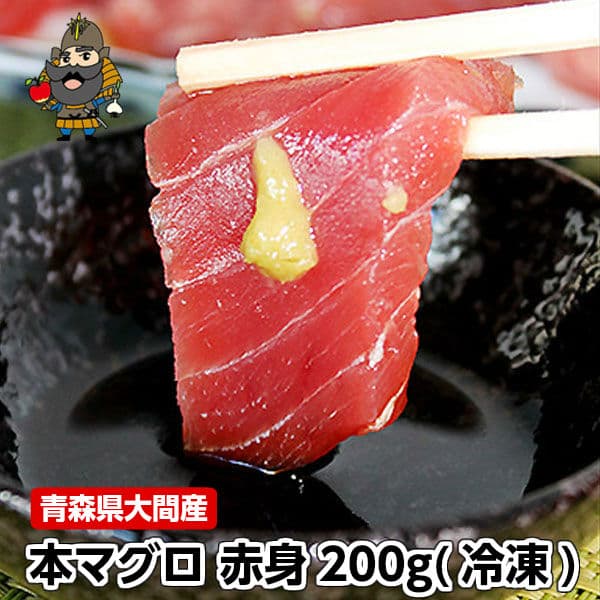
大間マグロ 青森県 大間産本マグロ 赤身 200g前後(約2人前) 大間 まぐろ マグロ 鮪 刺身 ギフト 柵 | 青森 お土産 青森県産 お取り寄せグルメ 冷凍 土産 東北 内祝い プレゼント ご当地 お取り寄せ 本マグロ 魚 酒の肴 マグロ赤身 本まぐろ 酒のつまみ 父の日
Approx. 200g (about 2 servings)青森黒にんにく ためのぶストア
4.7 / 3 reviews
大間まぐろ 中トロ大間まぐろ、マグロ、セット、送料無料、ギフト、お歳暮、お中元、お祝い、贈り物
200gKANEHO楽天市場店
4.7 / 3 reviews
First time buying on Rakuten? How residents in Japan order →
Oma sits at the northern end of Aomori’s Shimokita Peninsula, with the Tsugaru Strait along its northern and western edges. Oma maguro means natural hon-maguro, or bluefin tuna, landed in this town. Its character begins close to shore: the strait links the Sea of Japan and the Pacific, while the Kuroshio, Tsushima, and Chishima currents help bring plankton, squid, and sardines into the waters off Oma Cape. From around August to January, and especially as the water cools in autumn and winter, larger tuna with more developed fat become common. Single-line fishing by day, longline fishing by night, and quick bleeding, ikejime-style handling, washing, and ice-water chilling on deck carry that sea setting into the red meat and fat.
Oma is at the northern tip of Honshu, facing Hakodate across the Tsugaru Strait at a shortest distance of about 17.5 kilometers. The town has a cool climate, with an average annual temperature around 10°C, and fishing is one of its core industries. The strait connects the Sea of Japan with the Pacific, and the Kuroshio, Tsushima, and Chishima currents flow into it. Plankton gathers there, thick-bodied squid and sardines are landed there, and those smaller creatures become food for bluefin tuna. The fishing ground around five kilometers off Oma Cape is daily working water for the port, not a distant backdrop.
The Oma maguro season usually runs from around August to around January. As the water temperature falls in autumn and winter, larger tuna appear more often and their fat improves. The bluefin tuna landed in Oma is tied to firm flesh and fine fat in this season. Fisherman Kaoru Takeuchi points to late November into December as a period when the tuna continue to put on fat, and he connects the nearby fishing grounds with the freshness of the fish at landing. Month, water temperature, fish size, and fat all work together in the seasonal shape of Oma maguro.
Oma tuna fishing is mainly done by single-line fishing during the day and longline fishing at night. Single-line fishing uses one baited line to bring in one fish; longline fishing lowers many hooked branch lines from a long main rope. Compared with net fishing, these methods are less likely to damage the body of the tuna, and they allow fishers to bleed and handle the fish before it weakens. Line, hook, timing, and work at the side of the boat become part of the freshness of Oma maguro.
A hooked bluefin fights hard, and its body temperature can rise to 40°C. Yake can turn the flesh pinkish and make the texture hard. After the fish comes aboard, fishers quickly remove the gills, cut the tail, remove the viscera, wash the body in salt water, and chill it in ice water. The work on deck is plain and physical, and each step answers a concrete problem: heat, blood, seawater, and time before the fish reaches port.
The taste of Oma maguro is often remembered through the balance of red meat and fat. In autumn and winter, larger fish with better fat are common, and the fat carries sweetness; in cold months the red meat is deep red, with umami, mild acidity, and a soft texture. These details stay close to the fish itself: red meat, fat, season, water temperature, and the handling that follows the catch.
Oma had been known for single-line tuna fishing since the Showa 40s, but the movement that brought visitors to eat tuna in the town became clearer around 2000 and 2001. After the NHK morning drama Watashi no Aozora aired, Oma became more widely associated with tuna. In 2001, local volunteers began drawing visitors with tuna-cutting demonstrations, and festival activity at Oma Port added public cutting displays and fisheries viewing to the town’s visitor experience. A fish of the port became a reason for people to spend time in the town itself.
Oma maguro of 30 kilograms and up carries a cheek sticker with the Oma maguro name. The serial number on that sticker links the fish with the boat, the fishing date, and the fishing method. The small mark does not change the flavor of the red meat or fat, but it gives the name a practical boundary: one fish, one boat, one day, and one method can be identified together.
The character of Oma maguro comes from linked details: Oma at the northern end of Honshu, the Tsugaru Strait between the Sea of Japan and the Pacific, cooler autumn-winter water, daytime and nighttime line methods, deck handling with salt water and ice water, and local activity since the early 2000s that made the port a place where visitors eat tuna. Taken together, those details trace the fish from strait to boat, from boat to port, and from port to table.
Compiled from public records and official sources; see the recognition links below. Details may change over time.
Where this product is officially registered, designated, or recognized in Japan.
Regional collective trademark
Registered as a Regional Collective Trademark with the Japan Patent Office.
Sources1
It is written as 大間まぐろ in Japanese. Search Rakuten and other Japanese sites with that spelling — the English name will not bring up the listings.
Oma maguro is natural hon-maguro, or bluefin tuna, landed at Oma, on the northern tip of Aomori's Shimokita Peninsula. The Tsugaru Strait joins the Sea of Japan and the Pacific, and the Kuroshio, Tsushima, and Chishima currents bring plankton, squid, and sardines near Oma Cape. The season runs from August to January, with larger, fattier tuna common in the colder autumn and winter. Daytime single-line fishing, nighttime longline fishing, and quick onboard handling support its freshness, red meat, and fat.
Oma is on the northern tip of Honshu, on the Shimokita Peninsula, with its north and west sides facing the Tsugaru Strait. Waters about five kilometers off Oma Cape hold plankton, squid, and sardines, forming a feeding ground for bluefin tuna. Bluefin tuna of 30 kilograms or more carries an "Oma maguro" sticker, and a serial number links it to the boat, the catch date, and the fishing method. Single-line fishing and longline fishing are said to reduce damage to the fish and help keep it fresh.
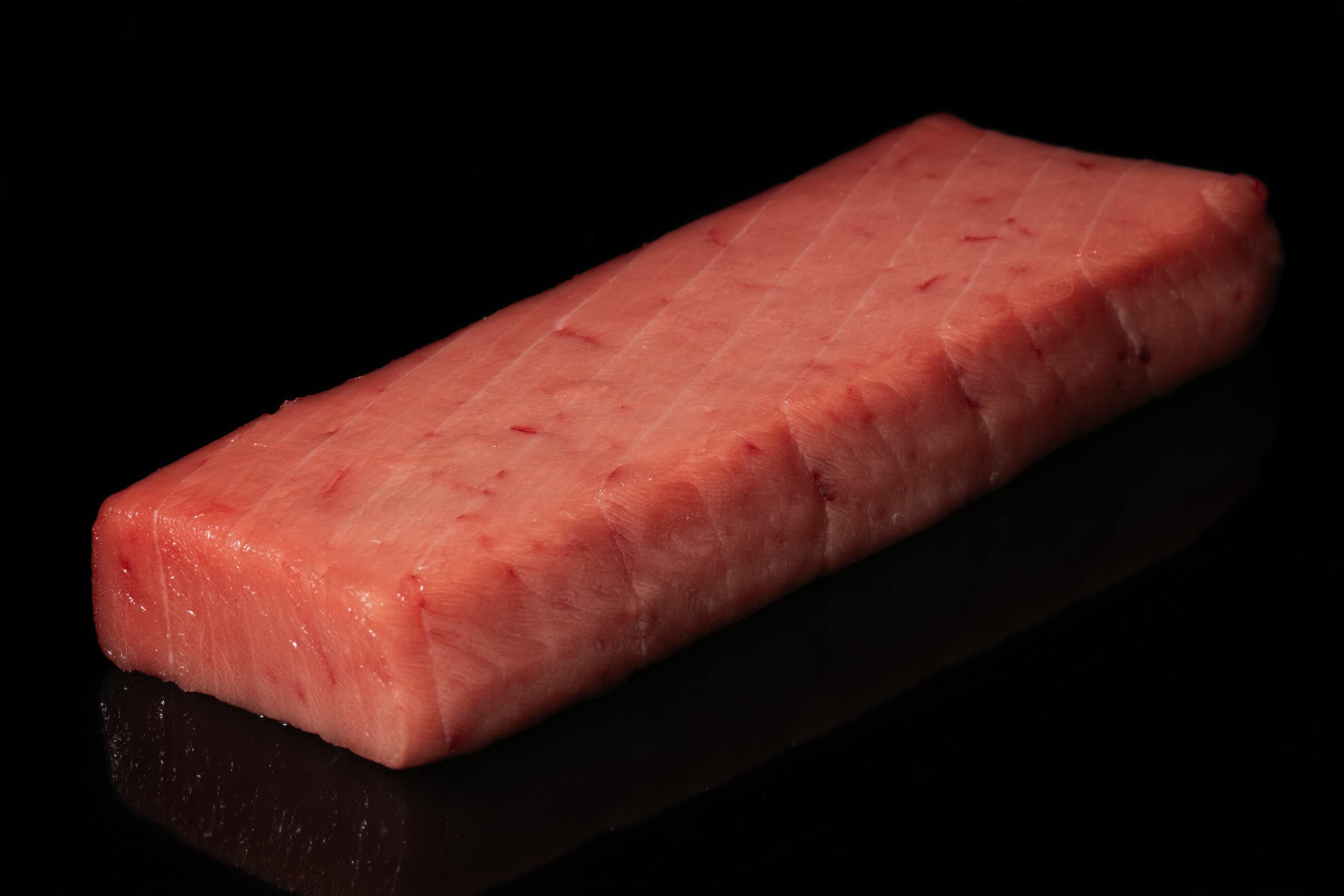
Visiting Oma in autumn and winter is a good time to taste tuna in season. In the cold season, the red meat (akami) is a deep red with umami and a slight tartness, and has a soft texture.
Storage varies by product — shelf-stable, refrigerated, or frozen — and is stated on the packaging and the Rakuten listing. Shelf-stable processed foods usually need refrigerating once opened and eating within a few days; chilled and frozen items go straight into storage on arrival. Treat the best-before date on the physical packaging as authoritative.
Most options are shelf-stable, boxed, and travel well, so they suit gifting or bringing home. Confirm the final storage and delivery terms on the Rakuten listing.
On Rakuten: the shops listed here right now are 青森黒にんにく ためのぶストア, KANEHO楽天市場店. We don't sell directly; purchase, payment, stock, and delivery are all handled on the Rakuten product page.