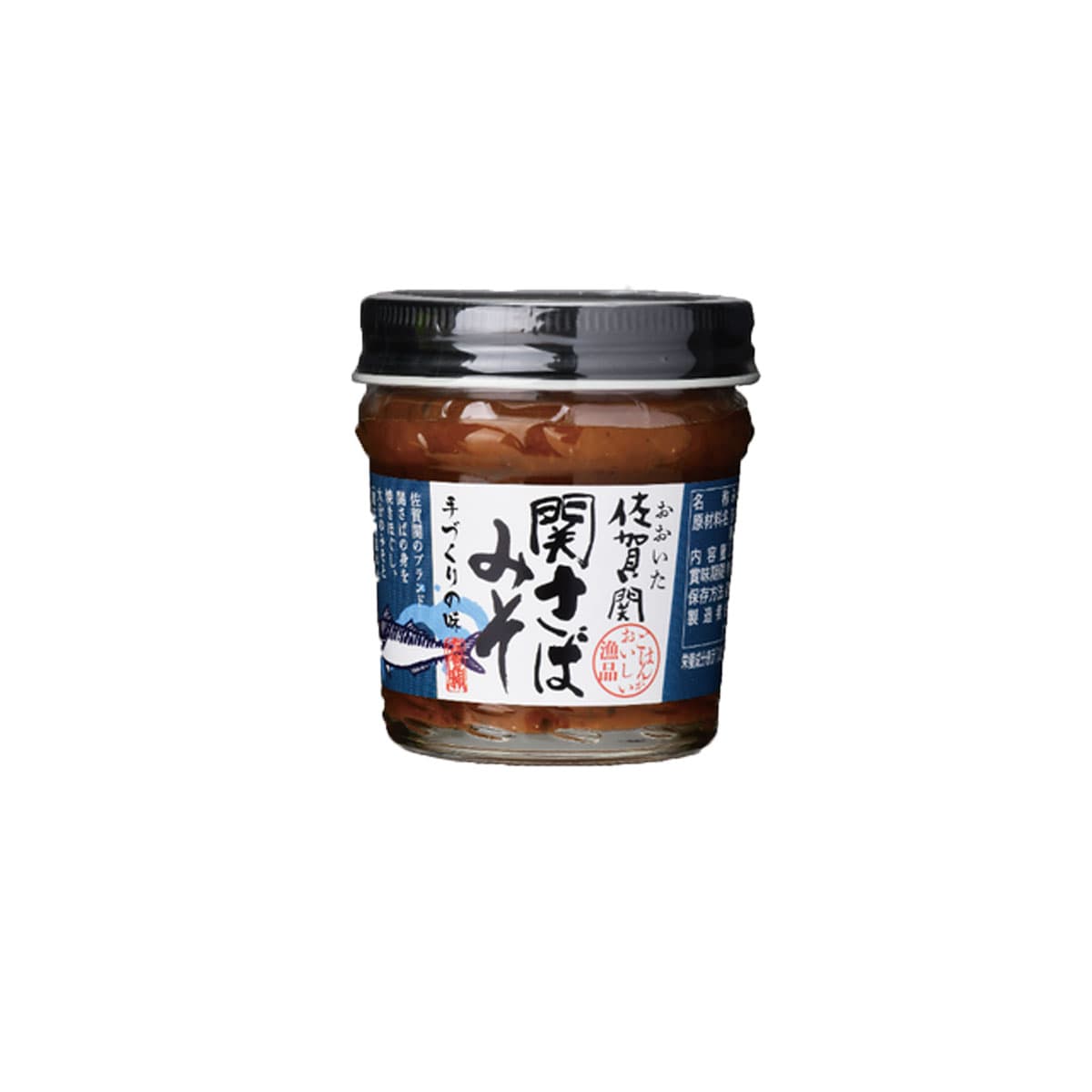
Seki Saba Miso
関さばみそ 120g 佐賀関のブランド魚「関さば」を使用 漁師町のお母さん手造り 大分県佐賀関加工グループ メーカー直送 大分県佐賀関名産品 ごはんのお供 関サバ 代引き不可
120g
九州焼酎CLUB&スナップビー
Japanese name関さば
Off Saganoseki in Oita City, fast currents and a complex seabed meet pole-and-line fishing and hand finishing. The mackerel that carries this name is often eaten as sashimi, and winter is its season.
Information last updated 160 days ago
Ordering from abroad works when the recipient has a Japanese address.
None of the listings below mentions gift wrapping in its name; check noshi and wrapping options on the Rakuten page.
関さばみそ 120g 佐賀関のブランド魚「関さば」を使用 漁師町のお母さん手造り 大分県佐賀関加工グループ メーカー直送 大分県佐賀関名産品 ごはんのお供 関サバ 代引き不可
九州焼酎CLUB&スナップビー
First time buying on Rakuten? How residents in Japan order →
Seki Saba begins in the Hayasui Seto off Saganoseki in Oita City. The strait sits between the Saganoseki Peninsula in Oita and Cape Sada in Ehime, where fast current, an uneven seabed, and abundant feed define the fishing ground. True mackerel caught there by pole and line and landed at Saganoseki carry the name. The fish is tied to a clear sea area, a species, a method, and a port.
Seki Saba is true mackerel caught by pole and line in the Hayasui Seto off Saganoseki and landed at Saganoseki. The name depends on fish species, sea area, method, and landing place, so it carries a boundary that can be traced on the map and at the port: Oita City, the Saganoseki Peninsula, Cape Sada, and the Hayasui Seto between them.
Hayasui Seto has fast current, complex seabed topography, and abundant feed. Around the Bungo Channel, water from the Seto Inland Sea and the Pacific side meets, bringing plankton into the fishing ground. Those conditions are linked to mackerel with firm flesh and good fat, the qualities that show when the fish is cut for sashimi.
Saganoseki fishers raise each fish by pole and line, then place the catch in live tanks on the boat for the return to port. Taking them one by one reduces the damage that can come from fish rubbing against nets. It also fits a fishing ground where fast current and an uneven seabed make careful handling part of the work.
At port, cooperative staff use menkai, also called tsuragai, to judge size and weight from the water surface instead of weighing the fish one by one. Newly caught fish then spend a day in a separate new-fish tank. Ikejime and nerve removal are done by hand, fish by fish, so the flesh keeps its condition before it leaves Saganoseki.
Seki Saba is often presented as sashimi, with attention on firm bite and fat that softens in the mouth. Its main season runs from December through March, and late February is connected with a local festival for Seki Aji and Seki Saba. Behind that plate is the Oita Prefecture Fisheries Cooperative Saganoseki Branch, its member fishers, and a working community facing concrete pressures: around 400 fishers, an average age of 70, aging, and climate-related poor catches.
Seen from Saganoseki, Seki Saba is built from fast water, true mackerel, pole-and-line fishing, menkai, the new-fish tank, ikejime, nerve removal, and sashimi texture. From the water between the Saganoseki Peninsula and Cape Sada to the handwork at the port, the name stays with one sea and the people who work there.
Compiled from public records and official sources; see the recognition links below. Details may change over time.
Where this product is officially registered, designated, or recognized in Japan.
Regional collective trademark
Registered as a Regional Collective Trademark with the Japan Patent Office.
Sources1
It is written as 関さば in Japanese. Search Rakuten and other Japanese sites with that spelling — the English name will not bring up the listings.
Seki saba mackerel is true mackerel caught by pole and line in the Hayasui Seto off Saganoseki in Oita City and landed at Saganoseki. The strait lies between the Saganoseki Peninsula and Cape Sada, where fast currents, a complex seabed, and abundant feed give the fish firm flesh and good fat. It is most often eaten as sashimi, and its main season runs from December through March.
Fishers catch the mackerel by pole and line and keep it alive in tanks aboard the boat on the way back to port. Menkai, or tsuragai, appraises size and weight from the water surface to avoid the damage that weighing each fish individually can cause. Newly caught fish rest for one day in a separate tank before being finished one by one with ikejime and nerve removal. The Oita Prefecture Fisheries Cooperative Saganoseki Branch manages member fishers, port handling, and use of the Seki Saba name.
Seki Saba is most often served as sashimi, valued for its firm texture and fat. Its main season runs from December through March, and late February brings a period when catches are high and the fish is said to taste especially good.
Storage varies by product — shelf-stable, refrigerated, or frozen — and is stated on the packaging and the Rakuten listing. Shelf-stable processed foods usually need refrigerating once opened and eating within a few days; chilled and frozen items go straight into storage on arrival. Treat the best-before date on the physical packaging as authoritative.
Rules for this kind of item vary by destination, and fresh, raw or unprocessed versions are the ones most often restricted, so check the rules where you're flying before you pack it.
On Rakuten: the shops listed here right now are 九州焼酎CLUB&スナップビー. We don't sell directly; purchase, payment, stock, and delivery are all handled on the Rakuten product page.