 3 images
Oita Fishery Co-op Saganoseki Branch Pole-Caught Seki Aji Ryukyu Marinade
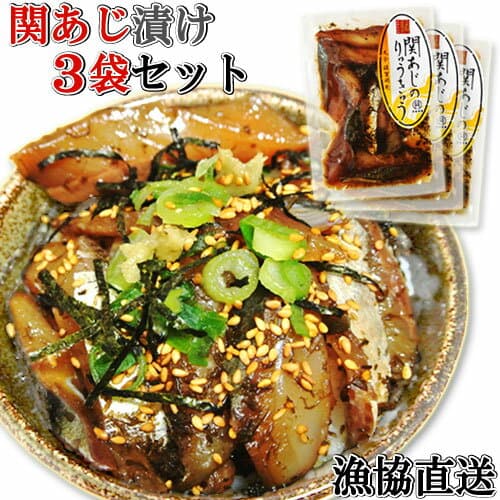
産地直送!! 新鮮な活け締め 一本釣り関あじ タレ漬け 3袋セット りゅうきゅう 大分県漁協佐賀関支店【送料込】 SGNSK
3 bagsおんせん県おおいた online shop
4.5 / 4 reviews
Japanese name関あじ
In Oita’s Hayasui Strait, fast currents, single-line fishing, live handling, and careful harbor work shape a firm, clean-tasting horse mackerel for sashimi.
Information last updated 119 days ago
3 images産地直送!! 新鮮な活け締め 一本釣り関あじ タレ漬け 3袋セット りゅうきゅう 大分県漁協佐賀関支店【送料込】 SGNSK
3 bagsおんせん県おおいた online shop
4.5 / 4 reviews
 3 images
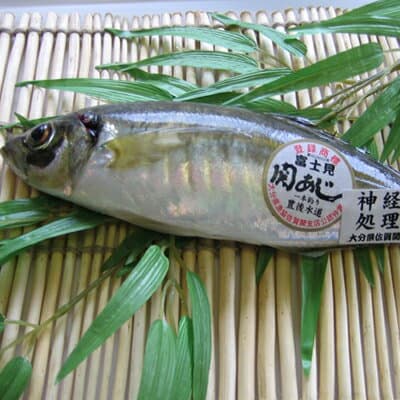
関アジ 関あじ 大1尾 【大分県佐賀関のスーパーブランド】【代引き不可】【産地直送】
Large, 1 fish (approx. 400-500g, 35cm)九州焼酎CLUB&スナップビー
3.0 / 4 reviews
 3 images
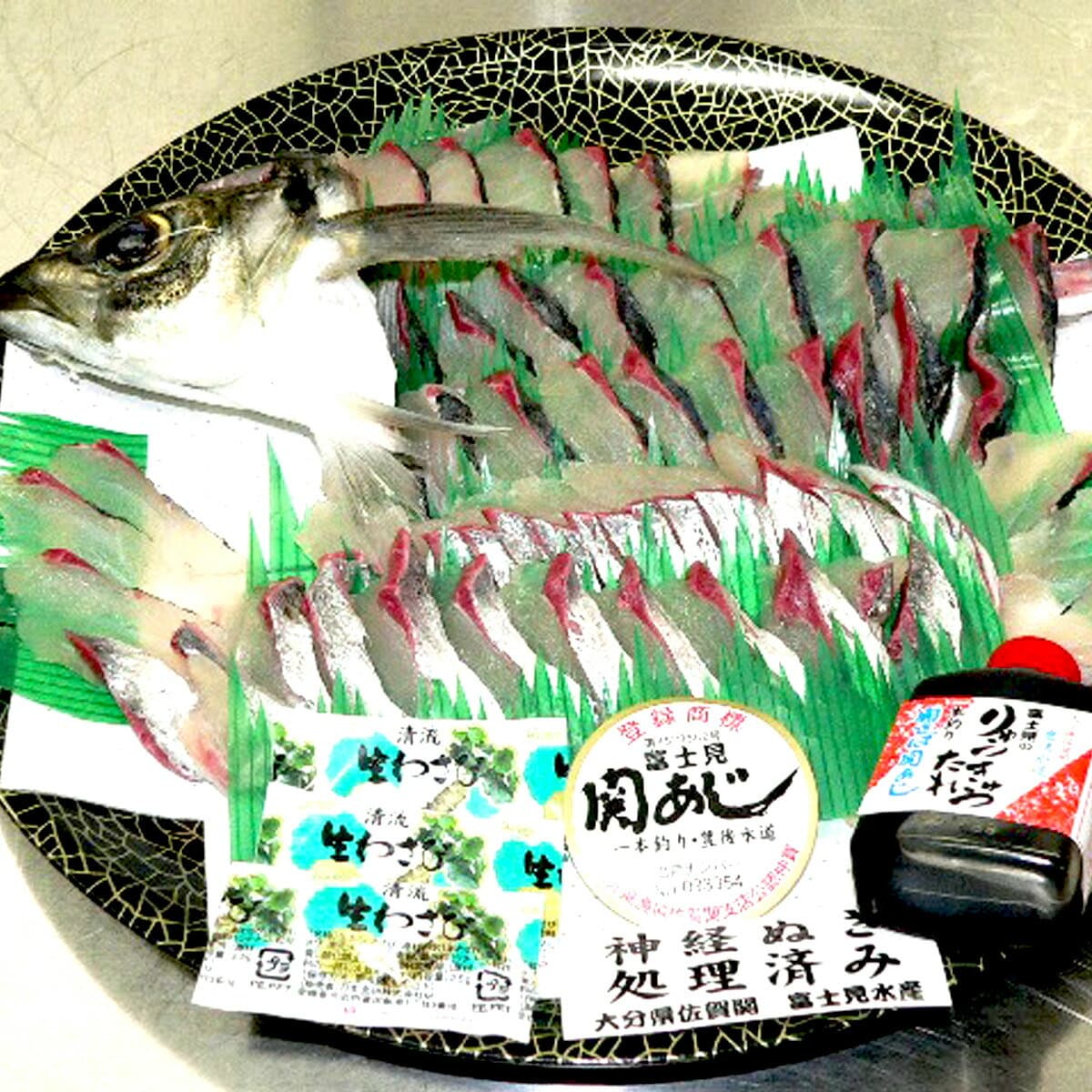
関アジ姿刺身盛り 大1尾【4〜5人前】【代引き不可】【関あじ】【冷凍発送】【お中元】【お歳暮】【ギフト】【送料無料】
large, 1 fish九州焼酎CLUB&スナップビー
3.0 / 2 reviews
First time buying on Rakuten? How residents in Japan order →
Seki aji begins off Saganoseki in Oita City, in the Hayasui Strait between the Saganoseki Peninsula and Cape Sada in Ehime. The water runs fast, the seabed is complex, and feed is abundant where the Seto Inland Sea and the Pacific meet. Fishers connected to the Saganoseki branch catch horse mackerel by single-line fishing, keep the fish alive in boat tanks, and bring them back to port. The character of Seki aji comes from that linked path: sea area, fishing method, live handling, and harbor work before it appears as firm, lightly fatty sashimi.
The Hayasui Strait lies between Oita’s Saganoseki Peninsula and Ehime’s Cape Sada. Its fast current, uneven seabed, and rich feed are tied to horse mackerel with firm flesh and moderate fat. The local character of Seki aji is concrete: it rests on this water, the Saganoseki landing place, and the way the fish is handled after it is caught.
Seki aji is caught by fishers of the Oita fisheries cooperative’s Saganoseki branch using single-line fishing. Each fish is brought aboard and placed in a live tank, then carried back to the harbor alive. From the Hayasui Strait to Saganoseki port, the handling aims to avoid bruising and preserve the fish’s condition before the next steps begin.
At the harbor, buyers use tsuragai, judging size and quality while the fish remain visible from the water surface. This avoids the damage that can happen when a live fish struggles on a scale. After that judgment, the fish move into dedicated holding tanks, so human observation, harbor equipment, and protection of the flesh all belong to the same process.
Before the fish leaves the harbor process, each Seki aji is handled by ikejime and nerve removal. These hand-performed steps are used to keep freshness and support the firm bite expected in sashimi. A handling facility completed in 2012 added sterilized seawater and slurry ice made with that seawater, giving the harbor work a cleaner and more controlled setting.
The best-known season for Seki aji runs from July to September, while the cooperative also lists a March-to-October fishing period. In sashimi, the firm flesh and balanced fat become easy to notice. A squeeze of Oita kabosu sharpens the umami, linking the fish, the citrus, and a summer meal from Saganoseki in one plate.
The name Seki aji points to horse mackerel from the Hayasui Strait off Saganoseki, landed at Saganoseki, caught by single-line fishing, and handled by the Saganoseki branch community. A regional collective trademark stands behind that name protection; for readers, its practical meaning is the boundary around water, method, harbor, and fishing community, rather than a label that any horse mackerel can carry.
Seki aji is shaped by a compact chain of work: fast water in the Hayasui Strait, single-line fishing by Saganoseki fishers, live tanks on the boat, tsuragai at the harbor, then ikejime and nerve removal before sashimi. Its difference from ordinary horse mackerel is best understood through those concrete steps and places, not through broad claims of prestige.
Compiled from public records and official sources; see the recognition links below. Details may change over time.
Where this product is officially registered, designated, or recognized in Japan.
Regional collective trademark
Registered as a Regional Collective Trademark with the Japan Patent Office.
Sources1
It is written as 関あじ in Japanese. Search Rakuten and other Japanese sites with that spelling — the English name will not bring up the listings.
Seki aji horse mackerel is horse mackerel caught in the Hayasui Strait off Saganoseki in Oita and landed at Saganoseki. The strait lies between the Saganoseki Peninsula and Cape Sada, where fast currents, complex seabed terrain, and abundant feed are connected to firm flesh and balanced fat.
Fishers belonging to the Oita fisheries cooperative's Saganoseki branch catch Seki aji by single-line fishing. After being caught, the fish are placed in boat live tanks and brought back to the harbor alive. Tsuragai judges size and quality from the water surface and helps avoid damage from live fish struggling on scales. Seki aji is handled by ikejime and nerve removal one fish at a time to preserve freshness.
It is often eaten as sashimi in summer; large size, moderate fat, and firm flesh are described as suiting that use. Kabosu is used with Seki aji sashimi to increase umami. The Oita fisheries cooperative lists the shipping form as fresh fish and live fish.
Storage varies by product — shelf-stable, refrigerated, or frozen — and is stated on the packaging and the Rakuten listing. Shelf-stable processed foods usually need refrigerating once opened and eating within a few days; chilled and frozen items go straight into storage on arrival. Treat the best-before date on the physical packaging as authoritative.
Most options are shelf-stable, boxed, and travel well, so they suit gifting or bringing home. Confirm the final storage and delivery terms on the Rakuten listing.
On Rakuten: the shops listed here right now are おんせん県おおいた online shop, 九州焼酎CLUB&スナップビー. We don't sell directly; purchase, payment, stock, and delivery are all handled on the Rakuten product page.