 3 images
Onta Ware Kuroki Masanobu Kiln Large White Tobikanna Rice Bowl
和食器 小鹿田焼 黒木昌伸窯 茶碗 大 13.5cm 飛び鉋 白
Large, 13.5 cm, white tobikannaうつわの店クラフトなかつか
5.0 / 1 reviews
Japanese name小鹿田焼
In the hills of Hita, Oita, Onta ware begins with nearby clay, stream-powered karusu mills, kick wheels, sun drying, handmade glazes, and climbing kilns shared by ten kiln households.
Information last updated yesterday
3 images和食器 小鹿田焼 黒木昌伸窯 茶碗 大 13.5cm 飛び鉋 白
Large, 13.5 cm, white tobikannaうつわの店クラフトなかつか
5.0 / 1 reviews
 3 images
和食器 小鹿田焼 黒木昌伸窯 茶碗 大 13.5cm 飛び鉋 緑
Large, green, 13.5 cmうつわの店クラフトなかつか
5.0 / 1 reviews
 3 images
小鹿田焼(1.5合壺)と九州産 高菜漬け 3種のセット おんたやき 小鹿田焼き 飛び鉋 柳瀬窯 贈答用 辛子高菜【伊藤食品 蓋物 うるか壺 調味入れ 贈答用 贈り物 塩壺 ミニ壺 漬物容器 梅干容器 カメ壺 保存容器 ブラタモリ NHK】RTD-ont
1.5-go jar + 3 varieties伊藤家の食卓
4.5 / 11 reviews
 3 images
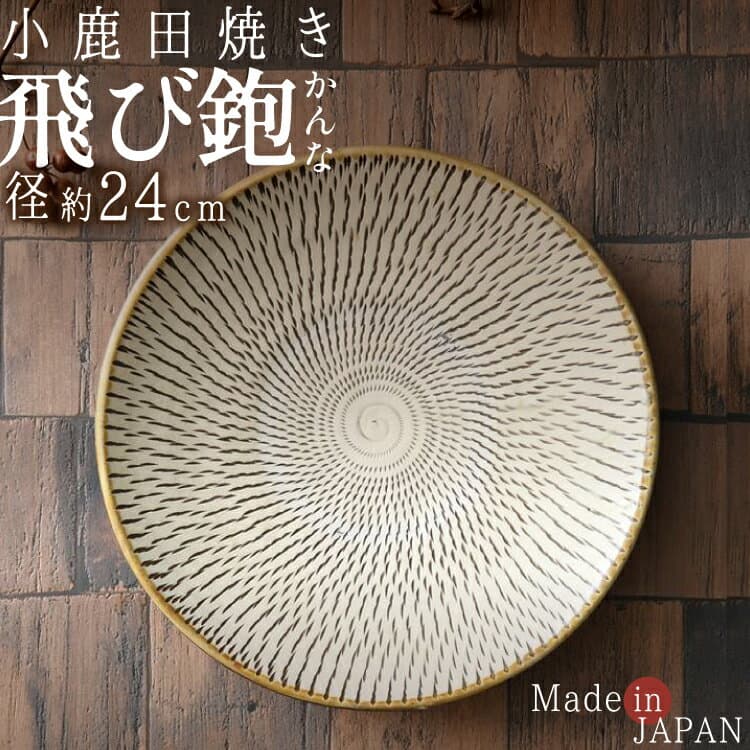
【待望入荷!】 小鹿田焼き 飛びかんな 8寸 皿 径24cm×5cm お皿 飛び鉋 トビカンナ おんた おしゃれ 日本製 和食 人気 | 川端滝三郎商店
8-sun, approx. 24 x 5 cm川端滝三郎商店
4.9 / 7 reviews
First time buying on Rakuten? How residents in Japan order →
All 4 listings of this product on Rakuten, lowest price first.
| Listing | Price | Shop | Reviews | Open listing |
|---|---|---|---|---|
Onta Ware Kuroki Masanobu Kiln Large White Tobikanna Rice Bowl Large, 13.5 cm, white tobikannaLowest price | ¥2,420 | うつわの店クラフトなかつか | 5.0 / 1 reviews | View on Rakuten → |
Onta Ware Kuroki Masanobu Kiln Tobikanna Rice Bowl Large, green, 13.5 cmLowest price | ¥2,420 | うつわの店クラフトなかつか | 5.0 / 1 reviews | View on Rakuten → |
Yanase Kiln Onta Ware 1.5-Go Jar and Kyushu Takana Pickles Set 1.5-go jar + 3 varietiesMost reviewedGift-ready | ¥4,480 | 伊藤家の食卓 | 4.5 / 11 reviews | View on Rakuten → |
Onta Ware Tobikanna Plate 8-sun, approx. 24 x 5 cm | ¥7,980 | 川端滝三郎商店 | 4.9 / 7 reviews | View on Rakuten → |
Japanese · new tab
About thirty minutes by car from central Hita or JR Hita Station, the mountain settlement of Onda Sarayama gives Onta ware a precise scale. The kiln opening is traditionally dated to 1705, and early production centered on everyday rural vessels such as jars, bowls, and pots. At the Onta-yaki Ceramic Art Museum in Gen'ei-machi, works from the Edo period to the present sit beside displays on history and process, so the village can be read through clay, tools, and fired forms.
Onta ware is rooted in Onda Sarayama, a mountain settlement in Hita, Oita Prefecture. The village landscape includes stream-powered karusu mills, nearby clay sources, climbing kilns, and the museum that introduces the pottery village; the route from JR Hita Station or central Hita takes roughly thirty minutes by car, keeping the craft visibly tied to valley water and hillside soil.
The kiln opening is traditionally placed in 1705. Until the end of the Meiji period, the kilns mainly produced everyday wares for rural households, including jars, bowls, and pots. The museum's displays of Onta ware from the Edo period to today make that continuity visible, placing older utility forms and later pieces within one local chronology.
Production begins with soil from nearby mountains. Water from the stream powers karusu mills that crush the clay, and the same valley conditions set limits: the amount of clay in the local digging area and the water available for milling are described in relation to ten kiln households. The karusu sound was selected in 1996 for a national list of soundscapes to preserve, turning a preparation step into one of the village's recognizable daily rhythms.
After the clay is prepared, vessels are formed on kick wheels and dried in sunlight. Glazes are made by hand from materials including feldspar, wood ash, and straw ash. Here, tradition has a physical meaning: the foot-driven wheel, drying time under the sun, ash and feldspar glaze preparation, and the sequence that carries clay toward the kiln.
The dried pieces are fired in climbing kilns using wood waste from local sawmills. Onta ware's status as an Important Intangible Cultural Property is easiest to understand through those working details: local raw materials, long-used tools, kick-wheel forming, handmade glazes, and firing practices remain connected in the production sequence.
The production community is described around ten kiln households. The interview account notes hereditary succession, with the eldest son generally carrying on the kiln, and says the number of kiln households does not increase. That limit belongs to the place itself: hillside clay, valley water, family labor, and climbing kilns are all understood at a scale the ten households can sustain.
The Onta-yaki Ceramic Art Museum in Gen'ei-machi introduces the techniques, works, history, and pottery-village landscape of Onta ware. Its exhibition rooms, process displays, history displays, and open storage place Edo-period works and contemporary pieces in one setting, allowing visitors to connect jars, bowls, and pots with karusu mills, kick wheels, sun drying, and climbing kilns.
Onta ware is best understood through repeated, physical things in Hita's mountain valley: local soil, stream power, karusu mills, kick wheels, sunlight, feldspar and ash glazes, climbing kilns, and the labor scale of ten kiln households. From the traditional 1705 kiln opening to museum displays of works from the Edo period onward, the vessels keep the village's water, clay, and tools close to everyday use.
Compiled from public records and official sources; see the recognition links below. Details may change over time.
Where this product is officially registered, designated, or recognized in Japan.
Regional collective trademark
Registered as a Regional Collective Trademark with the Japan Patent Office.
Sources1
It is written as 小鹿田焼 in Japanese. Search Rakuten and other Japanese sites with that spelling — the English name will not bring up the listings.
Onta ware is a ceramic tableware family from Onda Sarayama in Hita, Oita Prefecture. Its kiln opening is traditionally dated to 1705, and older production centered on everyday rural vessels such as jars, bowls, and pots. The process begins with nearby mountain clay, crushed by stream-powered karusu mills, then formed on kick wheels, sun dried, glazed by hand, and fired in climbing kilns.
Onta ware glazes are made by hand from materials including feldspar, wood ash, and straw ash. The production community is described around ten kiln households, with local clay and water limiting scale. The Onta-yaki Ceramic Art Museum displays works from the Edo period to the present and introduces the history, process, and village landscape. The kiln opening of Onta ware is traditionally dated to 1705.
Older production centered on jars, bowls, pots, and other everyday rural wares used in food and home contexts. The Onta-yaki Ceramic Art Museum in Hita introduces the techniques, works, history, and village landscape. Process displays support an educational focus on karusu mills, kick wheels, sun drying, handmade glazes, and climbing kilns.
Porous earthenware is usually given a "medome" treatment first — simmer it gently in rice-rinsing water (or water with a little flour), then cool, rinse, and air-dry. This reduces staining and odour absorption. Porcelain normally just needs a wash. Follow the listing where it says otherwise.
Handmade earthenware, pieces with gold or silver overglaze, and lacquerware generally should not go in a dishwasher, microwave, or heated drying cabinet; heat-resistant porcelain usually can. Check the Rakuten listing for the specific piece.
Most options are shelf-stable, boxed, and travel well, so they suit gifting or bringing home. Confirm the final storage and delivery terms on the Rakuten listing.
On Rakuten: the shops listed here right now are うつわの店クラフトなかつか, 伊藤家の食卓, 川端滝三郎商店. We don't sell directly; purchase, payment, stock, and delivery are all handled on the Rakuten product page.