Oita Local Goods Guide
大分県
Oita is indexed here as a practical buying guide for travelers and foreign residents in Japan. Start with packable gifts, then compare table goods, quiet luxuries, and crafted objects when you need a stronger sense of place.
10Local selections
What Oita is known for
The 8 products below are what Oita is known for, ordered by how strongly each is rooted in the prefecture — what it is, and why it comes from here.
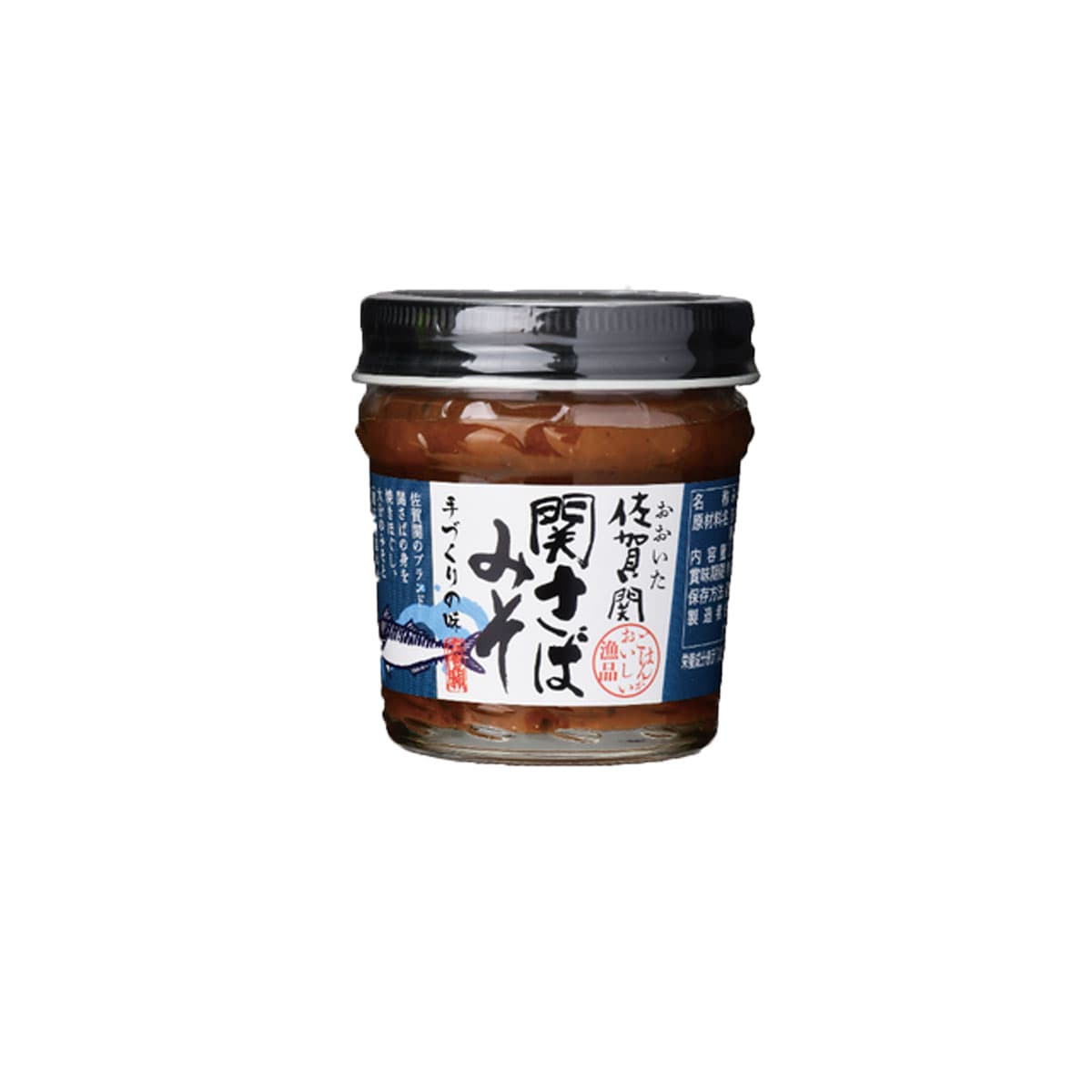
Seki saba mackerelRegional foods
Off Saganoseki in Oita City, fast currents and a complex seabed meet pole-and-line fishing and hand finishing. The mackerel that carries this name is often eaten as sashimi, and winter is its season.
Hita pearsRegional foods
From Kosui in July to Niitaka, Shinko, and Toyosato toward late October, Hita pears connect Oita orchards, 82 producer-division members, and grading by sweetness, acidity, color, damage, and weight.
Bungo mushroom curryRegional foods
In a 180g curry, whole wakame donko simmer with vegetables and meat, carrying Oita dried shiitake into the roux and onto rice.
Kusu riceRegional foods
In Kusu Town, spring water, underground water, red soil, and sharp temperature swings shape rice that appears in salt onigiri, kasu soup, local sake, and a June 14 shrine rite.
Beppu bamboo craftCraft objects
In Beppu City, Oita, madake bamboo is oil-removed, sun-dried, split into higo strips, and woven by hand into flower baskets, rice baskets, serving baskets, bags, and interior pieces.
Onta wareTableware
In the hills of Hita, Oita, Onta ware begins with nearby clay, stream-powered karusu mills, kick wheels, sun drying, handmade glazes, and climbing kilns shared by ten kiln households.
Nakatsu karaageRegional foods
In Nakatsu City, domestic chicken is soaked in each shop’s ginger-garlic seasoning before it meets the oil. The result belongs to rice bowls, drinks, souvenirs, and homecoming tables.
Bungo beefRegional foods
In Oita Prefecture, Bungo Beef begins with Japanese Black cattle and a clear farm route: breeding areas, calf markets, finishing farms, and marbled beef cooked by cut.
Regional Gifts
Packable foods and gifts with clear regional character.
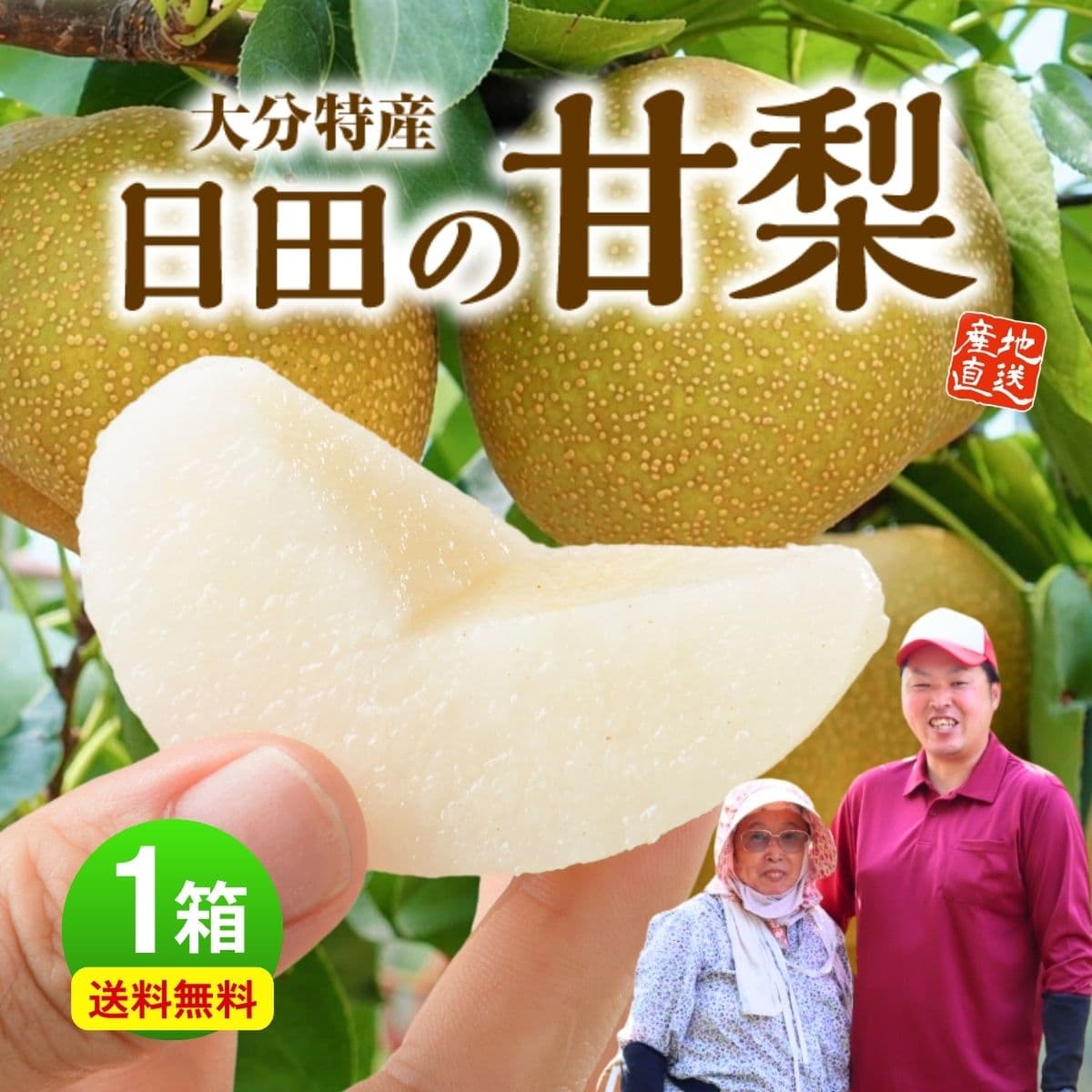
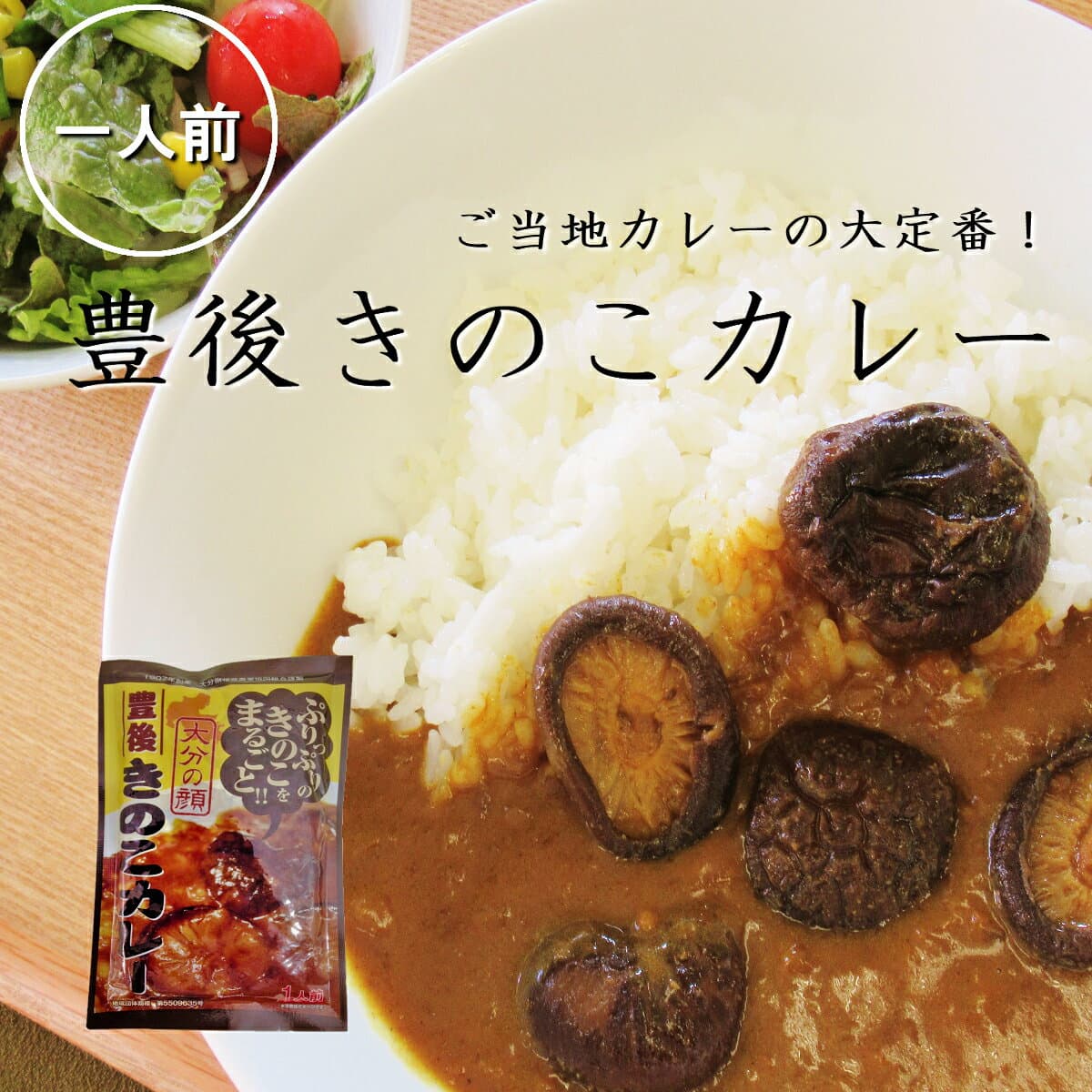
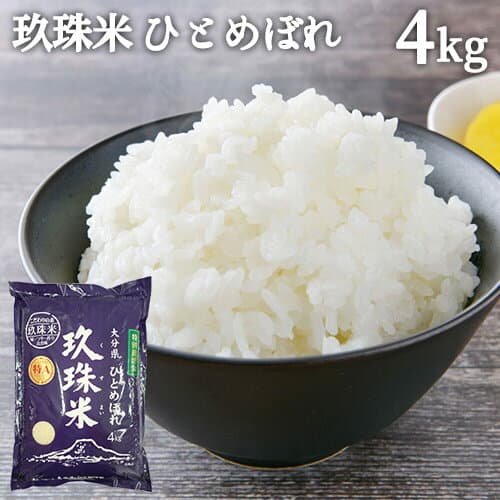
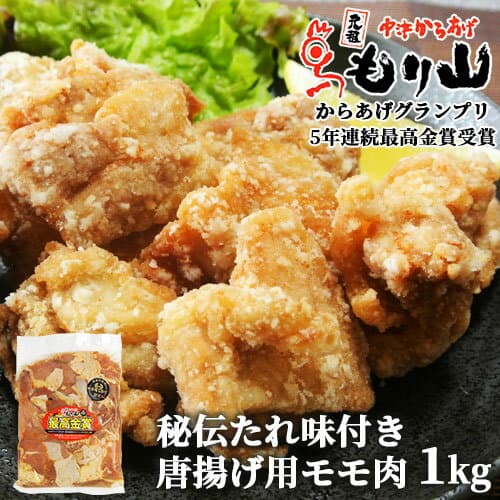

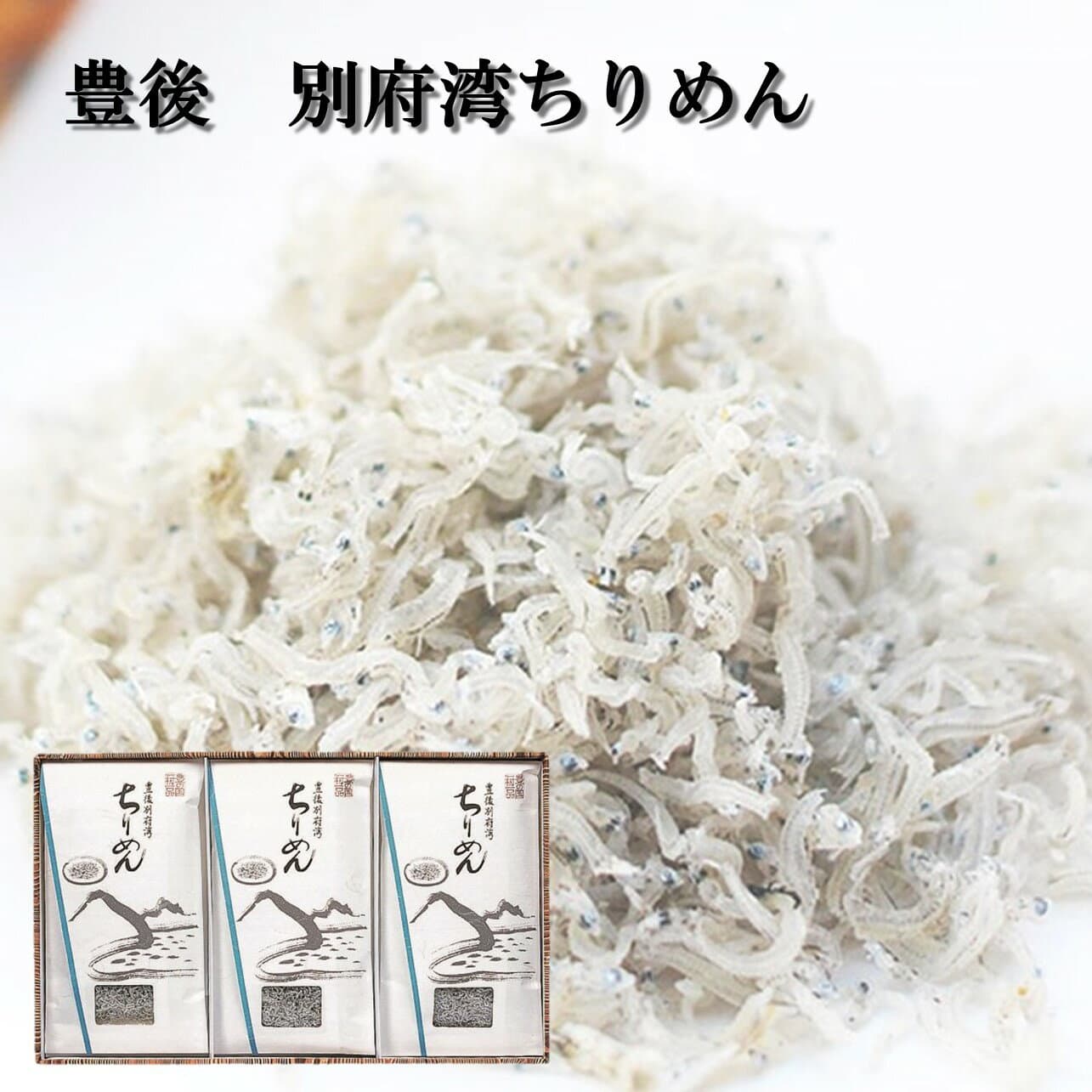
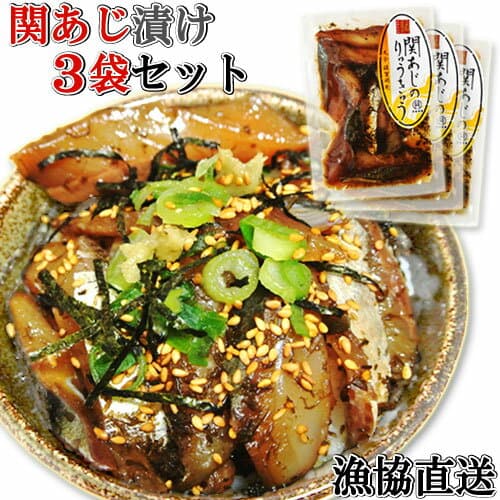
Table & Tea
Tea, drinks, foods, and table pieces shaped by local taste.

Crafted Forms
Ceramics, lacquer, glass, woodwork, metalwork, folk craft, and their forms.

Oita's specialties by category
How the same thing is made elsewhere, and what differs: the category overviews start here.
Kind before region: fresh fish is about handling, crab and oysters about season, nori and dried goods about processing.
Breed first, brand second: Japanese Black is marbled, akaushi is lean, a brand name is a set of conditions, not a breed.
Earthenware or porcelain first, then the surface: unglazed like Bizen, glazed like Hagi, or painted like Kutani.
FAQ
What is Oita known for?
Oita (Kyushu) is represented here by specialties such as Seki saba mackerel, Hita pears, Bungo mushroom curry — each verified against official registries and matched to Rakuten listings.
Are Oita souvenirs good to bring home?
Many Oita picks — Seki saba mackerel, Hita pears, Bungo mushroom curry among them — are shelf-stable foods and crafts that travel well; for temperature- or fragility-sensitive items, confirm delivery and packaging on the Rakuten listing.
Are these products sold directly by this site?
No. This site curates Rakuten listings and may earn affiliate revenue from links to Rakuten.
How are products selected?
Listings are filtered for local relevance, product images, availability, and review strength.
Related prefecture guides
Fukuoka
Fukuoka is a useful regional guide for distinctive local specialties.
Saga
Saga is a useful regional guide for distinctive local specialties.
Nagasaki
Nagasaki is a useful regional guide for distinctive local specialties.
Kumamoto
Kumamoto is a useful regional guide for distinctive local specialties.