 3 images
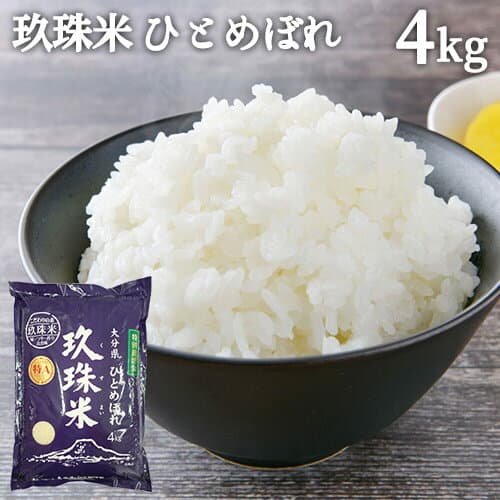
玖珠米 Hitomebore Specially Cultivated White Rice
令和7年産 玖珠米 ひとめぼれ 4kg 特別栽培米 お米 白米 大分県産 九州 国産米 単一原料米 ブランド米 くすここのえ産直ネット 送料込
4 kgコスメボックス
Japanese name玖珠米
In Kusu Town, spring water, underground water, red soil, and sharp temperature swings shape rice that appears in salt onigiri, kasu soup, local sake, and a June 14 shrine rite.
Information last updated 119 days ago
3 images令和7年産 玖珠米 ひとめぼれ 4kg 特別栽培米 お米 白米 大分県産 九州 国産米 単一原料米 ブランド米 くすここのえ産直ネット 送料込
4 kgコスメボックス
 3 images
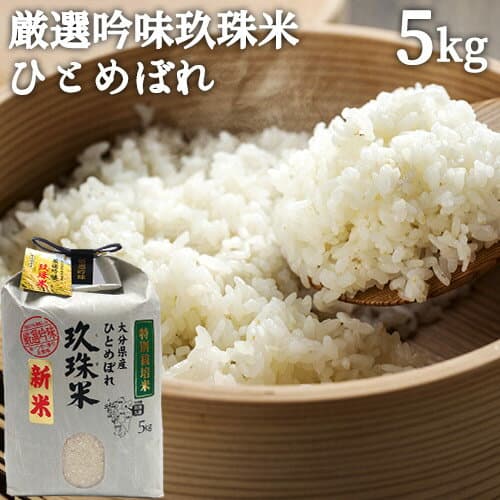
令和7年産 厳選吟味玖珠米 ひとめぼれ 5kg 特別栽培米 お米 白米 大分県産 九州 国産米 単一原料米 ブランド米 くすここのえ産直ネット 送料込
5kgコスメボックス
First time buying on Rakuten? How residents in Japan order →
Kusu rice comes from Kusu Town in west-central Oita Prefecture. Mountains hold the town in a basin, and tableland-like ridges give the landscape a distinct outline. Local accounts return to the same concrete growing conditions: water rising from the mountain foot, underground water, fertile red soil, sunlight, and temperature differences between day and night or season and season. The rice is easiest to picture in a freshly made salt onigiri, where warm grains, a pinch of salt, stickiness, chew, and a slow sweetness carry the town’s fields into the hand.
Kusu Town sits in west-central Oita, surrounded by mountains and marked by flat-topped, tableland-like scenery. The rice is described through water, soil, and climate rather than through a single label: abundant water from the mountain foot, underground water associated with Mount Mannen, sunlight, fertile red soil, and the basin’s temperature shifts. Those conditions give the article’s sense of place a practical shape, because they are the water that reaches the paddies, the soil around the roots, and the cool and warm changes rice growers work with.
When Kusu rice is introduced locally, the names Hitomebore, Hinohikari, and Tsuyahime appear. Hitomebore is repeatedly tied to good eating quality and to rice that remains enjoyable after cooling. Hinohikari is described with a good aroma and a firmer texture, while Tsuyahime is linked with sweetness, aroma, gloss, and stickiness. These variety names keep Kusu rice from becoming an abstract regional phrase; they point to traits a person can notice in a bowl or rice ball.
Farmer Sachiko Anai presents freshly cooked rice as a salt onigiri, sprinkling salt on her hands and shaping a warm handful of rice. With only rice and salt, the focus moves to the grain: a sticky, springy texture and sweetness that opens with chewing. JA Kusu Kokonoe also connects Kusu rice with cooled eating. Because the grain surface is described as helping keep flavor inside, the difference is said to show clearly in bento and onigiri after the rice has cooled.
The work behind Kusu rice includes more than a favorable basin. Growers till the soil, manage water when the ears emerge, add compost according to soil condition, and watch weather that can affect taste. Kusu Town tourism material also points to natural rack drying, or kakeboshi, saying carefully grown rice gains more umami through that drying step. The process turns landscape into labor: water level, soil strength, weather, and drying all have to be handled in the field.
Kusu rice culture also reaches dishes and brewing. Anai’s kasu soup uses plenty of sake lees, locally gathered shiitake, root vegetables, and handmade miso; the sake lees come from Kame no I Shuzo in Kusu Town. In the brewery’s setting, rice and water remain central. Local descriptions connect the brewery with underground water from Mount Mannen and with rice-sensitive steps such as washing, soaking, steaming, koji making, and fermentation.
The memory of Kusu fields also meets shrine practice. About 30 years before the 2020 account, land in Kusu was chosen as a principal offering field for rice connected with the Heisei Daijosai. That memory remains at Taki Shrine through photographs and local attention. Every year on June 14, the shrine holds a rite praying for a good harvest. Here, tradition means a named shrine, a fixed date, and a seasonal prayer tied to rice growing.
Kusu rice is also carried through local learning and exchange. A Waiwai Juku activity brought together Hachiman civic hall, Oita University, rice producers, and the town office around the theme of Kusu rice and the town itself. Participants tasted morning-made onigiri and freshly cooked rice, while field care such as tilling, water management, compost, and weather sensitivity was discussed. The rice moved from paddy to civic hall, giving students, residents, and producers a shared table.
Kusu rice takes shape through a basin town in west-central Oita: mountain water, underground flow, red soil, temperature shifts, and field work. It appears as a warm salt onigiri, as cooled rice suited to bento, as kasu soup with local shiitake and root vegetables, and as rice connected to sake brewed with Kusu water. On June 14 at Taki Shrine, the agricultural year returns to a prayer for harvest, joining field, table, water, and community rhythm in one town.
Compiled from public records and official sources; see the recognition links below. Details may change over time.
Where this product is officially registered, designated, or recognized in Japan.
Regional collective trademark
Registered as a Regional Collective Trademark with the Japan Patent Office.
Sources1
It is written as 玖珠米 in Japanese. Search Rakuten and other Japanese sites with that spelling — the English name will not bring up the listings.
Kusu rice is rice from Kusu Town in west-central Oita Prefecture. Its local identity is tied to mountain-foot spring water, underground water from Mount Mannen, fertile red soil, sunlight, and large basin temperature differences. Named varieties include Hitomebore, Hinohikari, and Tsuyahime. It appears in salt onigiri, bento, kasu soup with sake lees and local vegetables, sake brewing connected with Kusu water, and a June 14 harvest-prayer rite at Taki Shrine.
Kusu land was selected as a principal offering field for rice connected with the Heisei Daijosai. Kusu Town is a mountain-surrounded basin with tableland-like scenery. Hitomebore is associated with good eating quality and with rice that remains good after cooling. Kusu Town tourism material says natural rack drying, or kakeboshi, increases the rice's umami.
Farmer Sachiko Anai presents freshly cooked Kusu rice as salt onigiri, noting a sticky, chewy texture and sweetness that grows as it is chewed. JA Kusu Kokonoe staff describe Kusu rice as sweet and good both freshly cooked and cold, and explain that the grain surface helps keep flavor inside, making the difference noticeable in bento and onigiri. A household kasu soup uses locally gathered shiitake, root vegetables, handmade miso, and sake lees from Kame no I Shuzo.
Storage varies by product — shelf-stable, refrigerated, or frozen — and is stated on the packaging and the Rakuten listing. Shelf-stable processed foods usually need refrigerating once opened and eating within a few days; chilled and frozen items go straight into storage on arrival. Treat the best-before date on the physical packaging as authoritative.
Most options are shelf-stable, boxed, and travel well, so they suit gifting or bringing home. Confirm the final storage and delivery terms on the Rakuten listing.
On Rakuten: the shops listed here right now are コスメボックス. We don't sell directly; purchase, payment, stock, and delivery are all handled on the Rakuten product page.