 3 images
Chiba Tako Rice Koshihikari White Rice
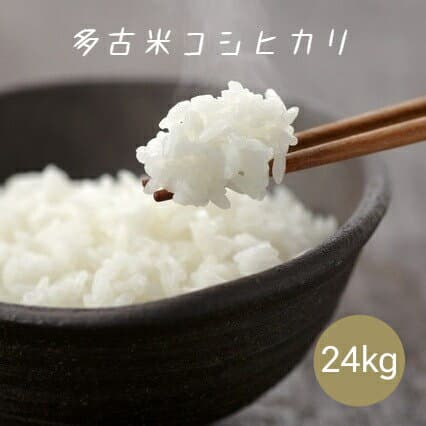
@760円/kg 7年産 千葉県産 多古米 コシヒカリ 白米 24kg (8kg×3袋) 本州四国 送料無料 小分け可 米 お米
24kg (8kg x 3 bags)いそべ米屋 楽天市場店
4.9 / 161 reviews
Japanese name多古米
In Tako Town, Chiba, rice sits beside yamatimo, vegetables, pig farming, and dairy; Tako Rice is remembered through sushi shari, overseas tastings, and local meal-making events.
Information last updated 123 days ago
3 images@760円/kg 7年産 千葉県産 多古米 コシヒカリ 白米 24kg (8kg×3袋) 本州四国 送料無料 小分け可 米 お米
24kg (8kg x 3 bags)いそべ米屋 楽天市場店
4.9 / 161 reviews
 3 images
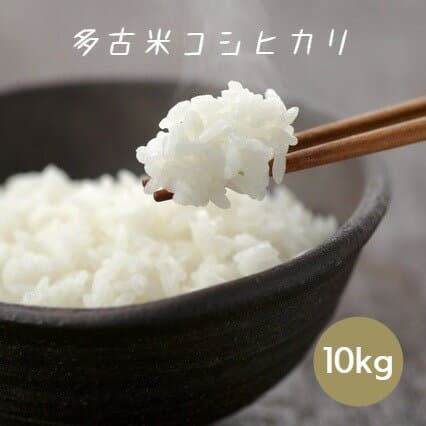
令和7年産 千葉県産 多古米 コシヒカリ 白米 10kg 5kg×2袋 本州四国 送料無料 米 お米
10 kg (5 kg x 2 bags)いそべ米屋 楽天市場店
4.6 / 66 reviews
 3 images
令和7年産 多古米 コシヒカリ 米 5kg 千葉県産 皇室献上米 白米 無洗米 精米 千葉県5キロ 送料無料 徳川献上米 ギフト -米
5kgお米の向後米穀楽天市場店
4.8 / 35 reviews
First time buying on Rakuten? How residents in Japan order →
Tako Rice begins in the paddies of Tako Town, Chiba Prefecture. The town lies east of Narita International Airport, about 70 kilometers from Tokyo, and covers 72.68 square kilometers. Agriculture is a core local industry, with rice grown alongside yamatimo, vegetables, pig farming, and dairy. Tako Rice is known for its role as sushi shari, a use that brought it before sushi chefs at a 2013 competition and later placed 120 kilograms of new-season rice in Singapore for tastings and a restaurant event. Back in Tako Town, the rice remains visible through local product listings, rice-side-dish contests, recipe commercialization, and the Tako Rice Grand Prix.
Tako Town sits east of Narita International Airport and about 70 kilometers from Tokyo, with an area of 72.68 square kilometers. Its location places it near the metropolitan fresh-food sphere while agriculture remains central to the town’s profile. The farming mix includes rice, yamatimo, vegetables, pig farming, and dairy. Tako Rice belongs to this wider landscape of paddies, fields, and livestock, giving the grain a setting before it reaches a kitchen.
Tako Rice is known as rice with a reputation for shari, the vinegared rice that sits beneath sushi. In March 2013, at World Sushi Cup Japan 2013 in Makuhari Messe, Chiba City, it was used as the competition rice and introduced to chefs working in many countries. The strongest thread here is concrete use: chefs encountered the rice through sushi preparation, and that professional setting later led to interest from a Japanese restaurant in Singapore.
In September 2013, samples were sent abroad; in October, 120 kilograms of Tako Rice went to Singapore. At Oishii JAPAN 2013, buyers, media, and consumers tasted it, and a separate event at the Japanese restaurant Yamakawa served dishes using Tako Rice and other produce from Tako Town. The route is visible through named places and dates: a Chiba farming town, a food fair, a restaurant kitchen, and plates set before diners in Singapore.
Within Tako Town, the rice also appears through everyday meal culture, meaning the concrete practice of pairing a bowl of rice with local side dishes and recipes. The town’s tourism and products page lists Tako Rice among local products and posts notices about the Tako Rice Side-Dish Contest, commercialization of winning recipes, and the Tako Rice Grand Prix. Those activities keep the rice connected to household-style meals, public events, and named recipes as well as outside promotion.
A finished bowl of rice depends on work that happens before harvest. Agricultural training material on Tako Town discusses paddy conditions, water management, field patrols, harvest timing, and coordination among crop farmers, livestock farmers, the town office, and the agricultural office. Used as farming background, those details show the practical rhythm behind local rice production: water levels, field conditions, timing, and cooperation all matter before the grain reaches a kitchen.
Tako Rice is best understood through connected scenes: paddies east of Narita, a mixed farming town, sushi shari at a 2013 competition, a 120-kilogram shipment to Singapore, and local side-dish events back in Tako. The rice’s identity rests in those concrete links between place, use, agricultural work, and the meals that gather around a bowl.
Compiled from public records and official sources; see the recognition links below. Details may change over time.
Where this product is officially registered, designated, or recognized in Japan.
Regional collective trademark
Registered as a Regional Collective Trademark with the Japan Patent Office.
Sources1
It is written as 多古米 in Japanese. Search Rakuten and other Japanese sites with that spelling — the English name will not bring up the listings.
Tako Rice is a regional rice from Tako Town, Chiba Prefecture, east of Narita International Airport and about 70 kilometers from Tokyo. Tako Town’s agriculture includes rice, yamatimo, vegetables, pig farming, and dairy, and Tako Rice is known for its role as sushi shari. In 2013, it was used as the competition rice at World Sushi Cup Japan 2013, and in October 2013, 120 kilograms were sent to Singapore for Oishii JAPAN tastings and a restaurant event.
Tako Town covers 72.68 square kilometers and agriculture is a core local industry. Tako Rice is known for its role as sushi shari. Tako Rice was used as the competition rice at World Sushi Cup Japan 2013. In October 2013, 120 kilograms of Tako Rice were sent to Singapore for Oishii JAPAN tastings and a restaurant event.
A Singapore Japanese restaurant chef requested Tako Rice for use as shari after encountering it through sushi-related promotion, and the town later supplied it for use at that restaurant. In October 2013, Tako Rice was introduced at Oishii JAPAN 2013 with tastings for buyers, media, and consumers, and a separate unveiling event served dishes using Tako Rice and other Tako Town produce. The town products page lists notices for a Tako Rice side-dish contest and recipe commercialization, indicating local activity around side dishes paired with Tako Rice.
Storage varies by product — shelf-stable, refrigerated, or frozen — and is stated on the packaging and the Rakuten listing. Shelf-stable processed foods usually need refrigerating once opened and eating within a few days; chilled and frozen items go straight into storage on arrival. Treat the best-before date on the physical packaging as authoritative.
Most options are shelf-stable, boxed, and travel well, so they suit gifting or bringing home. Confirm the final storage and delivery terms on the Rakuten listing.
On Rakuten: the shops listed here right now are いそべ米屋 楽天市場店, お米の向後米穀楽天市場店. We don't sell directly; purchase, payment, stock, and delivery are all handled on the Rakuten product page.