 3 images
Yachimata, Chiba Chiba Handachi Sun-Dried Roasted In-Shell Peanuts
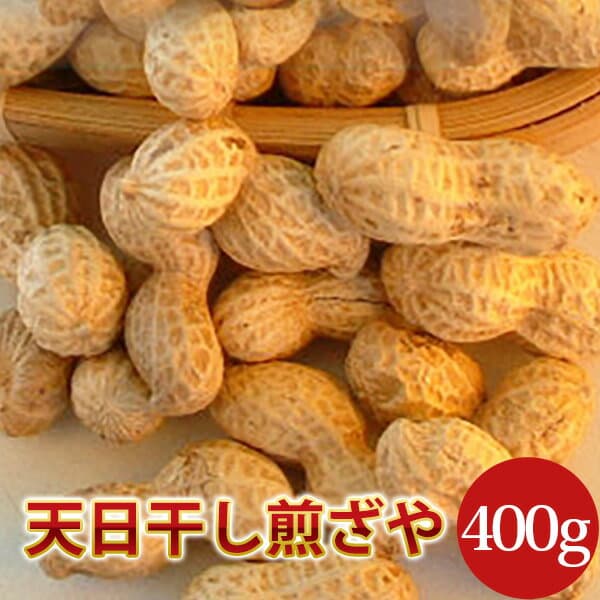
【天日干し煎ざや400g】千葉県八街産落花生 千葉半立【週間落花生ランキング1位85回以上】
400g遠藤ピーナツ楽天市場店
4.5 / 419 reviews
Japanese name八街産落花生
In Yachimata City and nearby Chiba fields, drought-tolerant peanuts grow in well-drained Kanto loam, then pass through field drying and cylindrical bocchi stacks before roasting or boiling gives each variety its place.
Information last updated yesterday
3 images【天日干し煎ざや400g】千葉県八街産落花生 千葉半立【週間落花生ランキング1位85回以上】
400g遠藤ピーナツ楽天市場店
4.5 / 419 reviews
 3 images
【煎ざや・ナカテユタカ500g×3袋】 千葉県八街産落花生1.5k【週間落花生ランキング1位25回商品】
1.5kg (500g x 3 bags)遠藤ピーナツ楽天市場店
4.5 / 317 reviews
First time buying on Rakuten? How residents in Japan order →
Yachimata peanuts are tied to Yachimata City in northern Chiba Prefecture and the surrounding area. The city sits on the Shimosa Plateau, where inland fields once had limited access to water and pastureland and wilderness shaped the landscape; peanuts tolerate dry conditions and favor well-drained soil, giving the Kanto loam fields around Yachimata a natural connection with the crop.
Yachimata peanuts point to peanuts harvested in Yachimata City and nearby areas. The local name also covers roasted peanuts with their skins and roasted peanuts in the shell, joining harvest area and finished form within the same place name.
Chiba Prefecture grows most of Japan's domestically produced peanuts, and Yachimata is one of the major producing areas in the prefecture. In that northern Chiba setting, the name gathers concrete things: growing area, soil drainage, and post-harvest drying work.
Yachimata City sits on the Shimosa Plateau, and its inland fields once made farming water difficult to secure. Peanuts tolerate drought and prefer well-drained land; around Yachimata, Kanto loam gave the crop dry fields suited to that habit.
The fit can be read in the ground itself: plateau fields, drainage, and a crop whose pods form below the soil after flowering. A place once marked by pastureland and wilderness became a peanut-growing area through those field conditions.
Peanut cultivation in Chiba is traced to trial growing around Nangomachi in Sanbu District in 1876, followed by encouragement from the prefectural governor in 1877. The crop later spread from the Asahi City area toward the Inba District plateau, bringing the Yachimata area into Chiba's peanut geography.
When Yachimata Station opened on the Sobu Railway in 1897, inland fields gained a stronger route to markets. After World War II, peanut cultivation increased around Yachimata, and the city grew as a collecting and trading center where merchants handled the crop.
The Japanese name rakka-sei follows the plant: after flowering, the peg grows down into the soil and forms pods underground. In Chiba fields, sowing generally happens from mid-May to early June; after harvest, the plants are left in the field for about one week of drying.
Next the plants are built into cylindrical bocchi stacks and dried naturally in the wind for one to two months. In late autumn, those stacks stand across peanut fields as one of the visible seasonal scenes of Chiba cultivation.
Chiba Handachi is tied to roasted beans and a rich taste, and Nakateyutaka is also suited to roasting. Sato-no-ka and Omasari are used for boiled peanuts; Omasari brings large kernels, sweetness, and a soft texture.
Q Nuts belongs to Chiba's newer variety line, with sweetness and a skin that is easy to eat. Roasted, boiled, or eaten with the skin, Yachimata peanuts change according to variety, drying, and use.
The Yachimata name carries a place boundary: peanuts harvested in Yachimata City and surrounding areas, especially roasted peanuts with skins and roasted peanuts in the shell, sit under that local name. A regional trademark links the name with the production area.
That boundary points back to things that can be seen and named: northern Chiba fields, drought-tolerant peanuts, Kanto loam drainage, field drying, bocchi stacks, and varieties from Chiba Handachi to Q Nuts. The place name holds those elements together from field condition to drying work and use at the table.
The shape of Yachimata peanuts begins in the fields of the Shimosa Plateau, continues through the spread of cultivation since the Meiji era and the market link created by Yachimata Station, and then passes through field drying and bocchi stacking after harvest. Varieties such as Chiba Handachi, Nakateyutaka, Sato-no-ka, Omasari, and Q Nuts give roasted and boiled peanuts different ways to be eaten, while the place name keeps Yachimata City and its surrounding fields at the center.
Compiled from public records and official sources; see the recognition links below. Details may change over time.
Where this product is officially registered, designated, or recognized in Japan.
Regional collective trademark
Registered as a Regional Collective Trademark with the Japan Patent Office.
Sources1
It is written as 八街産落花生 in Japanese. Search Rakuten and other Japanese sites with that spelling — the English name will not bring up the listings.
Yachimata peanuts are tied to peanuts harvested in Yachimata City in Chiba Prefecture and nearby areas. Yachimata sits on the Shimosa Plateau, where inland water limits and well-drained Kanto loam matched the crop's drought tolerance. After harvest, plants are field-dried for about a week, then naturally dried in cylindrical bocchi stacks for one to two months.
Chiba Prefecture produces most domestically grown Japanese peanuts, and Yachimata is one of the prefecture's major producing areas. The Yachimata peanuts name was regionally trademarked on April 13, 2007, connecting the name with a defined Yachimata and surrounding-area peanut range. The opening of Yachimata Station on the Sobu Railway in 1897 strengthened the area's link with markets. Chiba Handachi, Nakateyutaka, Sato-no-ka, Omasari, and Q Nuts differ in roasting or boiling suitability, sweetness, grain size, and skin texture.
They are eaten as roasted peanuts, including skin-on roasted peanuts and in-shell roasted peanuts. Sato-no-ka and Omasari are suited to boiled peanuts; Omasari is a large-grain variety with strong sweetness and a soft texture. Chiba Prefecture recommends eating them with the skin, which contains resveratrol, a type of polyphenol.
Storage varies by product — shelf-stable, refrigerated, or frozen — and is stated on the packaging and the Rakuten listing. Shelf-stable processed foods usually need refrigerating once opened and eating within a few days; chilled and frozen items go straight into storage on arrival. Treat the best-before date on the physical packaging as authoritative.
Most options are shelf-stable, boxed, and travel well, so they suit gifting or bringing home. Confirm the final storage and delivery terms on the Rakuten listing.
On Rakuten: the shops listed here right now are 遠藤ピーナツ楽天市場店. We don't sell directly; purchase, payment, stock, and delivery are all handled on the Rakuten product page.