 3 images
Beppu Bamboo Craft Shirasagi Hanging Bamboo Flower Basket
竹 花籠 「しらさぎ 掛花籠 箱無し 」15-016 国産 大分県 別府竹細工 日本製 新生活
without box竹工芸 朱竹堂
2.0 / 1 reviews
Japanese name別府竹細工
In Beppu City, Oita, madake bamboo is oil-removed, sun-dried, split into higo strips, and woven by hand into flower baskets, rice baskets, serving baskets, bags, and interior pieces.
Information last updated 7 days ago
3 images竹 花籠 「しらさぎ 掛花籠 箱無し 」15-016 国産 大分県 別府竹細工 日本製 新生活
without box竹工芸 朱竹堂
2.0 / 1 reviews
 3 images
竹 花籠 「透かし鉈掛花籠 すかしなた 箱無し 」15-024 国産 大分県 別府竹細工 日本製 新生活
no box竹工芸 朱竹堂
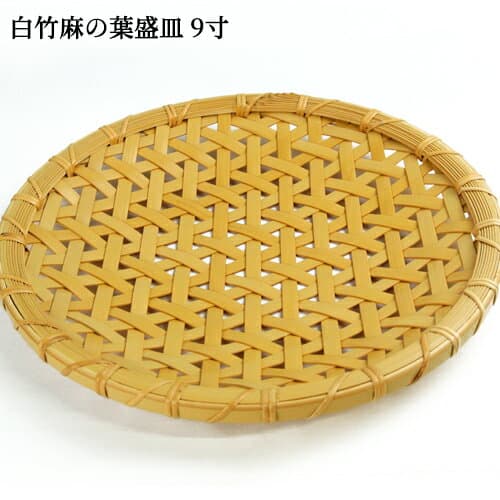 3 images
受注生産 別府竹細工 白竹麻の葉盛皿(麻の葉編み) 9寸 270mm×270mm×高さ30mm 竹細工 竹雑貨 和食器 プレート ザル 日本製 山下工芸 ICHIZA【送料込】
Large, 9 sun (270 x 270 x 30 mm)おんせん県おおいた online shop
5.0 / 1 reviews
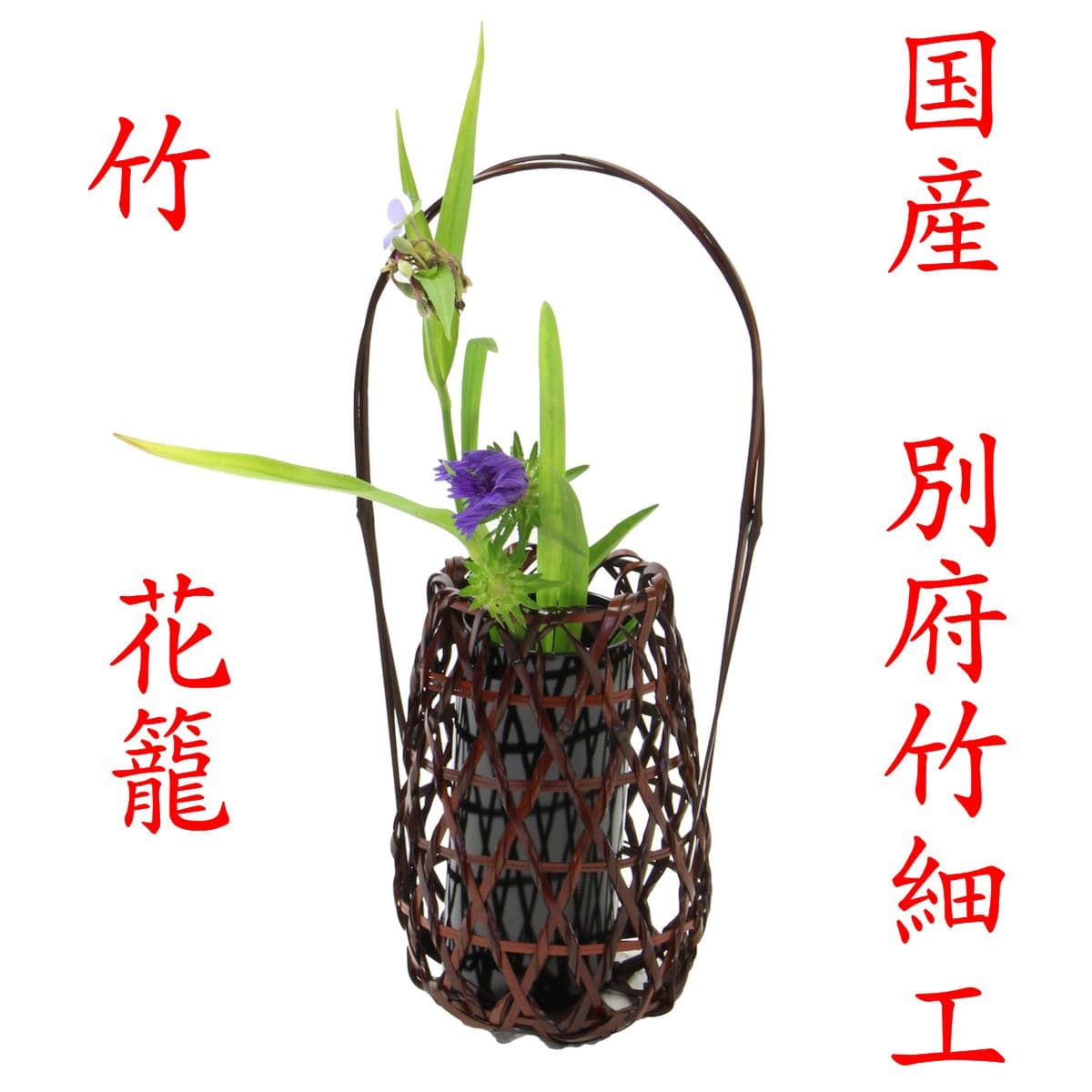 3 images
竹 花籠 「御幸籠 みゆきかご 」13-043 国産 大分県 別府竹細工 日本製 新生活
竹工芸 朱竹堂
4.0 / 1 reviews
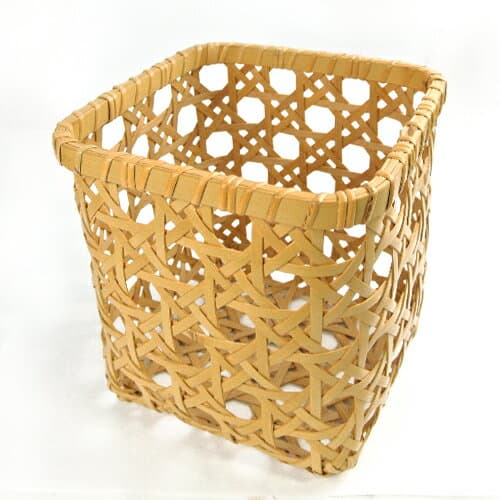 3 images
受注生産 別府竹細工 八つ目(八ツ目)編み フリーボックス 205mm×205mm×高さ210mm 竹かご 竹籠 篭 バスケット 収納 竹雑貨 日本製 山下工芸 ICHIZA【送料込】
205 x 205 x 210 mmおんせん県おおいた online shop
5.0 / 1 reviews
First time buying on Rakuten? How residents in Japan order →
All 5 listings of this product on Rakuten, lowest price first.
| Listing | Price | Shop | Reviews | Open listing |
|---|---|---|---|---|
Beppu Bamboo Craft Sukashi Nata Hanging Flower Basket no boxLowest price | ¥3,685 | 竹工芸 朱竹堂 | View on Rakuten → | |
Beppu Bamboo Craft Shirasagi Hanging Bamboo Flower Basket without box | ¥4,675 | 竹工芸 朱竹堂 | 2.0 / 1 reviews | View on Rakuten → |
Beppu Bamboo Craft Miyuki Bamboo Flower Basket | ¥8,690 | 竹工芸 朱竹堂 | 4.0 / 1 reviews | View on Rakuten → |
Beppu Bamboo Craft White Bamboo Asa-no-ha Serving Plate Large, 9 sun (270 x 270 x 30 mm) | ¥13,980 | おんせん県おおいた online shop | 5.0 / 1 reviews | View on Rakuten → |
Beppu Bamboo Craft Yatsume-Weave Free Box 205 x 205 x 210 mm | ¥24,840 | おんせん県おおいた online shop | 5.0 / 1 reviews | View on Rakuten → |
Japanese · new tab
Beppu bamboo craft begins with madake from Oita Prefecture. Makers turn the bamboo into pale sarashidake, split and shave it into flat higo strips, then build a vessel through bottom weaving, body and neck weaving, and rim finishing. The craft also belongs to Beppu’s hot-spring town life: long-stay bath visitors used baskets, colanders, screens, and miso strainers while cooking for themselves, then carried bamboo goods home. Today the same place name covers flower baskets, rice baskets, serving baskets, bags, art craft, and bamboo used in interiors.
Beppu bamboo craft is centered on Beppu City in Oita Prefecture, with makers mainly using madake produced within the prefecture. The cooperative places flower baskets and serving baskets at the center of production, while rice baskets and other daily containers also sit within the craft family. The local link is concrete: Beppu’s bamboo industry, Oita-grown madake, and the handwork of splitting the culm into flat higo before weaving it into form.
Before the first weave appears, the bamboo is prepared in measured steps. Three- to four-year madake is boiled for about fifteen minutes in caustic soda water to remove oil, then dried in sunlight until it becomes pale sarashidake. The bamboo is split, peeled, and finished with specialized tools so each higo strip has the needed width and thickness; the surface of a finished basket starts with this quiet calibration of material.
The structure of Beppu bamboo craft rests on eight base weaving techniques, and combinations of those techniques can create more than 200 variations. Flat higo strips change direction through the bottom, body, and neck of a vessel, then the rim is finished. A flower basket, serving basket, or modern container can therefore carry different openings, lines, and holding strength even when it comes from the same material.
Beppu’s bamboo work grew inside the routines of a hot-spring town. Muromachi-period production included baskets for itinerant merchants; in the Edo period, long-stay visitors to Beppu’s baths needed baskets, colanders, screens, and miso strainers for self-catering. After using those tools during a stay, visitors carried bamboo goods back to other regions, linking the town’s bathing days with household objects made from local bamboo.
The skills behind higo-making and weaving have been supported by places where people learn and show finished work. A Meiji-era apprentice school, Showa-era public craft facilities, and the current Oita Prefectural Bamboo Craft Training Center form one line of instruction. Beppu City Bamboo Crafts Traditional Industry Hall gives the craft a civic setting; the city’s 62nd bamboo craft exhibition centered on living with bamboo vessels and introduced new works for daily life.
The forms of Beppu bamboo craft have changed with household life. Plastic goods affected everyday bamboo products during the Showa period, while Beppu makers also moved into bags, modern baskets, art craft, and bamboo work for inn interiors. In 1967, Beppu-born Shono Shounsai was recognized as the first Living National Treasure in bamboo craft, giving one named maker to the wider shift from daily containers toward art craft.
The 1979 craft designation defines Beppu bamboo craft through daily use, mainly handmade production, long-used materials, techniques continued for more than 100 years, and a regional maker community. On the workbench, those boundaries return to the bamboo itself: oil removal, sun drying, splitting, shaving, measured higo, and weaving that can become a flower basket, rice basket, serving basket, bag, exhibition vessel, or interior surface.
Compiled from public records and official sources; see the recognition links below. Details may change over time.
Where this product is officially registered, designated, or recognized in Japan.
It is written as 別府竹細工 in Japanese. Search Rakuten and other Japanese sites with that spelling — the English name will not bring up the listings.
Beppu bamboo craft is a craft centered on Beppu City, Oita Prefecture, that mainly uses madake bamboo grown within the prefecture. The bamboo is oil removed and sun dried into sarashidake, then split and shaved into flat higo strips that are woven by hand using eight base techniques with more than 200 variations. Products range from flower baskets and rice baskets to bags, art craft, and bamboo work for interiors.
Preparation uses bamboo aged three to four years, with oil removal taking about fifteen minutes. In the Edo period, long-stay hot-spring visitors in Beppu used baskets, colanders, screens, and miso strainers for self-catering and carried bamboo goods back to their home regions. Modern Beppu bamboo craft also includes bags, contemporary baskets, art craft, and bamboo work used in inn interiors. Meiji-era schooling, Showa-era craft facilities, the Oita Prefectural Bamboo Craft Training Center, and the Beppu City Bamboo Crafts Traditional Industry Hall support the continuation of techniques.
Baskets, colanders, screens, and miso strainers were used for self-catering during hot-spring stays. Bamboo weaving is also used in inn interiors.
Keep craft pieces out of direct sunlight, damp, and sharp temperature swings, and store them where they won't knock against anything. Wood, bamboo, lacquer, and paper don't tolerate water — wipe any moisture off immediately. Specific care notes are on the listing.
Most options are shelf-stable, boxed, and travel well, so they suit gifting or bringing home. Confirm the final storage and delivery terms on the Rakuten listing.
On Rakuten: the shops listed here right now are 竹工芸 朱竹堂, おんせん県おおいた online shop. We don't sell directly; purchase, payment, stock, and delivery are all handled on the Rakuten product page.