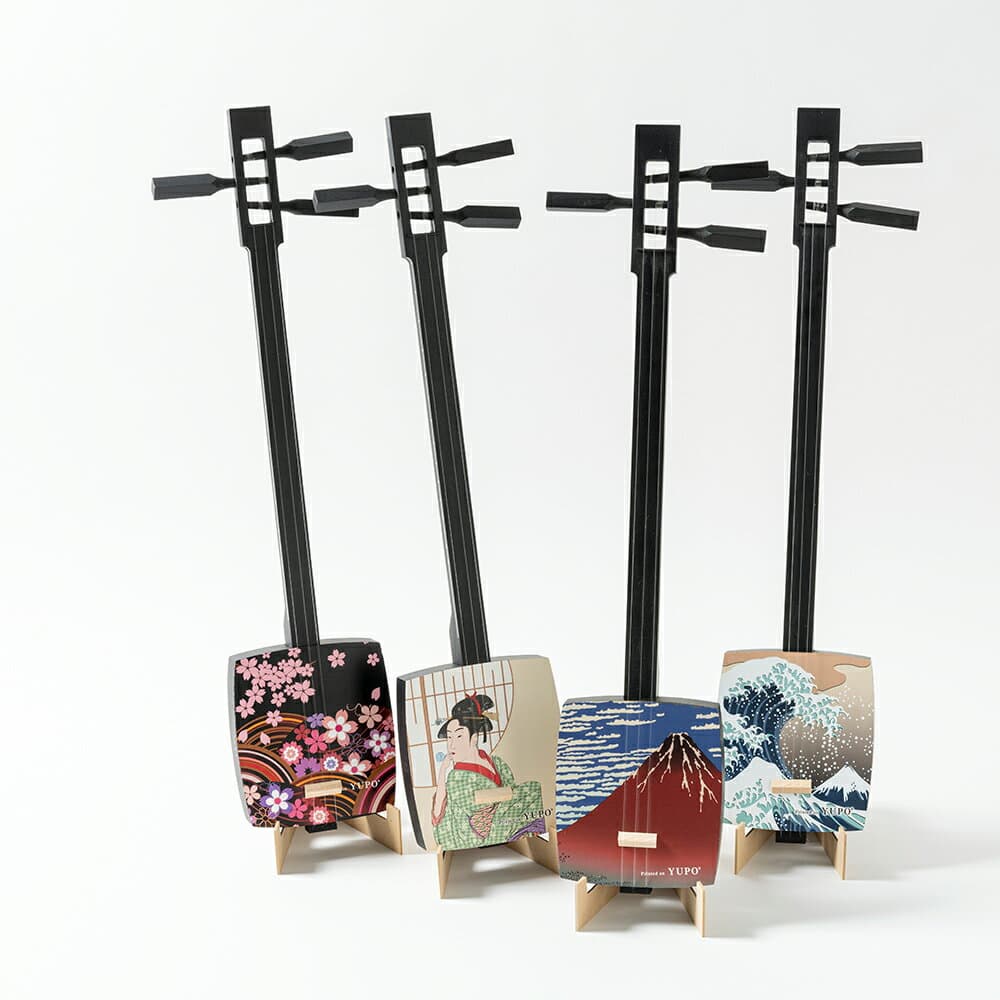
 3 images
三絃司きくおか Ko-Jami Chinton Mini Tokyo Shamisen
三絃司きくおか 小じゃみチントン 東京三味線 伝統工芸品 ギフト 結婚祝い 還暦祝い
2/3 size小粋屋東京
Japanese name東京三味線
Hardwood necks, stretched skin, and the sawari resonance connect Tokyo Shamisen to ward-based workshops, music schools, and public making scenes.
Information last updated 122 days ago
3 images三絃司きくおか 小じゃみチントン 東京三味線 伝統工芸品 ギフト 結婚祝い 還暦祝い
2/3 size小粋屋東京
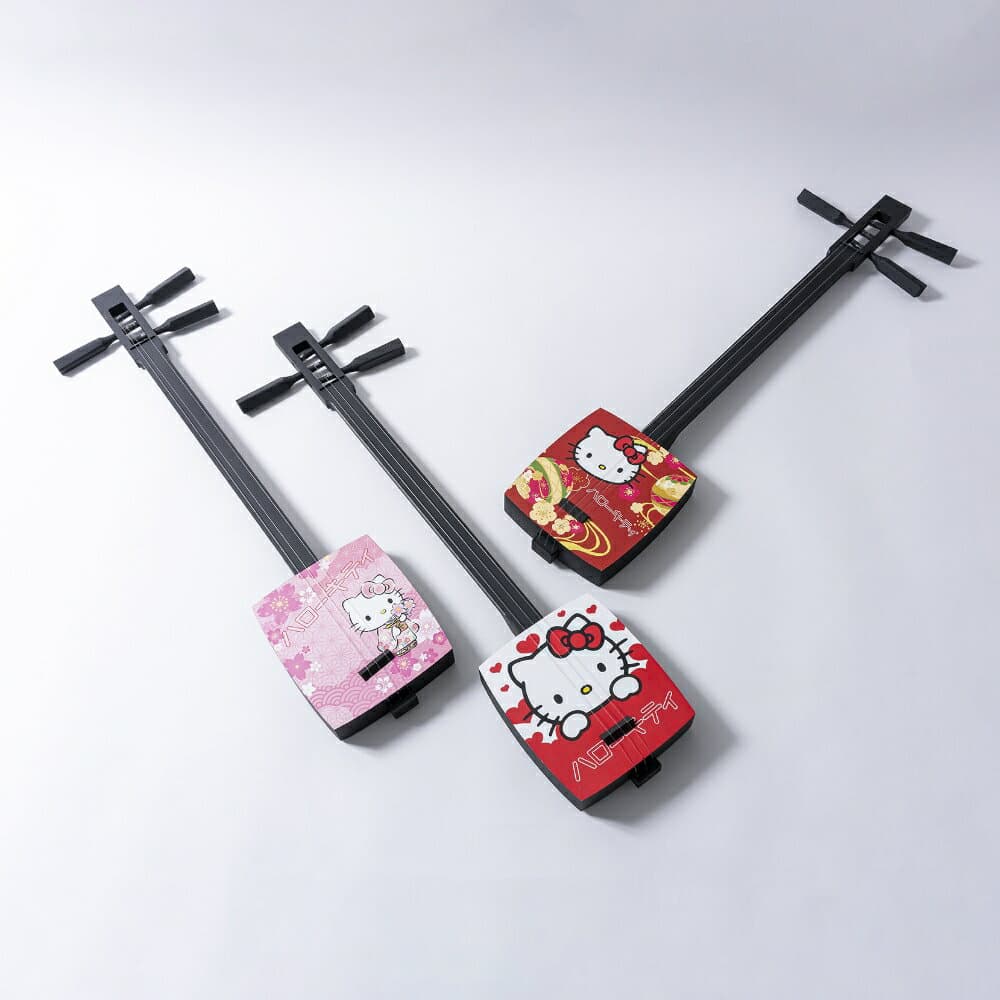 3 images
ハローキティ 小じゃみチントン 東京三味線 三絃司きくおか
Hello Kitty design小粋屋東京
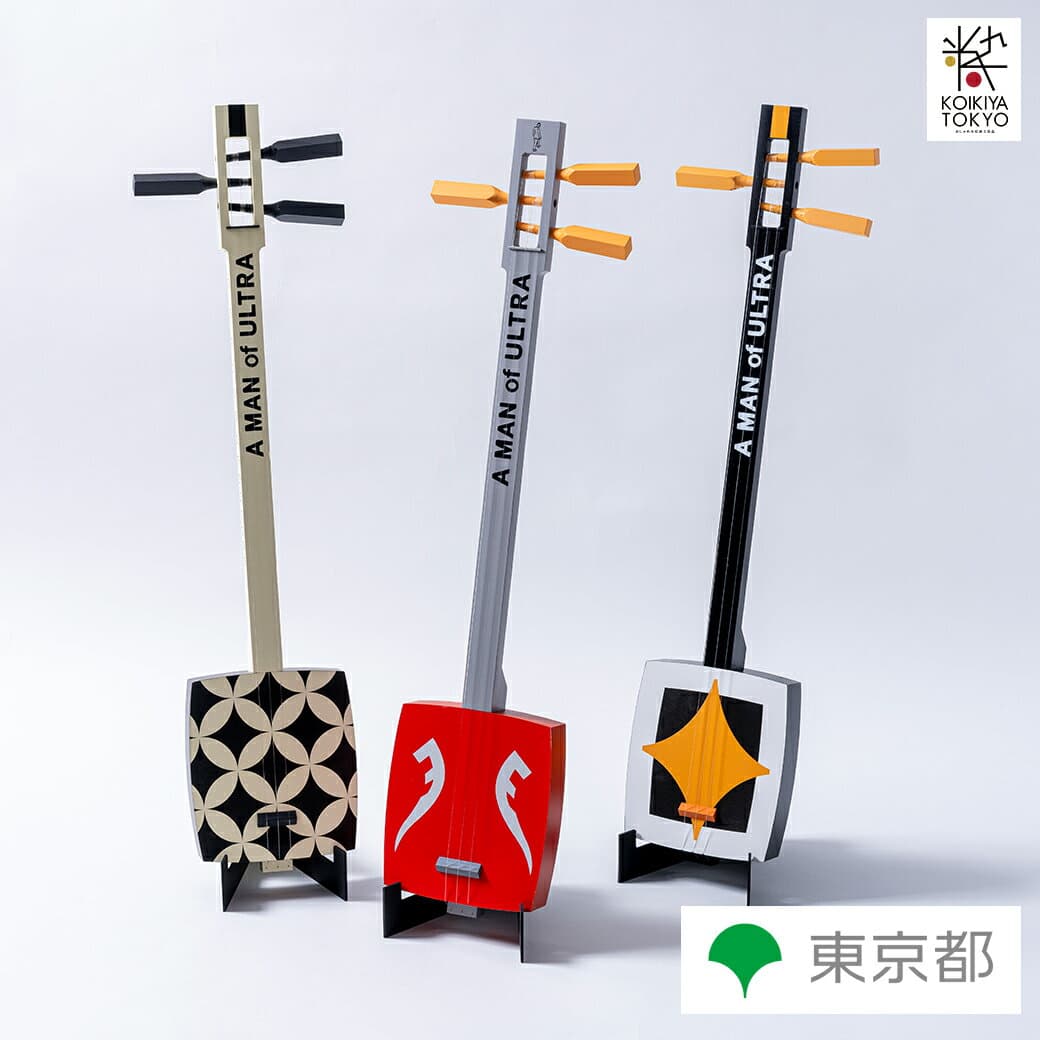 3 images
小じゃみチントン ウルトラマンシリーズ 東京三味線 三絃司きくおか
小粋屋東京
First time buying on Rakuten? How residents in Japan order →
Tokyo Shamisen begins with a map of workshops: Katsushika, Taito, and Toshima are named among major production areas, and Taito City also names Taito, Chuo, and Toshima as production districts. The instrument is made in separate parts: tenjin at the top, neck, and body. Its Tokyo workshop character appears in the way one craftsperson may carry work from wood shaping through the stretching of the sound membrane, joining place to handwork before the instrument reaches a player.
In Tokyo Shamisen, place is concrete: Katsushika, Taito, and Toshima appear in the named manufacturing area, with Taito City adding Chuo alongside Taito and Toshima. The Tokyo Hogakki association brings together members who make Tokyo koto and Tokyo Shamisen, and its shops combine retail, craft work, and manufacturing. The same ward names point to storefronts, benches, and instruments made for players in Tokyo.
The broader shamisen lineage starts with the Chinese sanxian, reaches Ryukyu by the late fourteenth century, and is thought to have entered Japan through Sakai around the Eiroku era at the end of the Muromachi period. By the Kanei era, makers such as Kanda Harumitsu and Ishimura Omi appear in the chronology, and shamisen making developed alongside shamisen music. That musical link can still be read in neck thickness: futozao for Tsugaru and gidayu, chuzao for kouta and folk music, and hosozao for nagauta.
Tokyo Shamisen is made as tenjin, neck, and body, yet the workshop sequence can be held by one craftsperson through finishing. Taito City places this beside Kansai neck-making division of labor, while the Tokyo process joins woodworking and the stretching of the sound membrane within one person's range. The wood, joints, polish, body, and membrane meet in the same chain of decisions before the instrument is played.
The neck uses hard woods such as koki, rosewood, karin, mulberry, or equivalent materials, while the body uses karin, mulberry, or equivalents. Joint work begins with cut wood and tools: saws, chisels, files, marking tools, and planes shape tenons, grooves, and straight lines. The neck is polished with whetstones, burnished by hand, and finished with plant oil, so the final gloss belongs to touch as much as to material.
The body membrane is pressed on with wooden pegs, rope, twisting tools, wedges, and a stretching stand. Listed skin materials include cat or dog skin or equivalent leather, and Taito City notes a craftsperson experimenting with kangaroo skin for the body. Near the neck, the sawari groove is cut with a whetstone; the sawari device gives the shamisen a distinctive resonance with a trace of noise and complex overtones.
The Tokyo Hogakki association places sales, repair, and manufacture within one community of shops and makers, and says many instruments used by head schools and students gathered in Tokyo are made by its members. Its public side has appeared at Ryogoku's Edo-Tokyo Museum, where visitors could watch koto and shamisen being made by hand at a distance of only several dozen centimeters. A Tokyo Shamisen and Tokyo Koto event at the museum invited the public to watch how the instruments are made and to better understand Japanese instruments.
Follow Tokyo Shamisen through hard wood, skin, and sawari, and the city becomes audible in small workshop actions. Katsushika, Taito, and Toshima are tied to necks shaped by saw, chisel, file, plane, and whetstone, bodies tightened on a stretching stand, and instruments moving toward Tokyo teachers, students, and close-up demonstrations.
Compiled from public records and official sources; see the recognition links below. Details may change over time.
Where this product is officially registered, designated, or recognized in Japan.
Traditional craft
Designated a Traditional Craft (dentō kōgeihin) by Japan's Ministry of Economy, Trade and Industry.
Sources1
It is written as 東京三味線 in Japanese. Search Rakuten and other Japanese sites with that spelling — the English name will not bring up the listings.
Tokyo shamisen is a Tokyo craft-instrument family whose main product is the shamisen. Named production areas include Katsushika, Taito, and Toshima, with Taito City also naming Chuo and Toshima among production districts. One craftsperson may work from woodworking to sound-membrane stretching. Hardwood necks, joint work, whetstone polishing, stretched skin, and the sawari resonance shape both the object and its sound.
Tokyo shamisen may be finished by one craftsperson, from woodworking to sound-membrane stretching; Taito City contrasts this with divided neck-making labor in Kansai. The neck uses koki, rosewood, karin, mulberry, or equivalent hard woods, while the body uses karin, mulberry, or equivalent materials. Joint making uses saws, chisels, files, marking tools, and planes; neck finishing uses whetstones, hand-burnishing, and plant oil. The sawari groove is made with a whetstone, and sawari gives the shamisen a distinctive resonance with noise and complex overtones.
Shamisen types are grouped by neck thickness: futozao for Tsugaru and gidayu shamisen, chuzao for kouta and folk shamisen, and hosozao for nagauta shamisen. Many instruments used by head schools and students gathered in Tokyo are made by Tokyo Hogakki association members. Member shops handle shamisen and koto sales, repair, and manufacture together, as retailers, craftspeople, and makers.
Keep craft pieces out of direct sunlight, damp, and sharp temperature swings, and store them where they won't knock against anything. Wood, bamboo, lacquer, and paper don't tolerate water — wipe any moisture off immediately. Specific care notes are on the listing.
Most options are shelf-stable, boxed, and travel well, so they suit gifting or bringing home. Confirm the final storage and delivery terms on the Rakuten listing.
On Rakuten: the shops listed here right now are 小粋屋東京. We don't sell directly; purchase, payment, stock, and delivery are all handled on the Rakuten product page.