 3 images
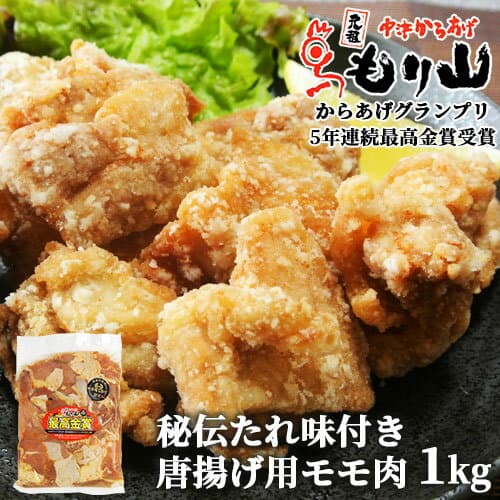
Moriyama Original Nakatsu Karaage Seasoned Boneless Chicken Thigh
元祖中津からあげ もり山 唐揚げ用骨なしモモ肉 下味付き(からあげ粉付き) 1kg 冷蔵 生肉 国産 から揚げの聖地 からあげグランプリ最高金【送料込】<指定日必須>
1kg, includes karaage flourおんせん県おおいた online shop
5.0 / 2 reviews
Japanese name中津からあげ
In Nakatsu City, domestic chicken is soaked in each shop’s ginger-garlic seasoning before it meets the oil. The result belongs to rice bowls, drinks, souvenirs, and homecoming tables.
Information last updated 119 days ago
3 images元祖中津からあげ もり山 唐揚げ用骨なしモモ肉 下味付き(からあげ粉付き) 1kg 冷蔵 生肉 国産 から揚げの聖地 からあげグランプリ最高金【送料込】<指定日必須>
1kg, includes karaage flourおんせん県おおいた online shop
5.0 / 2 reviews
 3 images
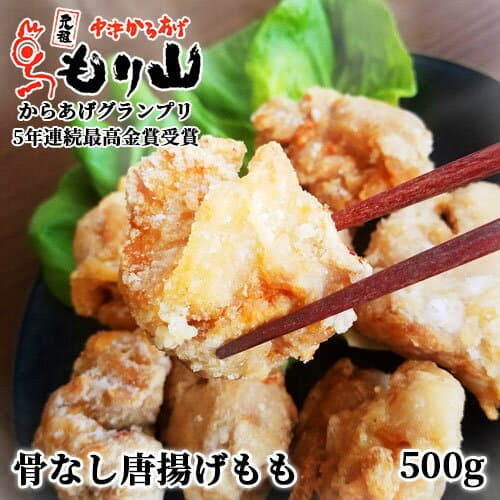
元祖中津からあげ もり山 骨なし唐揚げモモ 500g 冷凍 下味付き 揚げるだけ 国産 から揚げの聖地 からあげグランプリ最高金賞【送料込】
500gおんせん県おおいた online shop
3.7 / 3 reviews
 3 images
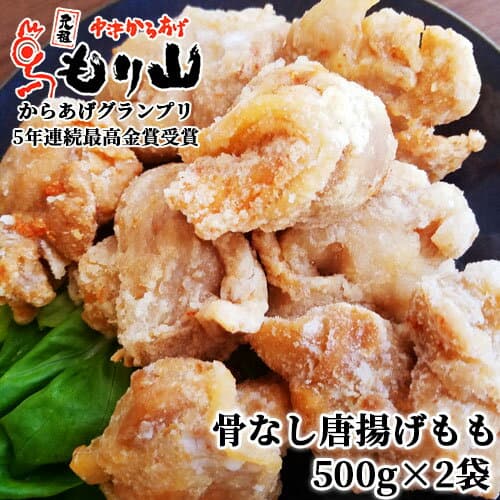
元祖中津からあげ もり山 骨なし唐揚げモモ 500g×2袋 冷凍 下味付き 揚げるだけ 国産 から揚げの聖地 からあげグランプリ最高金賞【送料込】
500g x 2 bagsおんせん県おおいた online shop
3.5 / 2 reviews
First time buying on Rakuten? How residents in Japan order →
At the northwestern edge of Oita Prefecture, Nakatsu gives fried chicken a local shape built from chicken, seasoning liquid, and hot oil. The region was a poultry area after World War II, and local accounts connect older salt or soy preservation habits with the later habit of frying marinated chicken. Nakatsu karaage keeps the process concrete: domestic chicken, ginger and garlic, soy-sauce or salt seasoning, shop-made marinades, and many shops that fry after an order.
Nakatsu City sits in northwestern Oita Prefecture, a place also known for sites such as Nakatsu Castle and the Yabakei landscape. The food’s everyday path runs through the postwar Nakatsu region, where chicken was produced, chicken karaage was made and sold, and by around the mid-Showa 40s it had become widely eaten by local consumers. That timeline keeps the dish close to town life: poultry work, prepared-food habits, and repeat meals.
For Nakatsu karaage, seasoning comes before frying. The chicken is soaked in a liquid made by each shop, with ginger and garlic at the base and soy-sauce or salt as the common flavor paths; the chicken itself is domestic. Because the marinade is made in-house instead of bought ready-made, the shared method still leaves room for shop-by-shop taste.
The bite is direct: seasoned meat, a thin crisp coating, and juices held inside the chicken. Local descriptions point to flavor that has soaked into the meat, so the pieces can be eaten without extra sauce and still sit comfortably beside rice. The crispness comes from the coating and oil, but the center of the taste is the marinated chicken.
Specialist shops are part of how Nakatsu karaage is encountered in the city. Menus can move from thigh, breast, and mixed portions to neck meat, gizzard, parent chicken, and yagen cartilage; the differences come from both the cut and each shop’s seasoning liquid. Under one regional name, the eating experience stays plural: breast, thigh, cartilage, soy-sauce seasoning, salt seasoning, and the choices each shop makes before frying.
Nakatsu karaage works in practical settings: a side with rice, a snack with alcohol, and a local taste carried home as a souvenir. Around New Year and Obon, fried chicken bought from specialist shops can appear on household tables for people living in Nakatsu and for people returning from elsewhere. The dish travels a short distance from counter to table, then sits in the middle of family time.
A regional trademark remains in the background, and its plain meaning is concrete: main shops in Nakatsu City, domestic chicken, each shop’s own ginger-garlic seasoning, and frying after the order. On the plate, those boundaries become sequence and texture: meat first absorbs soy-sauce or salt flavor, then the oil sets a thin crisp coating around it.
Nakatsu karaage carries its place through ordinary details: northwestern Oita, domestic chicken, ginger and garlic, soy-sauce or salt seasoning, and a fryer started after the order. Its continuity is visible when the same hot pieces move between rice, drinks, souvenirs, and New Year or Obon tables.
Compiled from public records and official sources; see the recognition links below. Details may change over time.
Where this product is officially registered, designated, or recognized in Japan.
Regional collective trademark
Registered as a Regional Collective Trademark with the Japan Patent Office.
Sources1
It is written as 中津からあげ in Japanese. Search Rakuten and other Japanese sites with that spelling — the English name will not bring up the listings.
Nakatsu karaage is chicken karaage tied to Nakatsu City and the Nakatsu region of Oita. It uses domestic chicken soaked in a ginger-garlic seasoning, usually soy-sauce or salt flavored, then fried in oil. Its character comes from seasoning that reaches the meat, a thin crisp coating, and juicy chicken.
Each shop makes its own seasoning liquid instead of using a ready-made commercial liquid. Shops characteristically fry after an order rather than relying on made-ahead stock. Nakatsu City is in northwestern Oita Prefecture. Cuts include thigh, breast, mixed portions, cartilage, gizzard, and wing, with recipes varying by shop.
It is eaten with rice or with alcohol, and is flavorful enough to eat without extra sauce. Specialist karaage shops and prepared-dish shops sell it as freshly fried takeout, and this has become part of Nakatsu eating habits. Nakatsu residents and people from Nakatsu commonly put specialist-shop karaage on the table during New Year and Obon homecoming periods, and it is also taken as a souvenir.
Storage varies by product — shelf-stable, refrigerated, or frozen — and is stated on the packaging and the Rakuten listing. Shelf-stable processed foods usually need refrigerating once opened and eating within a few days; chilled and frozen items go straight into storage on arrival. Treat the best-before date on the physical packaging as authoritative.
Most options are shelf-stable, boxed, and travel well, so they suit gifting or bringing home. Confirm the final storage and delivery terms on the Rakuten listing.
On Rakuten: the shops listed here right now are おんせん県おおいた online shop. We don't sell directly; purchase, payment, stock, and delivery are all handled on the Rakuten product page.