Fukuoka Local Goods Guide
福岡県
Fukuoka is indexed here as a practical buying guide for travelers and foreign residents in Japan. Start with packable gifts, then compare table goods, quiet luxuries, and crafted objects when you need a stronger sense of place.
17Local selections
What Fukuoka is known for
The 8 products below are what Fukuoka is known for, ordered by how strongly each is rooted in the prefecture — what it is, and why it comes from here.
Hakata dollsCraft objects
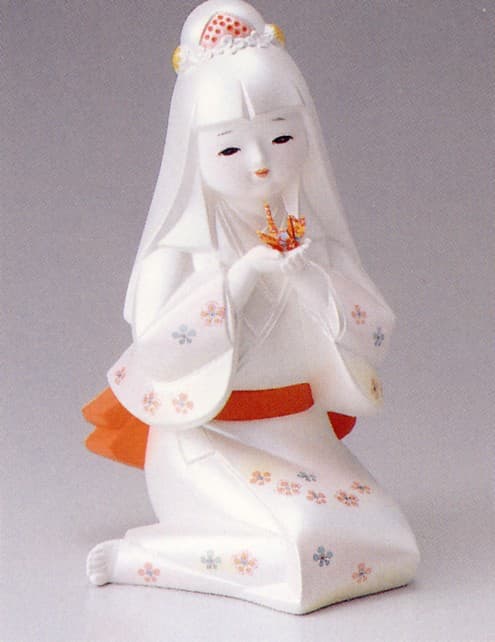
In Fukuoka City’s Hakata area, Hakata Ningyo moves from clay original and plaster mold to fired body, gofun skin, painted kimono detail, and the final eyes and brows drawn with a menso brush.
Itoshima oystersRegional foods
On Fukuoka’s Itoshima coast, winter makaki oysters move from fishing ports to charcoal and gas tables.
Yame teaTea & drinks
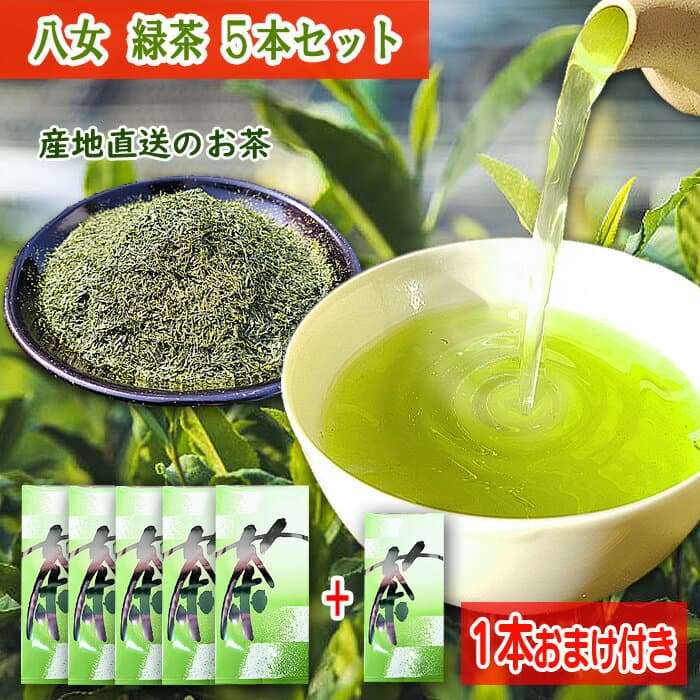
In southern Fukuoka, Yame tea fields spread along the Yabe River basin. Rain, mist, cool nights, sunlight, shade, steaming, rolling, and slow shizuku-cha all shape the cup.
Yame traditional gyokuroTea & drinks
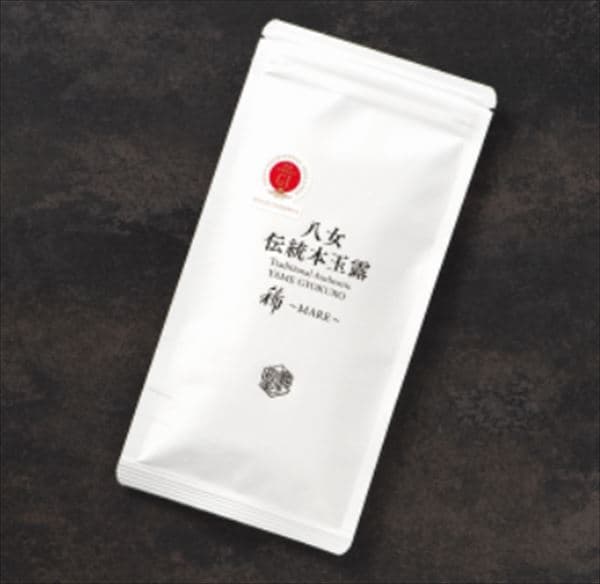
Morning mist, rice-straw covering, natural tree form, and hand-picked shoots shape the deep aroma and mellow body of this Yame tea.
Yame matchaTea & drinks
From tea fields in Fukuoka's Yame region to grinding in Hoshino Village and matcha desserts, Yame Matcha carries a local tea vocabulary into cups and plates.
Fukuoka noriRegional foods
On southern Fukuoka’s Ariake Sea, river nutrients, stake nets, and low-tide drying shape soft nori with aroma, quick melt, and clear umami for onigiri, makizushi, and soup.
Fukuoka Ariake noriRegional foods
On the Ariake Sea coast of southern Fukuoka, river nutrients, support-pole nets, low-tide air drying, and winter picking shape nori with a soft mouthfeel, clear aroma, and spreading umami.
Yame lanternsHome & living
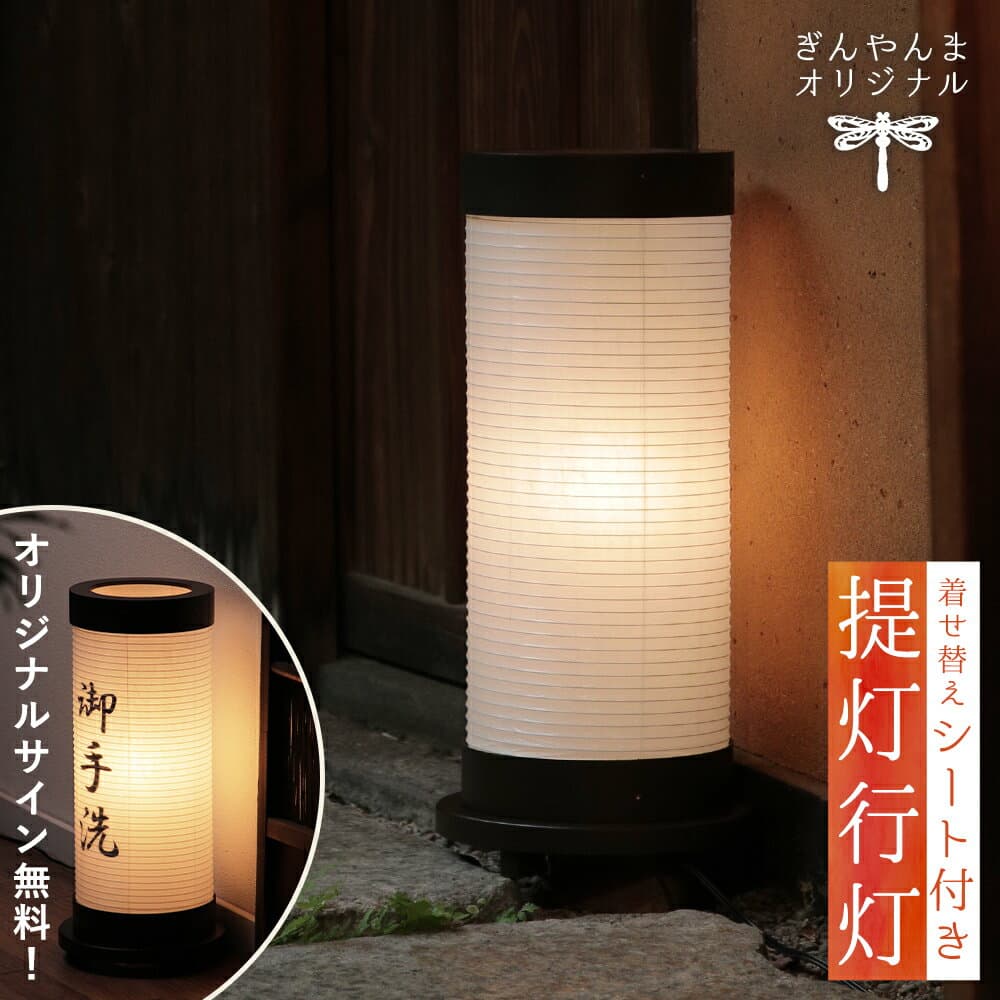
In Fukuoka’s Yame area, paper making, bamboo groves, and the Yabe River gave lantern makers practical materials. The craft now moves from Bon altars and festival streets to lampshades and interior glow.
Regional Gifts
Packable foods and gifts with clear regional character.
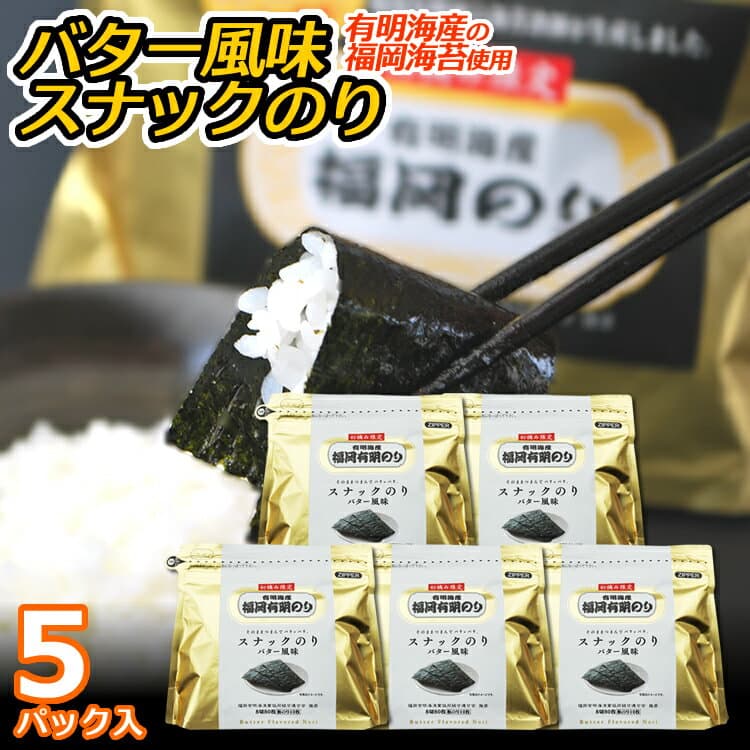
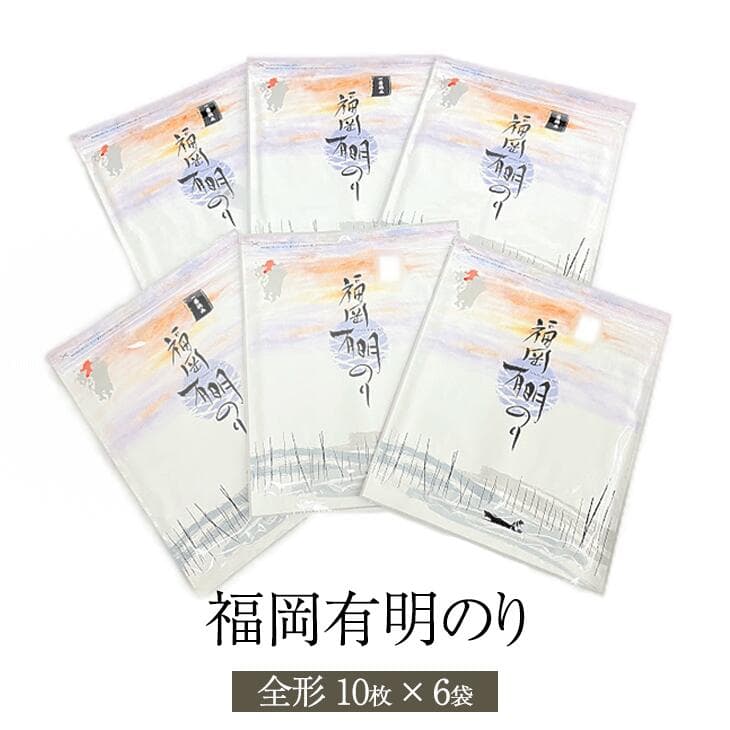
Table & Tea
Tea, drinks, foods, and table pieces shaped by local taste.

Daily Rituals
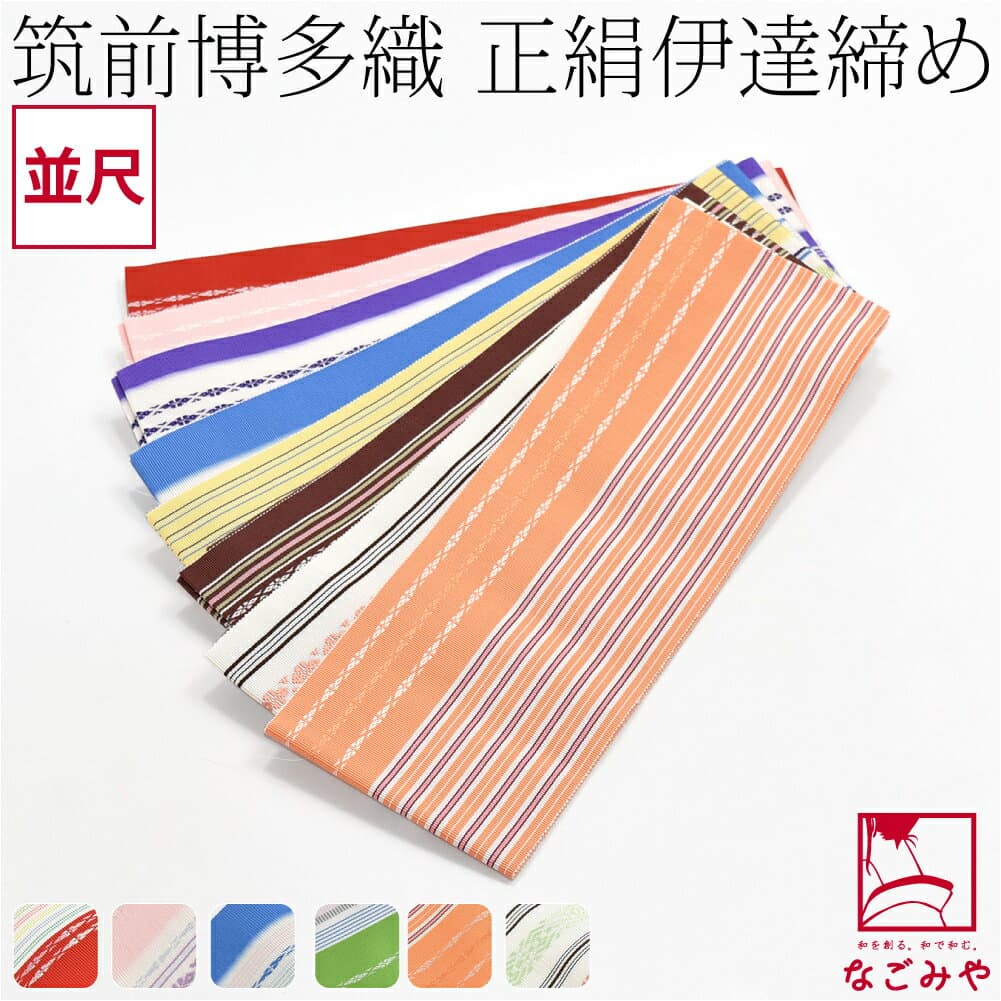
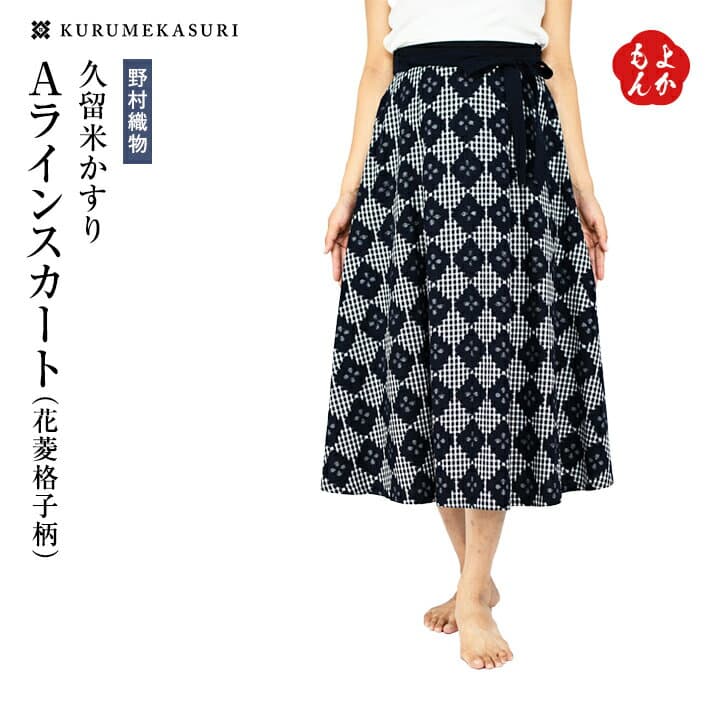
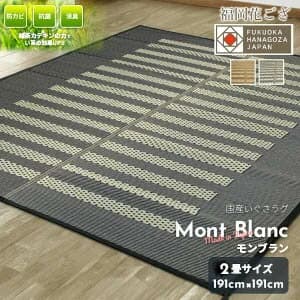
Home goods and textiles that turn everyday use into a local ritual.

Crafted Forms
Ceramics, lacquer, glass, woodwork, metalwork, folk craft, and their forms.
Fukuoka's specialties by category
How the same thing is made elsewhere, and what differs: the category overviews start here.
Kind before region: fresh fish is about handling, crab and oysters about season, nori and dried goods about processing.
Pick the type before the region: sencha is brisk, gyokuro is sweet and thick, matcha is ground tencha, hojicha is roasted and not bitter.
Earthenware or porcelain first, then the surface: unglazed like Bizen, glazed like Hagi, or painted like Kutani.
Woven or dyed first: tsumugi, kasuri and chijimi weave dyed yarn; yuzen, komon and bingata dye white cloth.
FAQ
What is Fukuoka known for?
Fukuoka (Kyushu) is represented here by specialties such as Hakata dolls, Itoshima oysters, Yame tea — each verified against official registries and matched to Rakuten listings.
Are Fukuoka souvenirs good to bring home?
Many Fukuoka picks — Hakata dolls, Itoshima oysters, Yame tea among them — are shelf-stable foods and crafts that travel well; for temperature- or fragility-sensitive items, confirm delivery and packaging on the Rakuten listing.
Are these products sold directly by this site?
No. This site curates Rakuten listings and may earn affiliate revenue from links to Rakuten.
How are products selected?
Listings are filtered for local relevance, product images, availability, and review strength.