 3 images
Hakata Jidori Chicken Thigh Pieces
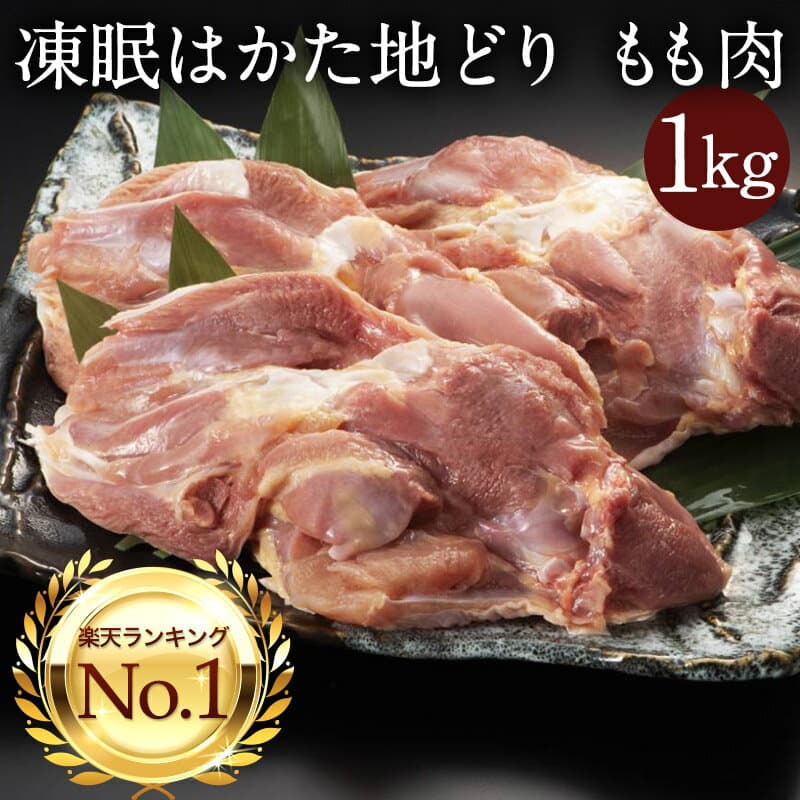
Z 【LINE初回登録で300円OFFクーポン配布中】 地どり 地鶏 じどり はかた地どり もも肉切身 1kg 4,5人前 国産 急速冷凍 生肉 長期保存 真空パック 備蓄 博多 福岡 お取り寄せ 鍋 焼鳥 鶏肉 鶏 肉 とり肉 ご当地 お取り寄せグルメ ギフト モモ肉 地鳥 ギフト 非常食 2026
1kgはかた地どり 水炊き 福栄組合
4.6 / 121 reviews
Japanese nameはかた地どり
Raised for about 80 days or more and floor-reared from day 28, Hakata Jidori brings firm texture and umami to Fukuoka dishes such as mizutaki, game-ni, and kashiwa-meshi.
Information last updated 120 days ago
3 imagesZ 【LINE初回登録で300円OFFクーポン配布中】 地どり 地鶏 じどり はかた地どり もも肉切身 1kg 4,5人前 国産 急速冷凍 生肉 長期保存 真空パック 備蓄 博多 福岡 お取り寄せ 鍋 焼鳥 鶏肉 鶏 肉 とり肉 ご当地 お取り寄せグルメ ギフト モモ肉 地鳥 ギフト 非常食 2026
1kgはかた地どり 水炊き 福栄組合
4.6 / 121 reviews
 3 images
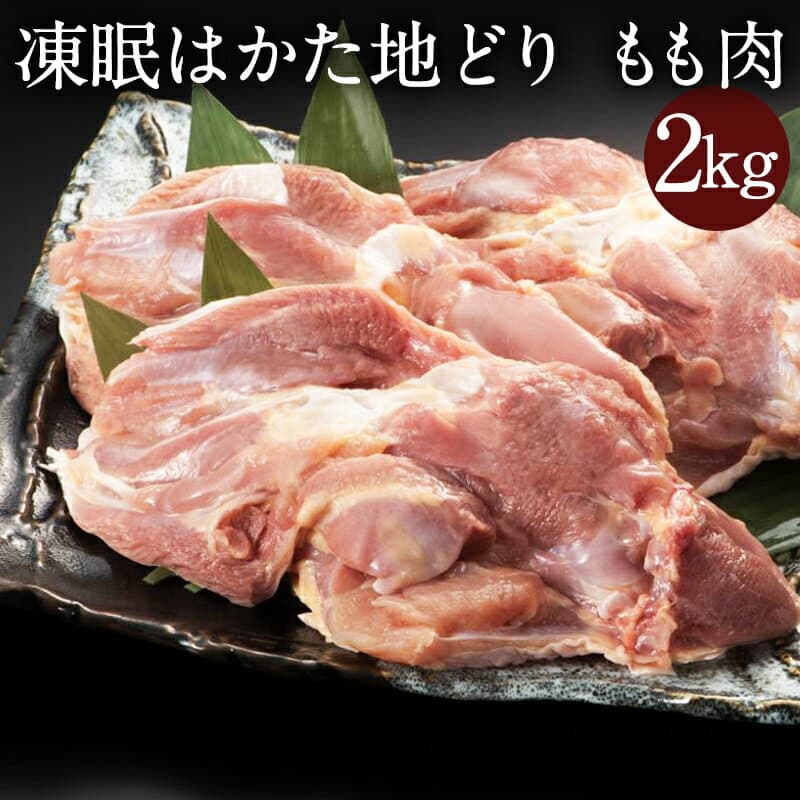
Z 【LINE初回登録で300円OFFクーポン配布中】 はかた地どり モモ肉 2kg 国産地鶏 鶏肉 もも 鶏もも肉 鳥もも肉 急速冷凍 生肉 もも肉 長期保存 真空パック 備蓄 博多 福岡 お取り寄せ 鍋 水炊き 地鶏 非常食 非常食セット 長期保存 防災食 保存食 2026 還暦祝い
2kgはかた地どり 水炊き 福栄組合
4.4 / 10 reviews
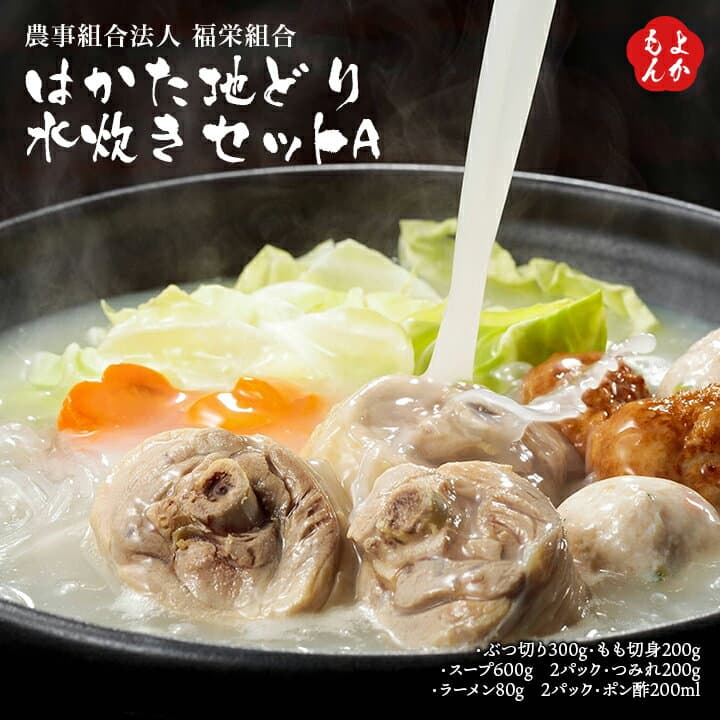
はかた地どり水炊きセットA【送料無料】農事組合法人 福栄組合 鍋セット 九州 福岡 お取り寄せグルメ 福岡県よかもんショップ
Set A福岡県よかもんショップ
5.0 / 3 reviews
First time buying on Rakuten? How residents in Japan order →
Hakata Jidori belongs closely to Fukuoka cooking: mizutaki hot pot, game-ni simmered chicken and vegetables, and rice dishes where chicken still needs a clear bite. Its first production form was completed in 1987 by the Fukuoka Prefectural Agriculture and Forestry Research Center for local dishes that needed chicken with flavor and texture. In 2010, Sazanami, a chicken long raised in Fukuoka, was added to the breeding work, improving tenderness and umami. The meat is known for moderate elasticity, firm bite, and flavor that grows as it is chewed.
The easiest way to understand Hakata Jidori is through Fukuoka dishes that simmer chicken. Mizutaki uses chicken as a main ingredient, while game-ni cooks chicken and vegetables together; both reward meat that keeps its shape and bite after heat. Hakata Jidori is described as rich in inosinate-derived umami, with good eating quality, moderate elasticity, and firm texture, so it suits simmered dishes without falling apart easily. Local food culture becomes concrete here through pieces of chicken in a pot, vegetables beside them, and a texture that remains distinct in the broth.
Hakata Jidori’s first production form was completed in 1987 at the Fukuoka Prefectural Agriculture and Forestry Research Center. The goal was practical and local: chicken for Fukuoka dishes such as mizutaki and game-ni, with richness, good flavor, and firm bite. In 2010, Sazanami was added to the crossing work, and the newer Hakata Jidori was described as having stronger umami and improved tenderness. The continuity sits in specific work: a prefectural research center, Shamo lines, Sazanami, and simmered dishes familiar in Fukuoka.
The chick behind Hakata Jidori comes from a prescribed crossing program. A male line produced for Hakata Jidori from native breeds such as Shamo is crossed with a female White Plymouth Rock. Those breed names matter because the finished meat is defined through texture and flavor: good taste, moderate elasticity, firm bite, and umami that becomes clearer as the meat is chewed.
After hatching, Hakata Jidori is raised for about 80 days or more. From 28 days of age onward, the birds are floor-reared inside poultry houses, with a density ceiling of 10 birds per square meter. JA Zennoh Fukuren explains floor rearing as birds moving on a flat ground surface rather than ordinary cage rearing, and connects long rearing and movement in the poultry house with firmer meat. Tradition here is best read through tangible details: days of raising, the floor of the poultry house, and the bite of cooked chicken in mizutaki or game-ni.
Beyond mizutaki and game-ni, Hakata Jidori appears in kashiwa-meshi, where chicken flavor and texture can stand out in cooked rice. Fukuoka City also lists karaage, sauteed preparations, and charcoal grilling, while the prefectural tourism board mentions tataki-style dishes, skewers, and smoked preparations. These uses point back to the same eating qualities: relatively low fat, richness, umami, and a texture that gives the chicken presence without heavy handling.
The production area for Hakata Jidori is Fukuoka Prefecture, and Fukuoka City describes farms within the prefecture, including an Imashuku example with 4,054 square meters of poultry housing and about 40,000 birds. Prefectural groups coordinate the product from production through sales, linking the name, raising method, and cooking uses. Its protected geographical indication also ties the name to Fukuoka production; for readers, the clearest facts are the farms in the prefecture, the 80-day-or-longer raising period, and the texture kept for mizutaki and game-ni.
Hakata Jidori’s character becomes clear in the pot, simmered dish, and rice bowl. The 1987 development work, the 2010 Sazanami improvement, the crossing of Shamo-related lines with White Plymouth Rock, and the 80-day-or-longer raising period all return to the same sensory point: firm bite and umami. In Fukuoka cooking, that means chicken that holds in mizutaki, keeps texture in game-ni, and leaves flavor in kashiwa-meshi as it is chewed.
Compiled from public records and official sources; see the recognition links below. Details may change over time.
Where this product is officially registered, designated, or recognized in Japan.
It is written as はかた地どり in Japanese. Search Rakuten and other Japanese sites with that spelling — the English name will not bring up the listings.
Hakata jidori chicken is Fukuoka Prefecture jidori chicken developed for local dishes such as mizutaki and game-ni. Its first production form was completed in 1987, and Sazanami was added in 2010 to improve tenderness and umami. Birds are raised for about 80 days or more, with floor rearing from day 28 onward, producing meat with moderate elasticity, firm bite, and umami.
Hakata Jidori chicks come from a cross involving a male line derived from native breeds such as Shamo and a female White Plymouth Rock. The first production form was completed in 1987 by the Fukuoka Prefectural Agriculture and Forestry Research Center. In 2010, Sazanami, long raised in Fukuoka, was added to the breeding work to improve tenderness and umami. From 28 days onward the birds are floor-reared inside poultry houses with a density ceiling of 10 birds per square meter.
It is used in Fukuoka mizutaki and in game-ni, a local simmered dish of chicken and vegetables. The firm texture and umami are also used in kashiwa-meshi. It is prepared as karaage, sauteed dishes, charcoal grilling, tataki-style dishes, skewers, and smoked preparations.
Storage varies by product — shelf-stable, refrigerated, or frozen — and is stated on the packaging and the Rakuten listing. Shelf-stable processed foods usually need refrigerating once opened and eating within a few days; chilled and frozen items go straight into storage on arrival. Treat the best-before date on the physical packaging as authoritative.
Most options are shelf-stable, boxed, and travel well, so they suit gifting or bringing home. Confirm the final storage and delivery terms on the Rakuten listing.
On Rakuten: the shops listed here right now are はかた地どり 水炊き 福栄組合, 福岡県よかもんショップ. We don't sell directly; purchase, payment, stock, and delivery are all handled on the Rakuten product page.