 3 images
AKOMEYA TOKYO Yame Matcha Powder
AKOMEYA TOKYO/ 八女抹茶缶 yame matcha powder 20g 抹茶 粉末
20g tinAKOMEYA TOKYO 楽天市場店
5.0 / 1 reviews
Japanese name八女抹茶
From tea fields in Fukuoka's Yame region to grinding in Hoshino Village and matcha desserts, Yame Matcha carries a local tea vocabulary into cups and plates.
Information last updated 119 days ago
3 imagesAKOMEYA TOKYO/ 八女抹茶缶 yame matcha powder 20g 抹茶 粉末
20g tinAKOMEYA TOKYO 楽天市場店
5.0 / 1 reviews
 3 images
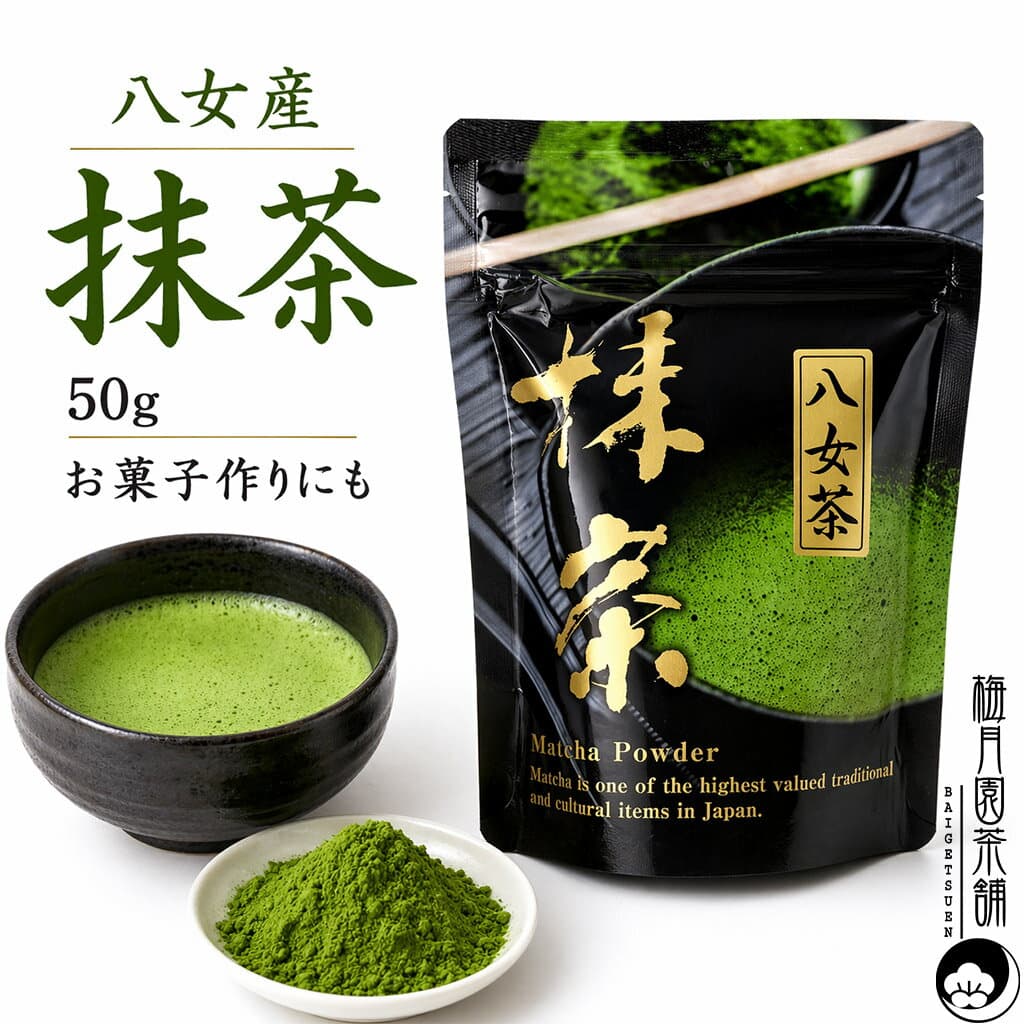
八女抹茶 50g 梅月園茶舗 抹茶 業務用 アイス抹茶 ラテ ミルク 大人気 福岡県産 スイーツ 日本茶 茶 まっちゃ グリーンティー アイス パフェ クッキー ケーキ かき氷 フラッペ 抹茶ラテ 抹茶ミルク カフェ お菓子作り お料理 YAME MATCHA matcha powder 茶処
50g pack梅月園茶店
4.6 / 8 reviews
First time buying on Rakuten? How residents in Japan order →
Yame Matcha often meets people through a latte, a tiramisu, or the sound of grinding tea in Hoshino Village. Its setting is the wider world of Fukuoka no Yamecha: the main Yame tea area spreads along the Yabe River basin, where moderate rainfall, large day-night temperature shifts, and frequent mist are described as favorable for tea cultivation. When matcha appears in sweets and drinks, those fields, processing steps, and tea experiences remain close behind the flavor.
The main production area for Yame tea lies in Fukuoka Prefecture's Yame region, spreading through the Yabe River basin. Moderate rainfall, sharp differences between day and night temperatures, and mist-prone conditions are described as reasons the area suits high-quality tea cultivation. Yame Matcha, as it appears in today's drinks and desserts, is therefore best understood inside that wider tea landscape: river basin, mist, tea fields, and the Fukuoka Yame tea name all shape its local outline.
The time depth belongs to Yame tea as a whole. In the 1423 origin account, Eirin Shuzui returned from China, built Reiganji in present-day Kurogi, Yame City, with support from Matsuo Tarogoro Hisaie, and passed on tea seeds and tea-making techniques. That account should not be recast as a matcha-only beginning. Kept in its proper frame, it shows how Yame Matcha draws on a broader Fukuoka tea background built from cultivation, technique, and repeated local use.
Yame tea is described with umami, body, a mellow taste, and a fresh aroma. Those words apply to the wider Yame tea family, so Yame Matcha is safest described through the scenes where it is named: tea flavor in a latte, matcha layers in tiramisu or Mont Blanc, and tea aroma in ice cream or chiffon cake. This keeps the tasting language tied to cups, desserts, and the Yame tea name without adding unsupported cultivar, grade, or milling rules.
The processing account for Yame tea begins with freshly picked leaves steamed with vapor, then moves through rough rolling, rolling, middle rolling, final rolling, and drying into aracha. Sorting and firing follow, shaping size and form while drawing out aroma and taste. These are broad Yame tea steps rather than a separate Yame Matcha specification, but they give the tea a tactile background: leaves are steamed, rolled, dried, sorted, and heated before the flavor reaches a cup or a dessert plate.
At the Tea Culture Museum in Hoshino Village, visitors can encounter matcha through grinding and can also try hand-rolled green-tea making. The experience brings Yame Matcha back from menu language to physical action: tea is handled, ground, and tasted through tools and steps. Because the museum is also described as a place to learn, taste, and experience tea, the matcha connection includes the sound of grinding, the movement of the hands, and a cup of tea in the Yame region.
Contemporary Yame Matcha appears across cafes, patisseries, bakeries, and restaurants. Fukuoka Prefecture has listed Yame Matcha tiramisu, Mont Blanc, latte, adzuki-bean bakery items, doughnuts, croffins, chunk cookies, sobagaki, and restaurant dishes, while Yame-area tea cafes have shown matcha parfait, affogato, pancakes, chiffon cake, and ice cream. The range matters because it gives the tea different textures to inhabit: dairy, dough, bean paste, chilled desserts, warm drinks, and cooked dishes all become carriers for Yame tea flavor.
Yame Matcha is most clearly seen through connected scenes rather than a single label: tea fields along the Yabe River basin, the Yame tea timeline from 1423, steaming and rolling steps for Yame tea, grinding in Hoshino Village, and cafe desserts or drinks that name the matcha directly. Together, those scenes place it within Fukuoka's Yame tea world as a tea flavor people can drink, eat, and handle.
Compiled from public records and official sources; see the recognition links below. Details may change over time.
Where this product is officially registered, designated, or recognized in Japan.
Regional collective trademark
Registered as a Regional Collective Trademark with the Japan Patent Office.
Sources1
It is written as 八女抹茶 in Japanese. Search Rakuten and other Japanese sites with that spelling — the English name will not bring up the listings.
Yame matcha is matcha as it appears in Fukuoka Prefecture's wider Fukuoka no Yamecha setting. The main Yame tea area lies along the Yabe River basin, where rainfall, day-night temperature differences, and mist are described as favorable for tea cultivation. Yame tea's timeline reaches back to 1423. It appears today in Hoshino Village grinding experiences, cafe sweets, drinks, baked goods, and restaurant dishes.
Yame tea is described with umami, body, a mellow taste, and a fresh aroma. The Yame tea origin account names Eirin Shuzui, Reiganji, tea seeds, and tea-making techniques. The Tea Culture Museum in Hoshino Village is described as a place to learn, taste, and experience tea, including matcha grinding and hand-rolled green-tea making. Fukuoka Prefecture listed Yame matcha tiramisu, Mont Blanc, latte, doughnuts, cookies, and other limited-time menu items during a prefecture-led fair.
Cafes and restaurants use Yame matcha in sweets and drinks. Visitors can grind matcha and make hand-rolled green tea at the Tea Culture Museum in Hoshino Village. Yame tea cafes present matcha alongside brewed tea and desserts.
Water temperature varies a lot by type of Japanese tea: roughly 50–60°C for gyokuro, 70–80°C for sencha, and near-boiling 90–100°C for hojicha (including roasted stem tea), bancha, and genmaicha, steeped for about 30 seconds to a minute. A common ratio is about 3g of leaf per 150ml of water. Follow the instructions on the packaging where they differ.
Tea leaves are damaged by light, humidity, and absorbed odours. Once opened, keep them sealed and away from light at room temperature and drink them within a few weeks. If you refrigerate them, let the container return to room temperature before opening so condensation doesn't get in.
Most options are shelf-stable, boxed, and travel well, so they suit gifting or bringing home. Confirm the final storage and delivery terms on the Rakuten listing.
On Rakuten: the shops listed here right now are AKOMEYA TOKYO 楽天市場店, 梅月園茶店. We don't sell directly; purchase, payment, stock, and delivery are all handled on the Rakuten product page.