 3 images
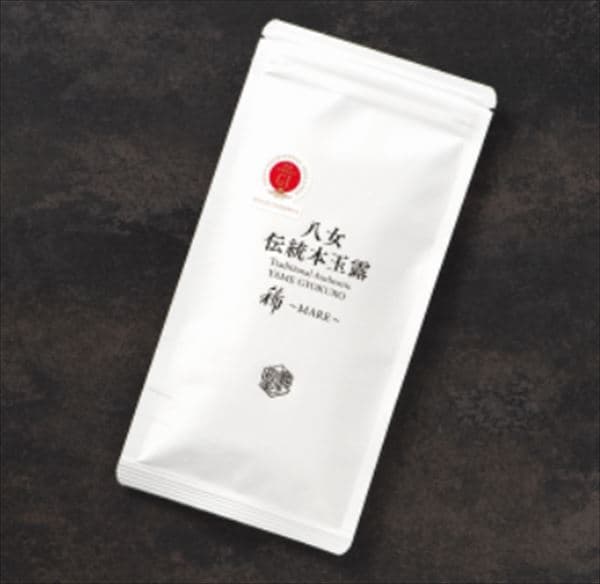
Hoshino Seichaen GI Yame Traditional Hon Gyokuro “Mare”
【福岡/八女/星野製茶園】GI八女伝統本玉露「稀(まれ)」50gチャック袋入
50g zip pouch茶道具商 左座園
Japanese name八女伝統本玉露
Morning mist, rice-straw covering, natural tree form, and hand-picked shoots shape the deep aroma and mellow body of this Yame tea.
Information last updated 119 days ago
3 images【福岡/八女/星野製茶園】GI八女伝統本玉露「稀(まれ)」50gチャック袋入
50g zip pouch茶道具商 左座園
 3 images
光安青霞園茶舗 八女伝統本玉露プレミアム 50g 送料無料 日本茶 緑茶 八女茶 玉露 日本一 国産 福岡 お茶 茶葉 リーフ テアニン ギフト プレゼント プチギフト 内祝 お中元 お歳暮 お祝 誕生日 お礼 初盆 お盆 お供え 仏事
50g光安青霞園茶舗 楽天市場店
 3 images
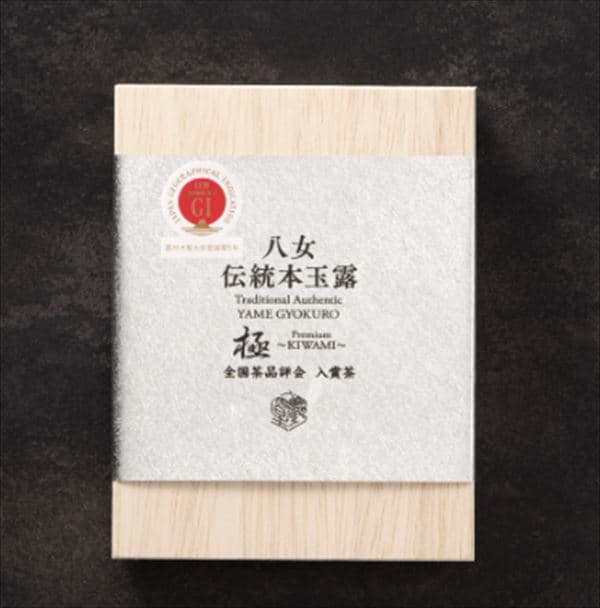
【福岡/八女/星野製茶園】【玉露】農林水産省GI認定 八女伝統本玉露 【極kiwami】 木箱入 5g×5袋
wooden box, 5g x 5 packets茶道具商 左座園
First time buying on Rakuten? How residents in Japan order →
Yame Traditional Hon Gyokuro belongs to Yame City and nearby mid-mountain areas of Fukuoka. Its fields sit in a landscape described by an average annual temperature of about 15.2°C, annual rainfall of about 2,019 mm, morning mist, and marked day-night temperature differences. In the wider Oku-Yame area, Kurogi, Joyo, Yabe, and Hoshino add steep mountains and clear streams to the tea’s sense of place.
The fresh leaves for Yame Traditional Hon Gyokuro are grown in the mid-mountain areas of Yame City and surrounding municipalities. Fukuoka’s southern tea country is described through morning mist, rainfall, and temperature shifts; Oku-Yame, including Kurogi, Joyo, Yabe, and Hoshino, adds steep terrain and clear streams to that setting.
When the tea is called local, the word points to concrete conditions: mountain tea gardens, an annual average temperature near 15.2°C, rainfall near 2,019 mm, mist in the morning, and cool-warm shifts between night and day. Those conditions are tied to high-quality tea production and amino-acid accumulation in the leaves.
During growth, gyokuro shoots are covered. Yame Traditional Hon Gyokuro uses natural materials such as rice straw and sumaki, a coarse mat woven from rice straw, reeds, and related plant material. This covering helps create ooika, the seaweed-like covered aroma associated with gyokuro.
The covering also connects the tea field to nearby farming. Rice and wheat cultivation support the supply of straw, while livestock farming supports compost for tea gardens. Under rice straw and sumaki, the shoots grow toward a finished tea known for rich aroma.
Yame Traditional Hon Gyokuro is grown with a natural tree form, allowing nutrients to reach individual shoots. This differs from the arched style that shapes a rounded picking surface; the natural form keeps attention on the growth of each shoot.
Harvesting is done by hand so that the tender parts of the new shoots can be picked evenly. That hand selection supports a finished appearance described as vivid green, glossy, finely twisted, and delicate.
After harvest, fresh leaves receive primary processing at tea factories in the production area and become aracha. The aracha is then reprocessed so that appearance and aroma are adjusted, becoming the finished tea known as shiagecha.
The cup reflects those field and processing choices. The tea is described as high in dimethyl sulfide linked to ooika, rich in amino acids such as theanine, and lower in catechins associated with astringency; the infusion is concentrated, mellow, and full-bodied.
The longer Yame tea line reaches back to 1423, when the Zen monk Eirin Shuzui is said to have founded Reiganji in today’s Kurogi, Yame, sowed tea seeds from Ming China, and taught tea-making methods. Tea production later spread through the mountain area around 1820 to 1840.
A key turn for gyokuro came in Hoshino around 1904. Suezaki Kiichi of the Moto-Hoshino area learned gyokuro methods from Uji in Kyoto, helped full-scale Hoshino gyokuro take shape, and the practice later spread to nearby mid-mountain areas; straw covering and hand-picking remain the concrete practices that carry that line forward.
Continuity depends on repeated work by trained hands. Annual hand-rolling contests and training sessions, including participation by younger successors, support the transfer of rolling skill and judgment from person to person.
At Tea no Bunkakan in Hoshino, Yame Traditional Hon Gyokuro is tasted as shizuku-cha. The facility also presents displays on tea growth, making, and types, and recreates a traditionally covered gyokuro garden space. In a small sip, the covered aroma, umami, and mellow body gather into a slow tasting experience.
Yame Traditional Hon Gyokuro is shaped by Fukuoka mountain fields, rice straw and sumaki covering, natural tree-form cultivation, hand-picked new shoots, the movement from aracha to finished tea, and Hoshino’s gyokuro practice from around 1904. Its aroma and deep umami come from more than cup language: they come from Yame and Oku-Yame slopes, mist, farm materials, and trained hands.
Compiled from public records and official sources; see the recognition links below. Details may change over time.
Where this product is officially registered, designated, or recognized in Japan.
Geographical Indication (GI)
Registered under Japan's Geographical Indication Protection System, run by the Ministry of Agriculture, Forestry and Fisheries.
Sources1
It is written as 八女伝統本玉露 in Japanese. Search Rakuten and other Japanese sites with that spelling — the English name will not bring up the listings.
Yame Traditional Hon Gyokuro is a finished tea from Yame City and nearby mid-mountain areas of Fukuoka. It is defined by rice-straw and sumaki covering, natural tree-form cultivation, and hand-picked tender shoots. Morning mist, rainfall, and day-night temperature differences shape the fields, and the finished tea is vivid green and glossy, with ooika aroma, concentrated umami, mellow taste, and full body.
Around 1904, Suezaki Kiichi of Hoshino learned gyokuro methods from Uji, helping full-scale Hoshino gyokuro production take shape. Fresh leaves are first processed into aracha, then reprocessed into finished tea with adjusted appearance and aroma. Sumaki is a coarse mat woven from rice straw and reeds. Natural tree-form cultivation sends nutrients to individual shoots, and hand-picking gathers new shoots evenly.
Tea no Bunkakan serves Yame Traditional Hon Gyokuro as shizuku-cha, a slow tasting that fits its concentrated umami, mellow body, and aromatic character. The facility offers tea-room use and a Yame Traditional Hon Gyokuro course served by shizuku-cha or tea-plate temae.
Water temperature varies a lot by type of Japanese tea: roughly 50–60°C for gyokuro, 70–80°C for sencha, and near-boiling 90–100°C for hojicha (including roasted stem tea), bancha, and genmaicha, steeped for about 30 seconds to a minute. A common ratio is about 3g of leaf per 150ml of water. Follow the instructions on the packaging where they differ.
Tea leaves are damaged by light, humidity, and absorbed odours. Once opened, keep them sealed and away from light at room temperature and drink them within a few weeks. If you refrigerate them, let the container return to room temperature before opening so condensation doesn't get in.
Most options are shelf-stable, boxed, and travel well, so they suit gifting or bringing home. Confirm the final storage and delivery terms on the Rakuten listing.
On Rakuten: the shops listed here right now are 茶道具商 左座園, 光安青霞園茶舗 楽天市場店. We don't sell directly; purchase, payment, stock, and delivery are all handled on the Rakuten product page.