 3 images
Fukuoka Yamecha Deep-Steamed Sencha Green Tea Leaves
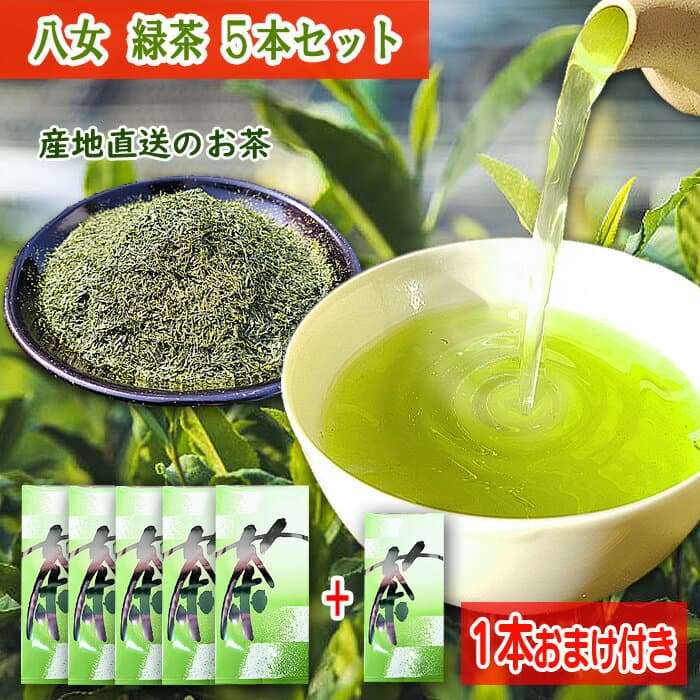
お茶 八女茶 緑茶 100g 5袋セット +1本おまけ 茶葉 煎茶 送料無料 深蒸し茶 福岡 八女 通販 日本茶 新茶 お茶葉 急須 国産 八女 煎茶 産地直送 リーフ 美味しい 無添加 お得 お土産 贈り物 業務用
100g x 5 bags + 1 bonus bag八女茶の製造直売 お茶の浅野園
4.7 / 258 reviews
Japanese name八女茶
In southern Fukuoka, Yame tea fields spread along the Yabe River basin. Rain, mist, cool nights, sunlight, shade, steaming, rolling, and slow shizuku-cha all shape the cup.
Information last updated 5 hours ago
3 imagesお茶 八女茶 緑茶 100g 5袋セット +1本おまけ 茶葉 煎茶 送料無料 深蒸し茶 福岡 八女 通販 日本茶 新茶 お茶葉 急須 国産 八女 煎茶 産地直送 リーフ 美味しい 無添加 お得 お土産 贈り物 業務用
100g x 5 bags + 1 bonus bag八女茶の製造直売 お茶の浅野園
4.7 / 258 reviews
 3 images
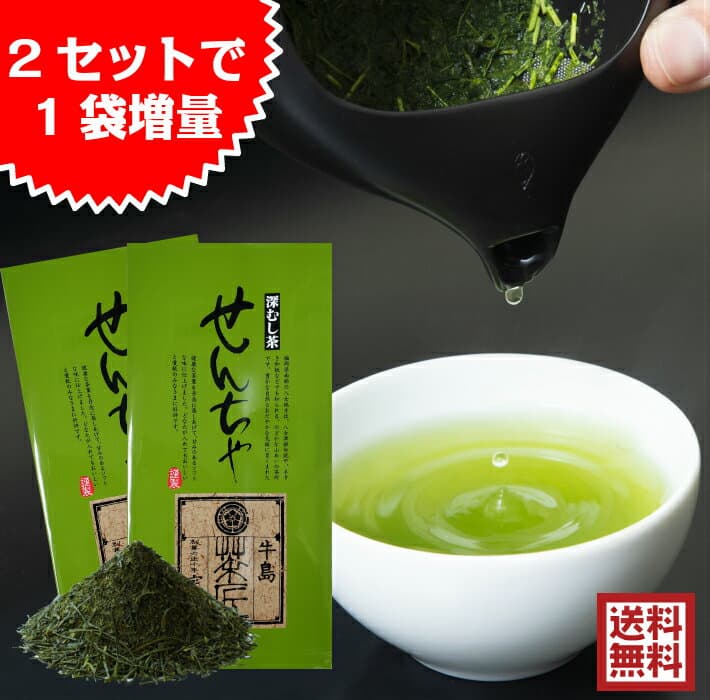
【2026年新茶】【2セットご購入で1袋増量】煎茶 送料無料 日本茶 八女茶 新茶 八女深蒸し煎茶 100g 2本セット 茶葉 緑茶 おためし プレゼント 店頭受取対応商品
100g x 2 packs牛島製茶 楽天市場店
4.6 / 1632 reviews
 3 images
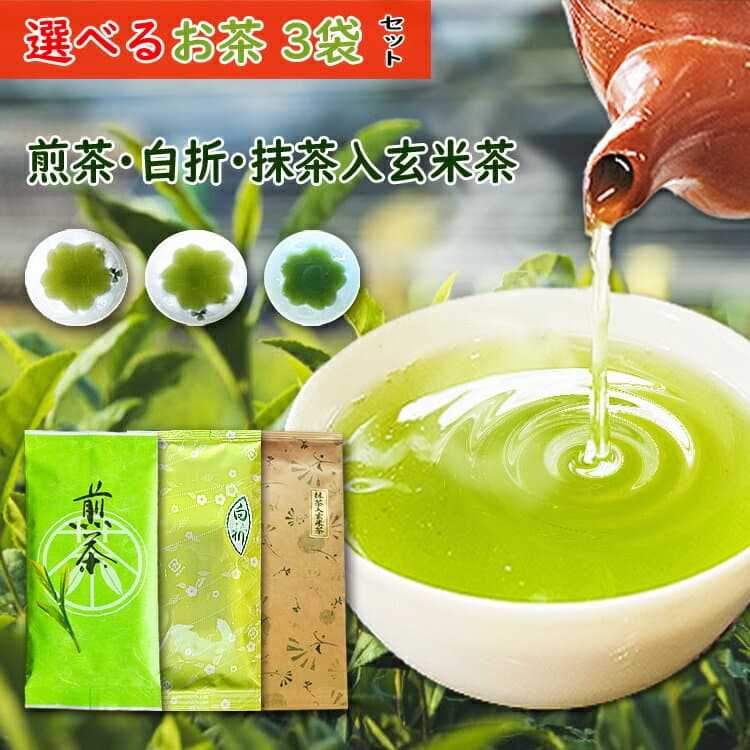
お茶 八女茶 選べる 八女茶 3本セット 煎茶 白折 抹茶入玄米茶 自宅用 緑茶 深蒸し茶 くき茶 抹茶入 玄米茶 深むし お茶葉 通販 日本茶 新茶 かりがね 茎茶 母の日 父の日 敬老の日 茶葉 おすすめ 茶
80g x 3八女茶の製造直売 お茶の浅野園
4.6 / 441 reviews
First time buying on Rakuten? How residents in Japan order →
In southern Fukuoka, Yame tea belongs to the Yame area and the fields spreading through the Yabe River basin. Moderate rain, mist, and sharp day-night temperature changes give the tea-growing landscape its shape; the leaves are known for umami, body, a mellow taste, and a fresh aroma. The family moves through several forms: sun-grown sencha from flatter and hilly fields, gyokuro shaded before picking in middle-mountain areas, and hon gyokuro brewed slowly as shizuku-cha in Hoshino Village. Its depth comes from concrete work, from steam touching fresh leaves to rolling, drying, sorting, and final firing.
The main Yame tea fields spread along the Yabe River basin, where rain, water, cool nights, and frequent mist become part of the cup. Daytime warmth lets the bushes grow; cooler nights slow plant respiration, helping amino acids remain in the leaves, the element tied to umami in the regional explanation. That is why taste words for Yame tea stay close to the land: mellow, rich, rounded, and fresh. The words point back to the basin, the fog, and the temperature swing between day and night.
The beginning usually given for Yame tea is 1423. Zen monk Eirin Shuzui returned from Ming China with tea seeds and tea-making methods, then received help from Matsuo Taro Goro Hisaiie in the area now known as Kurogi, Yame City. Around Reiganji, the seeds and methods were passed on. The account keeps Yame tea grounded in named people and a named temple before the name widens into a tea area in southern Fukuoka.
Within the Yame name, sencha and gyokuro follow different growing rhythms. Sencha is mainly produced in flatland and hilly fields, where the leaves receive full sunlight. Gyokuro is produced in middle-mountain areas, with sunlight blocked for about 20 days before picking. The two paths give the family its range: open fields and sun for sencha, covered shelves and deepening shade for gyokuro. The difference is agricultural before it is sensory, beginning with where the bushes grow and how light reaches the leaves.
After picking, fresh leaves enter a precise sequence. Steam first stops the raw leaves from changing too quickly. Rough rolling dries them while they are moved; kneading presses the leaves so moisture becomes more even; another rolling stage uses hot air; shaping straightens the leaves into needle-like lines. When the leaves are fully dried, they become aracha. Sorting adjusts shape and size, and final firing dries the tea again while drawing out aroma and taste. The fresh fragrance and body in Yame tea sit inside this order of steam, pressure, heat, and time.
Yame Traditional Hon Gyokuro shows a concentrated side of the Yame family through field work. The bushes are kept in a natural shape and pruned only once a year. About 20 days before harvest, shelves over the fields are covered with straw, and light is reduced in stages. Pickers work by hand at the tender shoots, in fields where the new growth can reach around head height. This focused method belongs to hon gyokuro inside the wider Yame family, while sencha and other cups follow their own growing contexts.
Yame tea has several slow paths into the cup. A kyusu lets the leaves open in a household teapot, a form that local tea people still speak for as bottled tea has made teapots less common in some homes. Cold brew takes another route, using soft water, several tea bags per liter, and about four hours in the refrigerator. Gyokuro asks for lower heat: water around 40 to 45 C and roughly three to four minutes for the first extraction. At the Tea Culture Museum in Hoshino Village, shizuku-cha carries that slowness further, placing hon gyokuro in a lidded bowl with cool water so concentrated drops of umami and aroma can be sipped little by little. After several steeps, the softened leaves can be eaten with ponzu, vinegar-soy, rock salt, or simmered with soy sauce and mirin as tsukudani.
Behind the fields are people and organizations that keep Yame tea moving. JA growers appear in the tea-growing world; the Fukuoka Tea Commerce and Industry Cooperative links member tea businesses through production promotion, wider drinking, and distribution; producer organizations work on production-area formation, quality improvement, production technique, and tea-manufacturing technique. In Yame City's Kikko area, the Zen-Noh Fukuoka tea transaction center has served as a distribution base since 1974. Learning spaces widen the map: the Yame Tea Sommelier School trains people to brew Fukuoka Yame tea, while the Yame Traditional Craft Museum places Yame tea beside local crafts such as lanterns, stone lanterns, handmade paper, and bamboo work.
Yame tea gathers its shape from the Yabe River basin, the 1423 beginning tied to Reiganji in Kurogi, the sunlight of sencha fields, the shade over gyokuro, and the factory rhythm from steaming to final firing. It also lives in small gestures: straw laid on shelves, shoots picked by hand, water cooled for gyokuro, and drops of shizuku-cha taken slowly from a lidded bowl. Those places, tools, and steps give a cup from southern Fukuoka its quiet depth.
Compiled from public records and official sources; see the recognition links below. Details may change over time.
Where this product is officially registered, designated, or recognized in Japan.
Regional collective trademark
Registered as a Regional Collective Trademark with the Japan Patent Office.
Sources1
It is written as 八女茶 in Japanese. Search Rakuten and other Japanese sites with that spelling — the English name will not bring up the listings.
Yame tea is associated with the Yame area of southern Fukuoka, with fields spreading mainly along the Yabe River basin. Moderate rain, frequent mist, and day-night temperature swings are linked to its umami, body, and fresh aroma. Its origin account dates to 1423, when Eirin Shuzui brought tea seeds and tea-making methods from Ming China and taught them near present-day Reiganji in Kurogi. The family spans sun-grown sencha, shade-grown gyokuro, and hand-picked hon gyokuro.
Yame sencha is mainly grown in sunny flatland and hilly fields, while Yame gyokuro is grown in middle-mountain areas and shaded for about 20 days before picking. Yame tea processing includes steaming, rough rolling, kneading, further rolling and shaping, drying into aracha, sorting, and final firing. Yame Traditional Hon Gyokuro is grown with naturally shaped bushes, pruned once a year, and shaded on straw-covered shelves in stages before hand-picking. Rain, water quality, and cool nights are connected to the amino acid content and umami of Yame tea.
Home brewing often uses a kyusu (teapot); a JA tea division leader promotes this style so drinkers can enjoy Yame tea's taste even as bottled tea has reduced teapot use in some households. At the Tea Culture Museum in Hoshino Village, Yame Traditional Hon Gyokuro is served as shizuku-cha, poured into a lidded bowl with cooled water so drops can be sipped slowly for concentrated umami and aroma. A producer recommends cooling the water to about 40-45 degrees C and steeping gyokuro for roughly 3-4 minutes, then raising the temperature for later steeps.
Water temperature varies a lot by type of Japanese tea: roughly 50–60°C for gyokuro, 70–80°C for sencha, and near-boiling 90–100°C for hojicha (including roasted stem tea), bancha, and genmaicha, steeped for about 30 seconds to a minute. A common ratio is about 3g of leaf per 150ml of water. Follow the instructions on the packaging where they differ.
Tea leaves are damaged by light, humidity, and absorbed odours. Once opened, keep them sealed and away from light at room temperature and drink them within a few weeks. If you refrigerate them, let the container return to room temperature before opening so condensation doesn't get in.
Most options are shelf-stable, boxed, and travel well, so they suit gifting or bringing home. Confirm the final storage and delivery terms on the Rakuten listing.
On Rakuten: the shops listed here right now are 八女茶の製造直売 お茶の浅野園, 牛島製茶 楽天市場店. We don't sell directly; purchase, payment, stock, and delivery are all handled on the Rakuten product page.