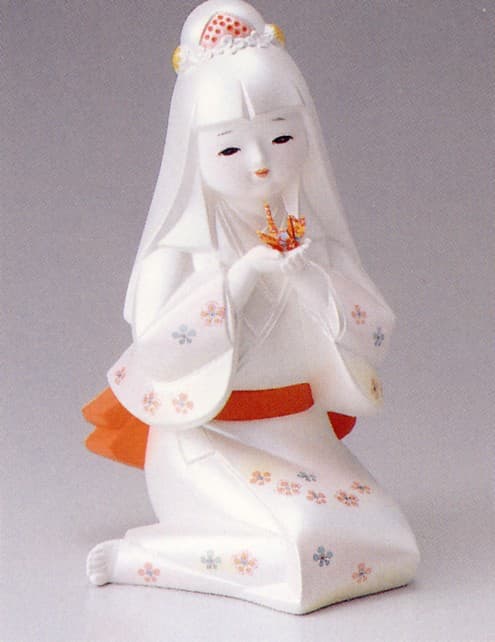
Chiyozuru Hakata Doll by 匠伍郎
千代鶴【博多人形】
26 cm height人形のモリシゲ
5.0 / 2 reviews
Japanese name博多人形
In Fukuoka City’s Hakata area, Hakata Ningyo moves from clay original and plaster mold to fired body, gofun skin, painted kimono detail, and the final eyes and brows drawn with a menso brush.
Information last updated yesterday
千代鶴【博多人形】
26 cm height人形のモリシゲ
5.0 / 2 reviews
 3 images
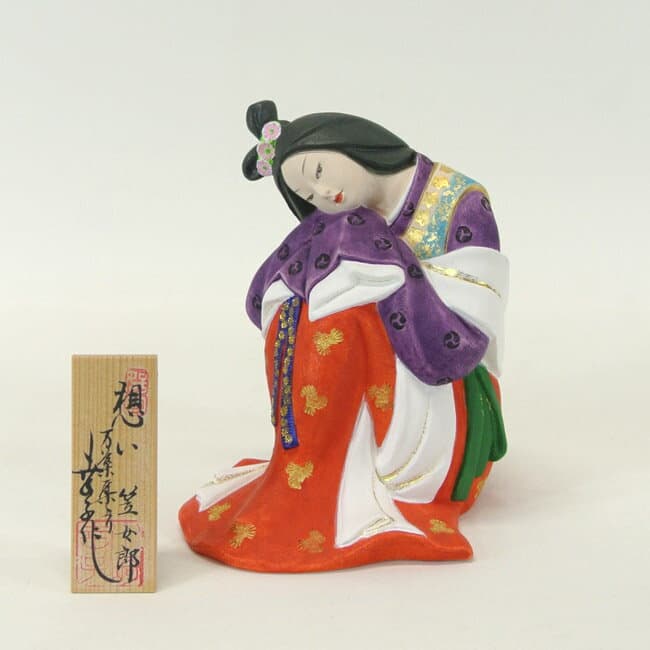
【博多人形】【美人物(座姿)】『想い 幸子作』
13 cm藤田人形楽天市場店
 3 images
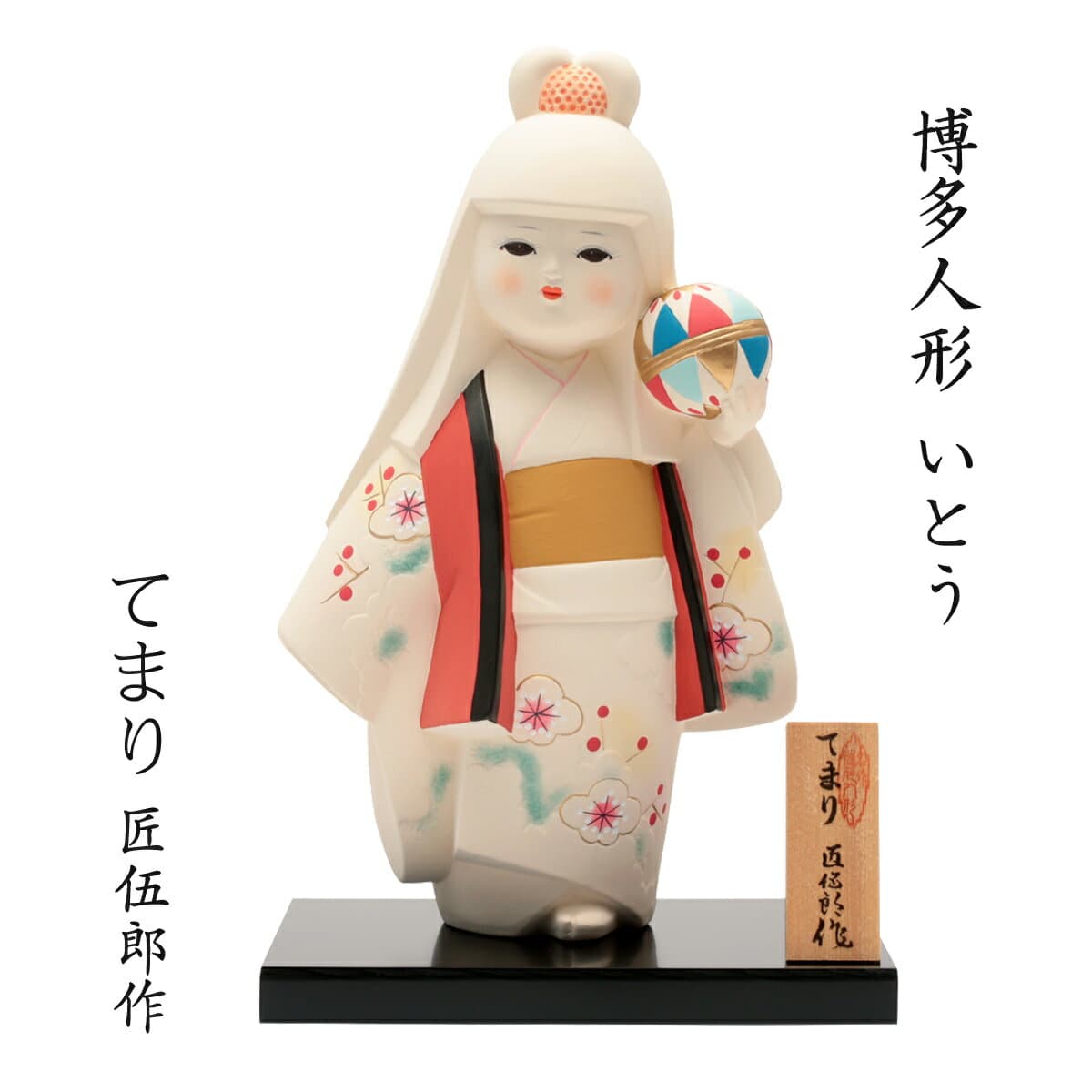
送料無料 [博多人形いとう] 人形 博多人形 てまり 匠伍郎作 /博多人形/人形/日本人形/匠伍郎作/福岡/博多/工芸品/土産/縁起物/女の子/癒し/てまり
にじデパート楽天市場店
5.0 / 2 reviews
 3 images
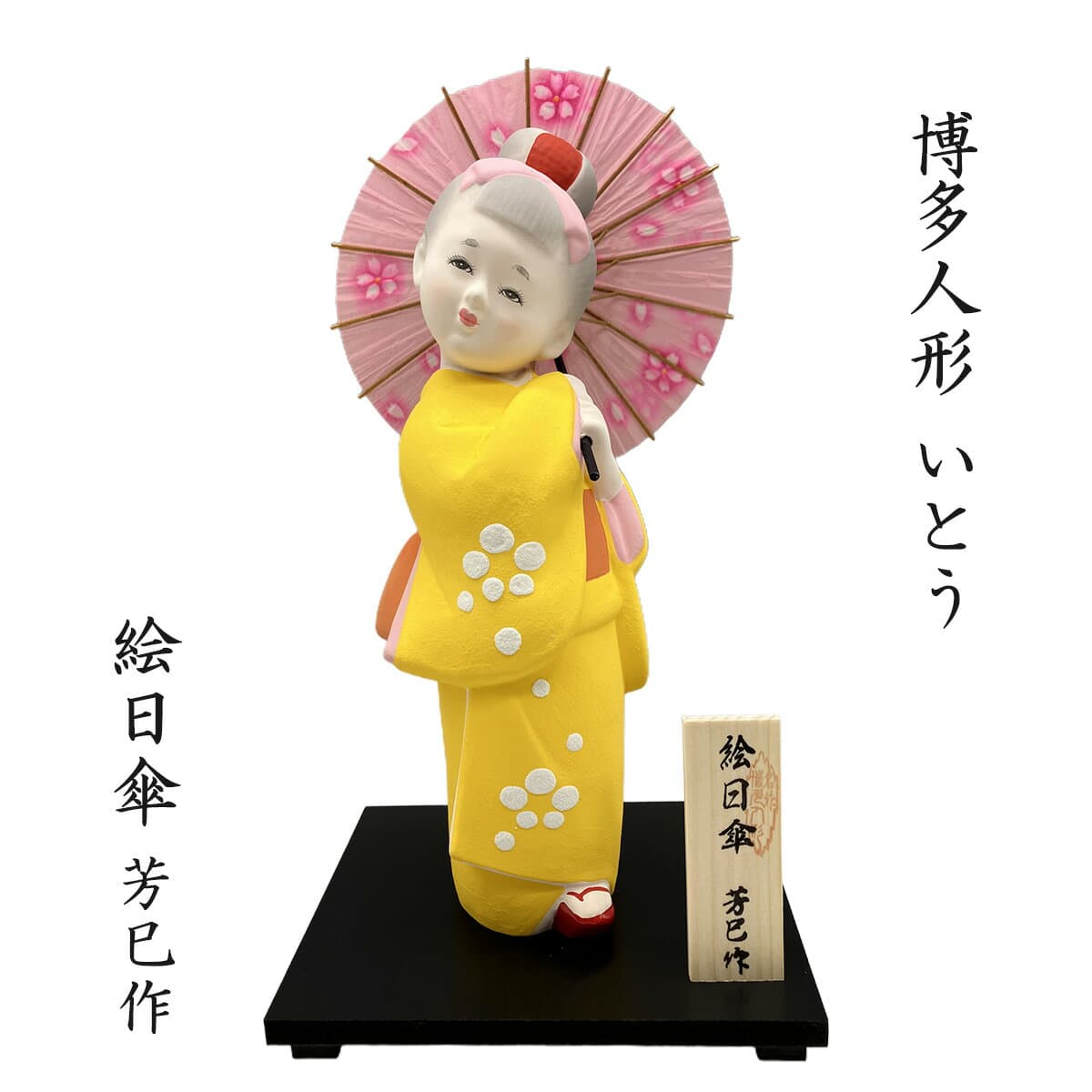
博多人形 [博多人形いとう] 博多人形 絵日傘 芳巳作 /福岡 博多 日本人形 工芸品 土産 女の子 女性 傘
にじデパート楽天市場店
5.0 / 2 reviews
First time buying on Rakuten? How residents in Japan order →
All 4 listings of this product on Rakuten, lowest price first.
| Listing | Price | Shop | Reviews | Open listing |
|---|---|---|---|---|
Hakata Ningyo Ito Hakata Doll, Painted Parasol by Yoshimi Lowest price | ¥3,960 | にじデパート楽天市場店 | 5.0 / 2 reviews | View on Rakuten → |
Hakata Ningyo Ito Temari Hakata Doll by 匠伍郎 | ¥5,120 | にじデパート楽天市場店 | 5.0 / 2 reviews | View on Rakuten → |
Chiyozuru Hakata Doll by 匠伍郎 26 cm height | ¥5,646 | 人形のモリシゲ | 5.0 / 2 reviews | View on Rakuten → |
Hakata Doll “Omoi” Seated Beauty by Kawasaki Sachiko 13 cm | ¥23,000 | 藤田人形楽天市場店 | View on Rakuten → |
Japanese · new tab
Hakata Ningyo comes into view through Fukuoka City’s Hakata-ku and through the handwork of clay and brush. Its cooperative is based in Narayamachi, while dolls and large-scale works appear in Hakata streets, stations, facilities, and cultural programs. A finished figure carries a sequence of making: an idea becomes a sketch, the sketch becomes a clay original, a plaster mold holds the form, and the fired body receives gofun, kimono patterns, obi detail, and the lips, eyes, and eyebrows that give the face its presence.
The local ground of Hakata Ningyo is concrete: Fukuoka City, Hakata-ku, Narayamachi, where the craft cooperative is based, and the Hakata streets where reliefs, events, facilities, and larger works make the dolls visible beyond a workshop. Examples named for public settings include Hakata Station and the Fukuoka International Congress Center, along with hotels, airport lobbies, and concourses.
The Hakata Traditional Craft and Design Museum places Hakata Ningyo among Hakata crafts and runs exhibitions, maker and technique content, and hands-on painting programs. For a visitor, the name Hakata Ningyo is tied to a neighborhood address, public works in the city, and a museum setting where painting a small doll turns the craft from an object behind glass into a practiced movement of brush and color.
The craft cooperative traces the beginning of Hakata Ningyo to 1600, when craftspeople gathered as Kuroda Nagamasa entered Chikuzen, and unglazed dolls from that community became a foundation for the craft. This account gives the dolls a local starting point in gathered makers, clay, and the political movement into Chikuzen.
In the late Edo period, makers such as Masaki Sochichi, Nakanoko Kichibei, and Shiramizu Buhei helped the trade become active and circulate across Japan. In the Meiji era, Hakata dolls drew attention at international expositions including Paris and were exported abroad under the name Hakata Ningyo. Around 1897, leading makers formed the Onwakai, bringing works to regular monthly meetings and discussing them together, an exchange that connected individual workshops with modern forms and new subjects.
An ordinary Hakata Ningyo starts with the maker’s idea and sketch. The maker shapes a clay original, carving the head, body, hands, and feet, then takes a plaster mold from that original. Clay is pressed into the mold, the body is formed, and firing prepares the surface for color and fine detail.
The sequence matters because it combines a stable molded form with hand-shaped decisions. The plaster mold keeps posture and clothing lines; the pressed clay body holds those lines through firing; later color and face work turn the form into a specific figure. The craft’s continuity is carried in this chain of clay modeling, molding, pressing, firing, and hand finishing.
After firing, gofun is applied to the skin areas. This white ground gives faces and hands their base before the maker paints kimono patterns and obi details. The body becomes readable through layers: skin, garment, belt, and the small painted elements that separate cloth from flesh.
The final face work is done with a menso brush. Lips, eyes, and eyebrows are small marks, but the cooperative describes them as central to lifelike expression. Hakata Ningyo is often read through the face: gofun prepares the skin, and the brush fixes expression onto fired clay.
Hakata doll makers also work in the setting of Hakata Gion Yamakasa. On July 1, decorative yama appear in the city, and carried yama move through the streets; the figures used there are made with wood, bamboo, washi, and cloth instead of the usual clay body. The material shift shows a different field of the same maker skill, adapted to street scale and festival structures.
Large Hakata Ningyo in public facilities create another scale. Works in Hakata Station, the Fukuoka International Congress Center, hotels, airport lobbies, and concourses are seen from commuting, meeting, and travel routes rather than from a quiet display shelf. Posture, garment outline, and face meet the movement of the city.
Continuity depends on places where new works can be shown and younger makers can practice in public. The New Hakata Ningyo Exhibition has been held in Tokyo since 1949, with prizewinning works later shown in Hakata. The Yoichi Award is designed for Hakata Ningyo makers with 15 or fewer years of experience, encouraging creative drive and technical improvement among the next generation.
Within the cooperative, the youth section is open to members, family members, employees, and related people aged 20 to 45, using new-work exhibitions and exchange with other production-area youth groups in Fukuoka Prefecture to train successors. The Traditional Craftspersons Association, established in 1983, supports technical succession, exchange, exhibitions, and public introduction of the craft. At the Hakata Traditional Craft and Design Museum, Hakata Ningyo cat-painting workshops led by a doll maker give visitors a modest entry point into color, brushwork, and expression.
Hakata Ningyo is easiest to understand by following both the place and the handwork. Narayamachi and the Hakata streets locate it in Fukuoka City; the traced 1600 origin, late Edo makers, and Meiji exhibitions give it a timeline; clay originals, plaster molds, gofun, kimono painting, and menso-brush faces explain its surface. Yamakasa figures, public installations, exhibitions, youth programs, craftsperson activity, and painting workshops keep the dolls visible in the city that gives them their name.
Compiled from public records and official sources; see the recognition links below. Details may change over time.
Where this product is officially registered, designated, or recognized in Japan.
It is written as 博多人形 in Japanese. Search Rakuten and other Japanese sites with that spelling — the English name will not bring up the listings.
Hakata dolls (Hakata Ningyo) are a clay figure craft tied to Hakata in Fukuoka City, with the craft cooperative based in Narayamachi, Hakata-ku. A doll typically moves from idea and sketch to clay original, plaster mold, pressed clay body, firing, gofun skin coloring, kimono and obi painting, and finally lips, eyes, and eyebrows drawn with a menso brush. Makers also create Hakata Gion Yamakasa figures from wood, bamboo, washi, and cloth.
Hakata Ningyo received a national traditional craft designation on February 26, 1976, based on criteria such as handcraft process, traditional techniques, and traditional materials. The craft cooperative traces the origin of Hakata Ningyo to 1600, when craftspeople gathered with Kuroda Nagamasa's entry into Chikuzen and unglazed dolls appeared among them. Late Edo period makers such as Masaki Sochichi, Nakanoko Kichibei, and Shiramizu Buhei are linked to the trade's growth and its circulation across Japan. The New Hakata Ningyo Exhibition has been held in Tokyo since 1949, and prizewinning works are later shown in Hakata.
Hakata Ningyo are often displayed indoors, with attention given to realistic bijin-mono figures, coloring, kimono patterns, obi details, and facial expression. Large Hakata Ningyo are placed in public spaces such as Hakata Station, the Fukuoka International Congress Center, hotels, and airport lobbies. Hakata doll makers also create decorative and carried figures for the Hakata Gion Yamakasa festival, and hands-on Hakata Ningyo painting workshops, such as one led by doll maker Kojima Shinji, are offered to the public.
Keep craft pieces out of direct sunlight, damp, and sharp temperature swings, and store them where they won't knock against anything. Wood, bamboo, lacquer, and paper don't tolerate water — wipe any moisture off immediately. Specific care notes are on the listing.
Most options are shelf-stable, boxed, and travel well, so they suit gifting or bringing home. Confirm the final storage and delivery terms on the Rakuten listing.
On Rakuten: the shops listed here right now are 人形のモリシゲ, 藤田人形楽天市場店, にじデパート楽天市場店. We don't sell directly; purchase, payment, stock, and delivery are all handled on the Rakuten product page.