 3 images
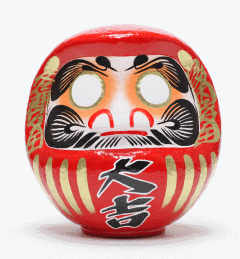
Takasaki Daruma Personalized Daruma Doll
【送料無料】高崎だるま 名入れだるま5号
No. 5だるま
4.9 / 34 reviews
Japanese name高崎だるま
In Takasaki, Gunma, papier-mache daruma from the former Toyooka village carry rounded bodies, hand-painted faces, gold lettering, and links to sericulture households and New Year market scenes.
Information last updated yesterday
3 images【送料無料】高崎だるま 名入れだるま5号
No. 5だるま
4.9 / 34 reviews
 3 images
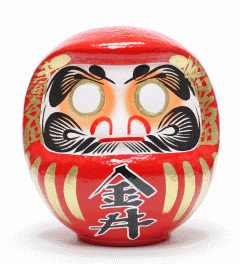
【送料無料】高崎だるま 名入れだるま10号
No. 10だるま
4.9 / 31 reviews
 3 images
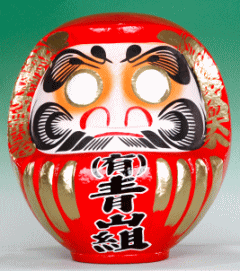
【送料無料】高崎だるま 名入れだるま15号
No. 15だるま
5.0 / 21 reviews
 3 images
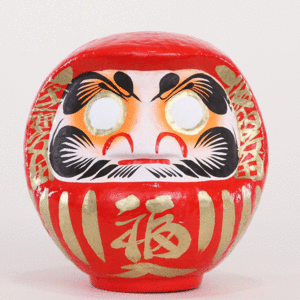
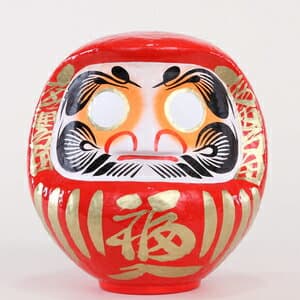
【送料無料】高崎だるま 福だるま2号
No. 2 (approx. 17 cm tall)だるま
4.9 / 38 reviews
 3 images
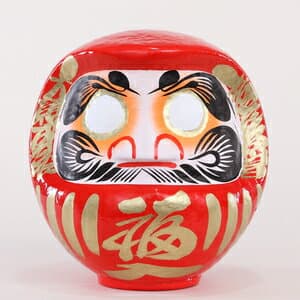
【送料無料】高崎だるま 福だるま3号
No. 3, approx. 23 cm tallだるま
4.8 / 38 reviews
 3 images
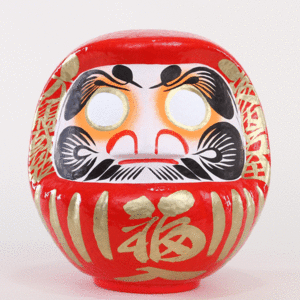
【送料無料】高崎だるま 福だるま4号
No. 4 (approx. 25 cm tall)だるま
4.9 / 26 reviews
 3 images
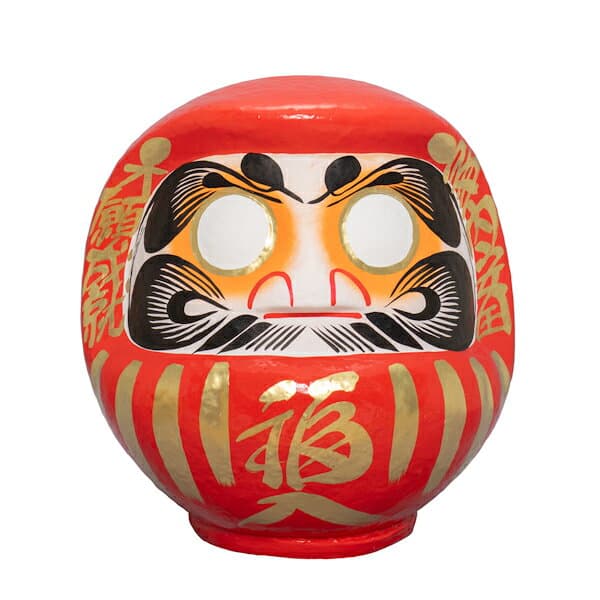
【送料無料】高崎だるま 福だるま5号
Size No. 5だるま
4.8 / 53 reviews
 3 images
【送料無料】高崎だるま 福だるま7号
No. 7, approx. 31 cm tallだるま
4.8 / 27 reviews
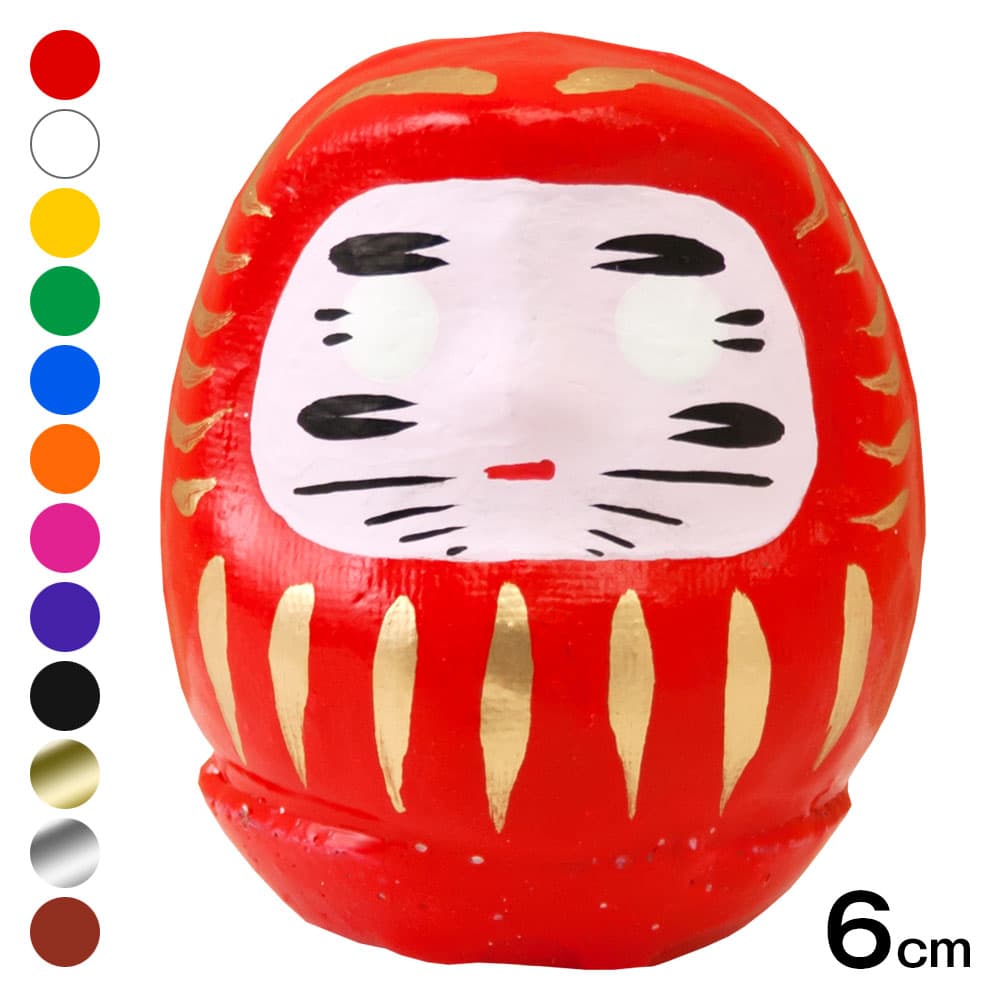 2 images
高崎だるま 可愛い12色のミニ縁起だるま(0.3号) 群馬県指定ふるさと伝統工芸品 Takasaki daruma engi daruma Gunmaken traditional crafts
No. 0.3, 12 colorsこだわりの和雑貨 和敬静寂
5.0 / 21 reviews
First time buying on Rakuten? How residents in Japan order →
All 9 listings of this product on Rakuten, lowest price first.
| Listing | Price | Shop | Reviews | Open listing |
|---|---|---|---|---|
Takasaki Daruma Mini Lucky Daruma No. 0.3, 12 colorsLowest price | ¥638 | こだわりの和雑貨 和敬静寂 | 5.0 / 21 reviews | View on Rakuten → |
Takasaki Fuku Daruma Doll No. 2 (approx. 17 cm tall) | ¥3,190 | だるま | 4.9 / 38 reviews | View on Rakuten → |
Takasaki Daruma Fukudaruma Doll No. 3, approx. 23 cm tall | ¥3,993 | だるま | 4.8 / 38 reviews | View on Rakuten → |
Takasaki Fuku Daruma No. 4 (approx. 25 cm tall) | ¥4,554 | だるま | 4.9 / 26 reviews | View on Rakuten → |
Takasaki Daruma Fuku Daruma Size No. 5Most reviewed | ¥4,950 | だるま | 4.8 / 53 reviews | View on Rakuten → |
Takasaki Daruma Personalized Daruma Doll No. 5 | ¥5,500 | だるま | 4.9 / 34 reviews | View on Rakuten → |
Takasaki Fuku Daruma Doll No. 7, approx. 31 cm tall | ¥5,610 | だるま | 4.8 / 27 reviews | View on Rakuten → |
Takasaki Daruma Personalized Daruma Doll No. 10 | ¥8,800 | だるま | 4.9 / 31 reviews | View on Rakuten → |
Personalized Takasaki Daruma Doll No. 15 | ¥12,870 | だるま | 5.0 / 21 reviews | View on Rakuten → |
Japanese · new tab
Takasaki daruma begins with a precise place: Takasaki City in Gunma Prefecture, especially the former Toyooka village and the Toyooka-Yawata area. Paper is layered over a wooden mold, dried, removed, painted, and lettered; the rounded body rises after being tipped, giving this small red object a clear role in households, businesses, and city markets.
The connection between Takasaki daruma and Takasaki is more specific than a city label. The craft’s continuity is centered around Toyooka, where Yamagata Tomogoro began making daruma in the late Edo-period Kansei era by pasting paper over a wooden daruma mold. Before the former Toyooka village merged into Takasaki in 1955, the dolls were known for many years as Toyooka daruma.
The Toyooka-Yawata area also had weather suited to papier-mache work. The dry Joshu wind known as karakkaze blows from winter into spring, the season tied to paper pasting and painting. That local condition matters in concrete terms: paper has to dry, pigment has to settle, and workshop work follows the rhythm of the dry air.
The body of a Takasaki daruma is made through hariko, or papier-mache construction. Paper is layered onto a wooden mold, dried, removed, and then finished through coloring, face painting, and lettering. Materials include wooden and plaster molds, hariko paper, funori, gofun, nikawa, gold color, and ink, placing the craft among sheets of paper, molds, binders, mineral white, glue, metal-toned paint, and brushwork.
Many of the face-painting and lettering steps are still handwork. Eyebrows, mouth lines, and belly text have to be placed on a rounded body, so the shared form still leaves room for the movement of a brush. After 1970, body forms began to be machine-made, yet the hand-painted face and written words remain central to how Takasaki daruma is recognized.
The face has two markers that make Takasaki daruma easy to identify: eyebrows drawn as cranes and beard or moustache lines drawn as turtles. Cranes and turtles carry auspicious associations with long life in Japan; on the doll, that cultural meaning appears as brows, mouth lines, and a frontal red face.
Gold lettering gives the body another layer of use. The belly often carries Fukuiru, while the shoulders may carry words for family safety and business prosperity; other wording includes the fulfillment of a major wish or achievement of a goal. These words place the object in household hopes, shop life, and personal resolve rather than color symbolism alone.
The rounded shape is tied to sericulture households around Toyooka. Silkworm-farming households connected the word for silkworms “waking” after molting with a daruma rising upright after falling, and many placed daruma on household shrines. The round body, then, is linked to a specific rural practice: praying for many good cocoons.
Here, tradition means tangible things: the period after rice harvest and wheat sowing, the household shrine of a sericulture family, and a red rounded form that stands back up. The spread of red daruma also connects to Edo-period fears of smallpox, when red objects were sought because people believed they could keep illness away.
The mold carver Ashina Tetsujuro Moriyuki appears in the development of the form. His mold work helped move the doll away from an earlier seated-meditation-like outline toward a rounder body with space for Fukuiru lettering on the belly. The change in shape made room for function, inscription, and front-facing expression at once.
The production setting also changed after Yokohama Port opened in 1859, when imported scarlet pigment became available and daruma production grew more active. Around 1909 there were about 18 makers; today 72 craftspeople carry the work forward in Takasaki. Those numbers mark continuity through pigment, molds, and maker communities, not a ranking claim.
Takasaki daruma has long had a public life in the city. An 1829 market scene in Takasaki Danzusho shows daruma being sold, and Takasaki Daruma Market and daruma festival announcements continue to appear with event names for 2024, 2025, and 2026. In those settings, red bodies, gold words, and hand-painted faces move from workshops into the time when people choose wishes for the new year.
Later prefectural craft recognition and regional name protection linked the name to Takasaki, Toyooka continuity, and the maker community. For a reader, the useful point is concrete: the rounded papier-mache body, crane eyebrows, turtle beard lines, and gold lettering belong to a defined place and a continuing group of makers.
A Takasaki daruma can be read from its face first: crane brows, turtle beard lines, and the gold word Fukuiru on a red belly. Behind those marks are Toyooka village molds, dry Joshu wind, sericulture household shrines, an 1829 market scene, and brushwork still carried on in Takasaki. The body rises again after falling, gathering paper, pigment, place, and wishes into one compact red form.
Compiled from public records and official sources; see the recognition links below. Details may change over time.
Where this product is officially registered, designated, or recognized in Japan.
Regional collective trademark
Registered as a Regional Collective Trademark with the Japan Patent Office.
Sources1
It is written as 高崎だるま in Japanese. Search Rakuten and other Japanese sites with that spelling — the English name will not bring up the listings.
Takasaki daruma is a papier-mache daruma family from Takasaki City, Gunma, especially the former Toyooka village and the Toyooka-Yawata area. It is made by layering paper over a wooden mold, drying and removing the form, then painting the face and adding lettering.
Takasaki daruma is made through hariko: paper is layered over a wooden mold, dried, removed, painted, and lettered. Recognizable features include a rounded body, crane-shaped eyebrows, turtle-shaped beard lines, and gold lettering on the belly and shoulders. Gunma Prefecture traces the beginning to Yamagata Tomogoro making daruma in Toyooka village during the late Edo-period Kansei era. Sericulture households linked silkworm awakening with the daruma rising upright and placed daruma on household shrines.
New Year and the Takasaki Daruma Market near Takasaki Station are current buying settings, following historic market sales. Gold words such as Fukuiru (福入), family safety (家内安全), business prosperity (商売繁盛), fulfillment of a great wish (大願成就), and goal achievement (目標達成) mark household, business, and goal-setting uses. Takasaki City connects the spread of red daruma to Edo-period smallpox fears and the belief that red objects could ward off illness.
Keep craft pieces out of direct sunlight, damp, and sharp temperature swings, and store them where they won't knock against anything. Wood, bamboo, lacquer, and paper don't tolerate water — wipe any moisture off immediately. Specific care notes are on the listing.
Most options are shelf-stable, boxed, and travel well, so they suit gifting or bringing home. Confirm the final storage and delivery terms on the Rakuten listing.
On Rakuten: the shops listed here right now are だるま, こだわりの和雑貨 和敬静寂. We don't sell directly; purchase, payment, stock, and delivery are all handled on the Rakuten product page.