 3 images
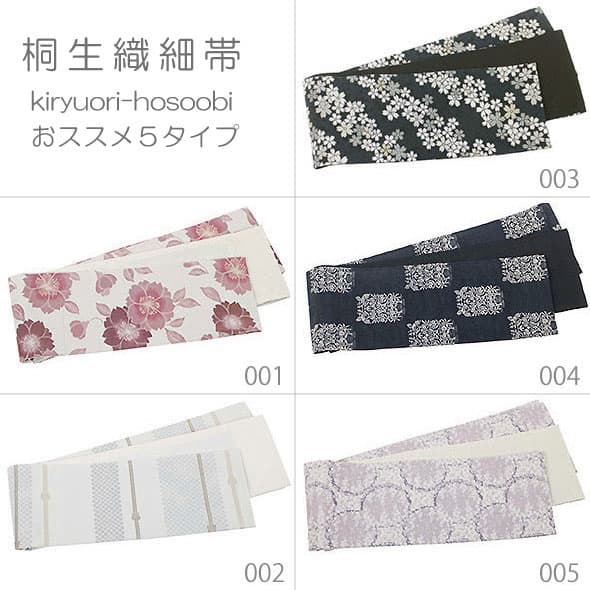
Kiryu Ori Reversible Casual Narrow Obi
おススメ細帯7,150円(税込)!【桐生織おしゃれ細帯 5タイプ】仕立上半幅帯・半巾帯・細帯・小袋帯・桐生織・カジュアル帯袴下帯 卒業式 両面 リバーシブル
5 types和にゃん
4.8 / 5 reviews
Japanese name桐生織
In Kiryu, Gunma, raw silk passes through twisting, dyeing, warping, design paper, punch cards, and Jacquard looms before it reaches kimono fabric, obi cloth, dress fabric, small goods, and interiors.
Information last updated yesterday
3 imagesおススメ細帯7,150円(税込)!【桐生織おしゃれ細帯 5タイプ】仕立上半幅帯・半巾帯・細帯・小袋帯・桐生織・カジュアル帯袴下帯 卒業式 両面 リバーシブル
5 types和にゃん
4.8 / 5 reviews
 3 images
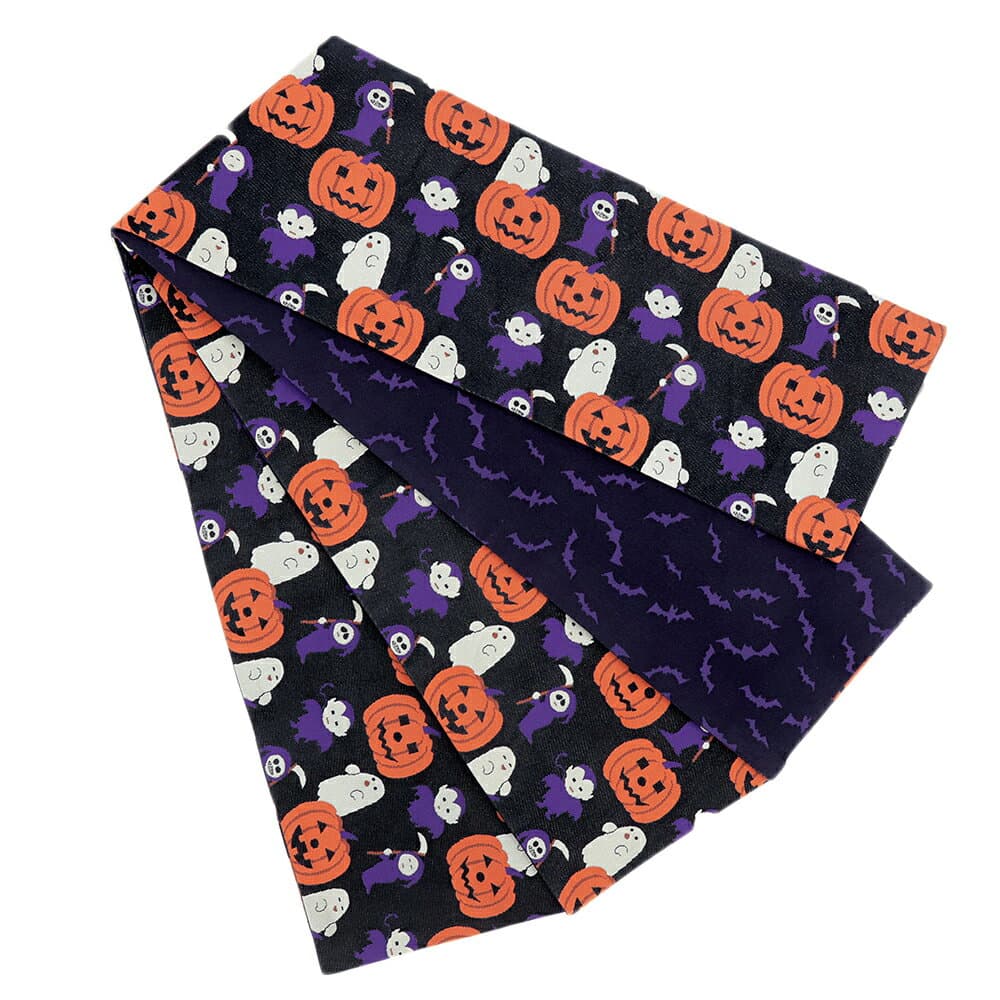
半幅帯 浴衣帯 ゆかた帯 桐生織 ポリエステル 黒地 ハロウィン かぼちゃ おばけ こうもり 蝙蝠 リバーシブル ユニーク 個性的 お洒落 新品 細帯 日本製 カジュアル 小紋 紬 浴衣 夏祭り 花 No.10-5565
black Halloween patternはつはなづき
5.0 / 3 reviews
 3 images
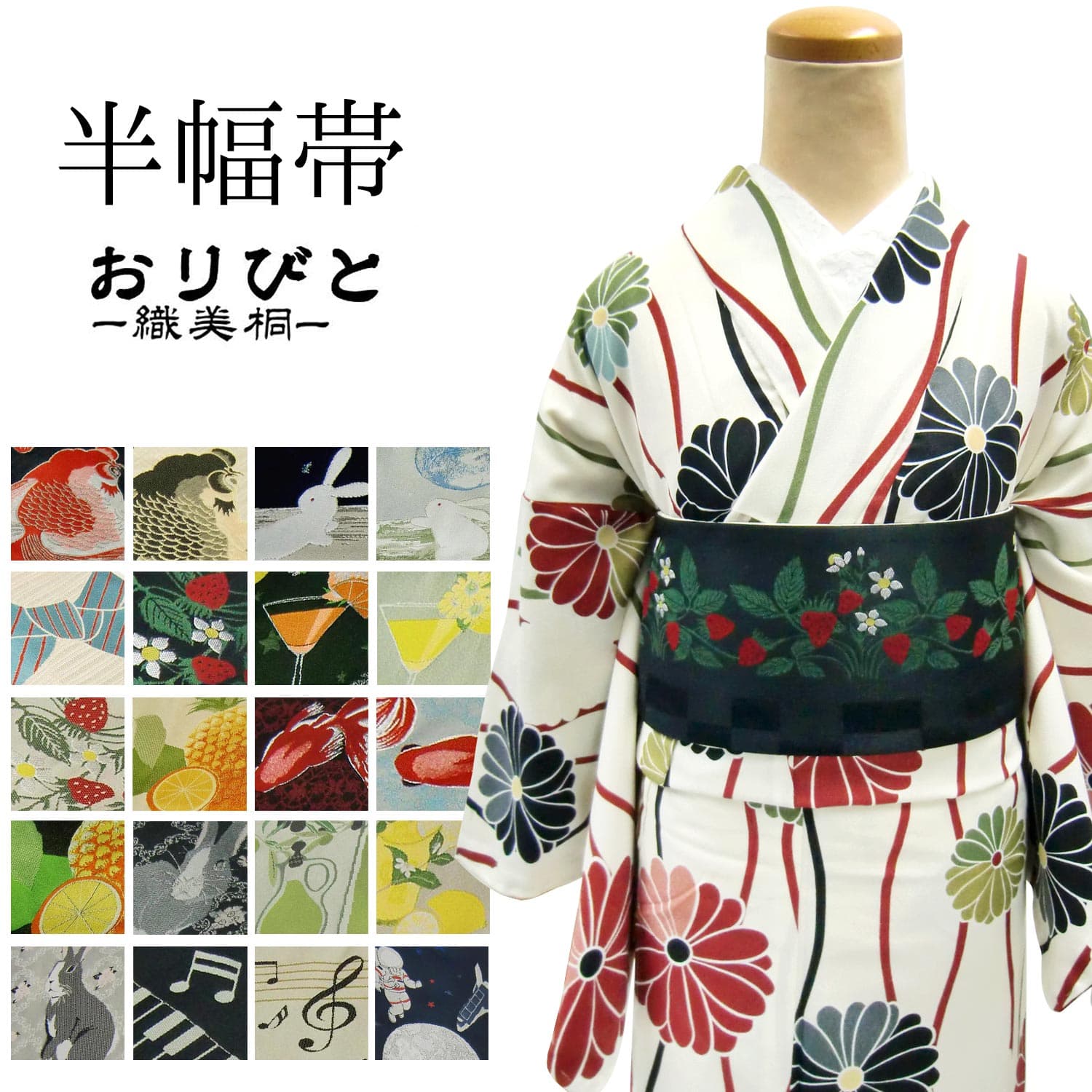
半幅帯 おりびと リバーシブル 織美桐 桐生織 帯 細帯 半巾帯 ブラック ホワイト ベージュ 仕立て上がり 桐生 金魚 リボン 苺 果物 いちご ウサギ 音符 宇宙 ワイン カクテル 月 おしゃれ かわいい 可愛い レトロ モダン カジュアル 大正浪漫 小紋
きものセレクトショップkirakukai
5.0 / 10 reviews
 3 images
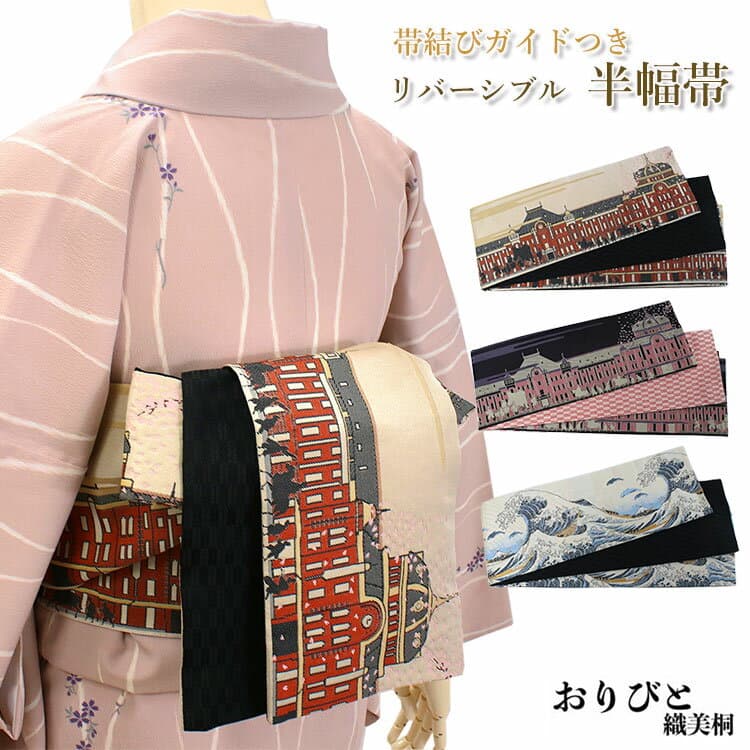
半幅帯 リバーシブル 全3色 ブランド おりびと 織美桐 桐生織 帯 細帯 ベージュ 黒 東京駅 富士山 波 着物 カジュアル レディース アレンジ 半巾帯 四寸 日本製 女性 和装 和服 レトロ モダン あす楽
3 color options京都 きもの京小町
4.8 / 10 reviews
First time buying on Rakuten? How residents in Japan order →
All 4 listings of this product on Rakuten, lowest price first.
| Listing | Price | Shop | Reviews | Open listing |
|---|---|---|---|---|
Oribito Reversible Kiryuori Hanhaba Obi Lowest priceMost reviewed | ¥6,990 | きものセレクトショップkirakukai | 5.0 / 10 reviews | View on Rakuten → |
Kiryu Ori Reversible Casual Narrow Obi 5 types | ¥7,150 | 和にゃん | 4.8 / 5 reviews | View on Rakuten → |
おりびと 織美桐 Kiryu-ori Reversible Hanhaba Obi 3 color optionsMost reviewed | ¥7,700 | 京都 きもの京小町 | 4.8 / 10 reviews | View on Rakuten → |
Kiryu Ori Black Reversible Halloween Hanhaba Obi black Halloween pattern | ¥7,999 | はつはなづき | 5.0 / 3 reviews | View on Rakuten → |
Japanese · new tab
Kiryu-ori begins with thread drawn from cocoons. The raw silk is twisted, dyed, wound, warped, planned on design paper, translated into punch cards, and woven on Jacquard-equipped looms. Kiryu remains a textile district where design, twisting, dyeing, weaving, knitting, embroidery, and sewing gather in one city, so a single bolt carries many hands before it becomes fabric for clothing, obi, small woven goods, or interiors.
Kiryu-ori takes its shape from the Kiryu area of Gunma Prefecture. The Kiryu Textile Cooperative Association in Eirakucho gives the producer community a visible address in the city, while the product range includes kimono fabric, obi cloth, gold brocade, dress fabric, Japanese and Western small woven goods, and interior decoration.
The district is also defined by the work it keeps together. Design, twisting, dyeing, weaving, knitting, embroidery, and sewing remain concentrated in Kiryu from planning to finished goods. That concentration lets preparation, weaving, and finishing read as one connected textile chain inside the same city.
The textile time depth of Kiryu reaches a Wadō 7 silk-cloth presentation in Shoku Nihongi, roughly 1,300 years ago. That early point places present-day Kiryu-ori within a long regional textile setting in the Gunma area.
A major change came in the mid-18th century, when taka-hata looms from Kyoto arrived in Kiryu and patterned woven fabrics and crêpe-like woven fabrics developed further. Later changes included Jacquard use, chemical dyeing, and the start of women’s dress-fabric production around 1955, moving Kiryu cloth toward patterned textiles, apparel fabric, and broader uses.
Kiryu textile production is divided into many steps from thread to shipment, and dozens of craftspeople may take part before one bolt is complete. Raw silk from cocoons is twisted by combining several delicate strands into yarn suitable for weaving; after scouring, the silk is dyed into colored thread, then wound, warped, and prepared for the loom through bobbin winding.
Before weaving begins, planning and drawing set the direction of the cloth. The design is copied onto gridded design paper, punch cards are made from that plan, and loom preparation sets the yarn, heddles, and reed in place. Finishing adjusts the greige cloth, and yunoshī uses steam to flatten the fabric, leaving the finished bolt with the sequence of many specialized tasks.
Kiryu’s patterns begin on design paper. The paper is gridded, so the original drawing can be translated into square-by-square instructions; a larger textile may require several sheets roughly the size of poster paper. This step turns an image into a structure the loom can follow.
Punch cards are made according to the design paper and serve as movement instructions for the Jacquard system. The Jacquard unit sits above the loom and raises or lowers warp threads; during weaving, the cards guide which colored threads appear on the surface at each moment. Pattern grows from yarn, warp movement, and sequence.
Kiryu-ori appears across a wide range of uses: kimono fabric, obi cloth, gold brocade, dress fabric, Japanese and Western small woven goods, and interior decoration. Kimono-related activity around the Kiryu Textile Cooperative Association keeps kimono and obi within the district’s living field. In obi cloth or gold brocade, the pattern planned through design paper, punch cards, and Jacquard movement becomes central to what the eye sees.
The start of women’s dress-fabric production around 1955 widened the setting for Kiryu cloth. Dress fabric, small woven goods, and interior textiles bring the same sequence of twisting, dyeing, warping, pattern planning, weaving, and finishing into apparel, accessories, and rooms.
Kiryu’s textile work remains visible in building form. Many sawtooth-roof textile factories were built in the Shōwa period, and their shapes can still be seen around the city. The rooflines place the textile district in the streets as well as on the cloth.
Because Kiryu still gathers design, twisting, dyeing, weaving, knitting, embroidery, and sewing, those factory forms mark a working landscape. They point back to the steps before the finished fabric: thread preparation, pattern planning, loom work, and finishing inside a city shaped by textiles.
Kiryu-ori is easiest to follow through place, thread, design paper, and loom. The Wadō 7 silk-cloth link, the mid-18th-century arrival of taka-hata looms, and today’s concentration of design, twisting, dyeing, weaving, and sewing in Kiryu all lead into one bolt of cloth. Whether the fabric becomes kimono material, obi cloth, gold brocade, dress fabric, small woven goods, or an interior textile, its path returns to raw silk, punch cards, Jacquard movement, and finishing.
Compiled from public records and official sources; see the recognition links below. Details may change over time.
Where this product is officially registered, designated, or recognized in Japan.
It is written as 桐生織 in Japanese. Search Rakuten and other Japanese sites with that spelling — the English name will not bring up the listings.
Kiryu-ori is a textile family from the Kiryu area of Gunma, appearing as kimono fabric, obi cloth, gold brocade, dress fabric, small woven goods, and interior textiles. Kiryu weaving reaches a Wadō 7 silk-cloth link in Shoku Nihongi, and techniques grew after Kyoto-style taka-hata looms arrived in the mid-18th century. One bolt passes through divided work such as raw silk preparation, twisting, dyeing, warping, design paper, punch cards, Jacquard weaving, and finishing.
The Kiryu Textile Cooperative Association is located in Eirakucho, Kiryu, serving as the producing area's organization. Kiryu remains a district where design, twisting, dyeing, weaving, knitting, embroidery, and sewing are concentrated. Kiryu textile production is divided into many steps from thread to shipment, and dozens of craftspeople may take part in one bolt. The Kiryu textile workflow includes raw silk, twisting, dyeing, winding, warping, bobbin winding, planning and drawing, design paper, punch cards, Jacquard, loom preparation, weaving, and finishing.
Kiryu-ori kimono fabric and obi cloth are worn as Japanese clothing, and the textile cooperative's site has featured yukata obi events. Gold brocade and interior textiles show patterns created by color threads that design paper and punch cards direct through the Jacquard mechanism. Kiryu-ori also extends to dress fabric, clothing items, and small woven goods, with production of women's dress fabric beginning around Shōwa 30.
Naturally dyed textiles shed some colour on first wash. Hand-wash separately with a neutral detergent, avoid long soaking and bleach, and dry in the shade to prevent fading. Silk, ramie, and traditionally dyed pieces often need professional cleaning — the care label on the listing takes precedence.
Most options are shelf-stable, boxed, and travel well, so they suit gifting or bringing home. Confirm the final storage and delivery terms on the Rakuten listing.
On Rakuten: the shops listed here right now are 和にゃん, はつはなづき, きものセレクトショップkirakukai, 京都 きもの京小町. We don't sell directly; purchase, payment, stock, and delivery are all handled on the Rakuten product page.