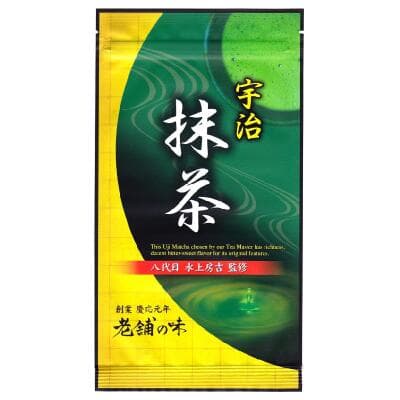
Uji Matcha Green Tea Powder
宇治抹茶【100g 500g 1kg 5kg】 【MATCHA】【Uji Matcha】【Japanese Matcha Green Tea】
100g / 500g / 1kg / 5kgお茶通販 お茶の水上 楽天市場店
4.6 / 1701 reviews
Japanese name宇治抹茶
In Kyoto, Uji matcha is read through research in Uji City, Hachijuhachiya new-tea gatherings, shops and processors, and brewing, matcha art, and chakabuki.
Information last updated yesterday
宇治抹茶【100g 500g 1kg 5kg】 【MATCHA】【Uji Matcha】【Japanese Matcha Green Tea】
100g / 500g / 1kg / 5kgお茶通販 お茶の水上 楽天市場店
4.6 / 1701 reviews
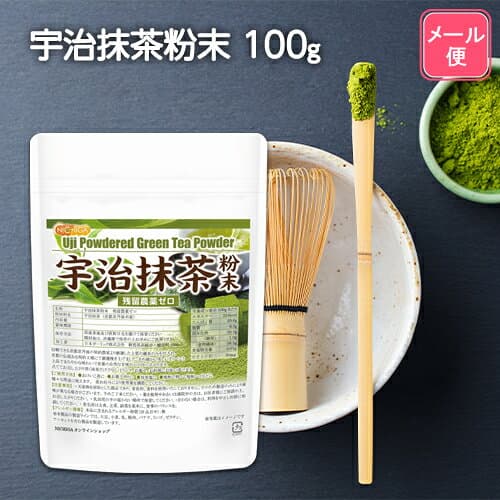 3 images
宇治抹茶粉末 残留農薬ゼロ 100g 【送料無料】【メール便で郵便ポストにお届け】【代引不可】【時間指定不可】 食物繊維豊富 京都京丹後 [04] NICHIGA(ニチガ) 着色料無添加、酸化防止剤不使用、香料不使用
100gNICHIGA(楽天市場店)
4.6 / 357 reviews
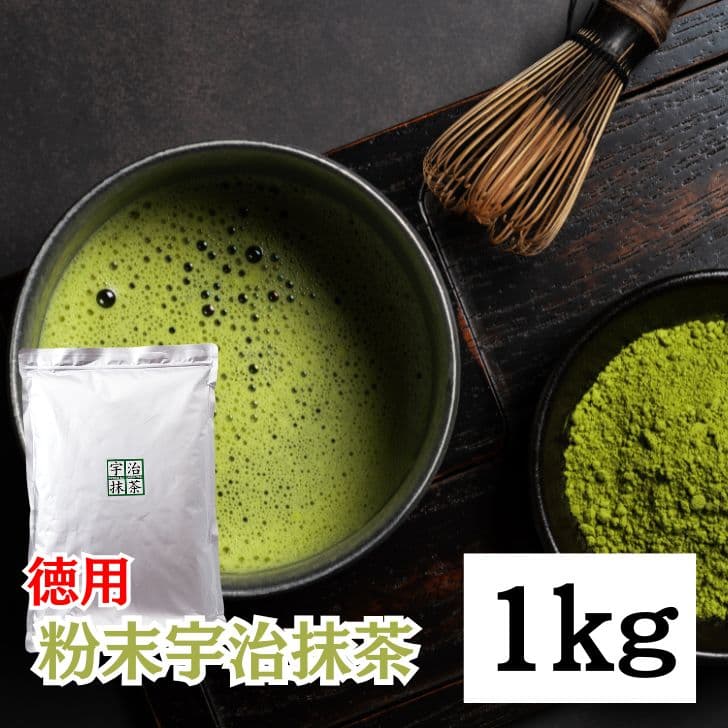 3 images
【レビュー投稿で500円OFFクーポン】 抹茶 粉末 宇治抹茶 粉末宇治抹茶 1kg 1袋 国産 緑茶 日本茶 濃い まっちゃ パウダー 京都南山城産宇治茶 本格 高級抹茶 料理 お菓子作り スイーツ用 業務用 茶道用 香り豊か 大容量 ポイント消化 福袋 送料無料
1kg bagkeyroom 食と暮らしのパントリー
4.4 / 11 reviews
First time buying on Rakuten? How residents in Japan order →
The clearest path into Uji matcha begins in Kyoto’s wider Uji tea setting. Kyoto Prefecture names Uji tea an important specialty and places its Tea Industry Research Institute, Uji Tea Division, at 1 Shirakawa Nakanosono in Uji City. Around that address are other concrete scenes: Hachijuhachiya new-tea gatherings, the Kyoto tea cooperative’s long member list, and Takumi no Yakata, where visitors learn brewing from Japanese tea instructors and try matcha art or chakabuki. Uji matcha gains texture here through leaves, shops, research rooms, and guided cups of tea.
At 1 Shirakawa Nakanosono, the Tea Industry Research Institute’s Uji Tea Division works on Uji tea as an important Kyoto specialty. Its named work is practical: quality improvement, variety breeding, environmental conservation, labor saving, and product development for tea businesses and consumer needs. That list keeps Uji matcha tied to agricultural and technical work, from the choice of varieties to the effort to make tea work less labor-intensive.
The Kyoto tea cooperative gives the product family a human and business shape. Its member list includes tea shops and processors, with names such as Ippodo Chaho, Itohkyuemon, Uji Kōen, Ujitawara Seichajō, and the Kyoto Tea Agricultural Cooperative. Read as a community, the list moves Uji tea toward a network of storefronts, factories, and agricultural organizations rather than a single-maker image.
New tea gives the calendar a public rhythm. Regional tea bodies list the Uji Shincha Hachijuhachiya Tea-Picking Gathering on May 2, 2026, and a Hachijuhachiya new-tea gathering in Uji City on May 1, 2025; the cooperative page also lists first-tea sprouting announcements. Those dates put attention on the shoots before a cup appears: people gather around the new season, the tea fields, and the work of picking.
Takumi no Yakata gives Uji tea a hands-on vocabulary. Japanese tea instructors lead brewing experiences, and the same place offers matcha art and chakabuki. The practices are concrete: water meets leaves in a cup, matcha becomes an image on the surface, and chakabuki asks people to pay attention to aroma and taste. In this setting, Uji matcha is encountered through preparation, comparison, and the names of practices people can repeat.
The Kyoto tea council places Uji tea history, features, and careful production methods beside manufacture videos, picking videos, and a column on the path of tencha production in Kyoto. For Uji matcha, that neighborhood of words matters: production, picking, tencha, and brewing keep the focus on leaves and handling. The bowl becomes easier to understand when it is rooted in named work.
Uji matcha carries Kyoto place names and tea work together. Its anchors are visible: Shirakawa Nakanosono research, Hachijuhachiya new-tea gatherings, cooperative members, tea instructors, matcha art, and chakabuki. The product family stays connected to people and practices that continue around Uji City and Kyoto Prefecture.
Compiled from public records and official sources; see the recognition links below. Details may change over time.
Where this product is officially registered, designated, or recognized in Japan.
Regional collective trademark
Registered as a Regional Collective Trademark with the Japan Patent Office.
Sources1
It is written as 宇治抹茶 in Japanese. Search Rakuten and other Japanese sites with that spelling — the English name will not bring up the listings.
Uji matcha sits in Kyoto’s wider Uji tea setting. The prefecture’s Tea Industry Research Institute, Uji Tea Division, is at 1 Shirakawa Nakanosono in Uji City and works on quality improvement, variety breeding, environmental conservation, labor saving, and product development. Regional tea bodies list Hachijuhachiya new-tea gatherings, and Takumi no Yakata offers instructor-led brewing, matcha art, and chakabuki.
Kyoto Prefecture treats Uji tea as an important specialty. The Kyoto tea cooperative member list includes tea shops, processors, and the Kyoto Tea Agricultural Cooperative. Regional tea bodies list Uji new-tea Hachijuhachiya tea-picking and new-tea gatherings. Takumi no Yakata offers Uji tea brewing led by Japanese tea instructors, matcha art, and chakabuki experiences.
Visitors can learn brewing from Japanese tea instructors at Takumi no Yakata and drink the tea they prepare themselves. The same facility offers a matcha art experience. Chakabuki is listed as an experience for comparing tea aroma and taste.
Water temperature varies a lot by type of Japanese tea: roughly 50–60°C for gyokuro, 70–80°C for sencha, and near-boiling 90–100°C for hojicha (including roasted stem tea), bancha, and genmaicha, steeped for about 30 seconds to a minute. A common ratio is about 3g of leaf per 150ml of water. Follow the instructions on the packaging where they differ.
Tea leaves are damaged by light, humidity, and absorbed odours. Once opened, keep them sealed and away from light at room temperature and drink them within a few weeks. If you refrigerate them, let the container return to room temperature before opening so condensation doesn't get in.
Most options are shelf-stable, boxed, and travel well, so they suit gifting or bringing home. Confirm the final storage and delivery terms on the Rakuten listing.
On Rakuten: the shops listed here right now are お茶通販 お茶の水上 楽天市場店, NICHIGA(楽天市場店), keyroom 食と暮らしのパントリー. We don't sell directly; purchase, payment, stock, and delivery are all handled on the Rakuten product page.