 3 images
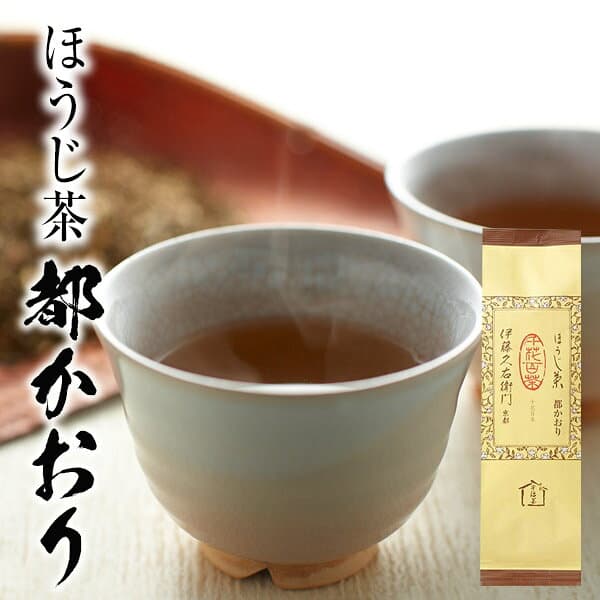
Itohkyuemon Uji Hojicha Miyako Kaori Tea Leaves
宇治茶 宇治ほうじ茶 都かおり 茶葉 150g 袋入り § 緑茶お茶 高級 日本茶 専門店 お取り寄せ 京都 お土産 天保三年創業 老舗お茶屋 伊藤久右衛門 | 茶 ほうじ茶 ご当地 内祝い 彼岸 退職祝 ギフト
150g bag抹茶スイーツ宇治茶 伊藤久右衛門
4.6 / 108 reviews
Japanese name宇治ほうじ茶
Roasted sencha or bancha gives hojicha its center; Uji adds Kyoto’s tea research, brewing lessons, chakabuki practice, new-tea gatherings, and a broad community of tea businesses.
Information last updated 120 days ago
3 images宇治茶 宇治ほうじ茶 都かおり 茶葉 150g 袋入り § 緑茶お茶 高級 日本茶 専門店 お取り寄せ 京都 お土産 天保三年創業 老舗お茶屋 伊藤久右衛門 | 茶 ほうじ茶 ご当地 内祝い 彼岸 退職祝 ギフト
150g bag抹茶スイーツ宇治茶 伊藤久右衛門
4.6 / 108 reviews
 3 images
有機ほうじ茶 ティーバッグ 宇治ほうじ茶ティーバッグ 有機宇治ほうじ茶 ほうじ茶ティーバッグ 有機JAS オーガニック 20パック ティーバッグ ティーパック 焙じ茶 京都府産 無添加 山城物産 日本茶 国産 有機栽培 1080
80g (4g x 20 bags)山城物産 楽天市場店
5.0 / 3 reviews
First time buying on Rakuten? How residents in Japan order →
Uji hojicha begins with heat. Hojicha is made by roasting sencha or bancha over strong heat; Uji places that roasted tea inside Kyoto Prefecture’s Uji tea world, with the Tea Research Institute in Uji City’s Shirakawa Nakanosono and tea spaces where instructors teach brewing and chakabuki tasting. Seen from the leaf, the tea is built from concrete parts: after aracha production, older leaves, harder leaves, stems, powdered tea, and other pieces can be sorted; yanagi and stems can move into roasted-tea processing. Seen from Kyoto, the surrounding work includes quality improvement, cultivar breeding, environmental conservation, labor saving, product development, public tea lessons, new-tea events, and a large tea-business community.
The clearest technical anchor for hojicha is roasting. Tea-type guidance describes hojicha as tea made by roasting sencha or bancha over strong heat, which separates it from the unroasted forms of those teas and gives the cup its roasted character.
For Uji hojicha, that category process gives the family a practical starting point. Uji connects the tea to Kyoto’s Uji tea setting, while the roasting process keeps the explanation grounded in leaves, heat, and the transformation of familiar green tea materials.
Before roasting, tea can pass through sorting and finishing. After aracha is made, older leaves, harder leaves, stems, powdered tea, and other parts may be separated into finished tea and demono; the tea-type guidance describes finished leaf tea as roughly eighty percent of aracha and demono as roughly twenty percent.
Those sorted materials widen the picture of hojicha. Yanagi is often used as raw tea for hojicha, and roasted stems may become karigane hojicha. Secondary finishing can involve grinding, roasting, and blending, so the roasted cup carries traces of sorting, leaf part, and heat.
Kyoto Prefecture treats Uji tea as an important local specialty, and its Tea Research Institute is located at Shirakawa Nakanosono in Uji City. That location gives Uji hojicha a concrete regional setting beyond the name: a Kyoto tea world with research, training, and product work.
The institute works on quality improvement, cultivar breeding, environmental conservation, labor saving, and product development for Uji tea. These are practical tea concerns, linking a roasted cup to plant varieties, production environments, processing, business stability, and changing consumer needs.
Uji tea is described as a representative Japanese tea passed down through a long history. For Uji hojicha, that continuity is best understood through tangible tea work: sencha or bancha is roasted into hojicha, and the Uji tea setting includes tea organizations, research activity, and places where people learn how to brew and taste.
The Kyoto tea world also gives people ways to see the work around tea. Uji tea pages point to history, characteristics, careful methods, tea-making videos, new-tea events, and a public tea venue, turning continuity into visible acts of making, learning, and gathering.
At Uji Tea Dojo Takumi no Yakata, Uji tea becomes something people practice by hand. Japanese tea instructors lead brewing experiences, where water, leaves, and timing matter; the same venue offers matcha art and chakabuki tea-tasting experiences.
Chakabuki turns tasting into a disciplined act of recognition. In the context of Uji hojicha, that kind of learning reconnects roasted aroma, leaf materials, and brewing practice, so the cup is understood through touch, smell, and comparison as well as through a tea name.
The Kyoto tea cooperative lists a long roster of named tea businesses, including tea shops, tea producers, tea companies, and an agricultural cooperative. The Uji tea field therefore appears as a community of many businesses rather than the work of one maker.
The cooperative also posts first-tea budbreak notices, new-tea updates, and gatherings such as the Uji Shincha Hachijuhachiya tea-picking event. Placed beside Uji hojicha, those names and events show the working network around a roasted tea whose center is strong heat and green tea material.
Uji hojicha can be understood from one concrete act: roasting sencha or bancha over strong heat. Follow that act outward and the picture fills with yanagi, stems, finishing work, karigane hojicha, the Tea Research Institute in Uji City, brewing and chakabuki at Takumi no Yakata, and the many Kyoto tea businesses gathered around Uji tea. The cup’s depth comes from material, heat, place, and a working tea community.
Compiled from public records and official sources; see the recognition links below. Details may change over time.
Where this product is officially registered, designated, or recognized in Japan.
Regional collective trademark
Registered as a Regional Collective Trademark with the Japan Patent Office.
Sources1
It is written as 宇治ほうじ茶 in Japanese. Search Rakuten and other Japanese sites with that spelling — the English name will not bring up the listings.
Uji hojicha is roasted tea in Kyoto's Uji tea setting, made by roasting sencha or bancha over strong heat. The cup is linked to the Tea Research Institute in Uji City, brewing and chakabuki experiences at Takumi no Yakata, and Kyoto's tea businesses. Yanagi, stems, sorting, and finishing work give the roasted tea its material context.
Yanagi is often used as raw tea for hojicha, and roasted stems may be called karigane hojicha. Aracha can be sorted into finished tea and demono, and secondary finishing can include grinding, roasting, and blending. Hojicha has a distinct roasted-tea role, separate from shaded teas such as gyokuro or tencha. Kyoto Prefecture's Tea Research Institute is in Uji City's Shirakawa Nakanosono and works on Uji tea quality, cultivars, environmental conservation, labor saving, and product development.
It is drunk as hot everyday tea after meals. It is used to explain how roasting changes finished tea from steamed-and-dried green tea materials. It also appears in brewing education and tasting programs in Uji tea settings.
Water temperature varies a lot by type of Japanese tea: roughly 50–60°C for gyokuro, 70–80°C for sencha, and near-boiling 90–100°C for hojicha (including roasted stem tea), bancha, and genmaicha, steeped for about 30 seconds to a minute. A common ratio is about 3g of leaf per 150ml of water. Follow the instructions on the packaging where they differ.
Tea leaves are damaged by light, humidity, and absorbed odours. Once opened, keep them sealed and away from light at room temperature and drink them within a few weeks. If you refrigerate them, let the container return to room temperature before opening so condensation doesn't get in.
Most options are shelf-stable, boxed, and travel well, so they suit gifting or bringing home. Confirm the final storage and delivery terms on the Rakuten listing.
On Rakuten: the shops listed here right now are 抹茶スイーツ宇治茶 伊藤久右衛門, 山城物産 楽天市場店. We don't sell directly; purchase, payment, stock, and delivery are all handled on the Rakuten product page.