 2 images
Nanzanen Aichi Nishio Matcha Powder for Baking
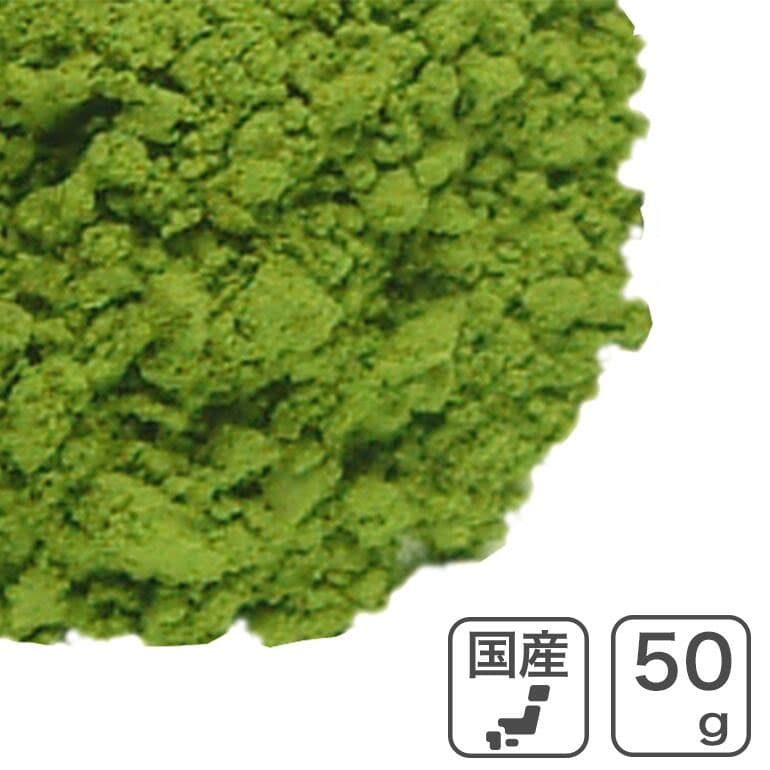
製菓用抹茶パウダー 50g 愛知県産 西尾の抹茶使用 南山園 抹茶粉末
50gこだわり食材 572310.com 楽天店
4.7 / 49 reviews
Japanese name西尾の抹茶
In Aichi’s Nishio and Anjo area, tea leaves become tencha, are refined, and are ground on stone mills; red soil at Inariyama, river humidity, school picking days, and tea-room bowls all sit inside Nishio matcha.
Information last updated 7 days ago
2 images製菓用抹茶パウダー 50g 愛知県産 西尾の抹茶使用 南山園 抹茶粉末
50gこだわり食材 572310.com 楽天店
4.7 / 49 reviews
 3 images
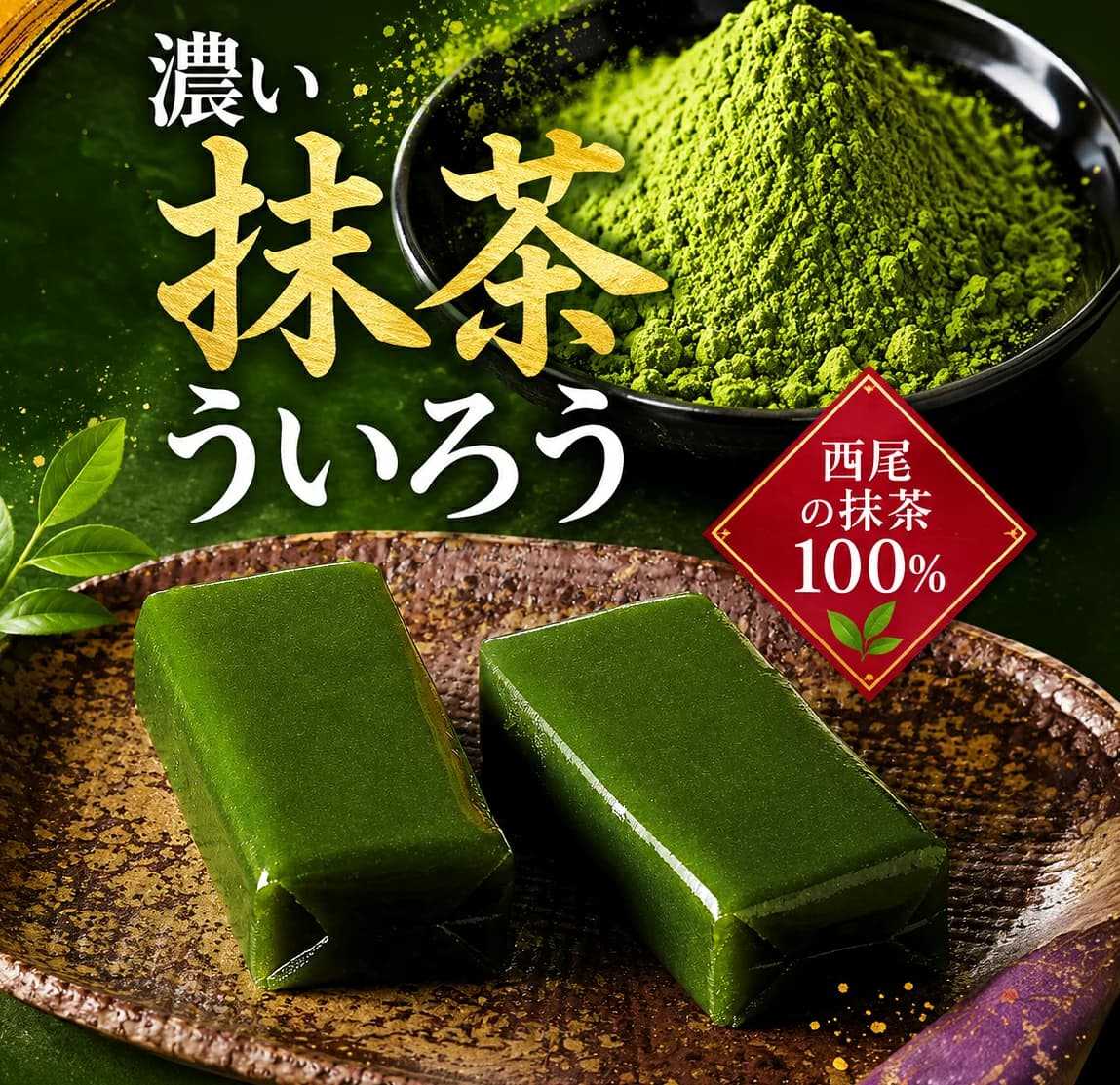
敬老の日 和菓子 ういろ ギフト 名古屋 濃い西尾の抹茶ういろう お取り寄せ 濃厚 抹茶スイーツ お菓子 お土産 ういろう 外郎 個包装 詰め合わせ プレゼント 贈り物 内祝い まとめ買い 常温保存
3 or 5 piecesみか・りん
4.7 / 56 reviews
 3 images
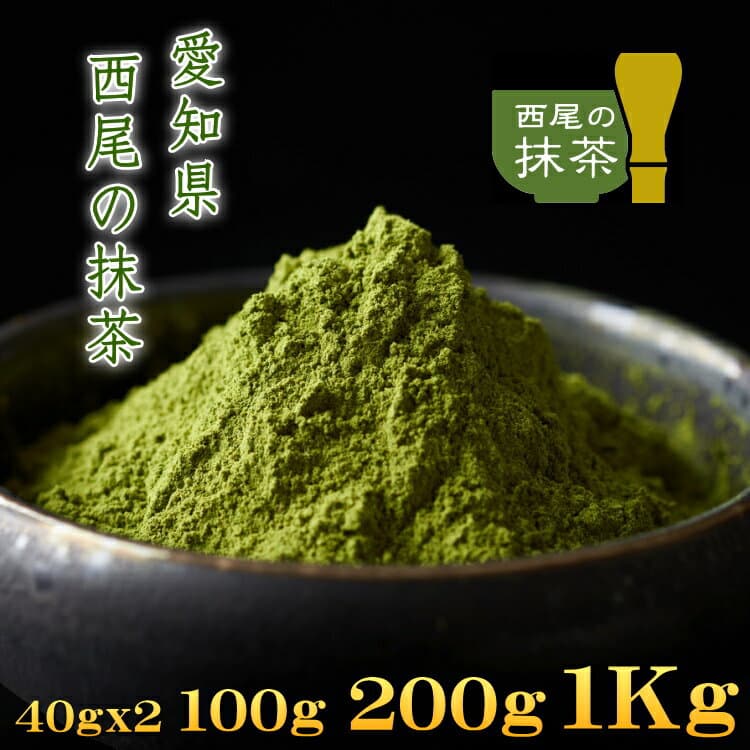
抹茶 MATCHA 西尾の抹茶 【在庫あり】 石臼挽き お稽古用 製菓用 料理用 【80g、100g、200g、1Kg】 愛知県産 抹茶スイーツ作りに 小スプーン付き まっちゃ 粉末茶 緑茶 粉末緑茶 日本茶 パウダー スイーツ 抹茶ラテ 抹茶オレ 送料無料
80g, 100g, 200g, or 1kgお茶のカクト楽天市場店
4.5 / 317 reviews
First time buying on Rakuten? How residents in Japan order →
Nishio matcha begins as tea leaves from Nishio City and Anjo City in Aichi, then moves through tencha processing, final refining, and stone milling in the same area. In the bowl, the powder is known for deep green color, elegant aroma, mild umami, and body. The clearest landscape is Inariyama on the left bank of the Yahagi River, where about 100 hectares of tea fields sit on sandy red soil with good drainage, river humidity, and fog. Everyday tea practice in Nishio also has concrete scenes: students picking leaves in May, school tea gatherings, stone mills, factory visits, and a bowl served with seasonal wagashi.
The name Nishio matcha holds a place and a workflow together. The leaves are grown in Nishio City and Anjo City, processed nearby into tencha, refined, and ground on stone mills; the finished powder belongs in bowls for drinking and in processed foods such as matcha sweets. Tencha is the leaf material before matcha powder, so the word points back from the green surface of a drink to shaded fields, processing rooms, and the rotating stone.
On Nishio’s northwestern side, the Inariyama tea fields stretch across low hills on the left bank of the Yahagi River. The Inariyama area covers about 100 hectares, and the wider city tea area reaches about 200 hectares when other fields, including the former Kira area, are counted. The sandy red soil drains well, the river keeps humidity over the fields, and the local warm climate, fertile ground, and river fog are tied to glossy tencha leaves.
Before Nishio matcha becomes powder, much of the city’s tea is already aimed at tencha. More than 96 percent of Nishio City’s tea production is tencha for matcha, and shaded growing increases sweetness, umami, and vivid green color in the leaves. The practice is visible in the shade over the rows, the processed leaf material, and the waiting stone mill.
After tencha is refined, stone milling turns the leaf into fine powder and concentrates the sensory profile associated with Nishio matcha: deep green color, elegant fragrance, mild umami, body, and a mellow taste. At the Saijoen matcha museum, the same chain appears through production-process viewing, tea-mill grinding, blending, sensory judging, and tea-room preparation. A bowl of matcha therefore carries field shade, finishing work, and stone friction in one green surface.
Nishio’s tea timeline is anchored by named temples, people, and years. The local beginning is linked to Jissōji, founded in 1271, where Shōichi Kokushi is said to have sown tea seeds; a 1601 writing called Shioki no Oboe encouraged villages to grow tea for drinking. Production expanded in the Meiji period after tea became a commercial crop, and Kōjuin priest Adachi Jundō is connected with Uji tea seed and manufacturing technique around 1872. By the late Taisho years, tencha had become the central focus.
Tea in Nishio is also practiced by children, clubs, and visitors. Nursery, elementary, and junior-high school tea gatherings sit alongside student hand-picking from early to late May. At Hachijūhachiya, women in kasuri kimono with red tasuki demonstrate new-tea picking and hand-rolled sencha, while Matcha Day and tea ceremony club service bring stone mills and tea service into public view. Factory visits, Kyū Konoe-tei, Densō-an, and museum rooms connect fields, mills, seasonal wagashi, and the bowl.
The depth of Nishio matcha comes from connected places and tasks: Inariyama soil, Yahagi River humidity, shaded tencha leaves, final refining, stone milling, and repeated tea practice in schools and tea rooms. A bowl from Nishio carries taste, landscape, and work together, with the Nishio and Anjo area keeping the leaf, the mill, and the act of serving close to one another.
Compiled from public records and official sources; see the recognition links below. Details may change over time.
Where this product is officially registered, designated, or recognized in Japan.
It is written as 西尾の抹茶 in Japanese. Search Rakuten and other Japanese sites with that spelling — the English name will not bring up the listings.
Nishio matcha is tea grown in Nishio City and Anjo City and processed locally into tencha, then refined and stone-milled. Shade growing increases sweetness, umami, and vivid green; milling yields deep green color, elegant aroma, mild umami, body, and mellow taste. The Inariyama fields on the left bank of the Yahagi River have sandy red soil, humidity, warmth, and river fog linked with glossy tencha leaves.
The product covers matcha for drinking and matcha used in processed foods, including sweets. The Inariyama tea fields in northwestern Nishio cover about 100 hectares, and the city's tea fields total about 200 hectares. Tencha is the leaf material before it is ground into matcha powder. Good drainage and fertile ground are also linked with glossy tencha leaves.
Nishio tea rooms such as Kyū Konoe-tei and Densō-an serve whisked matcha with seasonal wagashi. Local sweets and cafes also use Nishio matcha. Factory visits and the Saijoen museum include production-process viewing, tea-mill grinding, sensory judging, and tea ceremony experiences.
Water temperature varies a lot by type of Japanese tea: roughly 50–60°C for gyokuro, 70–80°C for sencha, and near-boiling 90–100°C for hojicha (including roasted stem tea), bancha, and genmaicha, steeped for about 30 seconds to a minute. A common ratio is about 3g of leaf per 150ml of water. Follow the instructions on the packaging where they differ.
Tea leaves are damaged by light, humidity, and absorbed odours. Once opened, keep them sealed and away from light at room temperature and drink them within a few weeks. If you refrigerate them, let the container return to room temperature before opening so condensation doesn't get in.
Most options are shelf-stable, boxed, and travel well, so they suit gifting or bringing home. Confirm the final storage and delivery terms on the Rakuten listing.
On Rakuten: the shops listed here right now are こだわり食材 572310.com 楽天店, みか・りん, お茶のカクト楽天市場店. We don't sell directly; purchase, payment, stock, and delivery are all handled on the Rakuten product page.