 3 images
Nagoya Yuzen Hand-Dyed Pure Silk Homongi by Junichi Akatsuka
名古屋友禅 作家もの 伝統工芸士 「赤塚順一」作 伊勢型 錐彫り 極 手染め 正絹 訪問着
Nisemurasaki ground color, unstitched和あそび 京水月
Japanese name名古屋友禅
From Nagoya and Owari silk textiles to Aichi workshops, Nagoya yuzen follows white silk through aobana underdrawing, paste resist, steaming, washing, and restrained shibu gradation.
Information last updated 119 days ago
3 images名古屋友禅 作家もの 伝統工芸士 「赤塚順一」作 伊勢型 錐彫り 極 手染め 正絹 訪問着
Nisemurasaki ground color, unstitched和あそび 京水月
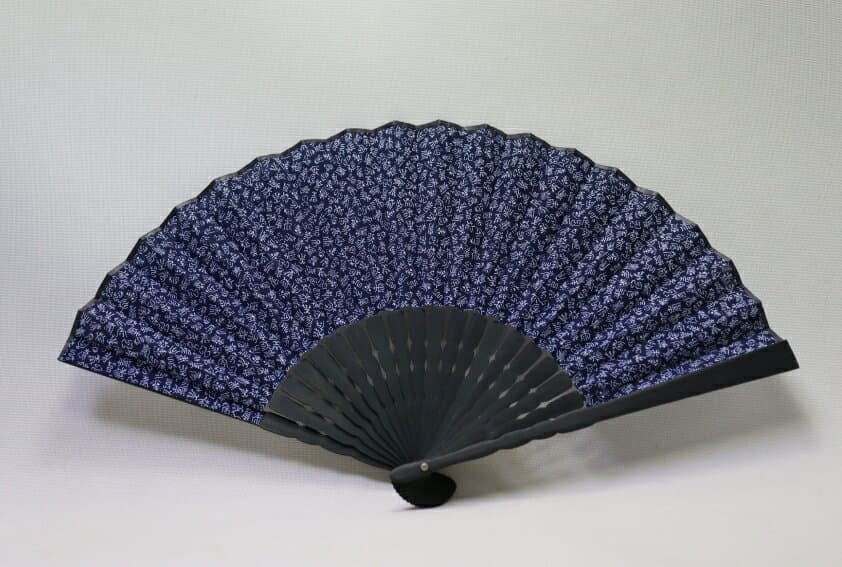 3 images
名古屋友禅扇子 壽 扇子袋付き 男性用 紳士用 記念品 贈答品 海外土産 土産 プレゼント 誕生日ギフト 末廣 縁起物 日本製 日本 和服 着物 浴衣 父の日 父親 お父さん 息子 敬老の日 おじいちゃん お中元 ギフト 内祝い 送料無料 japan made in japan fan
22.5 cm, with fan pouch and paulownia box名古屋扇子の末廣堂
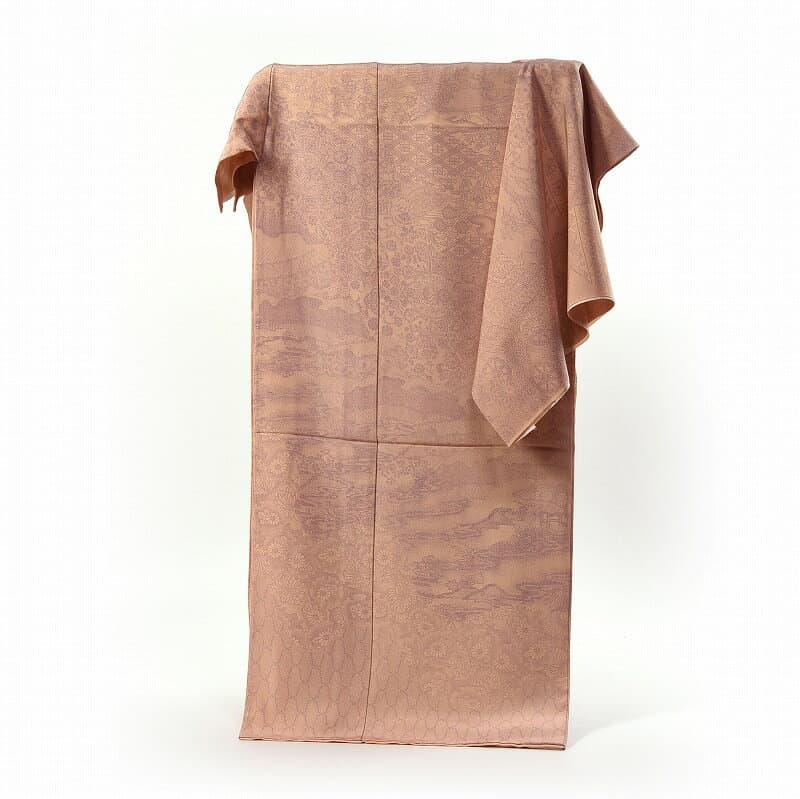 3 images
訪問着 フルオーダー手縫いお仕立て付き 名古屋友禅「赤塚順一」氏作 相良型 【着物/和服/和装/付き添い/準礼装/セミフォーマル】【身長170cmまで、裄70cmまで】送料込み
height up to 170cm, yuki up to 70cmさわらび〜ほりだし堂〜
First time buying on Rakuten? How residents in Japan order →
Nagoya yuzen is easiest to approach by following the cloth. During the Kyoho years from 1730 to 1739, painters and yuzen artisans moved among Kyoto, Edo, and Nagoya, bringing hand-painted yuzen techniques into the city; nearby Owari and Mino had long been tied to silk textiles, giving the dyeing work a regional base. On white silk, aobana underdrawing, paste resist, color insertion, steaming, washing, and finishing create the restrained gradations associated with Nagoya yuzen.
In Nagoya during the Kyoho era, the movement of painters and yuzen artisans from Kyoto and Edo carried hand-painted yuzen into the city. The technique settled in a wider textile setting: Owari and Mino had long been areas associated with silk textiles, so white silk, dyeing skill, and artisan movement already had a regional place around Nagoya.
After the period associated with Tokugawa Muneharu, local frugality encouraged patterns with fewer colors. The regional character of Nagoya yuzen is concrete on the cloth: restrained palettes, flower-bird-wind-moon motifs, and single-color gradation turn a place history into visible decisions on silk.
Nagoya yuzen is known for expressing motifs through gradations within one color or a narrow pale palette. Flowers, birds, wind, and moon imagery appears through shade changes, while the white silk ground, open space, color differences, and paste-resist edges give the surface its rhythm.
Shibu can sound abstract, but here it points to visible choices: fewer colors, tonal shifts within one hue, protected motif edges, and a quiet surface after steaming and washing. The local feeling behind the word is tied to Nagoya's restrained color use after Muneharu's time and to the way that restraint appears on dyed kimono cloth.
Hand-painted Nagoya yuzen begins with white silk temporarily sewn into a garment-like layout. The design is drawn with aobana liquid, made from dayflower juice and able to wash out in water, so the sketch can guide the work without remaining as the final line. Paste is then placed along the underdrawing to keep neighboring colors from bleeding together during color insertion.
After color is inserted, the cloth is steamed to fix the dye. The motifs are covered with resist paste, the ground color is brushed on, and the cloth is steamed again, washed, and finished with details such as foil work. The hand in hand-painted yuzen appears in the brush line, the paste squeezed from a paper cone, the sweep of a wide brush across the cloth, and the steam that brings color into the silk.
Stencil yuzen begins from the same white cloth but organizes the pattern through different tools. The fabric is stretched onto a yuzen board, and Ise katagami or similar stencil paper is used to apply the design. After patterning, resist paste protects the motif areas before ground dyeing, steaming, washing, and finishing.
The difference between hand-painted and stencil yuzen is practical and material. One path builds motifs through drawing, paste lines, and brush color; the other relies on stencil paper, the flat yuzen board, paste protection, and repeated dyeing steps. Both depend on resist, steam, and washing to turn planned marks into lasting color on cloth.
The main products named for Nagoya yuzen are homongi, tomesode, and kimono cloth, so the dyed surface remains closely tied to garments made from kimono fabric. On those cloth forms, single-color gradation lets flower-bird-wind-moon motifs, open space, and tonal depth work together.
Dresses, neckties, bags, and other later forms also appear in the product range, showing how the same dyeing vocabulary can move beyond kimono cloth. Those extensions do not imply the same output at every workshop; the shared thread is the textile process of aobana, paste resist, steaming, washing, and finishing.
The current production geography reaches across Aichi, with workshop locations connected to Nagoya, Kasugai, Ichinomiya, Iwakura, Kitanagoya, and Tokoname. Association addresses also place the production community in Nagoya's Kita Ward, keeping the city name attached to a wider network of dyeing places.
A 1983 traditional-craft designation sits in the background of that continuity. On the cloth itself, the clearer thread is the repetition of white silk, aobana liquid, paste resist, ground dyeing, steaming, washing, and finishing in Aichi workshops, where restrained gradation continues to take shape by hand and process.
Nagoya yuzen carries its place through visible restraint on white silk. From artisan movement in the Kyoho era to the silk-textile setting of Owari and Mino and the workshops now connected across Aichi, its identity rests on concrete acts: drawing with aobana, controlling color with paste, fixing dye with steam, washing the cloth, and using gradation on homongi, tomesode, and kimono fabric. Shibu is the name often given to the effect, and the effect itself can be read in the edges, pale-to-deep color, and quiet space of the dyed silk.
Compiled from public records and official sources; see the recognition links below. Details may change over time.
Where this product is officially registered, designated, or recognized in Japan.
Traditional craft
Designated a Traditional Craft (dentō kōgeihin) by Japan's Ministry of Economy, Trade and Industry.
Sources1
It is written as 名古屋友禅 in Japanese. Search Rakuten and other Japanese sites with that spelling — the English name will not bring up the listings.
Nagoya yuzen is a yuzen-dyed textile family centered on Nagoya and dye workshops in Aichi. Its transmission is traced to the Kyoho era, when painters and yuzen artisans moved among Kyoto, Edo, and Nagoya, and it settled in a region linked with Owari and Mino silk textiles. Its surface is made through white silk, aobana underdrawing, paste resist, color insertion, steaming, washing, and finishing, producing restrained single-color gradation and shibu depth. Main products include homongi, tomesode, and kimono cloth.
During the Kyoho years (1730-1739), painters and yuzen artisans moved among Kyoto, Edo, and Nagoya, bringing hand-painted yuzen techniques to Nagoya. Nagoya yuzen is characterized by restrained color, single-color or pale gradation, and a shibu (subdued) visual depth. Stencil yuzen stretches white silk on a yuzen board, applies patterns with Ise katagami stencils, then proceeds through paste resist, ground dyeing, steaming, washing, and finishing. Aobana, made from dayflower juice, washes out with water.
Workshops offer opportunities to learn hand-painted yuzen techniques.
Naturally dyed textiles shed some colour on first wash. Hand-wash separately with a neutral detergent, avoid long soaking and bleach, and dry in the shade to prevent fading. Silk, ramie, and traditionally dyed pieces often need professional cleaning — the care label on the listing takes precedence.
Most options are shelf-stable, boxed, and travel well, so they suit gifting or bringing home. Confirm the final storage and delivery terms on the Rakuten listing.
On Rakuten: the shops listed here right now are 和あそび 京水月, 名古屋扇子の末廣堂, さわらび〜ほりだし堂〜. We don't sell directly; purchase, payment, stock, and delivery are all handled on the Rakuten product page.