 3 images
Arimatsu Narumi Shibori Ise Cotton Short-Sleeve Blouse
【有松鳴海絞シャツ】綿100%ミセス40代50代60代レディース春夏袖花柄フリーサイズMLLL綺麗シルエット濃紺ネイビー青ジャパンブルー半袖ブラウス伊勢木綿
dark navy, free size古布と藍染めこっとんコットン
5.0 / 1 reviews
Japanese name有松鳴海絞
In Midori Ward, Nagoya, Arimatsu-Narumi shibori begins with a design on cloth, cotton-thread tying, dyeing, untying, steaming, and yunosh finishing. The pattern appears where the dye could not enter.
Information last updated 7 days ago
3 images【有松鳴海絞シャツ】綿100%ミセス40代50代60代レディース春夏袖花柄フリーサイズMLLL綺麗シルエット濃紺ネイビー青ジャパンブルー半袖ブラウス伊勢木綿
dark navy, free size古布と藍染めこっとんコットン
5.0 / 1 reviews
 3 images
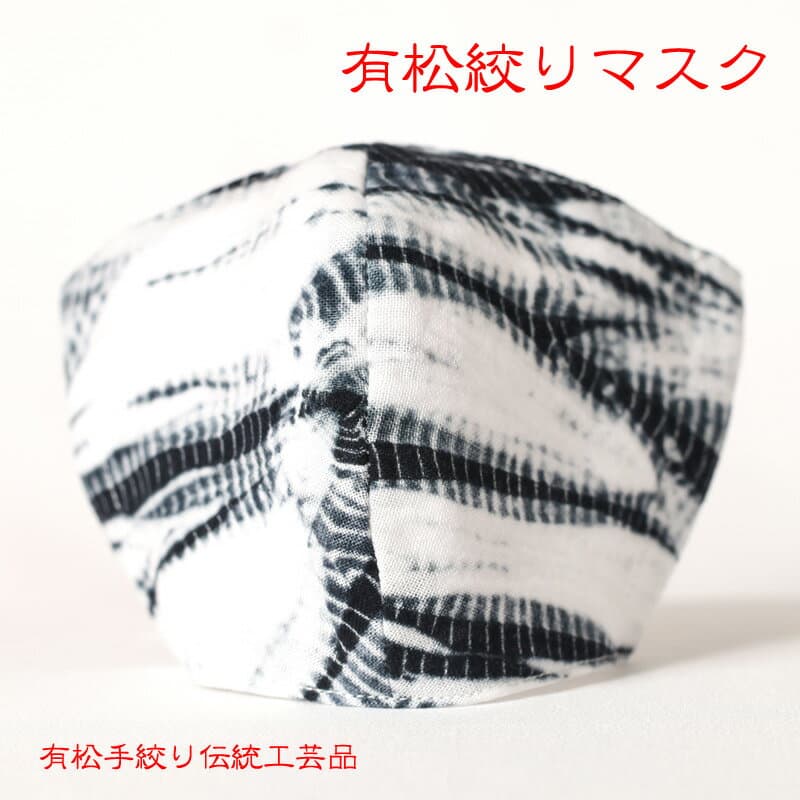
有松絞り マスク 綿 日本製 ますく 立体マスク 【1通のメール便で6枚まで可】〈ハンドメイド製品〉〔販売商品〕伝統工芸品 有松鳴海絞り 【買う】フリーサイズ 大人マスク 黒色 愛知県製造
black, adult free size名古屋貸衣装
5.0 / 1 reviews
 3 images
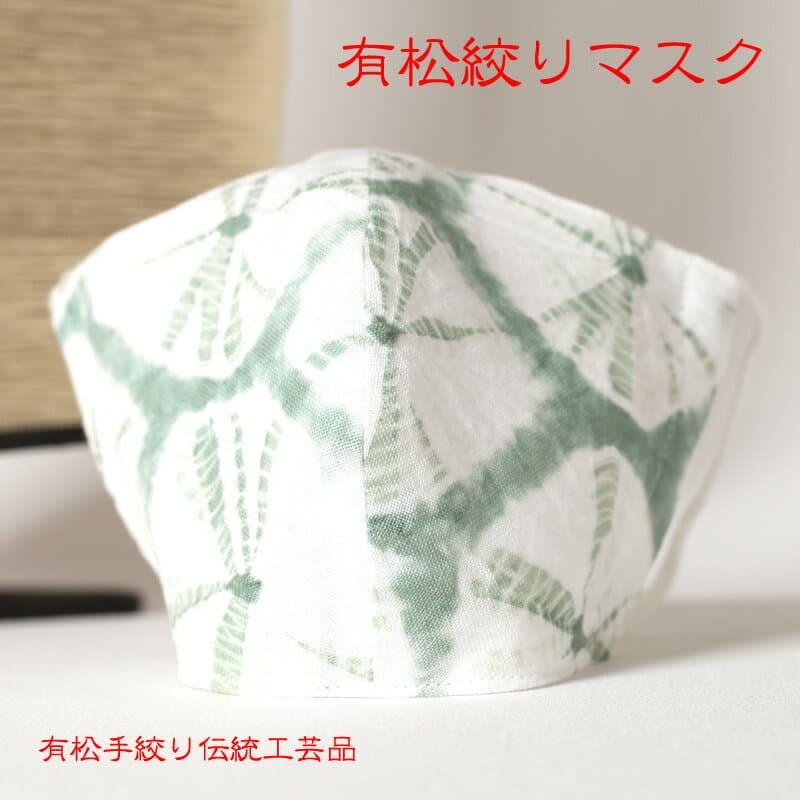
マスク 綿 日本製 有松絞り ますく 立体マスク 【1通のメール便で6枚まで可】〈ハンドメイド製品〉〔販売商品〕伝統工芸品 有松鳴海絞り 【買う】フリーサイズ 大人マスク グリーン系色 男性 愛知県製造
green, adult free size名古屋貸衣装
5.0 / 1 reviews
 3 images
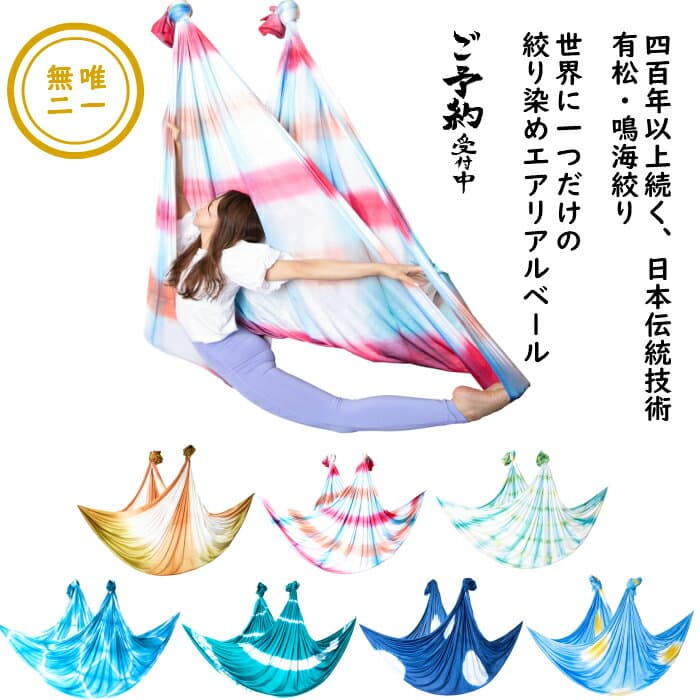
【オーダーメイド】有松・鳴海絞りのエアリアルベール/布のみ 空中ヨガ用ハンモック エアリアルヨガハンモック
fabric onlyDreamnature
 3 images
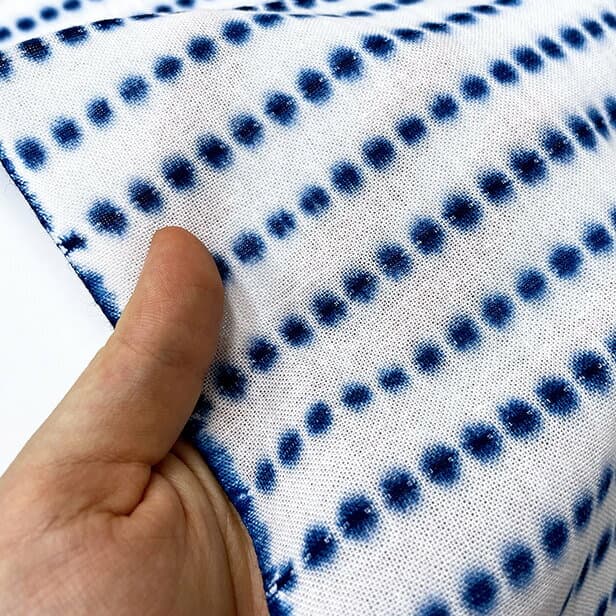
有松鳴海絞り 手ぬぐい 板締め豆絞り 日本製 反物 晒し木綿 綿100% 愛知県
approx. 35 x 100 cm手ぬぐい専門店 麻布十番 麻の葉
 3 images
有松絞 ネクタイ 【送料無料】 鳴海絞り 日本製 高級 ギフト シルク 選べる 10種類 あす楽 手絞り プレゼント 絞りネクタイ ギフトパッケージ 即日発送 当日出荷 父の日 小紋 ブランド おしゃれ 紳士 ビジネス メンズ ブルー ブラック レッド ラッピング サービス 敬老の日
10 color options和-華
5.0 / 1 reviews
 3 images
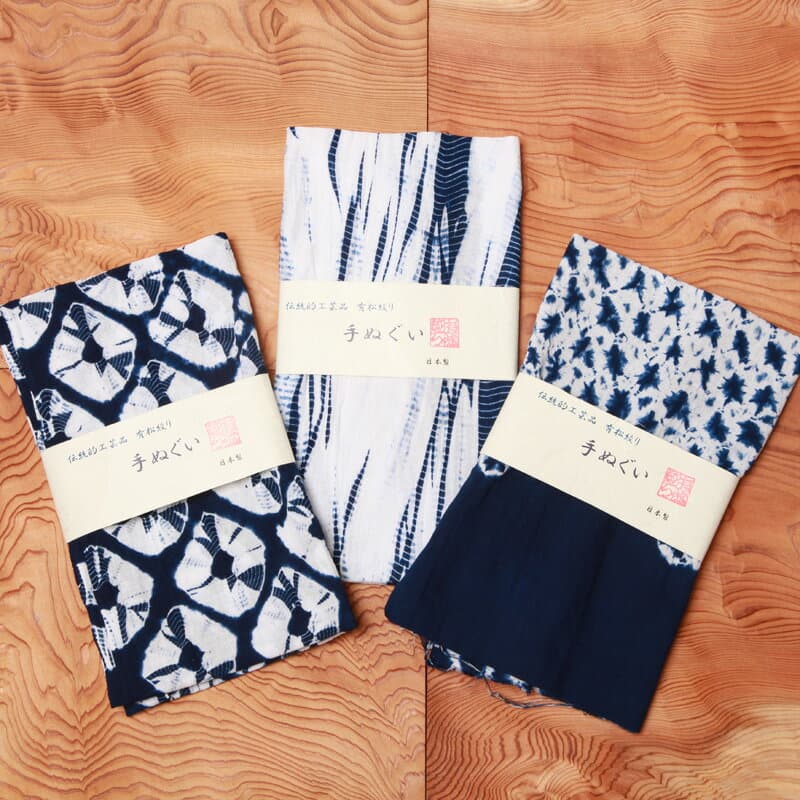
【有松絞り手ぬぐい】(和雑貨)伝統的工芸品・絞り小物【有松絞り】【和柄】【手拭い】【販売商品】【買う】【内祝い】【プレゼント】【プチギフト】夏フェス 祭り 踊り 野外フェス アウトドア 愛知県製造
approx. 32 x 90 cm名古屋貸衣装
4.7 / 40 reviews
First time buying on Rakuten? How residents in Japan order →
All 7 listings of this product on Rakuten, lowest price first.
| Listing | Price | Shop | Reviews | Open listing |
|---|---|---|---|---|
Arimatsu Narumi Shibori Cotton 3D Mask black, adult free sizeLowest price | ¥1,595 | 名古屋貸衣装 | 5.0 / 1 reviews | View on Rakuten → |
Arimatsu Narumi Shibori Handmade Cotton 3D Mask green, adult free sizeLowest price | ¥1,595 | 名古屋貸衣装 | 5.0 / 1 reviews | View on Rakuten → |
Arimatsu Narumi Shibori Itajime Mame Shibori Tenugui approx. 35 x 100 cm | ¥2,750 | 手ぬぐい専門店 麻布十番 麻の葉 | View on Rakuten → | |
Arimatsu-Narumi Shibori Silk Tie 10 color optionsGift-ready | ¥7,880 | 和-華 | 5.0 / 1 reviews | View on Rakuten → |
Arimatsu Narumi Shibori Ise Cotton Short-Sleeve Blouse dark navy, free size | ¥24,000 | 古布と藍染めこっとんコットン | 5.0 / 1 reviews | View on Rakuten → |
Custom Arimatsu-Narumi Shibori Aerial Yoga Fabric fabric only | ¥26,300 | Dreamnature | View on Rakuten → | |
Arimatsu-Narumi Shibori Tenugui Towel approx. 32 x 90 cmMost reviewedGift-ready | ¥29,800 | 名古屋貸衣装 | 4.7 / 40 reviews | View on Rakuten → |
Japanese · new tab
Arimatsu-Narumi shibori belongs to the Arimatsu and Narumi area of Midori Ward, Nagoya, in Aichi. Its shape is made through a sequence of visible acts: stencil paper is cut to the design, blue-flower liquid marks the cloth, cotton thread binds the surface, and dye leaves the tied places untouched until the thread is removed.
The production area is organized around the Aichi Prefecture Shibori Industrial Cooperative, the Arimatsu Shibori Commerce and Industry Cooperative, and the Narumi Shibori Commerce and Industry Cooperative. The Arimatsu-Narumi Shibori Hall stands at Arimatsu 3008 in Midori Ward, and the current member list includes businesses with Arimatsu and Narumi addresses. The local identity is concrete: ward names, cooperatives, a craft hall, and working businesses share the same geography.
Aichi's account places the beginning in the Keicho era, when Takeda Shokuro used a shibori method associated with people involved in building Nagoya Castle, made tenugui, and sold them as kukuri-shibori. The regional organizations connect the roughly 400-year history with Owari domain protection and with Tokaido travelers buying shibori hand towels and yukata to take home.
The process begins with a design and stencil paper. The cloth is marked with blue-flower liquid, bound with cotton thread, dyed, and then untied; the dye does not reach the bound sections, so the reserved pattern emerges when the thread is removed. Steam and yunosh finishing complete the cloth, and Aichi describes an average span of 50 to 60 days through the hands of specialized craftspeople.
The tying side of Arimatsu-Narumi shibori includes about 70 methods, with kumo-shibori, arashi-shibori, and sekka-shibori named among them. Those names point to differences in binding and surface: web-like gathering, directional line movement, and flower-like repetition. Its tradition is explained by the material facts of cotton thread, resisted dye, and the moment when untying reveals a different pattern.
The range of uses reaches from formal clothing to everyday and interior textiles. Aichi lists silk kimono fabrics such as furisode and homongi, along with cotton yukata, clothing fabric, and interiors; the regional history also places hand towels and yukata in the hands of Tokaido travelers. The same resist-dyed surface can appear in ceremonial dress, summer wear, a tenugui, or a room textile.
At the Arimatsu-Narumi Shibori Hall, visitors can watch tying demonstrations by two craftspeople, see videos introducing the history and process, and enter a reference room with historic shibori works and materials. The tourism association also links Arimatsu shibori with the townscape, making the hall at Arimatsu 3008 a place where cloth, hands, and streets can be read together.
The Arimatsu Shibori Commerce and Industry Cooperative member list dated February 1, 2025 names businesses and representatives across Midori Ward locations including Arimatsu, Narumicho, and Sakaimatsu. The list is a present-day snapshot rather than a full biography of each workshop, but it shows the craft continuing through local shops, dyeing works, and cooperative members.
Arimatsu-Narumi shibori is best understood through its concrete sequence: blue-flower marking, cotton-thread tying, dyeing, untying, steaming, and yunosh finishing. From Keicho-era tenugui to Tokaido travelers' yukata and today's demonstrations in Arimatsu, the cloth ties place, process, and use into one visible surface.
Compiled from public records and official sources; see the recognition links below. Details may change over time.
Where this product is officially registered, designated, or recognized in Japan.
Regional collective trademark
Registered as a Regional Collective Trademark with the Japan Patent Office.
Sources1
It is written as 有松鳴海絞 in Japanese. Search Rakuten and other Japanese sites with that spelling — the English name will not bring up the listings.
Arimatsu-Narumi shibori is a resist-dyed textile family from the Arimatsu and Narumi area of Midori Ward, Nagoya, in Aichi. Its process uses stencil paper, blue-flower marking, cotton-thread tying, dyeing, untying, steaming, and yunosh finishing; the tied sections resist dye and become the pattern. Uses include silk kimono cloth, cotton yukata, clothing fabric, interiors, and tenugui, with demonstrations and historic works at the Arimatsu-Narumi Shibori Hall.
The Keicho-era origin account names Takeda Shokuro, a shibori method connected with workers who built Nagoya Castle, tenugui, and kukuri-shibori. Arimatsu-Narumi shibori has about 70 tying methods, including kumo-shibori, arashi-shibori, and sekka-shibori. The Arimatsu-Narumi Shibori Hall presents tying demonstrations by two craftspeople, videos on history and process, and a reference room with historic works and materials. The craft hall's website also lists information about the Arimatsu Shibori Festival.
It is worn as formal kimono fabric, such as furisode and homongi, and as cotton yukata and clothing fabric. Travelers on the Tokaido are described as having bought shibori towels and yukata as souvenirs from the area. Beyond clothing, it is also used for interior textiles.
Naturally dyed textiles shed some colour on first wash. Hand-wash separately with a neutral detergent, avoid long soaking and bleach, and dry in the shade to prevent fading. Silk, ramie, and traditionally dyed pieces often need professional cleaning — the care label on the listing takes precedence.
Most options are shelf-stable, boxed, and travel well, so they suit gifting or bringing home. Confirm the final storage and delivery terms on the Rakuten listing.
On Rakuten: the shops listed here right now are 古布と藍染めこっとんコットン, 名古屋貸衣装, Dreamnature, 手ぬぐい専門店 麻布十番 麻の葉. We don't sell directly; purchase, payment, stock, and delivery are all handled on the Rakuten product page.