 3 images
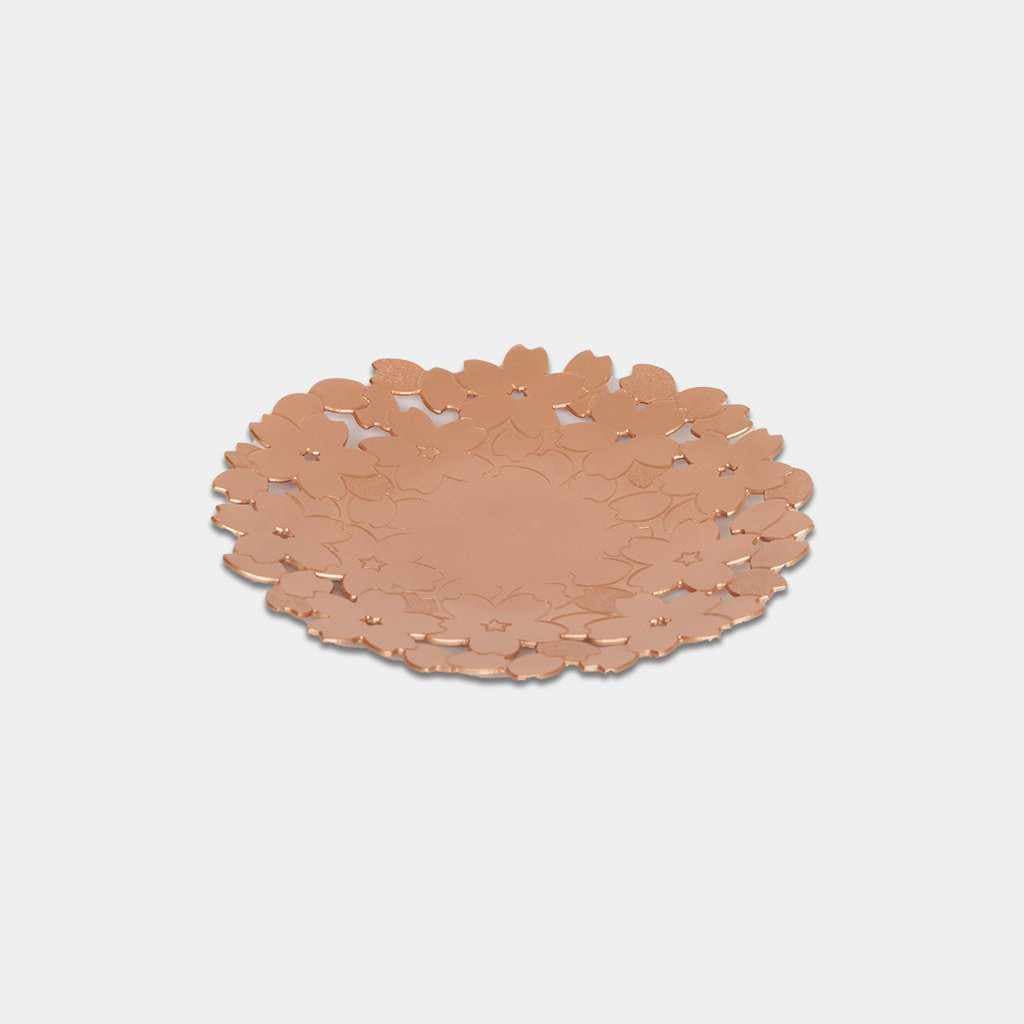
Falling Flowers Trinket Tray | Owari Butsugu
【小物皿】花降ぅり | 尾張仏具
9.0 x 9.0 cmBECOS伝統工芸楽天市場店
5.0 / 1 reviews
Japanese name尾張仏具
Owari butsugu grew in Aichi’s Owari and Nagoya area as a family of wooden lacquered Buddhist implements shaped by separate specialists in woodwork, carving, lacquer, gold leaf, color, metal fittings, and maki-e.
Information last updated 120 days ago
3 images【小物皿】花降ぅり | 尾張仏具
9.0 x 9.0 cmBECOS伝統工芸楽天市場店
5.0 / 1 reviews
 3 images
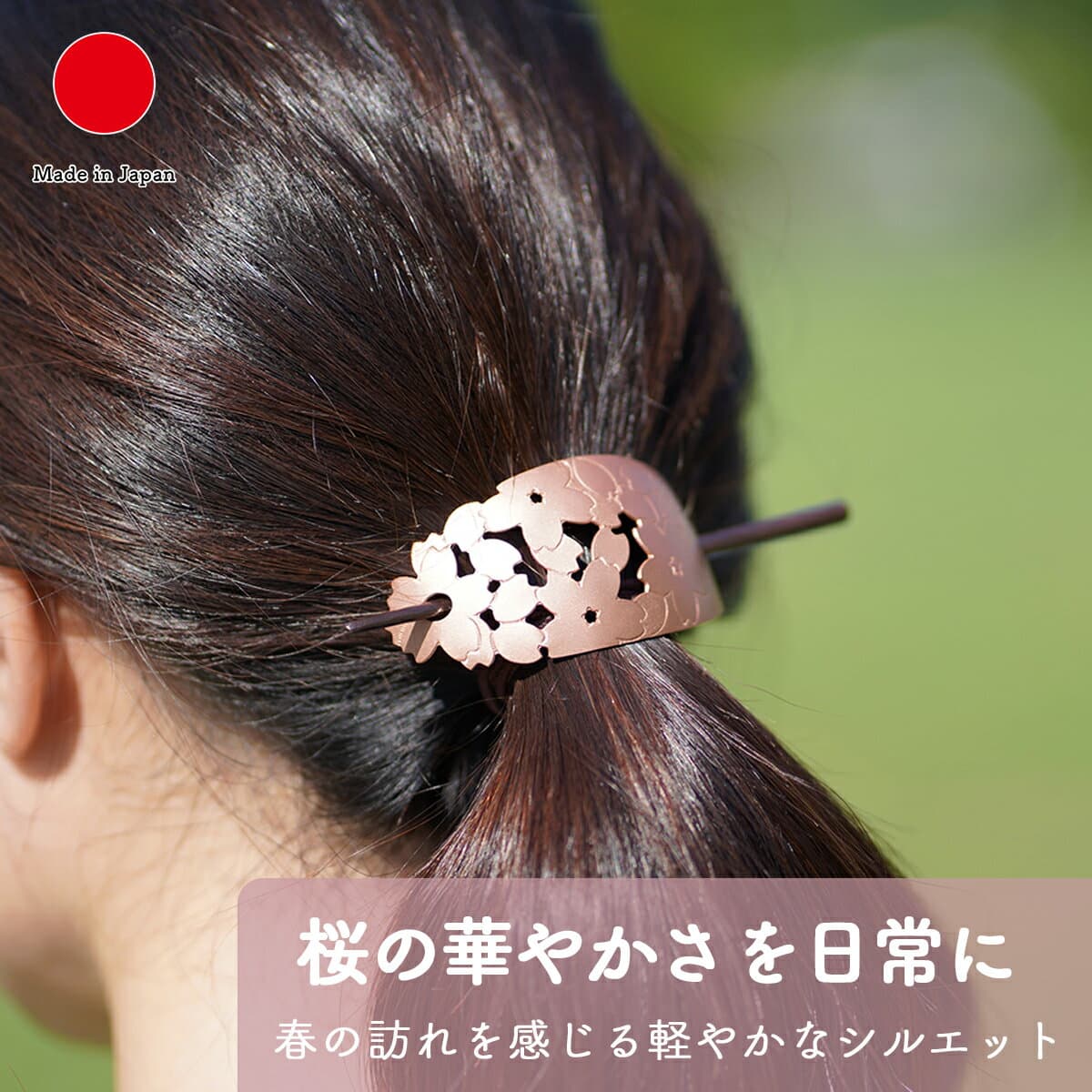
ノヨリ マジェステ 花降ぅり ファッション雑貨 おしゃれ 高級 | 銅 ピンク 7cm 尾張仏具 日本製 国産 職人 | 海外 手土産 モダン ヘアアクセサリー ヘア飾り ハーフアップ お出かけ 着物 浴衣 和服 | 結婚祝い 新居祝い 新築祝い 誕生日 還暦祝い 母の日 プレゼント
pink, 7 cm日本のおしゃれ雑貨と贈り物BECOS
First time buying on Rakuten? How residents in Japan order →
In the castle town of Nagoya, Buddhist altars and implements were being made together from the early Edo period. Around Tachibana-cho, linked with Osu Kannon, Nishi Betsuin, and Higashi Betsuin, wholesalers and craftspeople later gathered in a working district. Owari butsugu took shape there as a broad family of wooden lacquered objects: Buddhist statues, shumidan platforms, zushi shrines, altar tables, incense vessels, ihai tablets, mokugyo, carved wood flowers, and shrine shelves, each adjusted for temples, sects, regions, and household use.
Owari butsugu begins with Buddhist altar and implement making in the Nagoya castle town. In the late Edo period it also developed through side work by lower-ranking samurai; in the Meiji period, wholesaler-centered home industry increased production capacity; by the early Showa period, distribution had widened. Around Tachibana-cho, that history left a practical map of wholesalers and specialist makers whose work could meet across wood, lacquer, foil, color, and metal. The materials also point beyond a single street. Owari butsugu uses wood, lacquer, gold leaf, metal, and pigments, and historical material supply is tied to Kiso hinoki moving by the Kiso River, Ise Bay, and Horikawa into Nagoya. Its local character rests in concrete conditions: castle-town demand for Buddhist fittings, routes that brought timber into the city, and a district where separate crafts could be coordinated.
The family centers on wooden lacquered Buddhist implements and spans both temple and household use. Buddhist statues, shrine-like palace fittings, shumidan platforms, zushi cabinets, front tables, incense tables, sutra desks, canopies, banners, incense vessels, sutra boxes, sanbo stands, ihai tablets, mokugyo, wood flowers, and shrine shelves belong to spaces for memorial offerings, chanting, incense, and the placement of images. That range explains why the work is divided so finely. Temples, sects, regions, and household settings can change measurements, forms, and ornament, so makers combine processes for more than 1,000 item types. Tradition here is concrete: an altar table sits where chanting happens, an incense stand holds the vessel for fragrance, and an ihai tablet or mokugyo enters the rhythm of memorial practice.
Production is divided into wood shaping, carving, undercoating, lacquer work, coloring, decorative metal fittings, and maki-e. Woodworkers prepare the form; carvers cut motifs and raised details; undercoating and lacquer specialists build the surface while adjusting drying and viscosity to the season. Color, gold leaf, metal fittings, and maki-e then add visible edges, luster, pattern, and pictorial detail. The purpose of this division is coordination. For each order, craftspeople choose the needed sequence according to temple, sect, regional, or household requirements. Some objects need gold leaf, others need metal fittings, and others depend mainly on lacquer and color. The same system can handle statues, mokugyo, ihai tablets, temple implements, and ritual fittings with different forms.
Gold leaf depends on the condition of the lacquer surface. Before the foil is pressed, the craftsperson judges how much lacquer should be wiped away; Aichi’s description also names the heavy-pressing method used in gold-leaf placement. The work determines how gold adheres to lacquer and how the thin foil settles onto the prepared surface. Decorative fittings use copper, brass, silver, and related metals, ranging from tiny pieces to fittings for roofs, portable shrines, and festival floats. Patterns may be cut with chisels before later surface work. Coloring brings pigments and gold paint into the final stage, clarifying details on statues, wood flowers, or temple implements. Together, foil, metal, and color create the lines, patterns, and light seen at the altar.
Mokugyo show the time built into Owari butsugu. The wood is roughly carved, hollowed inside, naturally dried, carved further, and tuned for sound; depending on the wood and scale, completion can take from months to decades. When the object enters chanting and memorial use, its sound comes from drying, cavity, carving, and adjustment. Wood flowers follow another route through the same material world. Thin wooden petals are carved, and heat is used to bend branch parts; the finished objects can stand in for fresh flowers in offering settings. Mokugyo depend on hollow space and tone, while wood flowers depend on thin cuts, flower shapes, and branch lines, yet both turn wood into implements for temple and household practice.
Many Owari butsugu are repaired and handed on rather than treated as short-lived objects. Repair begins with reading damage, choosing materials, and selecting suitable techniques; the preservation association describes cases where repair demands greater skill than making a new piece because the maker must understand the original structure, lacquer, gold leaf, metal fittings, and traces of use. Custom work also keeps the craft tied to each site. Temples, sects, regions, and homes bring different dimensions, shapes, and uses, so craftspeople rearrange woodwork, carving, lacquer, color, foil, metal fittings, and maki-e for the object in front of them. The continuity of Owari butsugu is grounded in this ability to repair, adjust, and fit implements to real places of use.
From the Nagoya castle town to the area around Tachibana-cho, Owari butsugu connects urban demand, timber routes, lacquer and gold-leaf work, metal fittings, and Buddhist implements for temples and homes. Its clearest form is the movement of one object through many skilled hands: wood shaped, motifs carved, lacquer dried, gold leaf pressed, metal engraved, color applied. The sound of mokugyo, the bent stems of wood flowers, and the placement of ihai tablets or incense vessels keep the craft in objects that can be used, repaired, and carried forward.
Compiled from public records and official sources; see the recognition links below. Details may change over time.
Where this product is officially registered, designated, or recognized in Japan.
Traditional craft
Designated a Traditional Craft (dentō kōgeihin) by Japan's Ministry of Economy, Trade and Industry.
Sources1
It is written as 尾張仏具 in Japanese. Search Rakuten and other Japanese sites with that spelling — the English name will not bring up the listings.
Owari butsugu is a family of Buddhist implements from Aichi's Owari and Nagoya area, centered on wooden lacquered objects such as Buddhist statues, shumidan platforms, incense vessels, and ihai tablets. Production is divided among specialists in wood shaping, carving, undercoating, lacquer, coloring, decorative metal fittings, and maki-e, then combined to suit temple, sect, regional, and household needs. Mokugyo are carved, hollowed, dried, and tuned, while repair and custom work keep implements in long use.
Owari butsugu is tied to Aichi's Owari and Nagoya area, where Buddhist implements were produced with altars from the early Edo period. As tools for memorial offerings, the item family also includes zushi shrines, altar tables, mokugyo, wood flowers, shrine shelves, and sanbo. Owari butsugu processes are combined according to orders across more than 1,000 item types, with dimensions and forms varying by sect, temple, and region. Completing a mokugyo can take from several months to several decades, involving rough carving, hollowing, drying, and sound tuning.
Mokugyo are hollowed, dried, and tuned to produce a particular sound. Wood flowers are carved with thin wooden petals and have their branches bent with heat, then offered in place of fresh flowers. Rather than being discarded, Owari butsugu implements are typically repaired and passed down, with repair requiring assessment of damage and appropriate techniques.
Keep craft pieces out of direct sunlight, damp, and sharp temperature swings, and store them where they won't knock against anything. Wood, bamboo, lacquer, and paper don't tolerate water — wipe any moisture off immediately. Specific care notes are on the listing.
Most options are shelf-stable, boxed, and travel well, so they suit gifting or bringing home. Confirm the final storage and delivery terms on the Rakuten listing.
On Rakuten: the shops listed here right now are BECOS伝統工芸楽天市場店, 日本のおしゃれ雑貨と贈り物BECOS. We don't sell directly; purchase, payment, stock, and delivery are all handled on the Rakuten product page.