 3 images
Aichi Local Goods Guide
愛知県
Aichi is indexed here as a practical buying guide for travelers and foreign residents in Japan. Start with packable gifts, then compare table goods, quiet luxuries, and crafted objects when you need a stronger sense of place.
18Local selections
What Aichi is known for
The 8 products below are what Aichi is known for, ordered by how strongly each is rooted in the prefecture — what it is, and why it comes from here.
Nagoya yuzen dyeingTextiles
From Nagoya and Owari silk textiles to Aichi workshops, Nagoya yuzen follows white silk through aobana underdrawing, paste resist, steaming, washing, and restrained shibu gradation.
Nagoya black formal dyeingTextiles
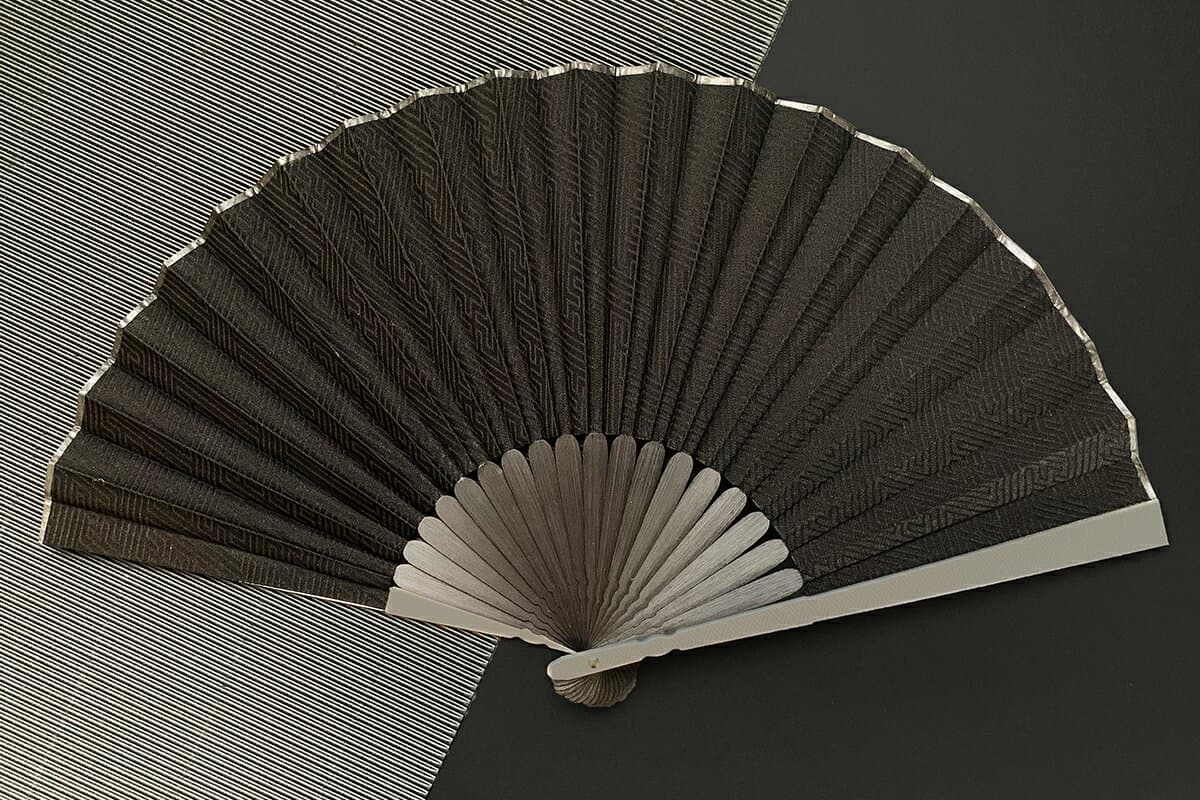
Around Nagoya in Aichi, white silk is marked for sleeves, collar, body panels, and crests before pattern paper, brass nets, red or indigo under-dyeing, and black dyeing shape formal cloth.
Owari Buddhist altar fittingsCraft objects
Owari butsugu grew in Aichi’s Owari and Nagoya area as a family of wooden lacquered Buddhist implements shaped by separate specialists in woodwork, carving, lacquer, gold leaf, color, metal fittings, and maki-e.
Nagoya seasonal festival ornamentsCraft objects
Across Nagoya and the Chubu production area, dressed dolls, warrior banners, yellow-bellied carp streamers and bonbori lanterns form seasonal displays for children’s growth.
Toyohashi brushesHome & living
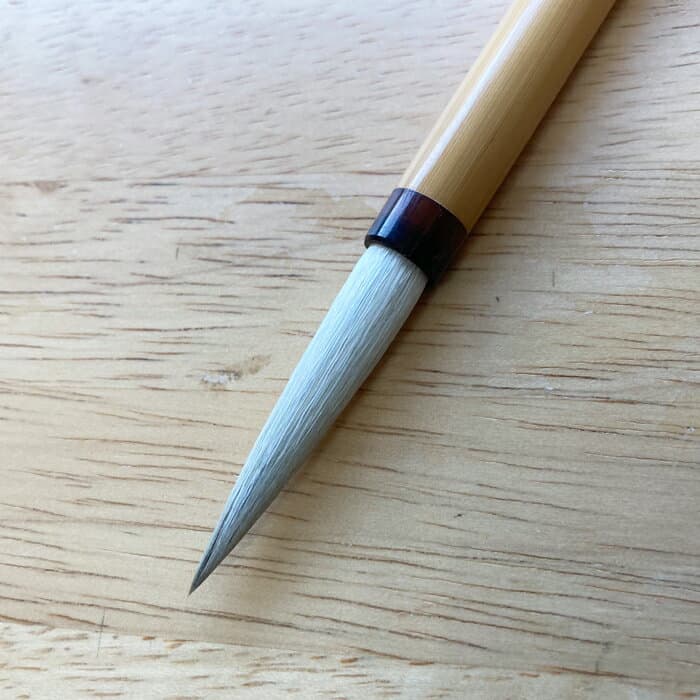
Around Toyohashi, Toyokawa, Gamagori, and Shinshiro, animal hair and bamboo or wood shafts are shaped through nerimaze before ink becomes a written line.
Tokoname wareTableware
In Tokoname City, Aichi, hill kilns, sea-borne jars, iron-rich red clay, and polished unglazed surfaces lead into present-day kyusu, flower vessels, sake vessels, and plant pots.
Seto wareTableware
In Seto, Aichi Prefecture, Kibushi and Gaerome clays support tableware, ornaments, electrical porcelain, and fine ceramics, while kiln-tool walls and blue Sometsuke brushwork make the ceramic town visible at street level.
Akazu wareTableware
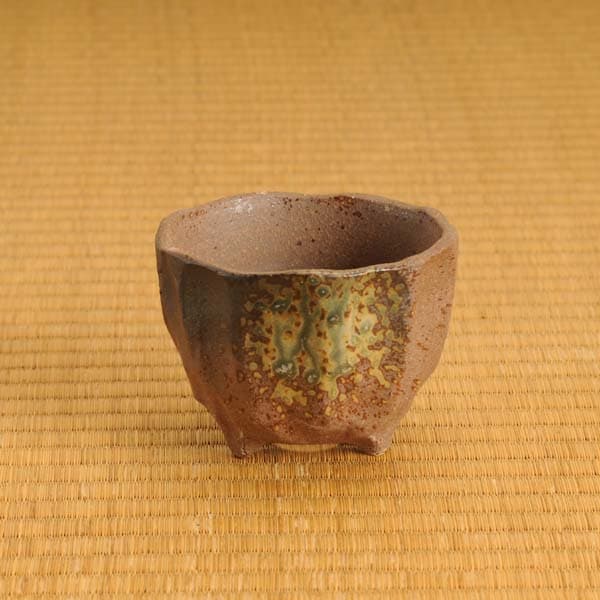
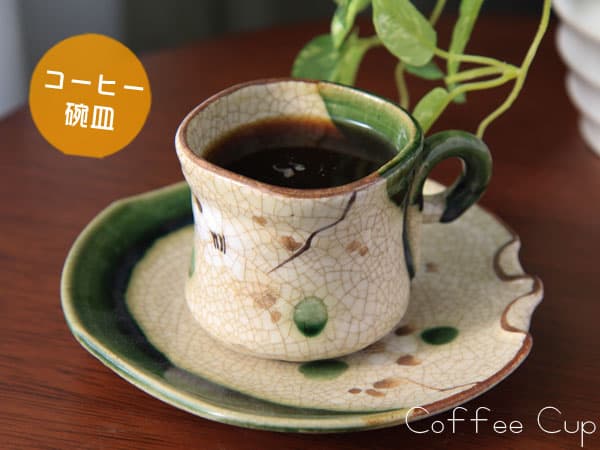
In Akazu, Seto City, Aichi Prefecture, Akazu-yaki brings Oribe, Shino, Ki-Seto, Ko-Seto, ash, Ofuke, and iron glazes into tea utensils, flower vessels, sake vessels, and tableware.
Regional Gifts
Packable foods and gifts with clear regional character.
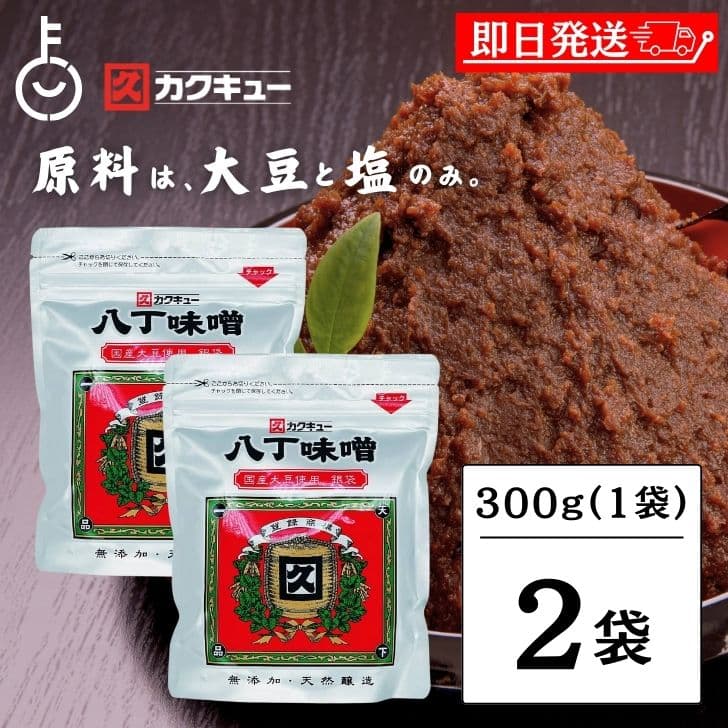
Table & Tea
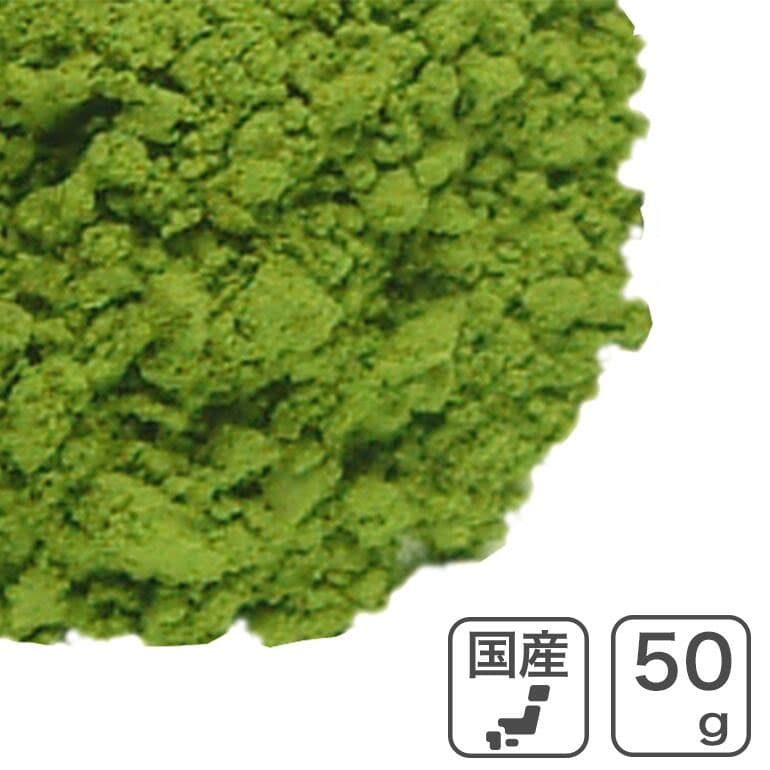
Tea, drinks, foods, and table pieces shaped by local taste.


Daily Rituals
Home goods and textiles that turn everyday use into a local ritual.




Crafted Forms
Ceramics, lacquer, glass, woodwork, metalwork, folk craft, and their forms.
 3 images
 3 images
 3 images
Aichi's specialties by category
How the same thing is made elsewhere, and what differs: the category overviews start here.
Kind before region: fresh fish is about handling, crab and oysters about season, nori and dried goods about processing.
Start with type, not region: white miso is sweet and short-aged, red miso is salty and long-aged, bean miso is soybeans and salt only.
Earthenware or porcelain first, then the surface: unglazed like Bizen, glazed like Hagi, or painted like Kutani.
Pick the type before the region: sencha is brisk, gyokuro is sweet and thick, matcha is ground tencha, hojicha is roasted and not bitter.
Woven or dyed first: tsumugi, kasuri and chijimi weave dyed yarn; yuzen, komon and bingata dye white cloth.
Everyday Japanese tools, each tied to a named craft region and still made for use.
FAQ
What is Aichi known for?
Aichi (Chubu) is represented here by specialties such as Nagoya yuzen dyeing, Nagoya black formal dyeing, Owari Buddhist altar fittings — each verified against official registries and matched to Rakuten listings.
Are Aichi souvenirs good to bring home?
Many Aichi picks — Nagoya yuzen dyeing, Nagoya black formal dyeing, Owari Buddhist altar fittings among them — are shelf-stable foods and crafts that travel well; for temperature- or fragility-sensitive items, confirm delivery and packaging on the Rakuten listing.
Are these products sold directly by this site?
No. This site curates Rakuten listings and may earn affiliate revenue from links to Rakuten.
How are products selected?
Listings are filtered for local relevance, product images, availability, and review strength.
Related prefecture guides
Niigata
Niigata is a useful regional guide for distinctive local specialties.
Toyama
Toyama is a useful regional guide for distinctive local specialties.
Ishikawa
Ishikawa is a useful regional guide for distinctive local specialties.
Fukui
Fukui is a useful regional guide for distinctive local specialties.