 2 images
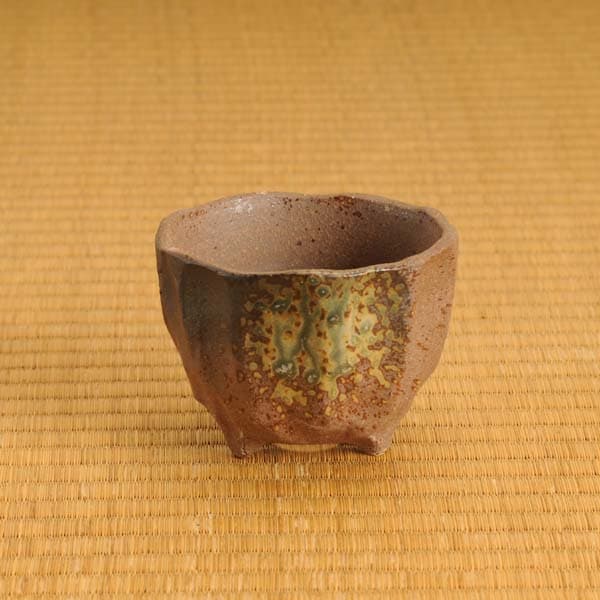
Seto Ware Small Bowl
鉢:瀬戸焼小鉢 8.8cm*資材
8.8 cm遊恵盆栽 楽天市場店
5.0 / 4 reviews
Japanese name瀬戸焼
In Seto, Aichi Prefecture, Kibushi and Gaerome clays support tableware, ornaments, electrical porcelain, and fine ceramics, while kiln-tool walls and blue Sometsuke brushwork make the ceramic town visible at street level.
Information last updated 114 days ago
2 images鉢:瀬戸焼小鉢 8.8cm*資材
8.8 cm遊恵盆栽 楽天市場店
5.0 / 4 reviews
 3 images
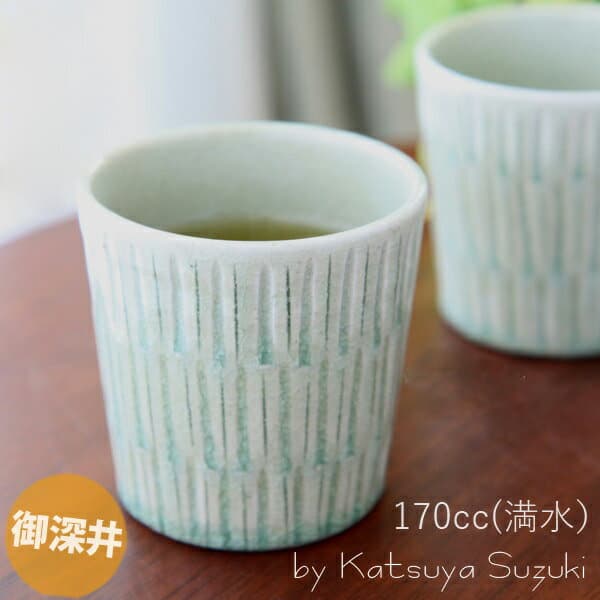
\最大1000円OFFクーポン配布中!/【手造り】 幾何学コップ(鈴木克弥作)【170cc(満水)】【直径7.5cm×高さ7.2cm】【御深井(オフケ)/カップ/インテリア/小さい/彫/瀬戸焼/愛知県瀬戸市/日本製】
170cc, 7.5 x 7.2 cm街はずれの陶器屋さん
5.0 / 2 reviews
 3 images
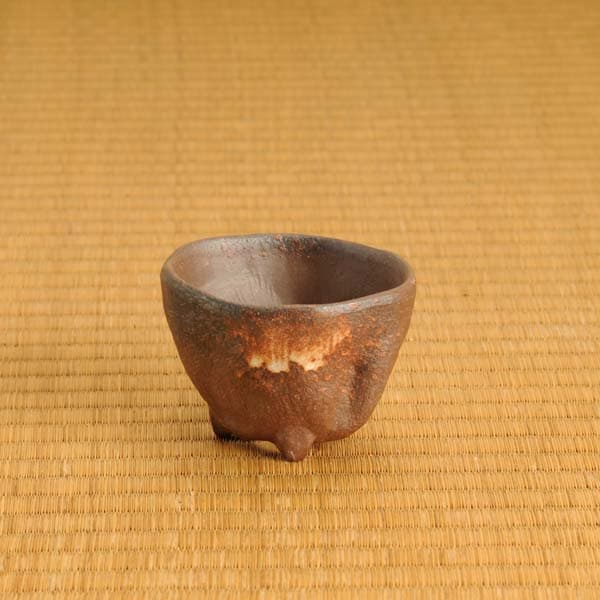
鉢:瀬戸焼小鉢 7.5cm*資材
7.5 cm diameter遊恵盆栽 楽天市場店
4.7 / 3 reviews
First time buying on Rakuten? How residents in Japan order →
Seto ware often enters daily life as a rice bowl, teapot, cup, or mortar, yet its shape begins with the clay of Seto in Aichi Prefecture. Kibushi and Gaerome clays support a ceramic range that starts with tableware and reaches ornaments, electrical porcelain, and fine ceramics. Inside Seto city, Setogura Museum, Seto Sometsuke Craft Museum, Setogura Ceramic Plaza, and the 400-meter Kamagaki no Komichi connect vessels, making, old kiln tools, and blue brushwork in one walkable ceramic landscape.
Seto is a ceramic town in Aichi Prefecture known for clay suited to making ware. Kibushi and Gaerome clays are named as important local materials, and their properties help explain why Seto ware covers a wide ceramic range. Tableware, ornaments, electrical porcelain, and fine ceramics all sit within the local production picture, so the word culture here means something concrete: clay from Seto, shaped into household vessels and also into industrial and refined ceramic work.
The most familiar face of Seto ware is a vessel used at home. Product examples from the Seto ware association include lidded cups, flower vessels, Shino mortars, teapots, mugs, and rice bowls. These objects keep the family grounded in use instead of a single look: Seto ware can be held as a cup, set on the table as a bowl, used as a teapot, or worked with as a mortar.
Seto is named alongside Tokoname, Shigaraki, Echizen, Tamba, and Bizen as one of Japan’s Six Old Kiln production areas. The history of Seto ware is described with several theories, but a span of roughly one thousand years gives the town a long ceramic horizon. That continuity is not an abstract heritage claim; it is tied to local clay, named wares, museum displays, and production areas that still organize how Seto ceramics are introduced.
Within the Seto production area, Akazu ware and Seto Sometsuke ware give readers two clear paths into technique. Akazu ware is linked to long-used local methods, while Seto Sometsuke is introduced through ink-wash-like brush touches and blue tones. The Seto Sometsuke Craft Museum shows works, explains history and process, and offers painting experiences, making the movement of blue brushwork across ceramic surfaces easier to see and understand.
Kamagaki no Komichi runs for about 400 meters, with walls built from old kiln tools. The path turns production objects into street scenery and recalls a time when carts and carriers moved ceramics through Seto. Finished vessels are only one part of the view here; the lane also holds the tools, walls, and routes that belonged to ceramic work in the city.
Seto’s ceramic landscape extends through public places and hands-on settings. Setogura Museum occupies the second and third floors of Setogura and recreates Seto townscapes from the Showa 30s to 40s. Setogura Ceramic Plaza gathers goods from Seto kilns on the first floor. Seto Sometsuke Craft Museum presents blue-painted works and process, while experience sites such as Ichirizuka Hongyo Kiln offer wheel throwing, hand forming, and painting. Together, these places put Seto ware into displays, streets, objects, and hand movement.
Seto ware also has a visible producer structure. The Seto ware association organizes facilities by Akazu, Chuo, Hatayama, Mizuno, and Shinano districts. The Aichi Ceramic Industrial Cooperative lists sections for tableware, ceramic art, ornament ware, industrial products, fine ceramics, Shinano products, and Akazu products. These names locate Seto ware in districts, product categories, and maker communities rather than in a single representative object.
Seto ware is broad because it joins Seto’s clay, city streets, uses, and producer communities. Kibushi and Gaerome clays lead to cups, teapots, rice bowls, mortars, ornaments, electrical porcelain, and fine ceramics; Kamagaki no Komichi keeps old kiln tools in view; Seto Sometsuke preserves blue brushwork as a visible technique. The family is best understood through the material and work of a ceramic town, beginning with daily vessels and widening into the places that make them legible.
Compiled from public records and official sources; see the recognition links below. Details may change over time.
Where this product is officially registered, designated, or recognized in Japan.
Regional collective trademark
Registered as a Regional Collective Trademark with the Japan Patent Office.
Sources1
It is written as 瀬戸焼 in Japanese. Search Rakuten and other Japanese sites with that spelling — the English name will not bring up the listings.
Seto ware is a ceramic product family from Seto in Aichi Prefecture. Kibushi and Gaerome clays support a range that includes tableware, ornaments, electrical porcelain, and fine ceramics. Seto is one of Japan's Six Old Kiln production areas, with a history described at roughly one thousand years. Akazu ware and Seto Sometsuke ware are names used within the Seto production area.
Examples presented by the Seto ware association include lidded cups, flower vessels, mortars, teapots, mugs, and rice bowls. Seto is named with Tokoname, Shigaraki, Echizen, Tamba, and Bizen as one of Japan's Six Old Kiln production areas. Kamagaki no Komichi is about 400 meters long and has walls built from old kiln tools, recalling ceramic transport by carts and carriers. Setogura Museum is on the second and third floors of Setogura and recreates Seto townscapes from the Showa 30s to 40s.
The range includes everyday tableware such as cups, teapots, rice bowls, mugs, and mortars for daily meals and drinks. Visitors to Seto can choose vessels, try pottery, visit museums, walk Kamagaki no Komichi, and see kiln-direct goods at Setogura Ceramic Plaza.
Porous earthenware is usually given a "medome" treatment first — simmer it gently in rice-rinsing water (or water with a little flour), then cool, rinse, and air-dry. This reduces staining and odour absorption. Porcelain normally just needs a wash. Follow the listing where it says otherwise.
Handmade earthenware, pieces with gold or silver overglaze, and lacquerware generally should not go in a dishwasher, microwave, or heated drying cabinet; heat-resistant porcelain usually can. Check the Rakuten listing for the specific piece.
Most options are shelf-stable, boxed, and travel well, so they suit gifting or bringing home. Confirm the final storage and delivery terms on the Rakuten listing.
On Rakuten: the shops listed here right now are 遊恵盆栽 楽天市場店, 街はずれの陶器屋さん. We don't sell directly; purchase, payment, stock, and delivery are all handled on the Rakuten product page.