 3 images
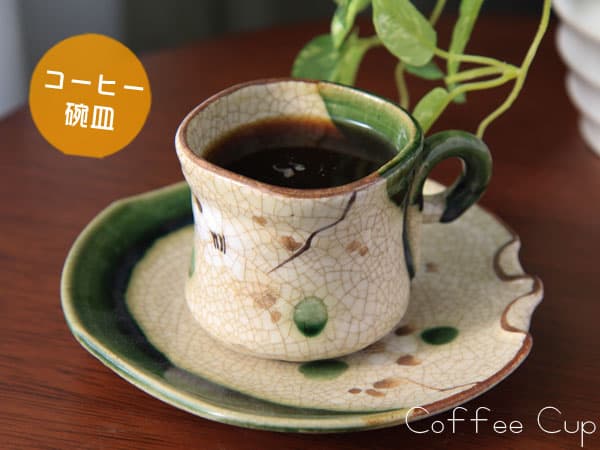
Rokubei Kiln Oribe White Plum Seto (Akazu) Ware Coffee Cup & Saucer
【織部】【瀬戸焼(赤津焼)】【シリーズ】六兵衛窯織部白梅コーヒー碗皿(コーヒーカップ&ソーサー)
100cc cup with saucer街はずれの陶器屋さん
4.8 / 8 reviews
Japanese name赤津焼
In Akazu, Seto City, Aichi Prefecture, Akazu-yaki brings Oribe, Shino, Ki-Seto, Ko-Seto, ash, Ofuke, and iron glazes into tea utensils, flower vessels, sake vessels, and tableware.
Information last updated 120 days ago
3 images【織部】【瀬戸焼(赤津焼)】【シリーズ】六兵衛窯織部白梅コーヒー碗皿(コーヒーカップ&ソーサー)
100cc cup with saucer街はずれの陶器屋さん
4.8 / 8 reviews
 3 images
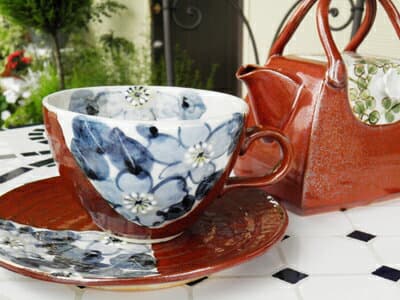
【錦山窯】窯元直売 瀬戸赤津焼 赤錦 珈琲碗皿セット【結婚祝い・ブライダル・出産祝い・食器%OFF・アウトレット・訳ありじゃない・瀬戸焼】
cup 150-180cc, saucer 14.8cm錦山窯
4.7 / 3 reviews
 3 images
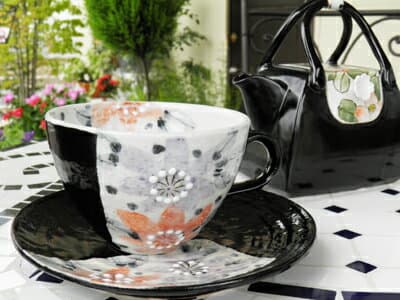
【錦山窯】窯元直売 瀬戸赤津焼 黒織部 珈琲碗皿セットギフト・お祝い・景品・お土産当店オリジナルブランドセール
Black Oribe錦山窯
4.7 / 3 reviews
First time buying on Rakuten? How residents in Japan order →
Akazu-yaki begins with a place name: Akazu in Seto City, Aichi Prefecture. Its timeline reaches back to Nara-period Sue ware, passes through Kamakura-period glazing, and takes its present core techniques from the Azuchi-Momoyama tea world, where Shino and Oribe became central. The family is easiest to recognize through seven glazes, twelve decorative methods, and the vessel types that carry them: tea utensils, flower vessels, sake vessels, dining ware, and household goods.
Akazu-yaki is anchored in Seto City’s Akazu-cho and nearby kiln addresses. The Akazu-yaki Industrial Cooperative is based in Akazu-cho, and it had nine members as of December 2023, with listed workshops also tied to the Akazu area.
That small place name sits inside a wider Seto ceramics network. The Seto-yaki Promotion Association was established in 1988 to promote Seto City and Seto ware as a ceramics production area, and the Akazu-yaki Industrial Cooperative appears among its member organizations.
The historical line reaches back to Sue ware of the Nara period. Kamakura-period glazing forms part of the same local ceramic line, and in the Azuchi-Momoyama period the growth of tea practice helped establish Shino, Oribe, and other techniques at the core of Akazu-yaki.
Tea utensils therefore sit close to the family’s technical vocabulary. Akazu-yaki’s main products include tea utensils, flower vessels, sake vessels, and dining ware, while its broader range runs from tea and flower-arrangement tools to household goods.
The surface vocabulary of Akazu-yaki begins with seven named glazes: Oribe, Shino, Ki-Seto, Ko-Seto, ash glaze, Ofuke, and iron glaze. The list gives the family a practical visual vocabulary across different vessel forms.
Those glazes appear across objects used for tea, flowers, sake, meals, and the home. A tea utensil and a dining vessel can belong to the same Akazu-yaki family because they share this glaze and decoration vocabulary.
Akazu-yaki also uses twelve decorative techniques. Among the named methods are spatula carving, stamped floral decoration, comb marks, and Mishima-style work, each pointing to a different way of marking or organizing the ceramic surface.
Together with the seven glazes, these methods give the vessel surface names for carved lines, stamped motifs, combed marks, and Mishima-style decoration. The same vocabulary is used across tea tools, flower-arrangement tools, and household goods.
An Akazu-yaki piece may begin on the wheel, in slab forming, or through hand forming. After shaping, it is finished and dried, then painted or glazed and fired; the usual process skips bisque firing.
For Oribe pieces, the work continues after firing with tochi-shibu-nuki. Tannin from acorn caps is used to remove the surface film, so the final surface is shaped by both kiln work and this post-firing step.
The product range keeps ceremonial and everyday objects in the same frame: tea utensils, flower vessels, sake vessels, dining ware, and household goods. That range matters because the same seven glazes and decorative methods are used across tools for tea, flower arrangement, home use, and meals.
When Akazu-yaki is described as traditional, the concrete content behind that word is the Seto place name, the vessel types, the seven glazes, the twelve decorative methods, and the making sequence that usually moves from forming straight to glazing or painting and firing.
Akazu-yaki also carries a traditional-craft designation; the concrete outline behind that status is the Akazu-yaki Industrial Cooperative in Seto, nine members as of December 2023, and workshop addresses around Akazu-cho.
The wider Aichi Prefecture Ceramics Industrial Cooperative groups activity by divisions that include tableware, ceramic art, and Akazu products. Seen through those names, Akazu-yaki belongs to Seto’s ceramics production community as a current product family with vessels, makers, and regional organizations around it.
Akazu-yaki comes into focus through linked details: Akazu in Seto City, a timeline from Nara-period Sue ware to Azuchi-Momoyama tea techniques, seven glazes, twelve decorative methods, and a process of shaping, drying, painting or glazing, and firing. The same ceramic vocabulary reaches tea utensils, flower vessels, sake vessels, dining ware, and household goods, keeping the family close to tea, flower arrangement, and everyday use.
Compiled from public records and official sources; see the recognition links below. Details may change over time.
Where this product is officially registered, designated, or recognized in Japan.
Traditional craft
Designated a Traditional Craft (dentō kōgeihin) by Japan's Ministry of Economy, Trade and Industry.
Sources1
It is written as 赤津焼 in Japanese. Search Rakuten and other Japanese sites with that spelling — the English name will not bring up the listings.
Akazu ware (Akazu-yaki) is a ceramic ware family from Akazu in Seto City, Aichi Prefecture. Its line reaches back to Nara-period Sue ware, and Shino and Oribe techniques became central under the influence of Azuchi-Momoyama tea practice. It is defined by seven glazes, twelve decorative methods, wheel, slab, or hand forming, a process that usually skips bisque firing, and uses such as tea utensils, flower vessels, sake vessels, and dining ware.
The seven glazes of Akazu-yaki are Oribe, Shino, Ki-Seto, Ko-Seto, ash glaze, Ofuke, and iron glaze. Akazu-yaki uses twelve decorative methods, including spatula carving, stamped floral decoration, comb marks, and Mishima-style work. Akazu-yaki is connected to Seto City's Akazu-cho and nearby kilns, and the Akazu-yaki Industrial Cooperative is based in Akazu-cho. For Oribe pieces, tochi-shibu-nuki uses tannin from acorn caps to remove the surface film after firing.
Akazu-yaki is used as tea utensils, and tea-ceremony development is linked to techniques such as Shino and Oribe. It is also used as flower vessels and flower-arrangement tools. Sake vessels, dining ware, and household goods use the same glaze and decoration vocabulary.
Porous earthenware is usually given a "medome" treatment first — simmer it gently in rice-rinsing water (or water with a little flour), then cool, rinse, and air-dry. This reduces staining and odour absorption. Porcelain normally just needs a wash. Follow the listing where it says otherwise.
Handmade earthenware, pieces with gold or silver overglaze, and lacquerware generally should not go in a dishwasher, microwave, or heated drying cabinet; heat-resistant porcelain usually can. Check the Rakuten listing for the specific piece.
Most options are shelf-stable, boxed, and travel well, so they suit gifting or bringing home. Confirm the final storage and delivery terms on the Rakuten listing.
On Rakuten: the shops listed here right now are 街はずれの陶器屋さん, 錦山窯. We don't sell directly; purchase, payment, stock, and delivery are all handled on the Rakuten product page.