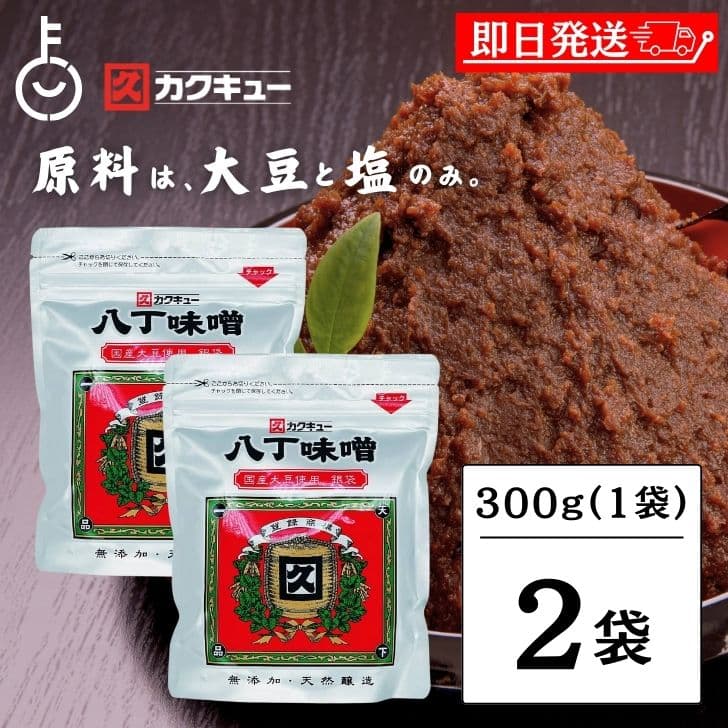
Kakukyu Domestic Soybean Hatcho Miso
【レビュー投稿で500円OFFクーポン】 味噌 味噌汁 赤みそ 赤味噌 みそ みそ汁 カクキュー 八丁味噌 銀袋 300g 2袋 国産大豆八丁味噌 業務用 カクキュウ 合資会社八丁味噌 角久 名古屋 名古屋飯 隠し味 岡崎 八丁味噌 大容量 大豆 食品 天然醸造 豆味噌 豆みそ 福袋
silver bag, 300g x 2 bagskeyroom 食と暮らしのパントリー
4.8 / 55 reviews
Japanese name八丁味噌
Miso, soy sauce & fermented seasonings overview
In Okazaki’s Hatcho-cho, soybeans, salt, wooden vats, river stones, and two summers and two winters shape a dense, slightly astringent bean miso.
Information last updated 119 days ago
【レビュー投稿で500円OFFクーポン】 味噌 味噌汁 赤みそ 赤味噌 みそ みそ汁 カクキュー 八丁味噌 銀袋 300g 2袋 国産大豆八丁味噌 業務用 カクキュウ 合資会社八丁味噌 角久 名古屋 名古屋飯 隠し味 岡崎 八丁味噌 大容量 大豆 食品 天然醸造 豆味噌 豆みそ 福袋
silver bag, 300g x 2 bagskeyroom 食と暮らしのパントリー
4.8 / 55 reviews
【八丁味噌】カクキュー 国産大豆使用 銀袋 300g×10個
300g x 10 silver bagsくまの中谷商店
4.9 / 36 reviews
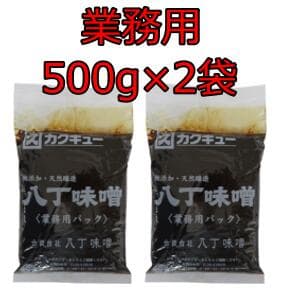
カクキュー 八丁味噌 業務用 500g 2袋セット 八丁みそ 赤みそ 家庭用 合資会社八丁味噌 カクキュウ
500g x 2 bagsSMARTSTORES
4.9 / 21 reviews
First time buying on Rakuten? How residents in Japan order →
Hatcho miso begins with a measurable place. Hatcho-cho in Okazaki, Aichi, takes its name from the old village about eight cho, roughly 870 meters, west of Okazaki Castle. From that short distance comes a food identity tied to castle town geography, soybean koji, heavy wooden vats, hand-stacked river stones, and the slow change that happens over at least two years.
The word Hatcho points to a real distance: eight cho, about 870 meters, west of Okazaki Castle. In today’s Okazaki City, that place is Hatcho-cho. Kakukyu and Maruya, two long-established makers in the neighborhood, have continued making Hatcho miso there since the early Edo period. The name therefore carries a map inside it: castle, village, vats, and the dark bean miso of the Nishi Mikawa area.
The setting mattered to the making of miso. In Edo-period Okazaki, the old Tokaido road and the Yahagi River met nearby, and the Haccho dock by Yahagi Bridge helped move goods. Soybeans and salt could come in through this land-and-water route, and finished miso could leave by the same network. Hatcho miso belongs to a brewery town, but also to a traffic point where road, river, and food production crossed.
Hatcho miso is a bean miso made from soybeans and salt. Unlike rice miso or barley miso, it uses soybean koji, so the bean itself carries the fermentation. The process includes washing and soaking soybeans, steaming them, making koji, mixing with salt, and packing the mash into wooden vats. With so few ingredients, the flavor depends on how carefully the beans, salt, vat, and time are handled.
Once the mash goes into the vat, workers press and level it to remove trapped air. Natural river stones are then stacked in a cone above the miso as weights. Supplementary descriptions of Maruya note roughly three tons of stones on a vat, with stones of different sizes arranged so the pressure spreads evenly. The quiet surface of the vat begins with physical work: tamping, covering, balancing, and stacking.
Hatcho miso matures naturally for two summers and two winters, at least two years. The low-moisture, long-aged style gives it dense umami and a slight astringency associated with soybean miso. That concentration suits miso-nikomi udon, dengaku miso, red-miso preparations, and other richly flavored dishes, where the seasoning can hold its depth in heat, broth, or glaze.
In 2025, the cooperative formed by Kakukyu and Maruya was added to the protected regional-name framework after a dispute over the wider Aichi framework. That recent settlement lets the Okazaki makers and businesses using their miso continue using the Hatcho miso name in that context. The practical meaning for readers remains concrete: Hatcho-cho, Okazaki Castle’s western side, soybeans and salt, wooden vats, river-stone weights, and long natural maturation.
The depth of Hatcho miso comes from conditions that can be named plainly: Hatcho-cho in Okazaki, the old road and Yahagi River, soybeans and salt, wooden vats, hand-stacked river stones, and two summers and two winters of maturation. When it appears in miso-nikomi udon or dengaku, its dark color and firm umami carry the geography and workmanship of that small area west of Okazaki Castle.
Compiled from public records and official sources; see the recognition links below. Details may change over time.
Where this product is officially registered, designated, or recognized in Japan.
Geographical Indication (GI)
Registered under Japan's Geographical Indication Protection System, run by the Ministry of Agriculture, Forestry and Fisheries.
Sources1
It is written as 八丁味噌 in Japanese. Search Rakuten and other Japanese sites with that spelling — the English name will not bring up the listings.
Hatcho miso is a soybean miso associated with Hatcho-cho in Okazaki, Aichi, about eight cho or 870 meters west of Okazaki Castle. It is made from soybeans and salt in wooden vats, weighted with hand-stacked natural river stones, and naturally matured for two summers and two winters, producing dense umami and slight astringency.
Kakukyu and Maruya have continued making Hatcho miso in Okazaki’s Hatcho-cho since the early Edo period. Hatcho miso is a bean miso made primarily with soybeans and salt, using soybean koji rather than rice or barley koji. The process includes packing the mash into wooden vats, pressing out air, and stacking natural river stones as weights. Hatcho miso matures naturally for two summers and two winters, at least two years.
Hatcho miso is used as a strong, long-aged soybean seasoning in miso-nikomi udon, dengaku miso, red miso preparations, and many recipes. At Maruya, visitors can tour an operating miso storehouse and hear about its history and production.
Storage varies by product — shelf-stable, refrigerated, or frozen — and is stated on the packaging and the Rakuten listing. Shelf-stable processed foods usually need refrigerating once opened and eating within a few days; chilled and frozen items go straight into storage on arrival. Treat the best-before date on the physical packaging as authoritative.
Most options are shelf-stable, boxed, and travel well, so they suit gifting or bringing home. Confirm the final storage and delivery terms on the Rakuten listing.
On Rakuten: the shops listed here right now are keyroom 食と暮らしのパントリー, くまの中谷商店, SMARTSTORES. We don't sell directly; purchase, payment, stock, and delivery are all handled on the Rakuten product page.