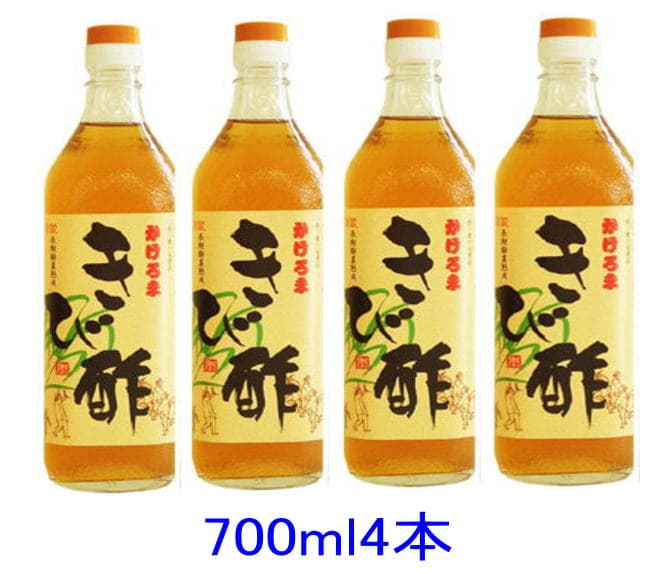
Kakeroma Sugarcane Vinegar
かけろまきび酢 700ml 4本セット きび酢 送料無料
700ml x 4 bottlesYK通販ショップ
4.7 / 92 reviews
Japanese nameかけろまきび酢
Miso, soy sauce & fermented seasonings overview
On Kakeroma Island in Setouchi, Kagoshima, sugarcane is pressed, heated, naturally fermented, and aged into a vinegar used in drinks, pickles, fish, and soy sauce for sashimi.
Information last updated 120 days ago
かけろまきび酢 700ml 4本セット きび酢 送料無料
700ml x 4 bottlesYK通販ショップ
4.7 / 92 reviews
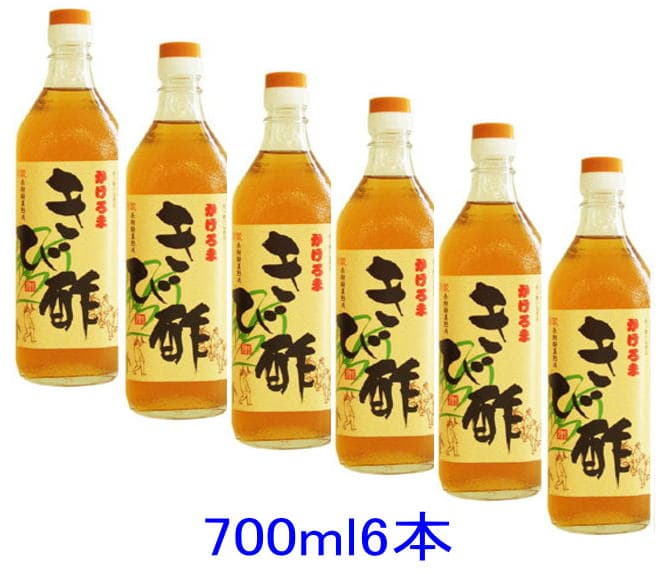
かけろまきび酢 700ml 6本セット かけろまきび酢
700ml x 6 bottlesYK通販ショップ
4.8 / 67 reviews
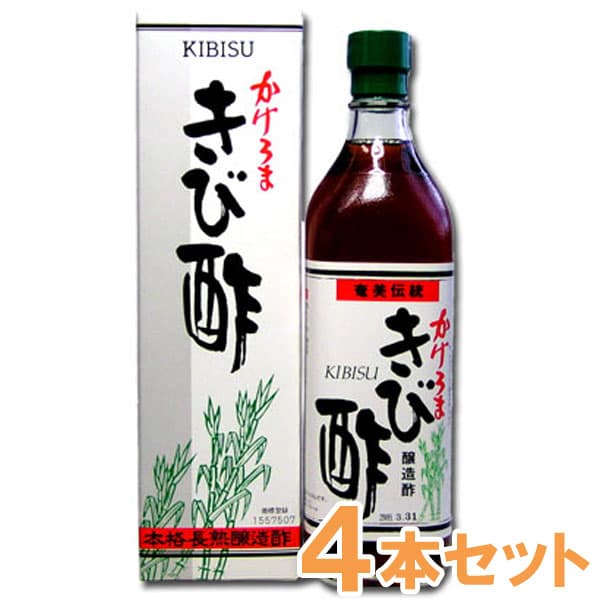
かけろまきび酢(700ml)ビン【4本セット】【武薬品】【送料無料】□
700ml x 4 bottlesPURE・HEART自然館
5.0 / 24 reviews
First time buying on Rakuten? How residents in Japan order →
Kakeroma Island lies south of Amami Oshima in Setouchi, Kagoshima; its population was about 966 in September 2025. Kakeroma Kibisu begins with sugarcane pressed for sweet liquid, then heated, fermented, and aged until the cane becomes a usable table vinegar. Around the Seso district, sugarcane fields, kibisu and kokuto processing, and places for farmers, residents, and visitors are being drawn into the same agricultural landscape.
Kakeroma Kibisu points first to Kakeroma Island, a Setouchi town island south of Amami Oshima. In the Seso district, the vinegar sits inside a wider sugarcane landscape: idle farmland, cane fields, kibisu and kokuto processing buildings, and job creation are all part of the local agricultural plan.
The place connection becomes practical in the work around the fields. A small sugar-making operation needs cane, the cane-growing workflow is being reconsidered, and the district plan makes room for farmers, residents, and visitors to gather. The vinegar’s name is tied to land use, processing, and local work as much as to flavor.
The vinegar starts with sugarcane. The cane is harvested and pressed for sweet liquid, the liquid is heated, and natural water is used to bring the sugar level to 19 to 20 degrees before fermentation begins.
In JA Amami’s sequence, airborne yeasts and acetic acid bacteria, natural water, storage, and aging carry the cane juice toward vinegar over two to three years. The finished acidity comes from cane, water, microbes in the island air, and patient maturation rather than a quick seasoning step.
Kibisu on Kakeroma Island began as household vinegar. Islanders are described as making it for home use more than 400 years ago; much later, the Amami agricultural cooperative developed the vinegar as a regional industry and built the Kakeroma Kibisu factory in 1983.
That factory changed the scale of the old household practice. Cane from the island could move into a dedicated production site, and a home-use acidity became part of a local industry built around sugarcane and fermentation.
In April 2025, the Kakeroma Kibisu business moved from the Amami agricultural cooperative to the Amami Setouchi Regional Public Corporation. The handover focused on stable production, the passing on of manufacturing technique, and the familiar taste associated with the vinegar.
Current annual production is described at about 20 tons. That figure gives the vinegar a concrete rhythm: cane must be grown, pressed, fermented, aged, and handled by people who keep the island’s table acidity moving from field to tank to kitchen.
At the table, Kakeroma Kibisu appears in drinks as well as food. It may be diluted with fruit juice, amazake, cider, or yogurt-style preparations, where the cane vinegar gives a clean acidic edge.
It is also used for pickling vegetables or fish. A simple sashimi use mixes kibisu and soy sauce in equal parts, bringing vinegar acidity and soy saltiness together for a lighter finish with raw fish.
The Seso district kibisu village plan places the vinegar back among sugarcane fields and processing work. Idle farmland use, labor-saving machinery, cane fields, and buildings for kibisu and kokuto processing all belong to the same effort to strengthen sugarcane agriculture.
The plan also includes places for farmer exchange, business opportunities, resident rest, and visitor interaction. For Kakeroma Kibisu, the future is being shaped through fields, processing facilities, and people moving through the district, not through the tank room alone.
Kakeroma Kibisu is easiest to understand through its concrete path: cane on Kakeroma Island, natural water, microbes in the air, years of aging, the 1983 factory, and the 2025 handover. When it turns up in a drink, a pickle, fish, or soy sauce for sashimi, the acidity carries the field work and processing work of Setouchi’s Seso district with it.
Compiled from public records and official sources; see the recognition links below. Details may change over time.
Where this product is officially registered, designated, or recognized in Japan.
Regional collective trademark
Registered as a Regional Collective Trademark with the Japan Patent Office.
Sources1
It is written as かけろまきび酢 in Japanese. Search Rakuten and other Japanese sites with that spelling — the English name will not bring up the listings.
Kakeroma Kibisu is a sugarcane vinegar tied to Kakeroma Island in Setouchi, Kagoshima, south of Amami Oshima. It is made by pressing cane juice, heating it, adjusting sugar content with natural water, and letting it ferment and age naturally. Production began in 1983, building on a household tradition said to date back more than 400 years. In April 2025 the business moved to the Amami Setouchi Regional Public Corporation, which now makes about 20 tons a year.
Kakeroma Island had a population of about 966 in September 2025. One JA Amami process adjusts sugar content to 19 to 20 degrees with natural water and ages the vinegar for two to three years. The Seso district kibisu village plan includes idle farmland use, sugarcane fields, kibisu and kokuto processing facilities, and spaces for exchange among residents and visitors. Kakeroma Kibisu is sold alongside processed items such as dressings and jams, reflecting broader use of local sugarcane resources.
The vinegar can be diluted with juice, amazake, or cider-style drinks for a milder taste. It is used to pickle vegetables and fish, where its acidity helps preserve and highlight the ingredients' flavor. Mixed one-to-one with soy sauce, it serves as a simple sashimi seasoning that gives a lighter finish and less fishiness.
Storage varies by product — shelf-stable, refrigerated, or frozen — and is stated on the packaging and the Rakuten listing. Shelf-stable processed foods usually need refrigerating once opened and eating within a few days; chilled and frozen items go straight into storage on arrival. Treat the best-before date on the physical packaging as authoritative.
Most options are shelf-stable, boxed, and travel well, so they suit gifting or bringing home. Confirm the final storage and delivery terms on the Rakuten listing.
On Rakuten: the shops listed here right now are YK通販ショップ, PURE・HEART自然館. We don't sell directly; purchase, payment, stock, and delivery are all handled on the Rakuten product page.