 3 images
Kagoshima Local Goods Guide
鹿児島県
Kagoshima is indexed here as a practical buying guide for travelers and foreign residents in Japan. Start with packable gifts, then compare table goods, quiet luxuries, and crafted objects when you need a stronger sense of place.
14Local selections
What Kagoshima is known for
The 8 products below are what Kagoshima is known for, ordered by how strongly each is rooted in the prefecture — what it is, and why it comes from here.
Satsuma shochuSake & spirits
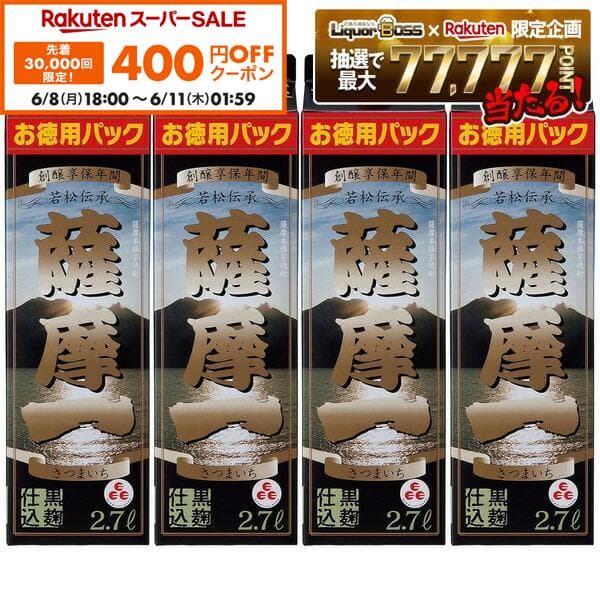
Satsuma shochu begins with Kagoshima-grown sweet potatoes and water, moves through koji, two-stage mashing, and single pot distillation, then meets local dishes such as satsuma-age, kibinago sashimi, and black pork.
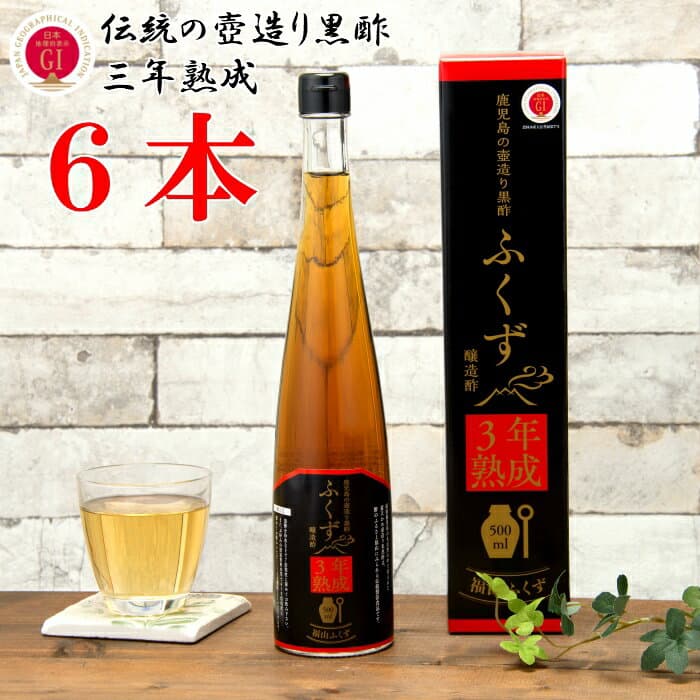
Kagoshima pot-brewed black vinegarRegional foods
In Fukuyama and Hayato in Kirishima, Kagoshima, rice koji, steamed rice, and water ferment outdoors in ceramic jars for more than a year, gaining amber color, aroma, and mellow acidity.
Kakeroma kibisu vinegarRegional foods
On Kakeroma Island in Setouchi, Kagoshima, sugarcane is pressed, heated, naturally fermented, and aged into a vinegar used in drinks, pickles, fish, and soy sauce for sashimi.
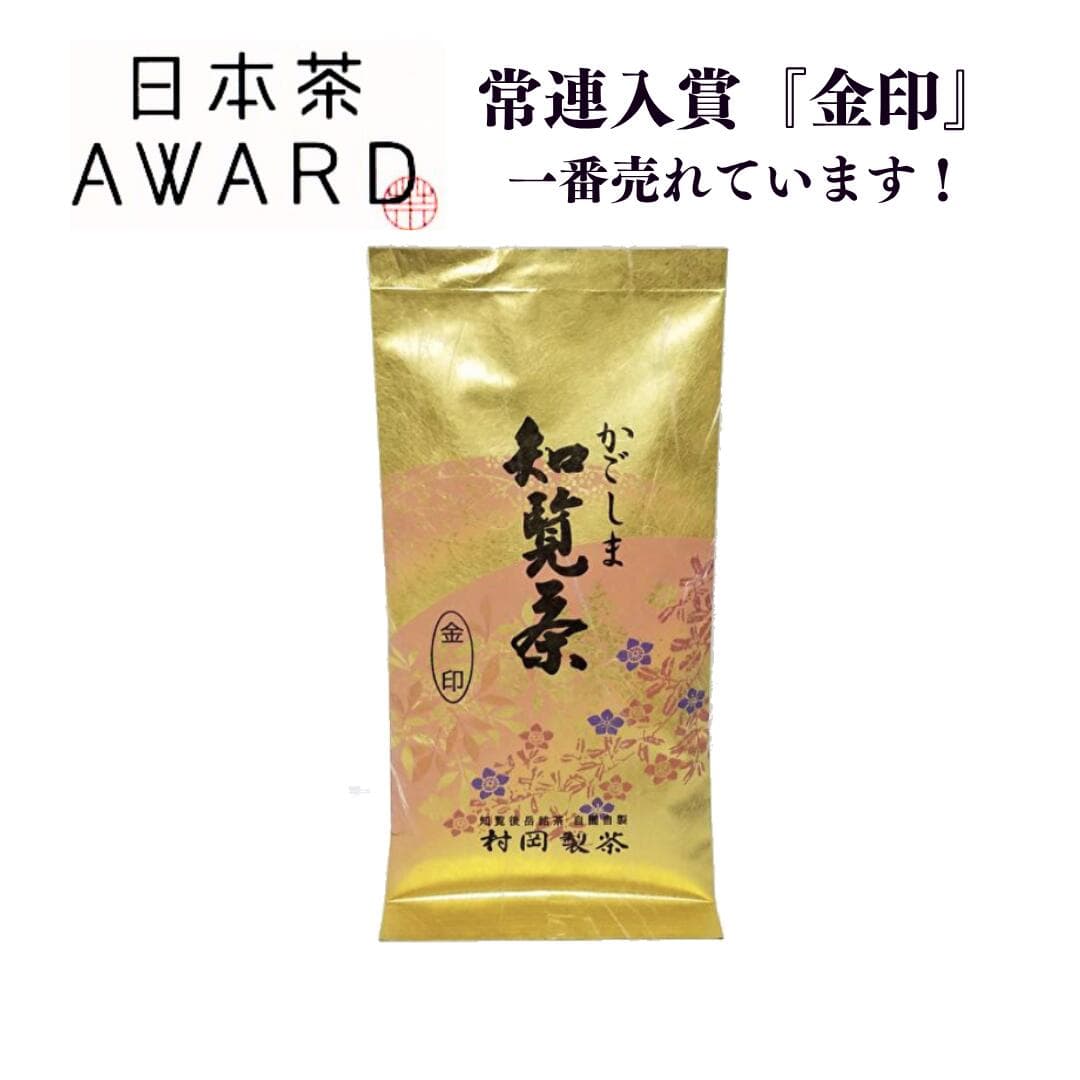
Kagoshima Chiran teaTea & drinks
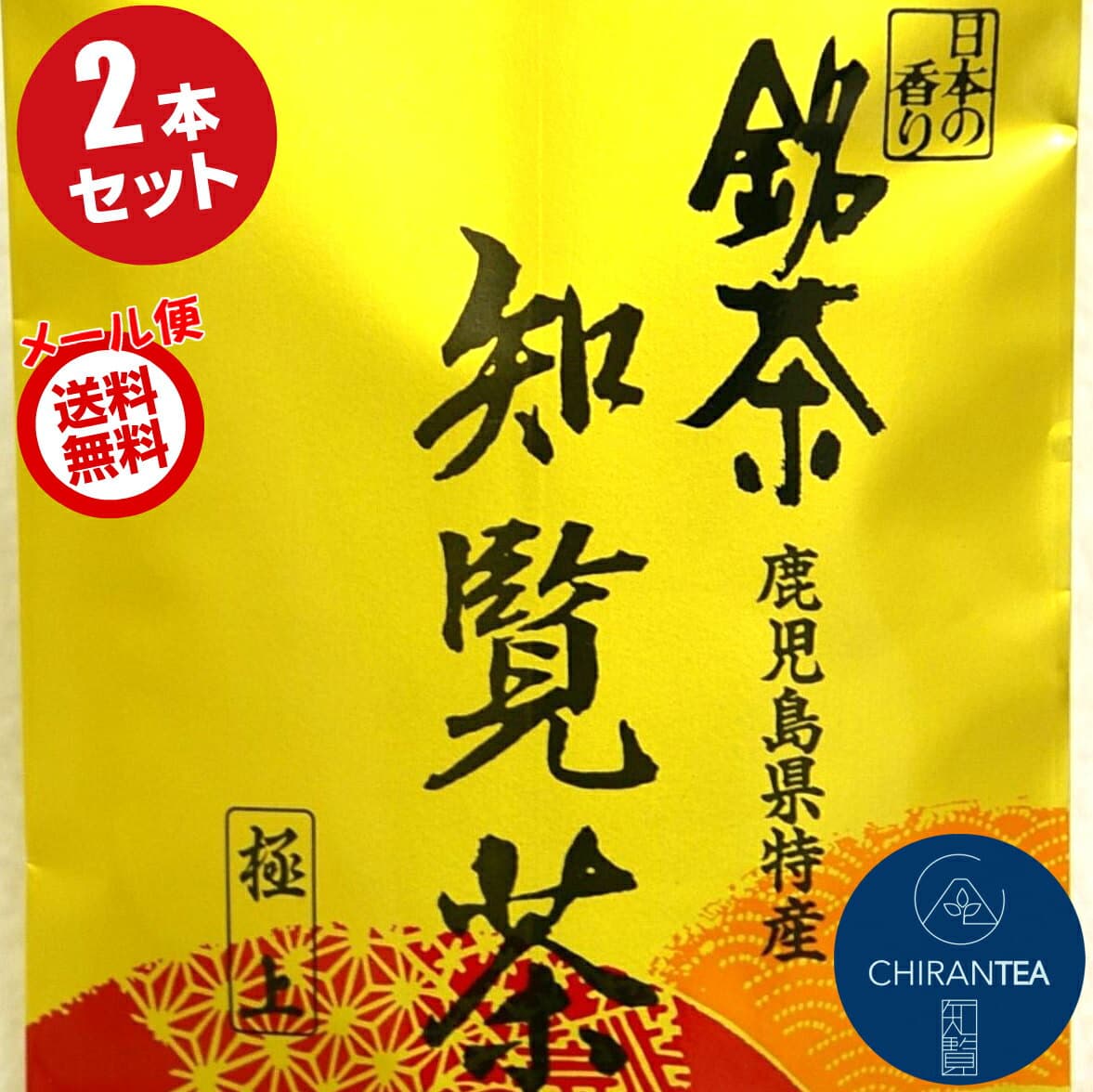
In the tea fields of Ei, Chiran, and Kawanabe, black covering before harvest and slow deep steaming shape a vivid green cup with fresh aroma and mild sweetness.
Chiran teaTea & drinks
In Ei, Chiran, and Kawanabe, fog, volcanic ash soil, covered new shoots, and deep steaming shape Chirancha’s deep green cup, mellow sweetness, umami, and softer bitterness.
Kirishima teaTea & drinks
In Kagoshima’s Kirishima area, terrain from sea level to 1,700-meter Karakuni-dake, cool mist, shaded kabusecha, and a one-minute kyusu steeping give the tea its concrete shape.
Kawanabe Buddhist altarsCraft objects
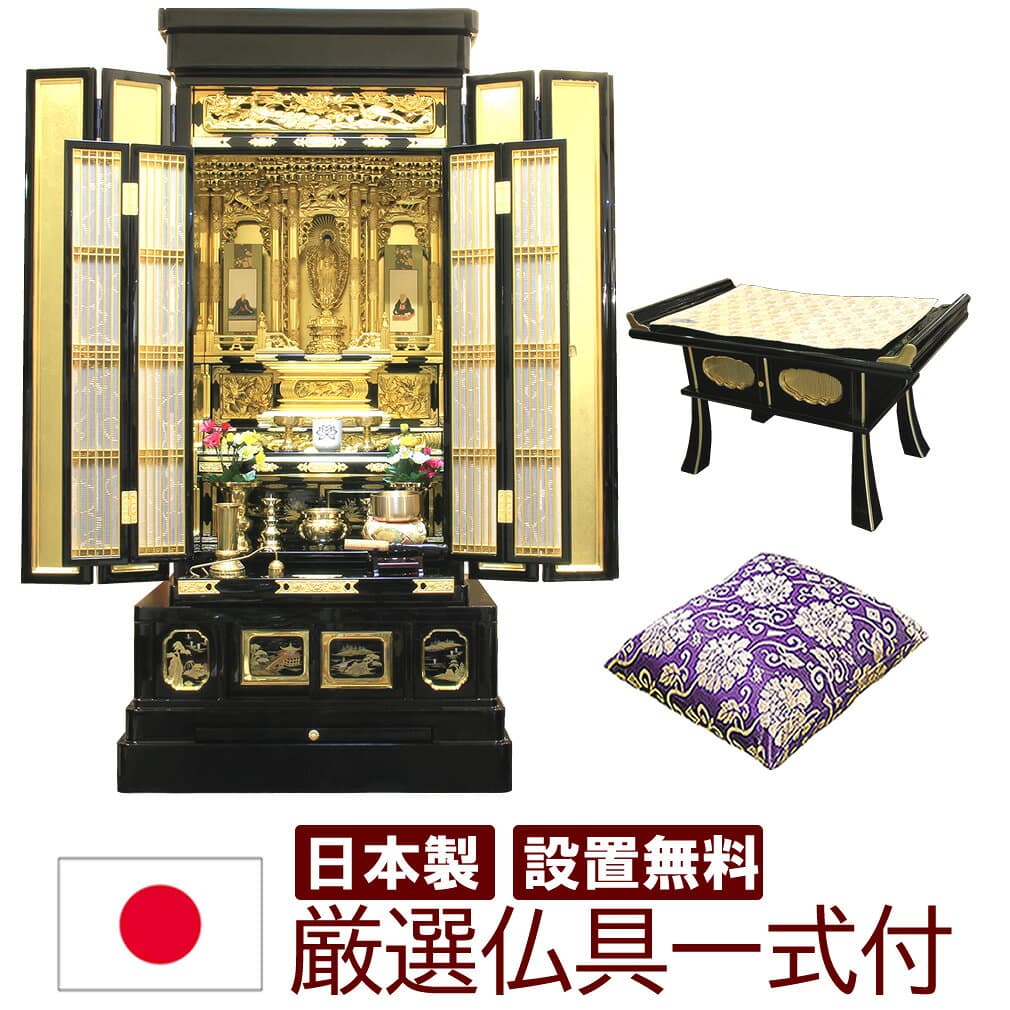
In Kawabe-cho, Minamikyushu, Kawanabe Butsudan gathers wood base work, carving, miniature palace assembly, metal fittings, maki-e, lacquer, and gold leaf into one Buddhist altar.
Honba Oshima tsumugiTextiles
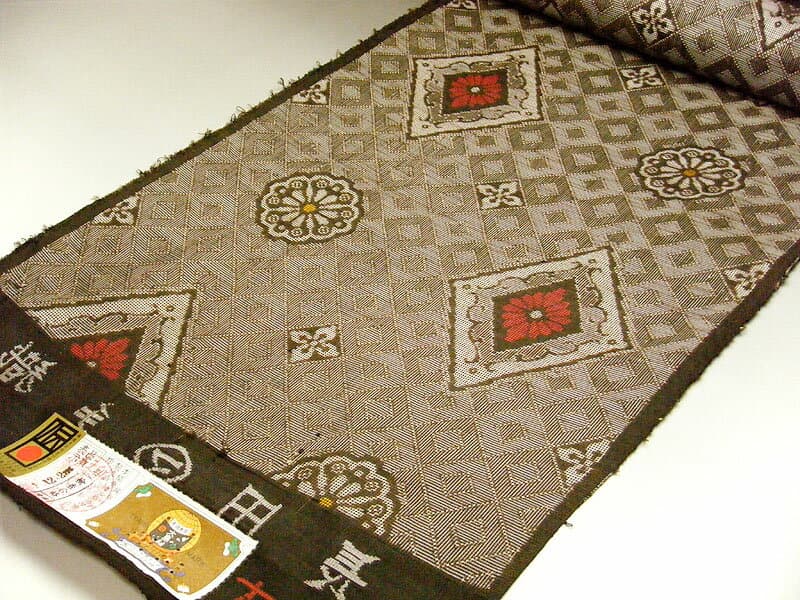
From Amami Oshima to the Kagoshima production area near Sakurajima and Kinko Bay, Honba Oshima Tsumugi is shaped by silk, precise kasuri, quiet sheen, and island motifs.
Regional Gifts
Packable foods and gifts with clear regional character.
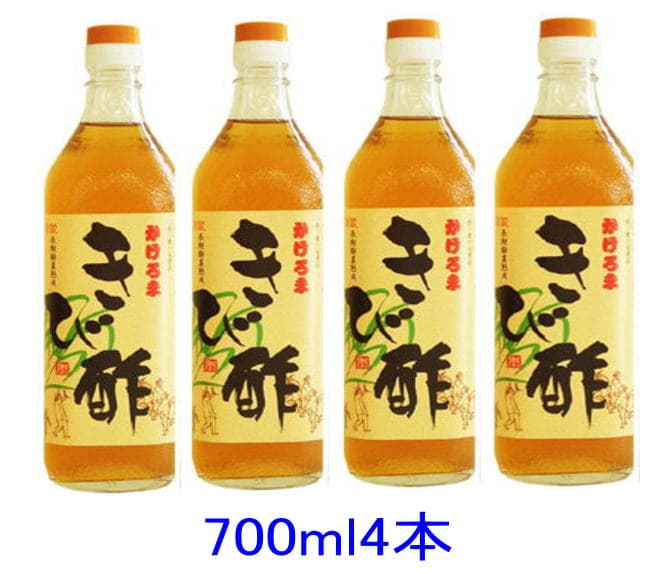


Table & Tea
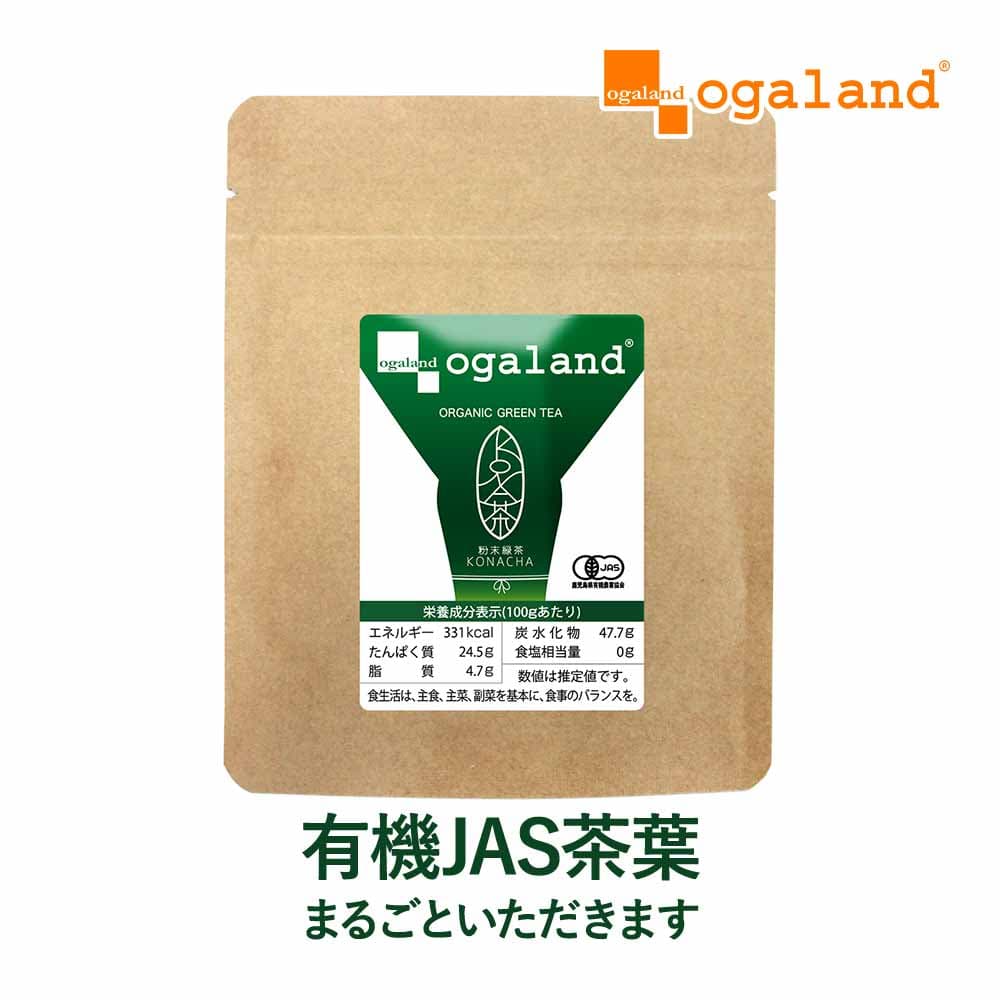
Tea, drinks, foods, and table pieces shaped by local taste.
Daily Rituals
Home goods and textiles that turn everyday use into a local ritual.

Crafted Forms
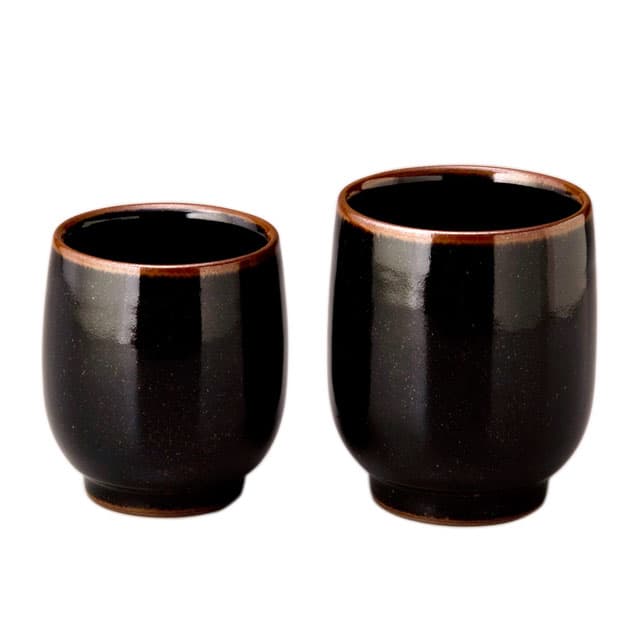
Ceramics, lacquer, glass, woodwork, metalwork, folk craft, and their forms.
Sake & Spirits
Local sake, shochu, regional wine and craft spirits shaped by each prefecture. For ages 20+.
Kagoshima's specialties by category
How the same thing is made elsewhere, and what differs: the category overviews start here.
Start with type, not region: white miso is sweet and short-aged, red miso is salty and long-aged, bean miso is soybeans and salt only.
Breed first, brand second: Japanese Black is marbled, akaushi is lean, a brand name is a set of conditions, not a breed.
Kind before region: fresh fish is about handling, crab and oysters about season, nori and dried goods about processing.
Pick the type before the region: sencha is brisk, gyokuro is sweet and thick, matcha is ground tencha, hojicha is roasted and not bitter.
Earthenware or porcelain first, then the surface: unglazed like Bizen, glazed like Hagi, or painted like Kutani.
Woven or dyed first: tsumugi, kasuri and chijimi weave dyed yarn; yuzen, komon and bingata dye white cloth.
FAQ
What is Kagoshima known for?
Kagoshima (Kyushu) is represented here by specialties such as Satsuma shochu, Kagoshima pot-brewed black vinegar, Kakeroma kibisu vinegar — each verified against official registries and matched to Rakuten listings.
Are Kagoshima souvenirs good to bring home?
Many Kagoshima picks — Satsuma shochu, Kagoshima pot-brewed black vinegar, Kakeroma kibisu vinegar among them — are shelf-stable foods and crafts that travel well; for temperature- or fragility-sensitive items, confirm delivery and packaging on the Rakuten listing.
Are these products sold directly by this site?
No. This site curates Rakuten listings and may earn affiliate revenue from links to Rakuten.
How are products selected?
Listings are filtered for local relevance, product images, availability, and review strength.
Related prefecture guides
Fukuoka
Fukuoka is a useful regional guide for distinctive local specialties.
Saga
Saga is a useful regional guide for distinctive local specialties.
Nagasaki
Nagasaki is a useful regional guide for distinctive local specialties.
Kumamoto
Kumamoto is a useful regional guide for distinctive local specialties.