 3 images
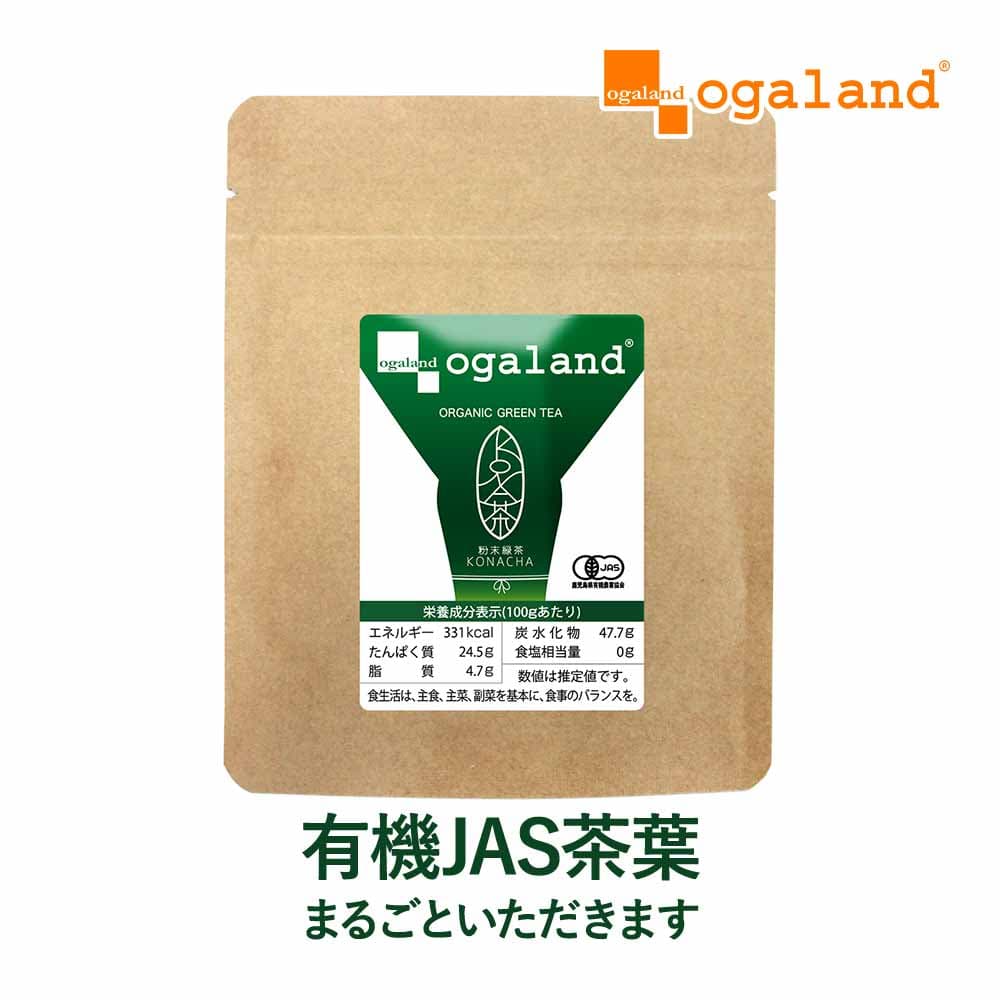
KONACHA Organic Kirishima Green Tea Powder
有機JAS KONACHA(50g) 緑茶 茶葉 粉末 有機JAS協会認定 鹿児島県産 霧島 茶 きりしま茶 オーガニック お茶 抹茶 サポニン カテキン 粉茶 粉末茶 有機緑茶 オーガランド ポイント消化 ポイント消費 1000円以上で 送料無料
50gサプリ専門店 オーガランド
4.6 / 517 reviews
Japanese name霧島茶
In Kagoshima’s Kirishima area, terrain from sea level to 1,700-meter Karakuni-dake, cool mist, shaded kabusecha, and a one-minute kyusu steeping give the tea its concrete shape.
Information last updated 119 days ago
3 images有機JAS KONACHA(50g) 緑茶 茶葉 粉末 有機JAS協会認定 鹿児島県産 霧島 茶 きりしま茶 オーガニック お茶 抹茶 サポニン カテキン 粉茶 粉末茶 有機緑茶 オーガランド ポイント消化 ポイント消費 1000円以上で 送料無料
50gサプリ専門店 オーガランド
4.6 / 517 reviews
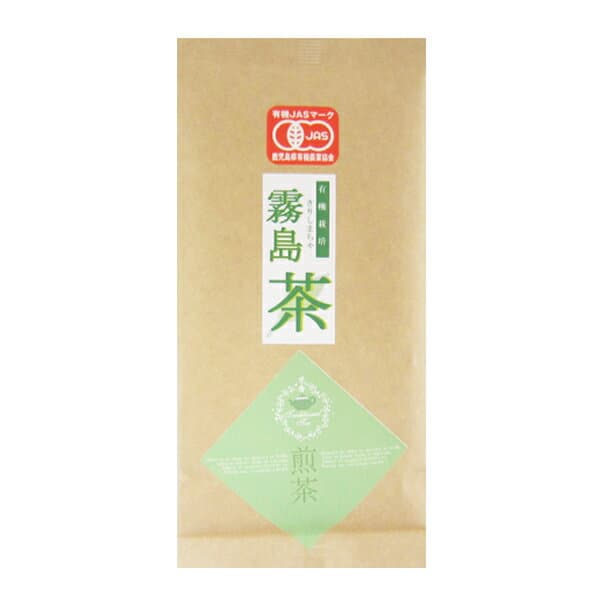
1番茶を使用した在来茶【◇有機煎茶(100g)】【有機栽培 霧島茶】【九州鹿児島県産霧島茶100%】【有機JAS認定 無農薬 オーガニック緑茶】【ヤマト運輸メール便6袋まで】ギフトにもおすすめ♪
100g杉山園楽天市場店
4.3 / 21 reviews
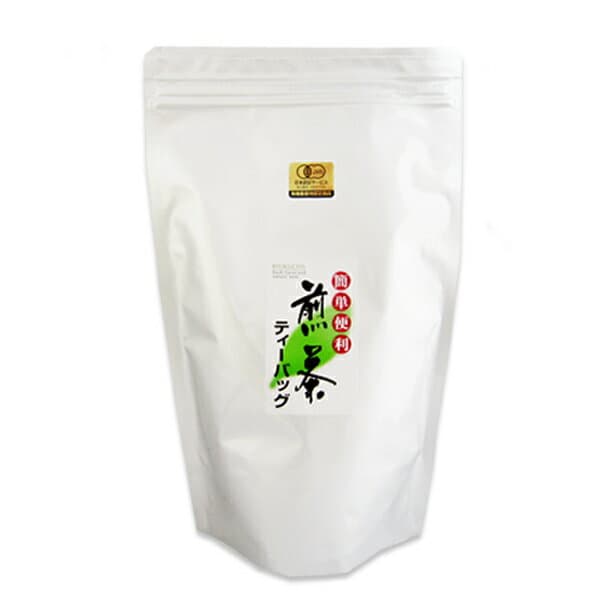
【有機JAS煎茶ティーバッグ(2g×150p)】【有機栽培 霧島茶】【九州鹿児島県産霧島茶100%】【有機JAS認定 無農薬】【オーガニック緑茶】【お徳用】【返品不可】【宅配便のみ】
2g x 150 bags杉山園楽天市場店
5.0 / 9 reviews
First time buying on Rakuten? How residents in Japan order →
Kirishima tea is a regional tea name tied to the Kirishima area of Kagoshima. The place is described through terrain that runs from sea level to 1,700-meter Karakuni-dake, with 1,574-meter Takachiho Peak in the same mountain frame, and through a misty, cool climate connected to aroma and flavor. The tea is easiest to understand through mountain height, fog, tea leaves, a kyusu, and the community that keeps the name in use.
The first concrete scale of Kirishima tea is vertical. JA Aira places the area between sea level and 1,700-meter Karakuni-dake, while Takachiho Peak rises to 1,574 meters within the Kirishima mountain setting; the deep mist and unusual altitude range form the growing background for tea trees.
The climate description also reaches the cup. Kirishima City sits in a misty tea area, and local tea groups connect sharp temperature differences and a cool year-round environment with clear yellow-green liquor, a mild aroma, and moderate umami. Landscape becomes concrete through altitude, fog, leaf growth, and color in the brewed liquid.
The older thread begins in the Gen'o years, 1319 to 1321. At Hannyaji in Yoshimatsu village, now Yusui town, the founding priest is said to have brought tea seeds from Uji, sowed them, and taught cultivation and tea-making methods.
That account stays vivid through its named places and actions: Uji seeds, Hannyaji, Yoshimatsu, sowing, cultivation, and processing. It gives the tea a long time horizon through a temple, a seed, and hand-taught methods.
In the modern production area, the name also has a clear point of gathering. In Heisei 19, or 2007, the regional brand name was unified as Kirishima tea, giving farms, tea factories, and tea-promotion groups in Kirishima City a shared name for the tea landscape.
The producer community includes Miyata Seicha, Kirishima Seicha, cooperative tea factories, gardens, and many other named tea factories. Within Kagoshima’s wider tea framework, JA Aira Kirishima tea names also appear among Kagoshima tea brands, with the framework tied to finished tea made from Kagoshima-grown aracha under defined production conditions.
Kirishima tea includes several tea directions. The production area is associated with sencha, kabusecha, and organic tencha; tencha is the leaf material used for matcha, so this part of the tea work points toward grinding as well as everyday steeping.
Kabusecha gives the process a visible change in the field. Tea trees are covered with high-shading material for more than two weeks so new shoots grow away from direct sunlight; the leaves become a deeper green, astringency is lower, and umami is richer.
The tea also has a domestic rhythm: one kyusu, cups used to cool and measure water, 2 grams of leaves and 60cc of hot water per person. The brewing steps warm the cups first, then move the cooled water to the kyusu after the leaves are added.
At about 70°C, the tea waits for one minute. The kyusu is left unshaken, and the tea is poured evenly to the last drop; altitude and mist return here as a measured hand movement, a temperature, and a small stream into cups.
In 2014, another local thread formed in Kirishima City. Tea farmer Henta Seicha, JA Kagoshima Chagyo, and local participants discussed how the Kirishima tea name could connect farmers, processing, and regional collaborators, leading to the creation of the Kagoshima Kirishima Tea Brand Association.
The first concrete project used Kirishima tea in konpeito. Students at Kirishima Municipal Kokubu Chuo High School, where product development is part of their study, made package design proposals; the tea name moved from fields and kyusu practice into a small sugar confection shaped by local hands.
Kirishima tea can be read through a chain of concrete details: the 1,700-meter height of Karakuni-dake, misty and cool fields, Uji tea seeds at Hannyaji in Yoshimatsu, the shared name after 2007, kabusecha shaded for more than two weeks, and one minute in a kyusu at 70°C. Together, those details keep the Kagoshima mountain area, the making process, and the people around the tea in view.
Compiled from public records and official sources; see the recognition links below. Details may change over time.
Where this product is officially registered, designated, or recognized in Japan.
Regional collective trademark
Registered as a Regional Collective Trademark with the Japan Patent Office.
Sources1
It is written as 霧島茶 in Japanese. Search Rakuten and other Japanese sites with that spelling — the English name will not bring up the listings.
Kirishima tea is a regional tea name for Kagoshima's Kirishima area, where land rises from sea level to 1,700-meter Karakuni-dake and a misty, cool climate is linked to aroma and flavor. In the Gen'o years a priest at Hannyaji in Yoshimatsu, now Yusui, is said to have brought Uji tea seeds and taught cultivation and tea-making. Since 2007 the name has been unified as Kirishima tea. Production includes sencha, kabusecha, and organic tencha.
Kabusecha is made by covering tea trees with high-shading material for more than two weeks, producing deeper green leaves, lower astringency, and more umami. Organic tencha is identified as matcha raw material. JA Aira describes Takachiho Peak at 1,574 meters in the Kirishima mountain setting. Kirishima's misty, cool climate and sharp temperature differences are connected to clear yellow-green liquor and moderate umami.
For daily sencha, JA Aira gives a kyusu method: cool the water, add the tea, steep at about 70°C for one minute, and pour to the last drop. The amounts given are 2 grams of tea and 60cc of water per person.
Water temperature varies a lot by type of Japanese tea: roughly 50–60°C for gyokuro, 70–80°C for sencha, and near-boiling 90–100°C for hojicha (including roasted stem tea), bancha, and genmaicha, steeped for about 30 seconds to a minute. A common ratio is about 3g of leaf per 150ml of water. Follow the instructions on the packaging where they differ.
Tea leaves are damaged by light, humidity, and absorbed odours. Once opened, keep them sealed and away from light at room temperature and drink them within a few weeks. If you refrigerate them, let the container return to room temperature before opening so condensation doesn't get in.
Most options are shelf-stable, boxed, and travel well, so they suit gifting or bringing home. Confirm the final storage and delivery terms on the Rakuten listing.
On Rakuten: the shops listed here right now are サプリ専門店 オーガランド, 杉山園楽天市場店. We don't sell directly; purchase, payment, stock, and delivery are all handled on the Rakuten product page.