 3 images
Fukuzu 3-Year Aged Kagoshima Jar-Brewed Black Vinegar
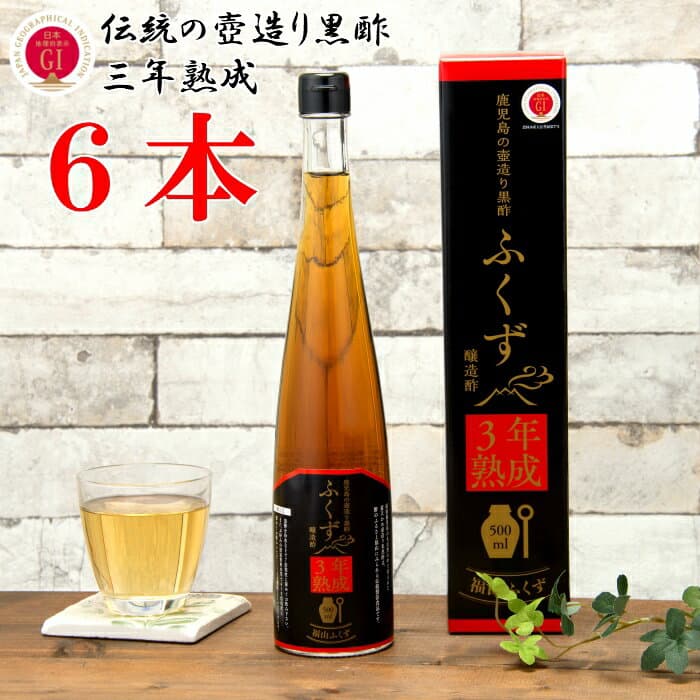
「黒酢 くろず くろ酢 酢 お酢」 伝統鹿児島の壺造り黒酢【ふくず3年熟成 500ml 6本セット】伝統 つぼ造り 自然発酵 長期熟成 免疫力 健康 フレグライド1 Dアミノ酸 メラノイジン 米黒酢 福山黒酢 酢酸 アミノ酸 ふくず 無添加」
500ml x 6 bottles壺造り黒酢のふくず
5.0 / 4 reviews
Japanese name鹿児島の壺造り黒酢
Miso, soy sauce & fermented seasonings overview
In Fukuyama and Hayato in Kirishima, Kagoshima, rice koji, steamed rice, and water ferment outdoors in ceramic jars for more than a year, gaining amber color, aroma, and mellow acidity.
Information last updated 120 days ago
3 images「黒酢 くろず くろ酢 酢 お酢」 伝統鹿児島の壺造り黒酢【ふくず3年熟成 500ml 6本セット】伝統 つぼ造り 自然発酵 長期熟成 免疫力 健康 フレグライド1 Dアミノ酸 メラノイジン 米黒酢 福山黒酢 酢酸 アミノ酸 ふくず 無添加」
500ml x 6 bottles壺造り黒酢のふくず
5.0 / 4 reviews
 3 images
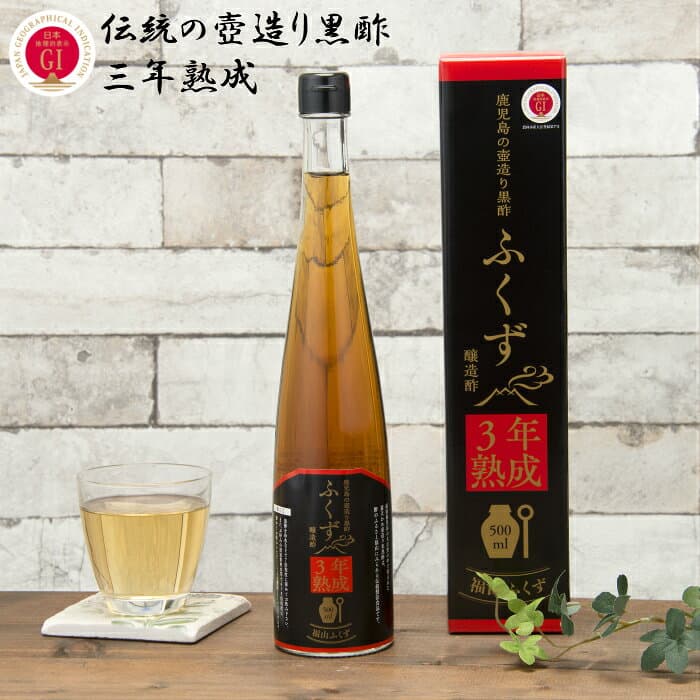
黒酢 鹿児島の壺造り黒酢ふくず3年熟成 500ml玄米 玄米酢 熟成 伝統健康 免疫力 美容 Dアミノ酸 つぼ造り 自然発酵 長期熟成 米黒酢 福山黒酢 酢酸 アミノ酸
500ml壺造り黒酢のふくず
5.0 / 2 reviews
 3 images
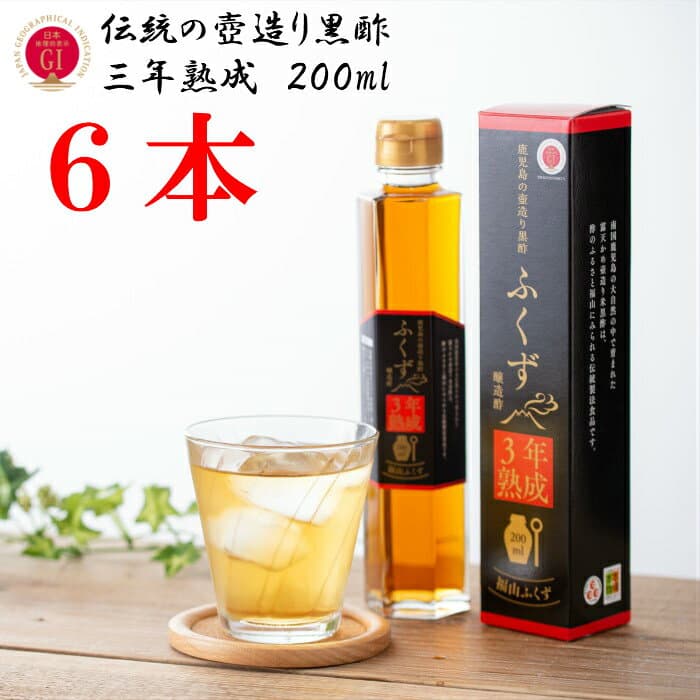
「送料無料 黒酢 玄米 玄米酢 熟成 伝統」鹿児島の壺造り黒酢ふくず3年熟成 200ml お得な6本セット「伝統 つぼ造り 自然発酵 長期熟成 米黒酢 福山黒酢 酢酸 アミノ酸 Dアミノ酸 フレグライド1 5-ALA」
200ml x 6 bottles壺造り黒酢のふくず
5.0 / 1 reviews
First time buying on Rakuten? How residents in Japan order →
Kagoshima no Tsubozukuri Kurozu begins with a precise landscape: Fukuyama and Hayato in Kirishima City, with Fukuyama facing Kinko Bay and backed by upland terrain. The area is warm, with little frost and modest temperature swings, conditions that suit rows of ceramic jars working outdoors. Into each jar go rice koji, steamed rice, and water; dry koji called furi-koji is scattered over the surface. In the same vessel, saccharification, alcoholic fermentation, and acetic fermentation proceed before at least six months of fermentation and at least six more months of maturation. The vinegar deepens from amber toward darker brown, its aroma and acidity becoming rounded enough for cooking or diluted drinks.
The named production area centers on Fukuyama and Hayato in Kirishima City. Fukuyama faces Kinko Bay and sits with the Makinohara plateau and mountain terrain behind it, giving the jar fields a warm setting with less winter frost and smaller temperature differences. Local character here means a concrete set of conditions: bay air, sheltering upland landforms, outdoor jars, and a climate that lets microbial fermentation continue in the open.
The method starts with rice koji, steamed rice, and water placed into ceramic jars. The koji is made with yellow koji mold over several days, while the rice is washed, steamed, and cooled before it joins the jar. Satsuma-yaki jars were historically close at hand in the region, and the three-to jar scale ties the material, tool, and outdoor workplace together.
After the main ingredients are in the jar, dry rice koji called furi-koji is scattered across the liquid surface. This koji has already been made, then dried indoors for several days so it produces many spores. Beneath the paper-covered jar mouth, that surface layer becomes part of the opening conditions for fermentation, joining the rice, water, jar, and outdoor temperature in one contained environment.
The defining workflow is that saccharification, alcoholic fermentation, and acetic fermentation happen in the same ceramic jar. Rice koji changes rice starch into sugar, alcoholic fermentation follows, and acetic fermentation gives the vinegar its acidity without moving the contents into another vessel. Makers manage the changing liquid through the jar, the koji, the weather, and sensory judgment, so one container carries the full sequence.
The vinegar ferments for at least six months and then matures for at least another six months, making the full cycle more than a year. During maturation the liquid turns amber, then brown to dark brown, while the aroma and acidity become gentler. Higher rice use, long fermentation and maturation, and components such as amino acids, peptides, and lactic acid help explain its rich acidity and clean finish. The word tradition here points to measurable work: months in the jar, deepening color, and a taste shaped by rice and time.
In the kitchen, Kagoshima jar-brewed black vinegar is used as a seasoning, where its mellow acidity and aroma can season food. It is also taken as a drinkable vinegar, commonly with 20 to 30 milliliters diluted four to five times with water; another preparation mixes black vinegar with honey and hot water. These uses carry the year-long jar process into dishes, cups, and warm drinks.
Kagoshima no Tsubozukuri Kurozu is held together by place and method: Fukuyama and Hayato, Kinko Bay, warm low-frost weather, rice koji, steamed rice, ceramic jars, furi-koji, and more than a year of fermentation and maturation. As the liquid darkens from amber and the acidity softens, the vinegar keeps a clear connection between Kirishima’s outdoor jar fields and the food or drink on the table.
Compiled from public records and official sources; see the recognition links below. Details may change over time.
Where this product is officially registered, designated, or recognized in Japan.
Geographical Indication (GI)
Registered under Japan's Geographical Indication Protection System, run by the Ministry of Agriculture, Forestry and Fisheries.
Sources1
It is written as 鹿児島の壺造り黒酢 in Japanese. Search Rakuten and other Japanese sites with that spelling — the English name will not bring up the listings.
Kagoshima pot-brewed black vinegar (Kagoshima no Tsubozukuri Kurozu) is a jar-brewed rice vinegar from Fukuyama and Hayato in Kirishima City. Rice koji, steamed rice, and water are placed in outdoor ceramic jars, then dry furi-koji is scattered on the surface, and saccharification, alcoholic fermentation, and acetic fermentation proceed in one vessel. Fukuyama's warm, bay-facing terrain supports outdoor fermentation. After at least six months of fermentation and six months of maturation, the vinegar darkens from amber.
Fukuyama faces Kinko Bay and is backed by upland terrain. Furi-koji is dried rice koji scattered across the liquid surface after the jar is filled. The process lasts more than one year in total. During maturation the vinegar turns from amber toward darker brown and develops distinctive aroma and mellow acidity.
It is used as a cooking seasoning. It can be drunk as 20 to 30 milliliters diluted four to five times. A warm drink can be made with 30 milliliters of black vinegar, honey, and hot water.
Storage varies by product — shelf-stable, refrigerated, or frozen — and is stated on the packaging and the Rakuten listing. Shelf-stable processed foods usually need refrigerating once opened and eating within a few days; chilled and frozen items go straight into storage on arrival. Treat the best-before date on the physical packaging as authoritative.
Most options are shelf-stable, boxed, and travel well, so they suit gifting or bringing home. Confirm the final storage and delivery terms on the Rakuten listing.
On Rakuten: the shops listed here right now are 壺造り黒酢のふくず. We don't sell directly; purchase, payment, stock, and delivery are all handled on the Rakuten product page.