 3 images
Chiran Premium Sencha Green Tea
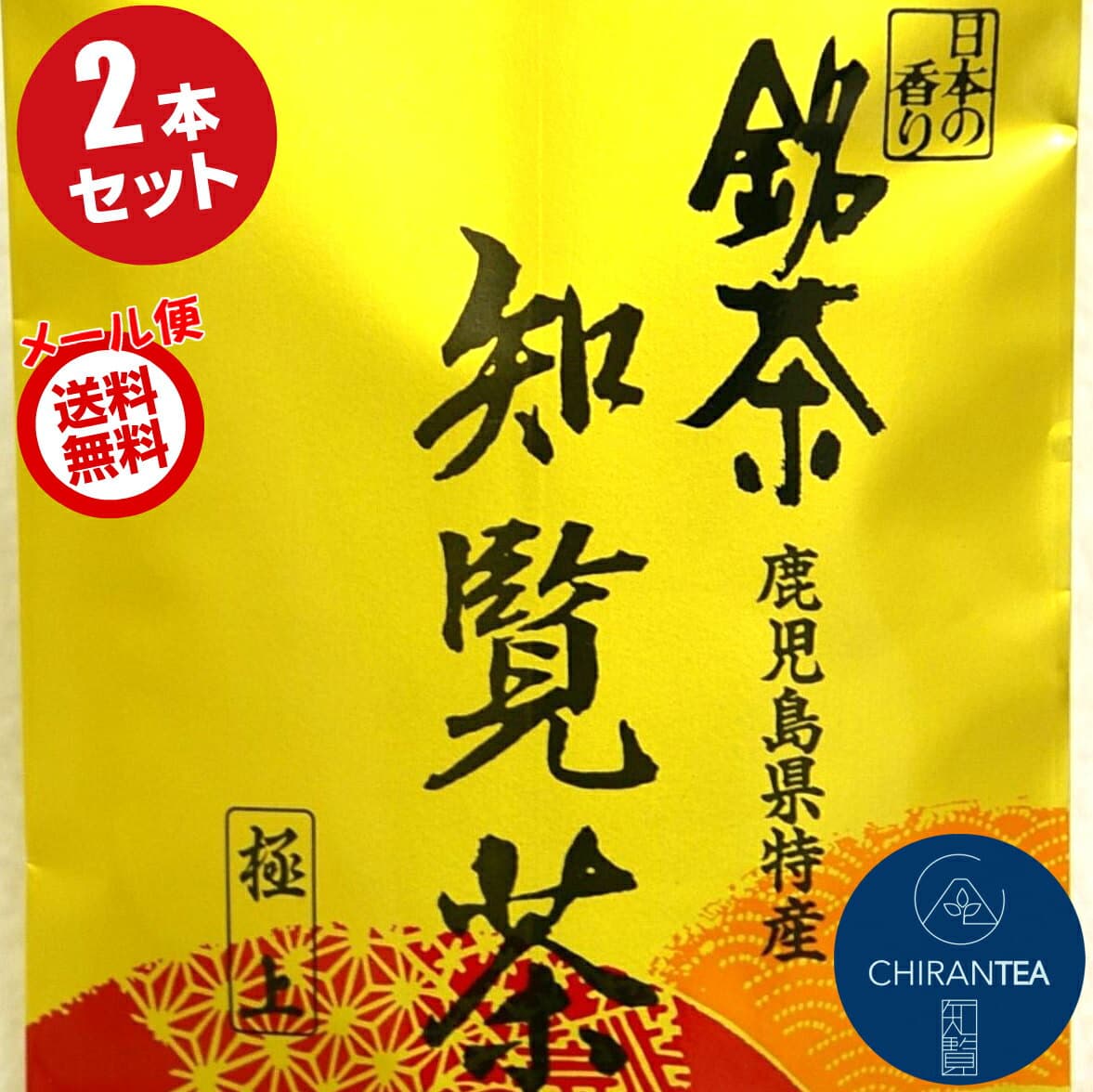
【送料無料】知覧 極上 煎茶 90g × 2本セット | お茶 茶葉 緑茶 深蒸し茶 知覧茶 鹿児島 知覧さくら商店 ギフト プレゼント
90g x 2知覧さくら商店
4.9 / 30 reviews
Japanese name知覧茶
In Ei, Chiran, and Kawanabe, fog, volcanic ash soil, covered new shoots, and deep steaming shape Chirancha’s deep green cup, mellow sweetness, umami, and softer bitterness.
Information last updated yesterday
3 images【送料無料】知覧 極上 煎茶 90g × 2本セット | お茶 茶葉 緑茶 深蒸し茶 知覧茶 鹿児島 知覧さくら商店 ギフト プレゼント
90g x 2知覧さくら商店
4.9 / 30 reviews
 3 images
[ お茶 知覧茶 深むし茶 ] 知覧みどり 100g 2本セット メール便送料無料 5セットで1本プレゼント [ お歳暮 深蒸し茶 鹿児島県 南九州市産 カテキン 茶葉 煎茶 緑茶 ギフト プレゼント 贈答 お返し 2025年産]
100g x 2 packs知覧茶専門店 お茶の茶和樹
4.8 / 540 reviews
 3 images
[ お茶 ] 知覧茶 深蒸し茶 農家の自家用仕立て 80g×3本 [ 3セットで1本プレゼント 深むし茶 日本茶 茶葉 カテキン 煎茶 緑茶 うまみ まろやか 荒づくり ギフト お歳暮 プレゼント お返し 2025年産 RSL]
80g x 3 packs知覧茶専門店 お茶の茶和樹
4.7 / 308 reviews
 3 images
知覧茶 品種巡り 福袋 80g×5本 メール便送料無料 [ シングルオリジン ちらん茶 ゆたかみどり やぶきた さえみどり おくみどり あさつゆ 深蒸し茶 お茶 緑茶 日本茶 ケルセチン お歳暮 ギフト お返し 誕生日 ]
80g x 5 packs知覧茶専門店 お茶の茶和樹
4.9 / 87 reviews
 3 images
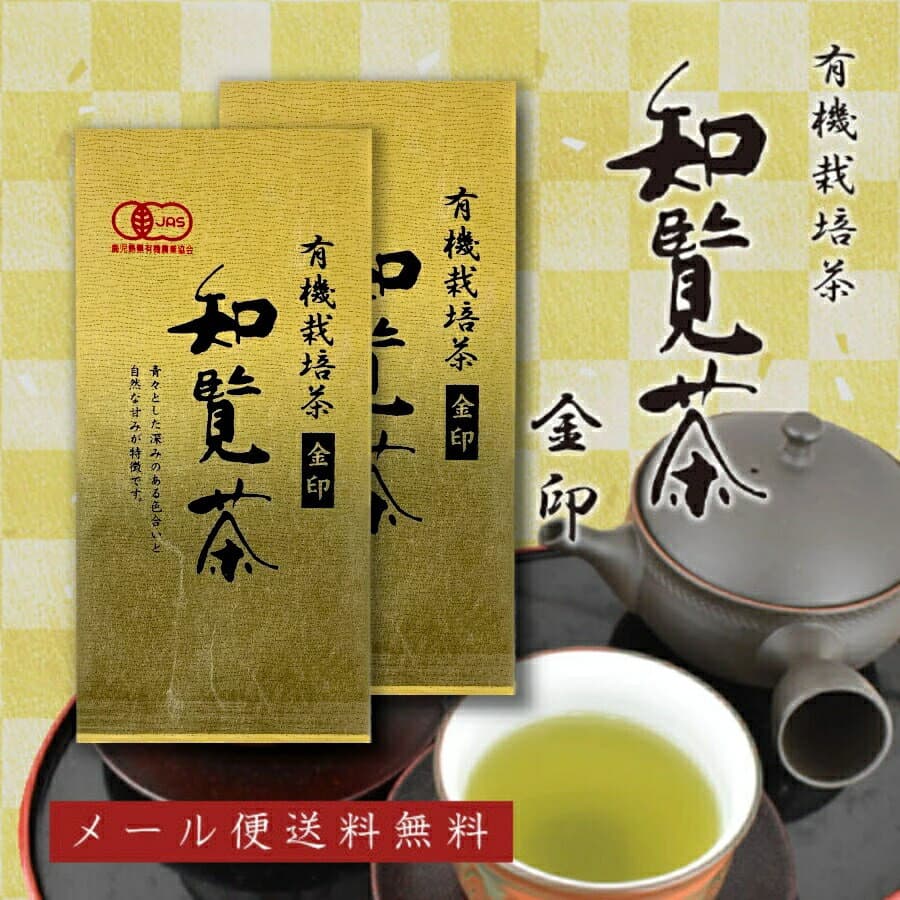
【10%OFF】有機栽培茶 知覧茶 金印 100g×2本セット JAS認定 メール便送料無料 [ 深むし茶 オーガニック 日本茶 お茶 緑茶 茶葉 お歳暮 プレゼント ギフト お返し 誕生日 産地直送 安心 安全 2025年産 RSL sale0919]
100g x 2 packs知覧茶専門店 お茶の茶和樹
4.8 / 91 reviews
 3 images
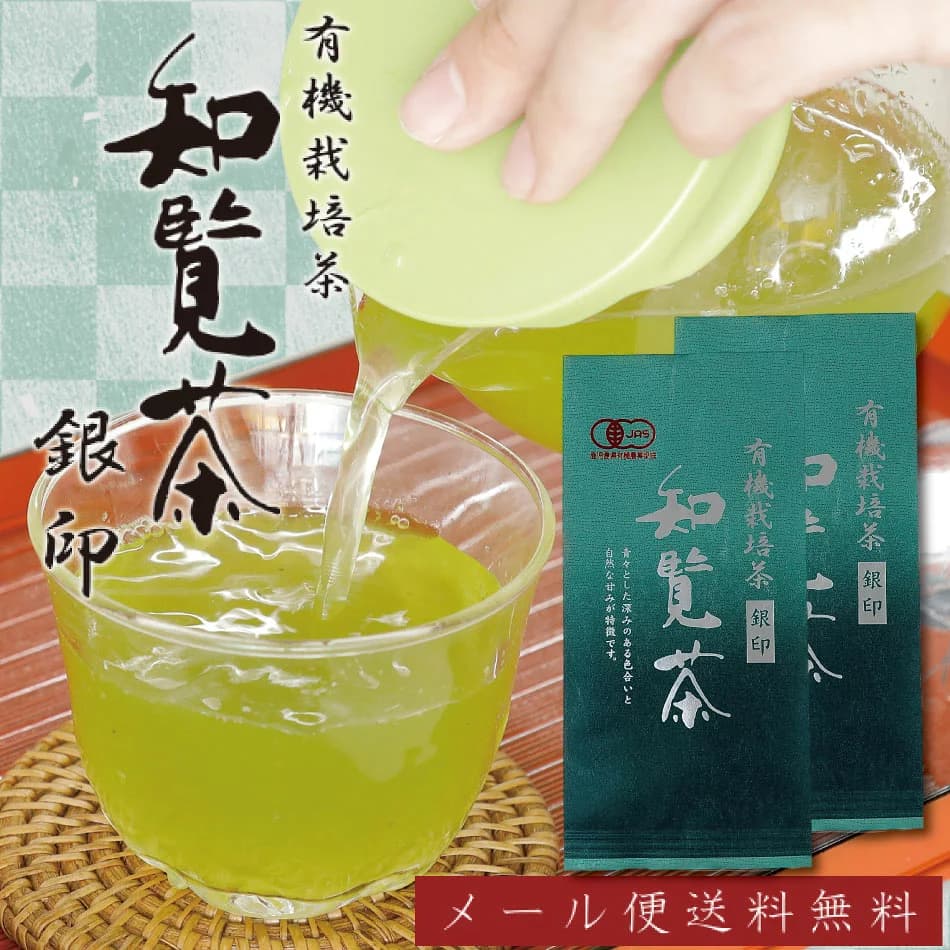
有機栽培茶 知覧茶 銀印 100g×2本セット JAS認定 メール便送料無料 [ 深むし茶 オーガニック 日本茶 お茶 緑茶 茶葉 お歳暮 プレゼント ギフト お返し 誕生日 産地直送 安心 安全 2025年産 RSL]
100g x 2 packs知覧茶専門店 お茶の茶和樹
4.8 / 313 reviews
 3 images
[ お茶 緑茶 ギフト ] 知覧茶 ティーバッグ 2.5g×100袋 [ 鹿児島県産 メール便送料無料 深蒸し茶 鹿児島県 三角ティーバッグ 不織布 カテキン 茶葉 煎茶 水出しうまみ まろやか お歳暮 プレゼント RSL]
2.5g x 100 bags知覧茶専門店 お茶の茶和樹
4.7 / 180 reviews
 3 images
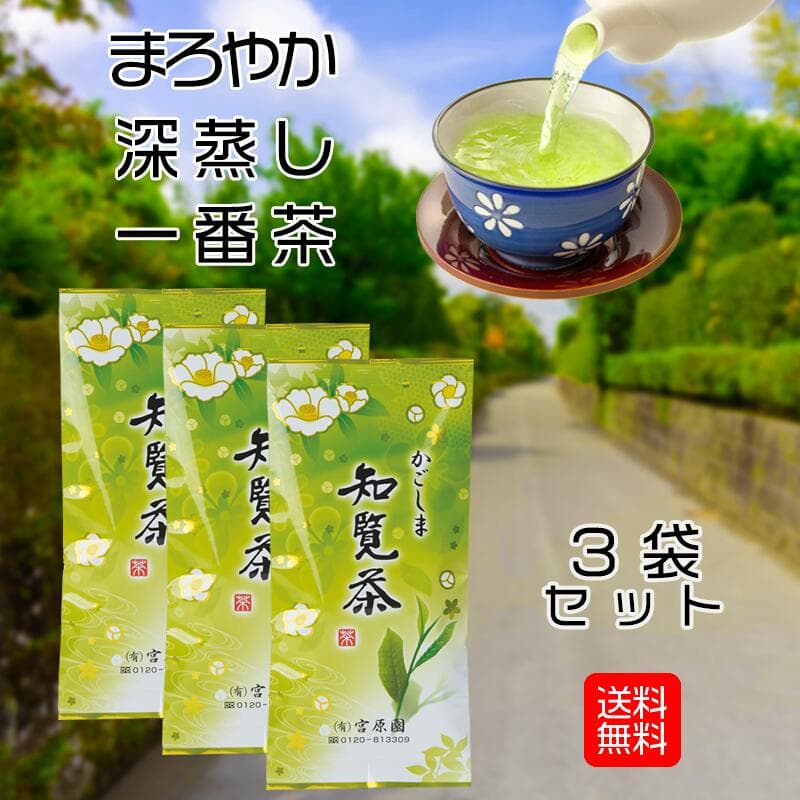
知覧茶 緑 300g 100×3袋セット知覧茶 深蒸し茶 ポッキリ ぽっきり 鹿児島 日本茶 煎茶 茶葉 旨味 甘味 かごしま茶 メール便発送 送料無料 産地直送 工場直売 宮原園 産直 直売
100g x 3 bags茶匠 宮原園
4.8 / 83 reviews
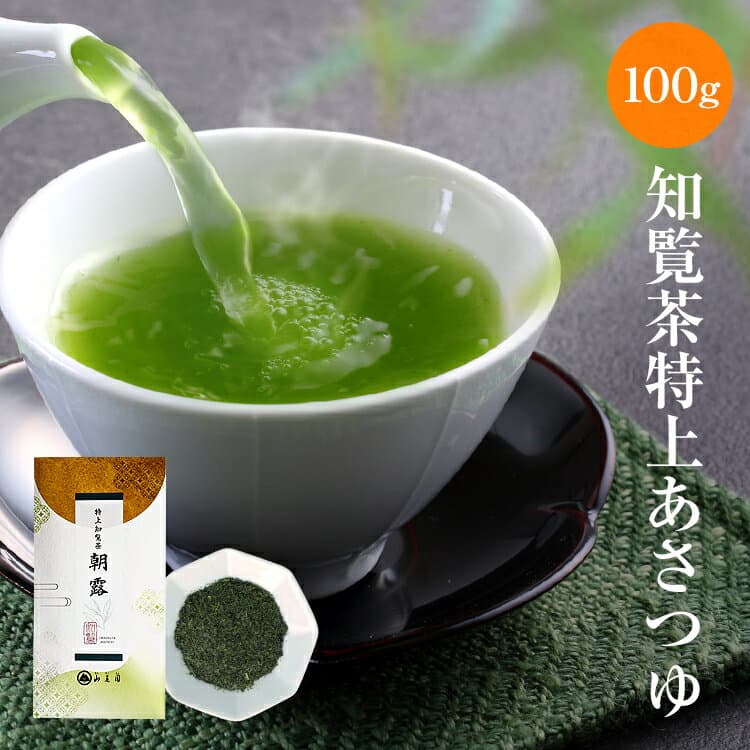 3 images
【 特価 100円OFFクーポン・P5倍】 知覧茶 特上朝露 (あさつゆ) 100g 敬老の日 ギフト プレゼント 2026【 特上深蒸し茶 鹿児島茶 高級 極上 高級品 お盆 お供え 】緑茶 茶葉 日本茶 煎茶 お茶の葉 深蒸し茶 美味しいお茶 おちゃっぱ お茶 真空パック
100gお茶の山麓園
4.4 / 77 reviews
First time buying on Rakuten? How residents in Japan order →
All 9 listings of this product on Rakuten, lowest price first.
| Listing | Price | Shop | Reviews | Open listing |
|---|---|---|---|---|
Chiran Tea Sencha Teabags 2.5g x 100 bagsLowest priceGift-ready | ¥1,380 | 知覧茶専門店 お茶の茶和樹 | 4.7 / 180 reviews | View on Rakuten → |
Chiran Midori Deep-Steamed Sencha 100g x 2 packsMost reviewedGift-ready | ¥1,880 | 知覧茶専門店 お茶の茶和樹 | 4.8 / 540 reviews | View on Rakuten → |
Chiran Tea Farmer’s Home-Style Deep-Steamed Sencha 80g x 3 packsGift-ready | ¥1,880 | 知覧茶専門店 お茶の茶和樹 | 4.7 / 308 reviews | View on Rakuten → |
Chiran Tea Gin-in Organic Sencha 100g x 2 packsGift-ready | ¥2,200 | 知覧茶専門店 お茶の茶和樹 | 4.8 / 313 reviews | View on Rakuten → |
Miyaharaen Kagoshima Chiran Deep-Steamed Sencha 100g x 3 bags | ¥2,220 | 茶匠 宮原園 | 4.8 / 83 reviews | View on Rakuten → |
Chiran Premium Sencha Green Tea 90g x 2Gift-ready | ¥2,410 | 知覧さくら商店 | 4.9 / 30 reviews | View on Rakuten → |
Chiran Tea Premium Asatsuyu Deep-Steamed Green Tea 100gGift-ready | ¥2,700 | お茶の山麓園 | 4.4 / 77 reviews | View on Rakuten → |
Chiran-cha JAS-Certified Organic Sencha Gold Seal 100g x 2 packsGift-ready | ¥3,400 | 知覧茶専門店 お茶の茶和樹 | 4.8 / 91 reviews | View on Rakuten → |
Chiran Tea Single-Origin Sencha Variety Tasting Set 80g x 5 packsGift-ready | ¥4,000 | 知覧茶専門店 お茶の茶和樹 | 4.9 / 87 reviews | View on Rakuten → |
Japanese · new tab
Chirancha comes from Ei, Chiran, and Kawanabe in Minamikyushu, Kagoshima. The tea fields lie across hills formed by mountains and sea, where temperature shifts bring frequent fog and volcanic ash soil drains well while holding minerals. Those growing conditions meet covered cultivation before harvest and deep steaming after picking, giving the tea its deep green color, fresh aroma, mellow sweetness, umami, and low bitterness and astringency.
The name Chirancha points to tea made in three areas of Minamikyushu: Ei, Chiran, and Kawanabe. The tea is rooted in a broad landscape, with fields spread through hilly ground shaped by nearby mountains, the sea, fog, and volcanic ash soil.
When Ei, Chiran, and Kawanabe became Minamikyushu in December 2007, the tea area gained a larger civic frame. Today the city has 3,425 hectares of tea gardens, 641 producers, and 102 tea factories producing about 13,000 tons of aracha, so the place behind Chirancha is visible in fields, factories, and a wide working community.
Minamikyushu’s tea fields sit in hills formed by mountains and sea, and the difference between warm and cool air often brings fog across the rows. That fog shields tea leaves from ultraviolet light and helps the formation of umami components, linking the landscape directly to the deep green cup.
The soil adds another concrete layer. Caldera-derived volcanic ash has accumulated in the area, creating ground that drains well and contains minerals. For tea plants, those conditions support steady growth and the rich taste associated with Chirancha.
About one to two weeks before picking, growers cover new shoots with black cloth to block sunlight. This covered cultivation delays leaf hardening, brightens the green color, and supports the distinctive aroma, mellow umami, and sweetness that appear later in the cup.
The timing of the covering is part of the work: growers judge when to shade the shoots and place material over each row by hand. Chirancha’s mildness begins before the kettle, in new leaves, black cloth, adjusted sunlight, and the moment chosen for harvest.
Once the leaves are picked, they are quickly carried to an aracha factory and steamed to stop oxidation. Ordinary steaming lasts about 30 to 40 seconds, while Chirancha deep steaming lasts about 60 to 120 seconds, a longer step that helps produce the tea’s deep green color.
The same steaming process changes the way the tea drinks. Longer steaming suppresses bitterness and astringency, leaving a cup with sweetness and umami; this is why Chirancha is often described as mild, easy to drink, and approachable for people who prefer softer green tea.
Minamikyushu’s warm climate gives the tea area an early and long picking season, and many tea cultivars are grown there. Each cultivar can bring different aroma and flavor traits, giving producers room to shape Chirancha in more than one direction.
Blends combine multiple cultivars to balance aroma, sweetness, umami, and color. Single-cultivar products take another path, letting drinkers notice the character of one cultivar at a time. The variation in Chirancha comes from both field choices and finishing decisions.
Because Chirancha is known for deep green color and low bitterness, it works as everyday hot green tea and also as cold-brew green tea. Hot water brings out fresh aroma and mellow sweetness directly, while cold water lets the vivid color and gentle taste unfold more slowly.
In Chiran, the tea also appears beyond the teacup. Local products include tea bags, hojicha, sencha, Japanese-style black tea made with black tea and green tea, and yokan kneaded with powdered tea from Chiran. These forms carry the tea from gardens, aracha, blending, and fire-finishing into daily drinks and sweets.
Chirancha’s deep green cup is the result of linked, tangible work: the hills of Ei, Chiran, and Kawanabe; fog and volcanic ash soil; black cloth over new shoots before harvest; quick transport to aracha factories; deep steaming for about 60 to 120 seconds; and a present-day community of 641 producers and 102 tea factories. Its mellow sweetness and softer bitterness are easiest to understand when the place, process, and people are kept together.
Compiled from public records and official sources; see the recognition links below. Details may change over time.
Where this product is officially registered, designated, or recognized in Japan.
Regional collective trademark
Registered as a Regional Collective Trademark with the Japan Patent Office.
Sources1
It is written as 知覧茶 in Japanese. Search Rakuten and other Japanese sites with that spelling — the English name will not bring up the listings.
Chiran tea (chirancha) is tea from Ei, Chiran, and Kawanabe in Minamikyushu, Kagoshima. Foggy hills, well-drained volcanic ash soil, covered new shoots for about one to two weeks before harvest, and deep steaming for about 60 to 120 seconds shape its deep green color, fresh aroma, mellow sweetness, umami, and low bitterness and astringency. Minamikyushu's tea work spans about 350 years and now includes 3,425 hectares of tea gardens, 641 producers, and 102 tea factories.
Ordinary green tea is steamed for about 30 to 40 seconds, while Chiran tea is deep-steamed for about 60 to 120 seconds, notably longer. Covering new shoots with black cloth delays leaf hardening and adds to the vivid green color, aroma, sweetness, and umami. Minamikyushu produces about 13,000 tons of aracha annually. Beyond straight brewing, Chiran tea is also made into sencha, hojicha, tea bags, and Japanese-style black tea.
Chiran tea is often brewed as hot green tea for everyday drinking, prized for a mild, low-bitterness taste that suits people who usually find tea hard to drink, including children. Its vivid, deep green color also makes it a recommended choice for cold-brew green tea. Beyond drinking it hot or cold, it is also used in tea sweets such as yokan kneaded with powdered tea from Chiran.
Water temperature varies a lot by type of Japanese tea: roughly 50–60°C for gyokuro, 70–80°C for sencha, and near-boiling 90–100°C for hojicha (including roasted stem tea), bancha, and genmaicha, steeped for about 30 seconds to a minute. A common ratio is about 3g of leaf per 150ml of water. Follow the instructions on the packaging where they differ.
Tea leaves are damaged by light, humidity, and absorbed odours. Once opened, keep them sealed and away from light at room temperature and drink them within a few weeks. If you refrigerate them, let the container return to room temperature before opening so condensation doesn't get in.
Most options are shelf-stable, boxed, and travel well, so they suit gifting or bringing home. Confirm the final storage and delivery terms on the Rakuten listing.
On Rakuten: the shops listed here right now are 知覧さくら商店, 知覧茶専門店 お茶の茶和樹, 茶匠 宮原園, お茶の山麓園. We don't sell directly; purchase, payment, stock, and delivery are all handled on the Rakuten product page.