 3 images
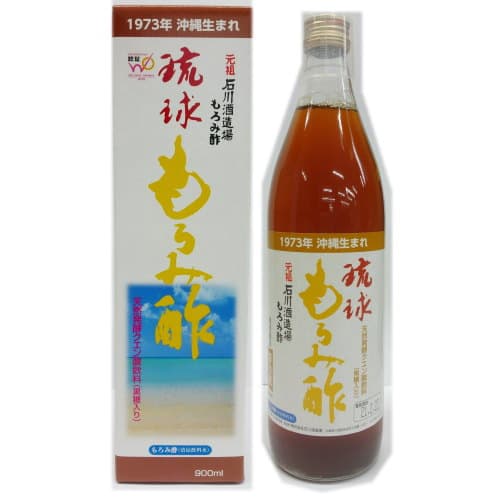
Ishikawa Shuzojo Ryukyu Moromi Vinegar
石川酒造場 琉球もろみ酢(黒糖)900ml×(1本/2本/6本/12本) 送料無料【月間優良ショップ】
Brown sugar, 900ml x 1/2/6/12 bottles沖縄健康通販 楽天市場店
4.6 / 144 reviews
Japanese name琉球もろみ酢
Miso, soy sauce & fermented seasonings overview
Ryukyu Moromisu begins with lees left after Ryukyu Awamori distillation, pressed and filtered into a non-carbonated amber drink. Black koji, citric acid, and a 1973 turn in the use of Awamori lees connect Okinawa breweries with drinking and cooking.
Information last updated 119 days ago
3 images石川酒造場 琉球もろみ酢(黒糖)900ml×(1本/2本/6本/12本) 送料無料【月間優良ショップ】
Brown sugar, 900ml x 1/2/6/12 bottles沖縄健康通販 楽天市場店
4.6 / 144 reviews
 3 images
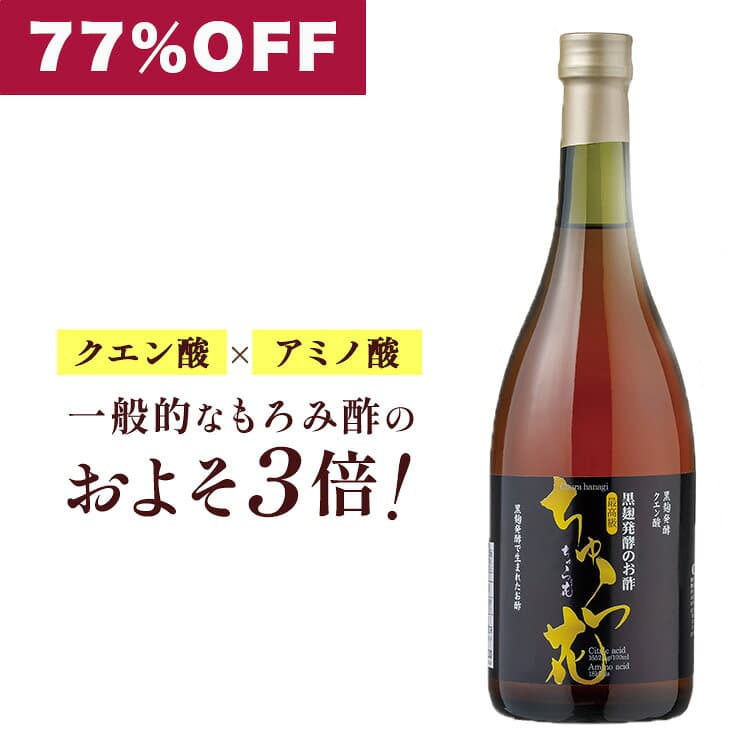
琉球 もろみ酢 初回限定「ちゅら花(はなぎ)」黒麹(くろこうじ)発酵 黒糖 無添加 琉球もろみ酢 720ml 沖縄県産
720mlちゅら花
4.5 / 169 reviews
 3 images
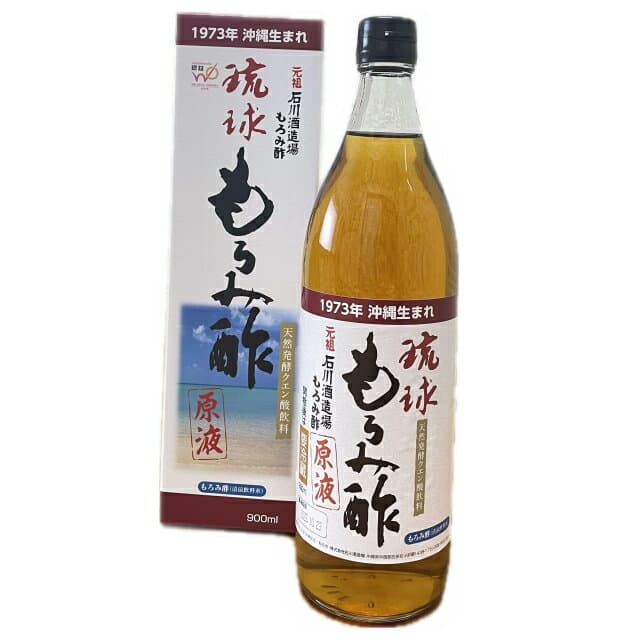
石川酒造場 琉球もろみ酢(原液)900ml×(1本/2本/6本/12本) 送料無料【月間優良ショップ】
900ml x 1/2/6/12 bottles沖縄健康通販 楽天市場店
4.6 / 110 reviews
First time buying on Rakuten? How residents in Japan order →
In Okinawa, Ryukyu Moromisu starts after Awamori mash has been distilled. The remaining Ryukyu Awamori lees are pressed and filtered into raw moromisu liquid, which becomes a non-carbonated amber drink. When makers adjust aroma or flavor with brown sugar, sweeteners, fruit juice, or plant extracts, that raw liquid still has to account for at least 75% of the finished weight. Its tartness comes mainly from citric acid rather than acetic acid, so it has acidity without the sharp vinegar smell associated with ordinary vinegar and black vinegar.
Ryukyu Moromisu begins with Ryukyu Awamori moromi lees, the material left after Awamori mash is distilled. Awamori itself is made by saccharifying rice starch with black koji, fermenting the mash with yeast, and distilling it; especially when made in Okinawa it is called Ryukyu Awamori. For Moromisu, the lees are pressed and filtered to obtain raw liquid, keeping the drink physically close to the brewery sequence of koji, mash, distillation, pressing, and filtration.
Although the name contains su, the sour line is different from ordinary vinegar. Vinegar and black vinegar are driven mainly by acetic acid, while Ryukyu Moromisu is driven mainly by citric acid; the result is an amber tartness without the nose-pricking acetic smell. It can be drunk as it is, and it can also work as a seasoning or cooking ingredient, so the same pressed Awamori lees reach both the cup and the kitchen.
Okinawa's warm, humid subtropical climate matters because Awamori brewing faces the risk of unwanted microbial growth during fermentation. Black koji, long selected in that brewing environment, helps suppress that risk and shapes a citric-acid-rich mash. The Awamori method is said to have reached the Ryukyu Kingdom around the 14th to 15th centuries; in Ryukyu Moromisu, that longer brewing context is felt most concretely in black koji, all-koji fermentation, distilled mash lees, and production carried out within Okinawa.
Before the first Ryukyu Moromisu product appeared in 1973, Awamori lees had been used for pig feed or field fertilizer. The 1973 product pressed and filtered those lees, then mixed the liquid with brown sugar. Later versions could remain plain or be adjusted with brown sugar, sweeteners, fruit juice, or plant extracts, as long as raw Ryukyu Moromisu liquid made up at least 75% of the finished weight.
Ryukyu Moromisu is carried by a network of Okinawan Awamori breweries and related companies, with names tied to Kumejima Town, Miyakojima, Ishigaki Island, and northern, central, and southern Okinawa Island. The range includes plain, unsweetened, brown-sugar, and shikwasa-accented versions, showing how one raw-liquid boundary can hold different tastes without losing the Awamori-lees base. Outside the cup, the drink also keeps a cooking role as a seasoning or ingredient.
Ryukyu Moromisu's local character is concrete: Okinawa Awamori lees, black koji, citric acid, pressing, filtration, and uses that move between drinking and cooking. Its amber sourness carries a practical turn from 1973, when a material once used for feed or fertilizer became a drink maintained by breweries and related makers across Okinawa.
Compiled from public records and official sources; see the recognition links below. Details may change over time.
Where this product is officially registered, designated, or recognized in Japan.
Geographical Indication (GI)
Registered under Japan's Geographical Indication Protection System, run by the Ministry of Agriculture, Forestry and Fisheries.
Sources1
It is written as 琉球もろみ酢 in Japanese. Search Rakuten and other Japanese sites with that spelling — the English name will not bring up the listings.
Ryukyu moromi vinegar (Ryukyu Moromisu) is a non-carbonated Okinawan drink made from Ryukyu Awamori lees left after distillation, then pressed and filtered into raw liquid. Its tartness comes mainly from citric acid, not the acetic acid of ordinary vinegar. In 1973, Awamori lees once used for pig feed or field fertilizer were pressed, filtered, mixed with brown sugar, and made into the first product.
All production processes are carried out within Okinawa Prefecture. When aroma or flavor is adjusted with brown sugar, sweeteners, fruit juice, or plant extracts, the raw liquid must be at least 75% of finished weight. In 1973, Ryukyu Awamori lees that had been used for pig feed or field fertilizer were pressed, filtered, mixed with brown sugar, and made into the first product. The maker community includes breweries or related companies associated with Kumejima Town, Miyakojima, Ishigaki Island, and northern, central, and southern Okinawa Island.
It is drunk as-is as a non-carbonated beverage. It is also used as a seasoning or cooking ingredient. The raw liquid may be blended with brown sugar, sweeteners, fruit juice, or plant extracts, provided it remains at least 75% of final product weight.
Storage varies by product — shelf-stable, refrigerated, or frozen — and is stated on the packaging and the Rakuten listing. Shelf-stable processed foods usually need refrigerating once opened and eating within a few days; chilled and frozen items go straight into storage on arrival. Treat the best-before date on the physical packaging as authoritative.
Most options are shelf-stable, boxed, and travel well, so they suit gifting or bringing home. Confirm the final storage and delivery terms on the Rakuten listing.
On Rakuten: the shops listed here right now are 沖縄健康通販 楽天市場店, ちゅら花. We don't sell directly; purchase, payment, stock, and delivery are all handled on the Rakuten product page.