 3 images
Okinawa Local Goods Guide
沖縄県
Okinawa is indexed here as a practical buying guide for travelers and foreign residents in Japan. Start with packable gifts, then compare table goods, quiet luxuries, and crafted objects when you need a stronger sense of place.
24Local selections
What Okinawa is known for
The 8 products below are what Okinawa is known for, ordered by how strongly each is rooted in the prefecture — what it is, and why it comes from here.
Ryukyu moromi vinegarRegional foods
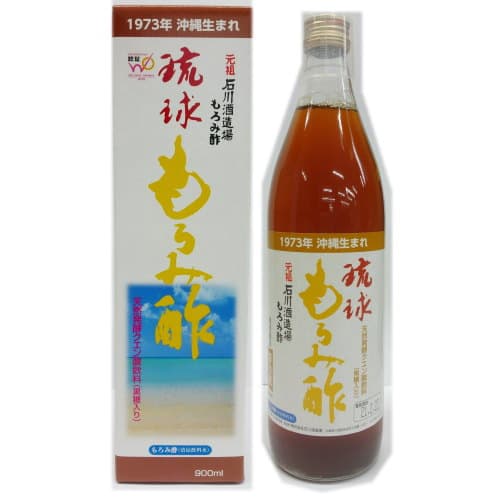
Ryukyu Moromisu begins with lees left after Ryukyu Awamori distillation, pressed and filtered into a non-carbonated amber drink. Black koji, citric acid, and a 1973 turn in the use of Awamori lees connect Okinawa breweries with drinking and cooking.
Ryukyu bingataTextiles
In Naha’s Shuri district, Ryukyu bingata brings stencil paper, brush-applied red, yellow, and indigo, southern creatures, island landscapes, and formal dress into dyed cloth.
Miyako jofuTextiles
Miyako Jofu is shaped on Okinawa’s Miyako Island through ramie cultivation, hand-spun yarn, kasuri tying, indigo dyeing, weaving, washing, starching, and mallet beating.
Shuri textilesTextiles
In Shuri, Naha, Shuri-ori gathers patterned weaves and kasuri under one name, linking silk thread, basho fiber, Ryukyu indigo, and fukugi to cloth once refined for Ryukyu court life and still used today.
Chibana hanaoriTextiles
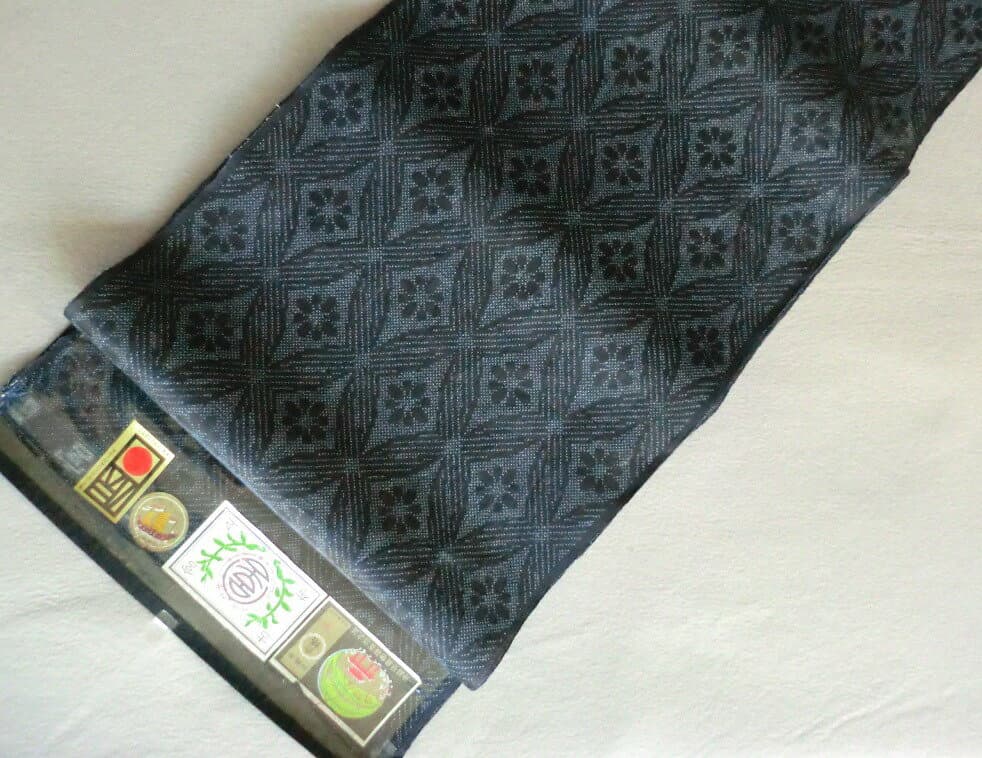
Rooted in methods from Chibana, Noborikawa, and Ikehara, this Okinawa City textile raises red-and-white motifs from a dark blue ground through hand-lifted warp heddles, festival garments, obi cloth, kimono cloth, and kariyushi-wear fabric.
Yomitanzan hanaoriTextiles
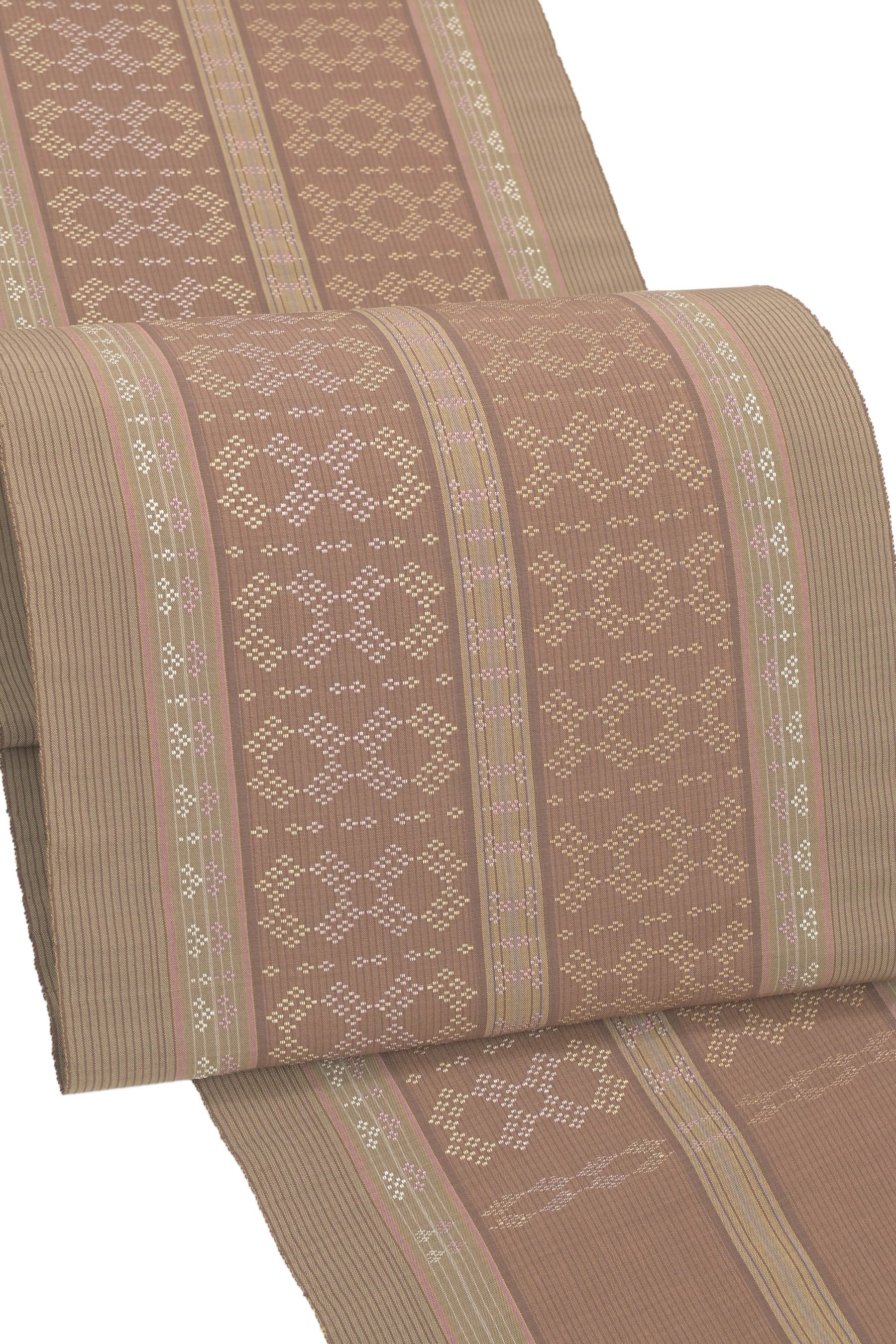
In Zakimi, Yomitan Village, Yomitanzan Hanaori turns fine dots and lines into flower-like geometry through cotton, silk, natural fibers and cooperative work.
Yaeyama jofuTextiles
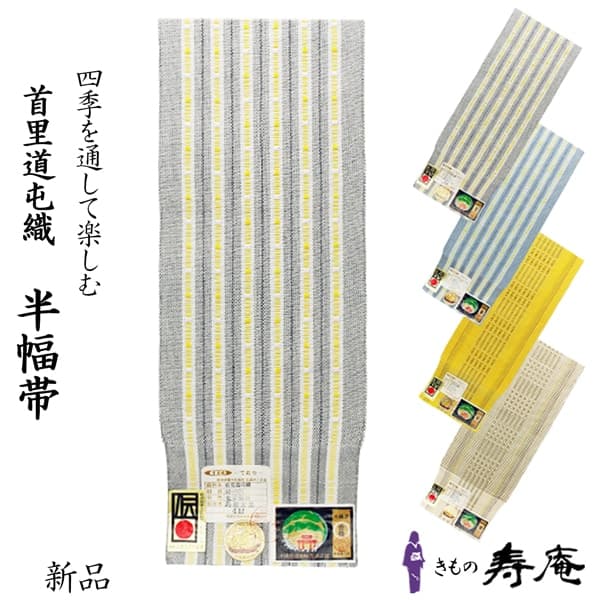
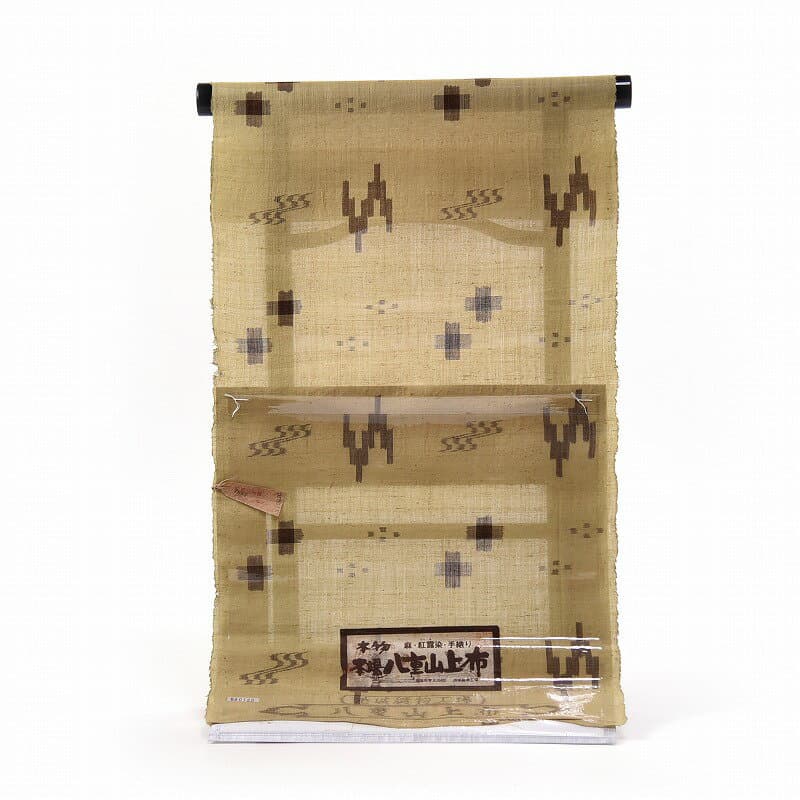
In Okinawa’s Yaeyama islands, ramie thread, plant dyes, kasuri planning, and seawater finishing shape a cloth known for its crisp touch and quiet summer clarity.
Yomitanzan minsaTextiles
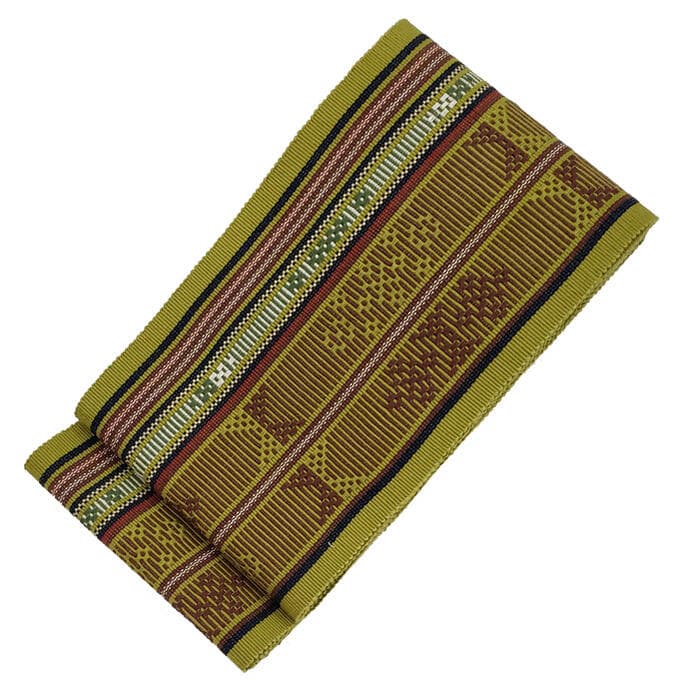
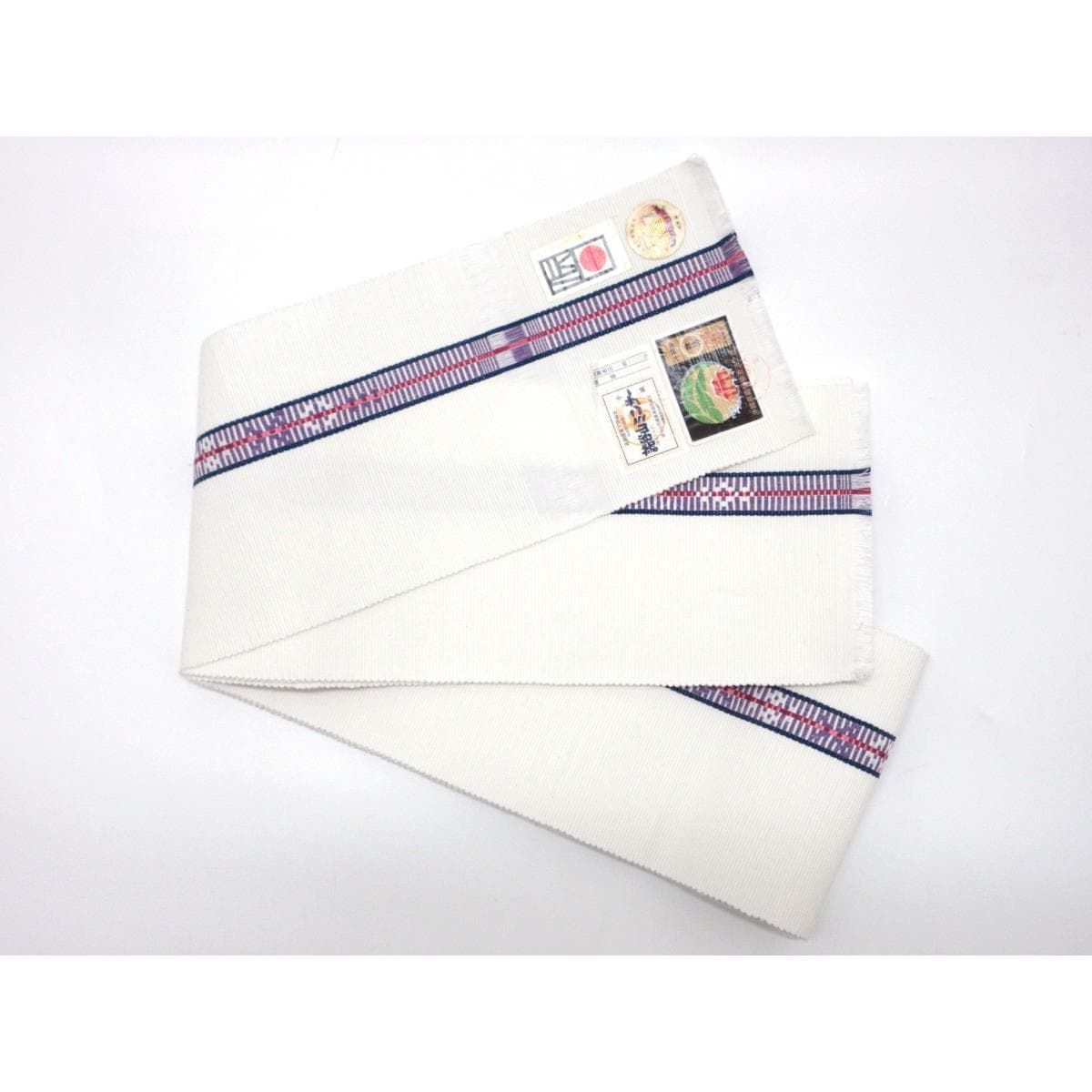
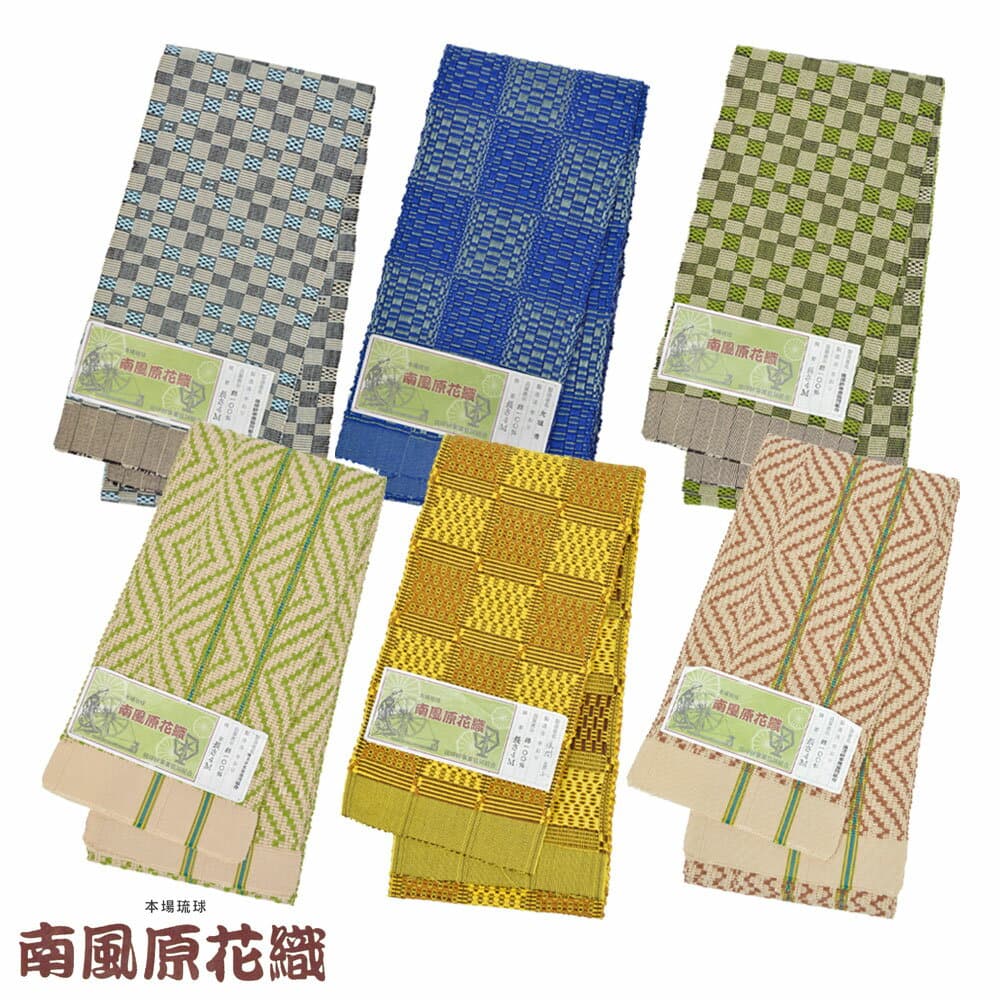
Yomitan-zan Minsaa is a slim cotton band from Yomitan Village, where a bamboo skewer lifts warp threads so colored yarn can rise on the cloth.
Regional Gifts
Packable foods and gifts with clear regional character.
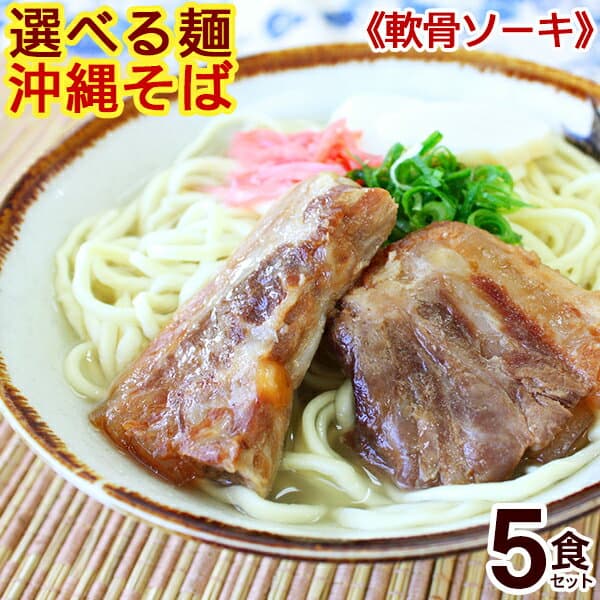



Table & Tea
Tea, drinks, foods, and table pieces shaped by local taste.

Daily Rituals
Home goods and textiles that turn everyday use into a local ritual.


Crafted Forms
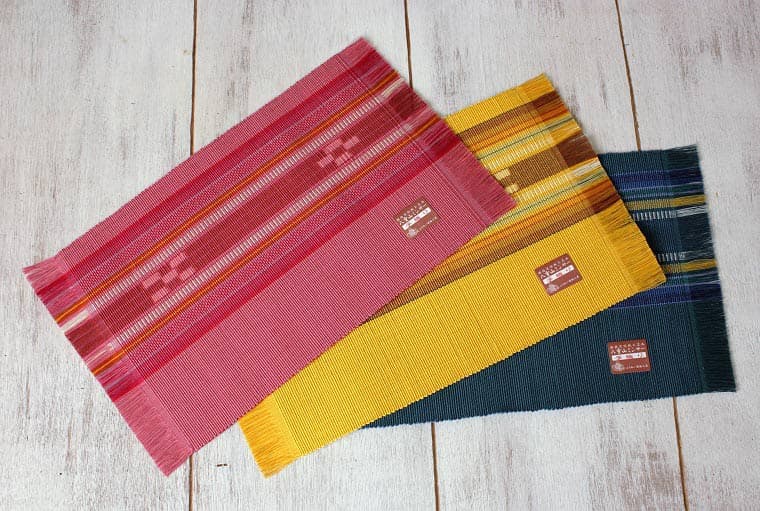
Ceramics, lacquer, glass, woodwork, metalwork, folk craft, and their forms.

Sake & Spirits
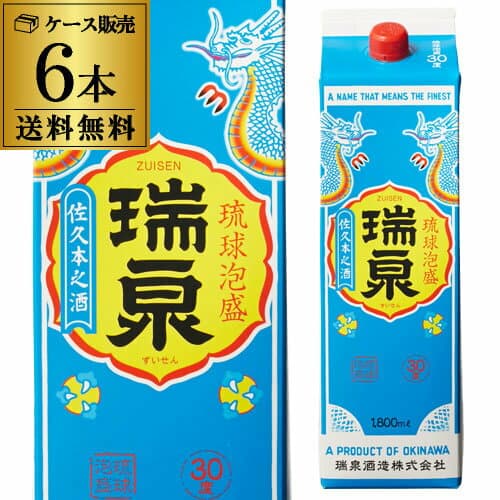
Local sake, shochu, regional wine and craft spirits shaped by each prefecture. For ages 20+.
Okinawa's specialties by category
How the same thing is made elsewhere, and what differs: the category overviews start here.
Start with type, not region: white miso is sweet and short-aged, red miso is salty and long-aged, bean miso is soybeans and salt only.
Type first: somen and hand-stretched udon are pulled, soba is about the flour, ramen and Okinawa soba use kansui.
Breed first, brand second: Japanese Black is marbled, akaushi is lean, a brand name is a set of conditions, not a breed.
Kind before region: fresh fish is about handling, crab and oysters about season, nori and dried goods about processing.
Earthenware or porcelain first, then the surface: unglazed like Bizen, glazed like Hagi, or painted like Kutani.
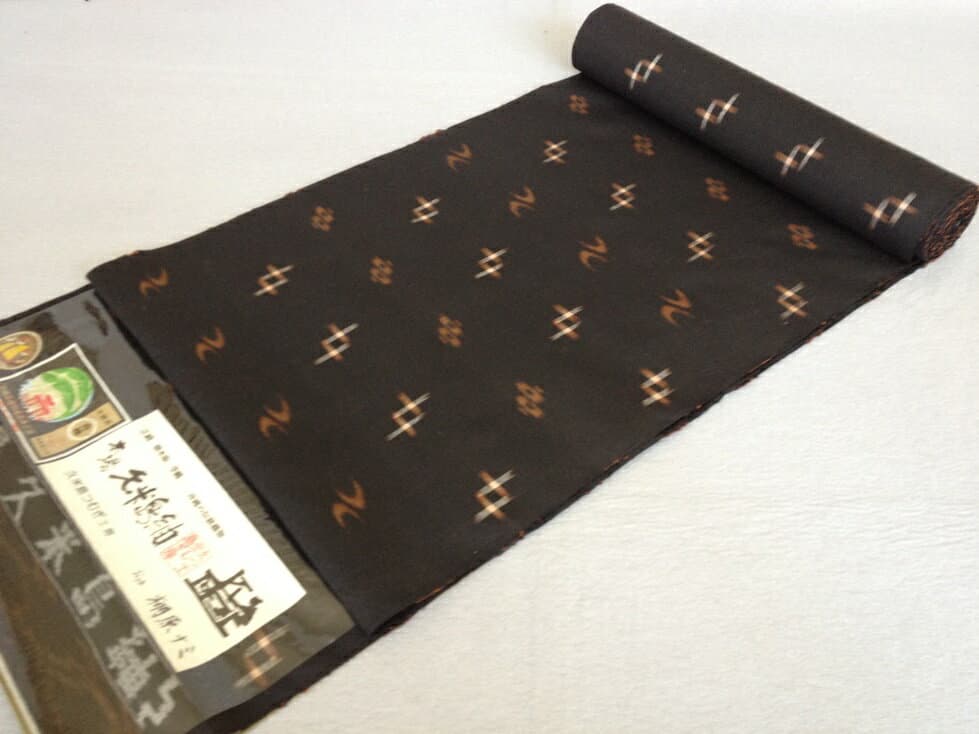
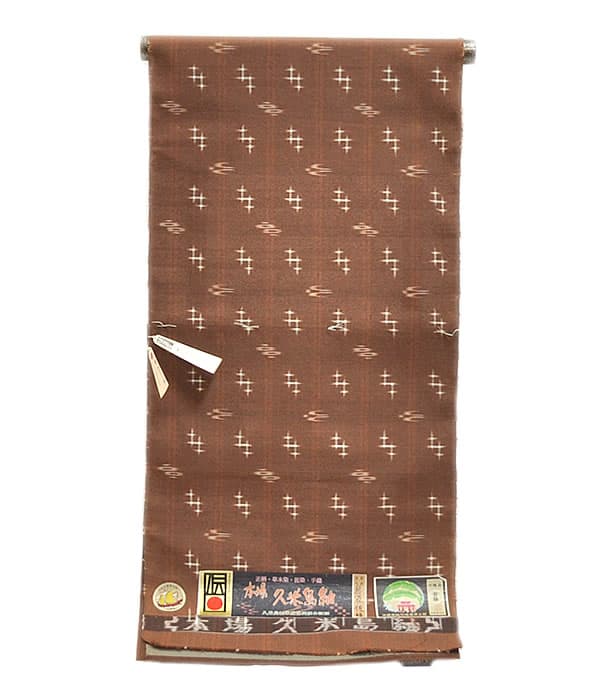
Woven or dyed first: tsumugi, kasuri and chijimi weave dyed yarn; yuzen, komon and bingata dye white cloth.
FAQ
What is Okinawa known for?
Okinawa (Kyushu) is represented here by specialties such as Ryukyu moromi vinegar, Ryukyu bingata, Miyako jofu — each verified against official registries and matched to Rakuten listings.
Are Okinawa souvenirs good to bring home?
Many Okinawa picks — Ryukyu moromi vinegar, Ryukyu bingata, Miyako jofu among them — are shelf-stable foods and crafts that travel well; for temperature- or fragility-sensitive items, confirm delivery and packaging on the Rakuten listing.
Are these products sold directly by this site?
No. This site curates Rakuten listings and may earn affiliate revenue from links to Rakuten.
How are products selected?
Listings are filtered for local relevance, product images, availability, and review strength.
Related prefecture guides
Fukuoka
Fukuoka is a useful regional guide for distinctive local specialties.
Saga
Saga is a useful regional guide for distinctive local specialties.
Nagasaki
Nagasaki is a useful regional guide for distinctive local specialties.
Kumamoto
Kumamoto is a useful regional guide for distinctive local specialties.