 3 images
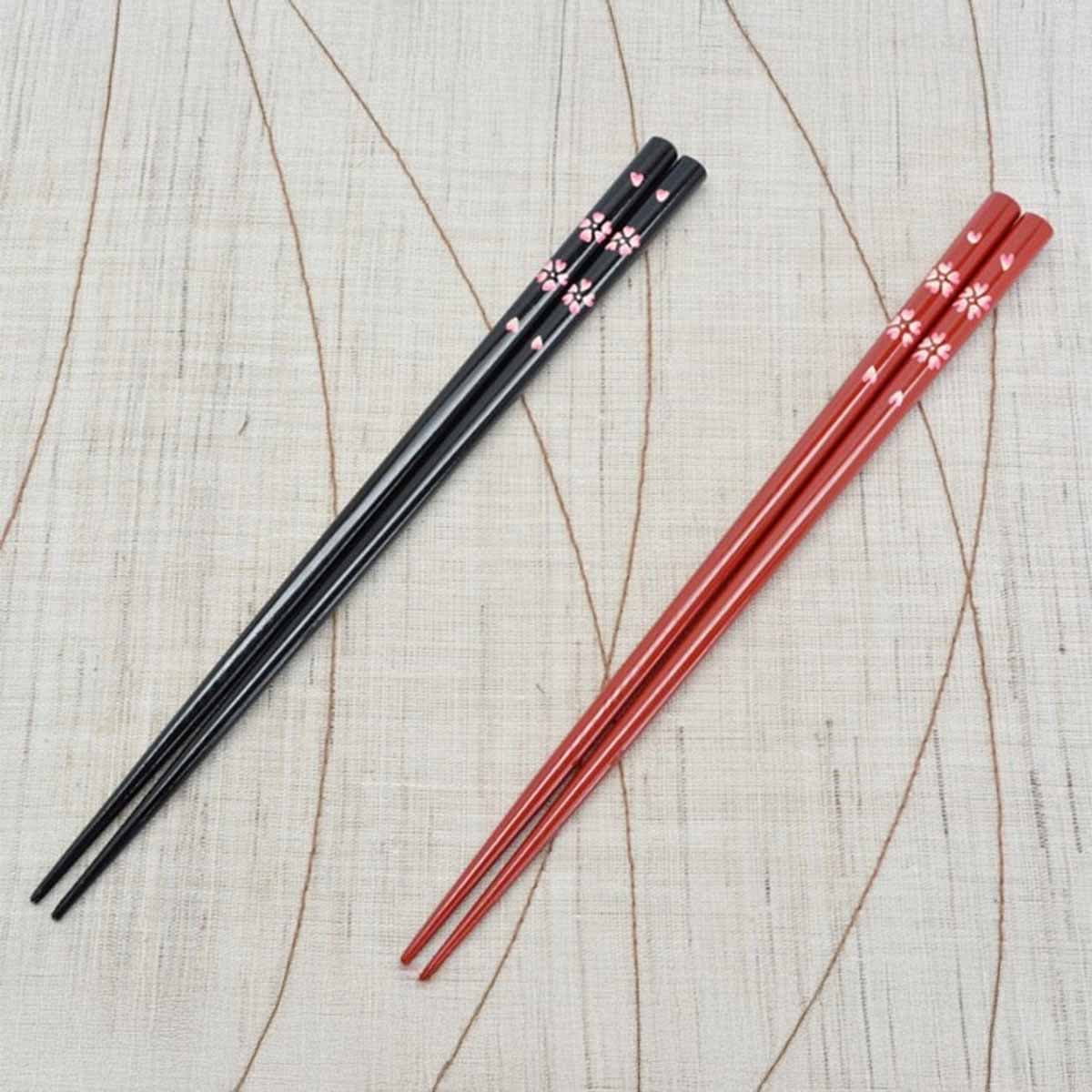
Ryukyu Lacquerware Maki-e Sakura Chopsticks
琉球漆器 箸 蒔絵 桜 黒/朱/ペア 22.5cm 名入れあり/名入れなし 名入れ可能箸 沖縄 箸 和柄 プレゼント 箸 名入れ 箸に名入れ 箸 日本製 越前塗箸 和雑貨 四季彩堂
black/vermilion pair, 22.5 cm四季彩堂 楽天市場店
5.0 / 1 reviews
Japanese name琉球漆器
Across Naha, Urasoe, Itoman, Okinawa City, Nakagusuku, Tomigusuku, and Haebaru, natural woods and urushi become trays, bowls, jubako, chopsticks, and surfaces of vermilion, black, chinkin, raden, and raised tsuikin.
Information last updated 119 days ago
3 images琉球漆器 箸 蒔絵 桜 黒/朱/ペア 22.5cm 名入れあり/名入れなし 名入れ可能箸 沖縄 箸 和柄 プレゼント 箸 名入れ 箸に名入れ 箸 日本製 越前塗箸 和雑貨 四季彩堂
black/vermilion pair, 22.5 cm四季彩堂 楽天市場店
5.0 / 1 reviews
 2 images
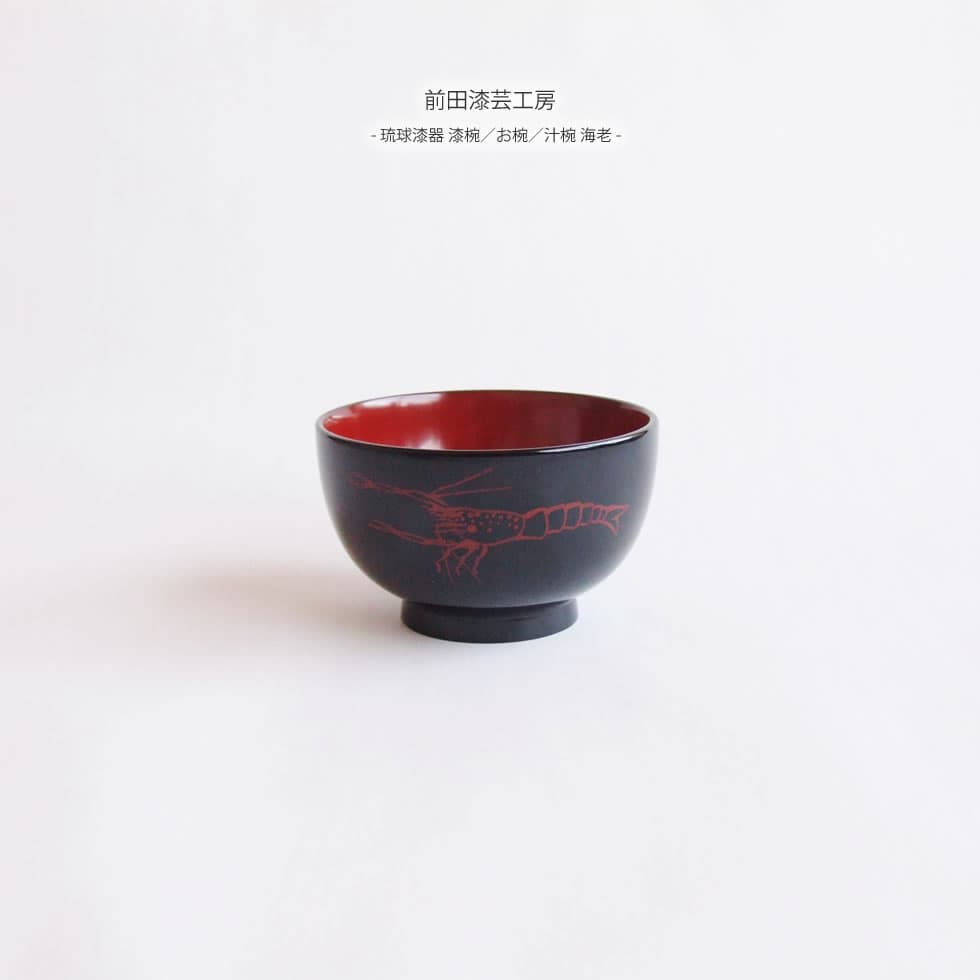
前田漆芸工房 琉球漆器 漆椀/お椀/汁椀 海老
shrimp motifおまめ
 2 images
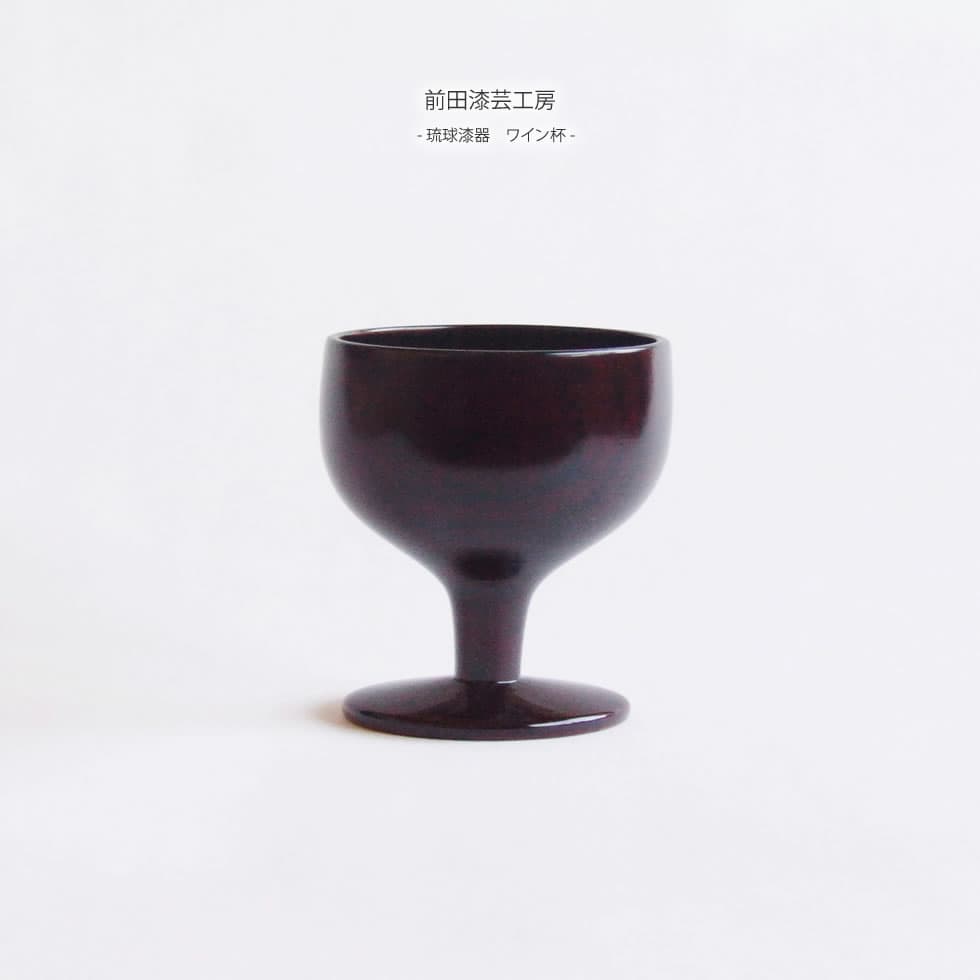
前田漆芸工房 琉球漆器 ワイン杯
おまめ
First time buying on Rakuten? How residents in Japan order →
Ryukyu lacquerware begins with Okinawan wood and lacquer. Its current main production places are Naha City, Urasoe City, Itoman City, Okinawa City, Nakagusuku Village, Tomigusuku City, and Haebaru Town, and its materials include deigo, gajumaru, egonoki, sendan, hama-sendan, inumaki, cedar, and natural lacquer. On a tray, bowl, individual plate, jubako, or rice bowl, the eye first meets the contrast of vermilion and black, then the carved line of chinkin, the shell gleam of raden, and the raised decoration of tsuikin.
Ryukyu lacquerware is tied to more than one production town. The named area runs through Naha, Urasoe, Itoman, Okinawa City, Nakagusuku, Tomigusuku, and Haebaru, where trays, bowls, individual plates, jubako, and rice bowls keep the craft attached to actual table forms. Lacquered utensils began to be made in Okinawa in the fourteenth century; techniques came from China and then developed into a distinct Ryukyu lacquerware practice around wood, lacquer, and decorated surfaces.
The base of Ryukyu lacquerware is a list of named natural materials. Deigo, egonoki, sendan, hama-sendan, inumaki, gajumaru, and cedar are named as woods, while natural lacquer gives the outer surface its finish. Vermilion and black sit on Okinawan wood shaped into trays, bowls, plates, jubako, and rice bowls, so color, form, and material are read together.
The strongest visual cue is the bold meeting of vermilion and black lacquer. Chinkin and raden came from China, bringing carved lines and shell inlay into the surface language, while tsuikin was born in Ryukyu as a raised method of decoration. On a jubako or serving tray, those techniques let the eye separate cut line, shell shimmer, and relief ornament.
The long history becomes tangible on Kumejima, where a chinkin round chest thought to date from the fifteenth century still remains. Rekidai Hoan describes lacquer crafts sent to Ming China, Korea, and Japan, placing Ryukyu lacquerware beside sea routes and diplomatic exchange. After 1609, lacquerware was made as presentation ware for the shogunal household, with production centered on the Kaizuri Bugyosho established by the Ryukyu royal government.
Ryukyu lacquerware suffered devastating wartime damage and was revived soon after the war. Its continuity is visible in the Kumejima chest, presentation ware from the royal-government period, and chopsticks, bowls, trays, and individual plates used close to daily meals. These objects bring natural lacquer, wood bases, red-and-black surfaces, and decoration techniques back to the table.
Prefectural and national traditional-craft status matters here because it points to concrete boundaries: Okinawan production places, natural lacquer, named woods, red-and-black lacquer surfaces, and the decorative methods of chinkin, raden, and tsuikin. From Naha to Haebaru, and from deigo wood to jubako and bowls, Ryukyu lacquerware is defined by place, material, form, and hand process working together.
Ryukyu lacquerware can be followed from a red-and-black tray, from deigo and gajumaru wood, from the chinkin round chest on Kumejima, from the Kaizuri Bugyosho, or from postwar chopsticks and bowls. Each path returns to Okinawa’s named production communities, natural lacquer, sea-route exchange, and tableware made for use as well as for display.
Compiled from public records and official sources; see the recognition links below. Details may change over time.
Where this product is officially registered, designated, or recognized in Japan.
Traditional craft
Designated a Traditional Craft (dentō kōgeihin) by Japan's Ministry of Economy, Trade and Industry.
Sources1
It is written as 琉球漆器 in Japanese. Search Rakuten and other Japanese sites with that spelling — the English name will not bring up the listings.
Ryukyu lacquerware is an Okinawan lacquerware family made in Naha, Urasoe, Itoman, Okinawa City, Nakagusuku, Tomigusuku, and Haebaru. It combines natural woods such as deigo and gajumaru with natural lacquer, taking forms such as trays, bowls, individual plates, jubako, and rice bowls. Its surfaces show vermilion and black contrast along with chinkin, raden, and tsuikin decoration. Its history spans fourteenth-century origins, Rekidai Hoan overseas exchange, 1609 presentation ware, and postwar revival to today's chopsticks and bowls.
Chinkin and raden came from China, while tsuikin is a lacquerware decoration method born in Ryukyu. A chinkin round chest thought to date from the fifteenth century remains on Kumejima. After 1609, Ryukyu lacquerware was made as presentation ware for the shogunal household, with production centered on the Kaizuri Bugyosho. Lacquered utensils began to be made in Okinawa in the fourteenth century, after techniques came from China.
Trays, bowls, plates, jubako, and rice bowls made as Ryukyu lacquerware can serve as everyday tableware. Chopsticks and bowls are common Ryukyu lacquerware items made for daily use today. Vermilion and black contrast, along with chinkin, raden, and tsuikin decoration, are visual features to look for when viewing a piece.
Porous earthenware is usually given a "medome" treatment first — simmer it gently in rice-rinsing water (or water with a little flour), then cool, rinse, and air-dry. This reduces staining and odour absorption. Porcelain normally just needs a wash. Follow the listing where it says otherwise.
Handmade earthenware, pieces with gold or silver overglaze, and lacquerware generally should not go in a dishwasher, microwave, or heated drying cabinet; heat-resistant porcelain usually can. Check the Rakuten listing for the specific piece.
Most options are shelf-stable, boxed, and travel well, so they suit gifting or bringing home. Confirm the final storage and delivery terms on the Rakuten listing.
On Rakuten: the shops listed here right now are 四季彩堂 楽天市場店, おまめ. We don't sell directly; purchase, payment, stock, and delivery are all handled on the Rakuten product page.