 3 images
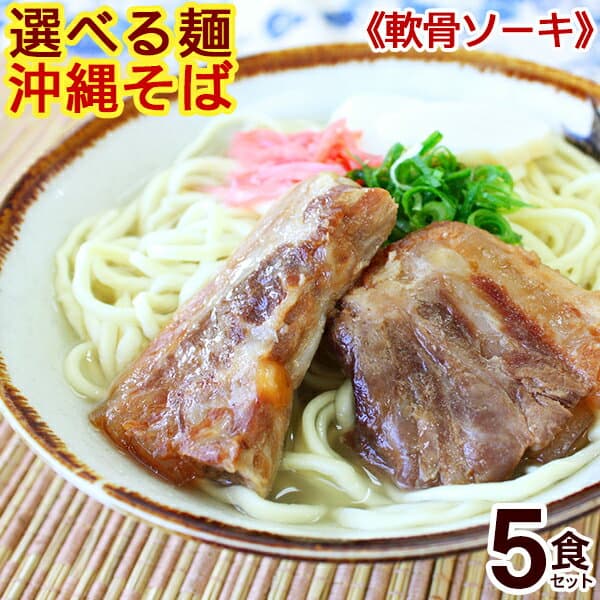
Sun Foods Okinawa Soki Soba Set
選べる麺!沖縄そば(ソーキそば)5食セット (味付け軟骨ソーキ、そばだし、かまぼこ、こーれーぐす付き)【送料無料】│サン食品 そば ギフト お取り寄せ 年越しそば 沖縄そばの日 ご当地グルメ
5 servings【直営店】沖縄そばの老舗サン食品
4.7 / 299 reviews
Japanese name沖縄そば
Across Okinawa, wheat noodles meet pork-bonito broth in flat northern strands, curly noodles around Naha, and round island styles such as those associated with Ishigaki.
Information last updated 119 days ago
3 images選べる麺!沖縄そば(ソーキそば)5食セット (味付け軟骨ソーキ、そばだし、かまぼこ、こーれーぐす付き)【送料無料】│サン食品 そば ギフト お取り寄せ 年越しそば 沖縄そばの日 ご当地グルメ
5 servings【直営店】沖縄そばの老舗サン食品
4.7 / 299 reviews
 3 images
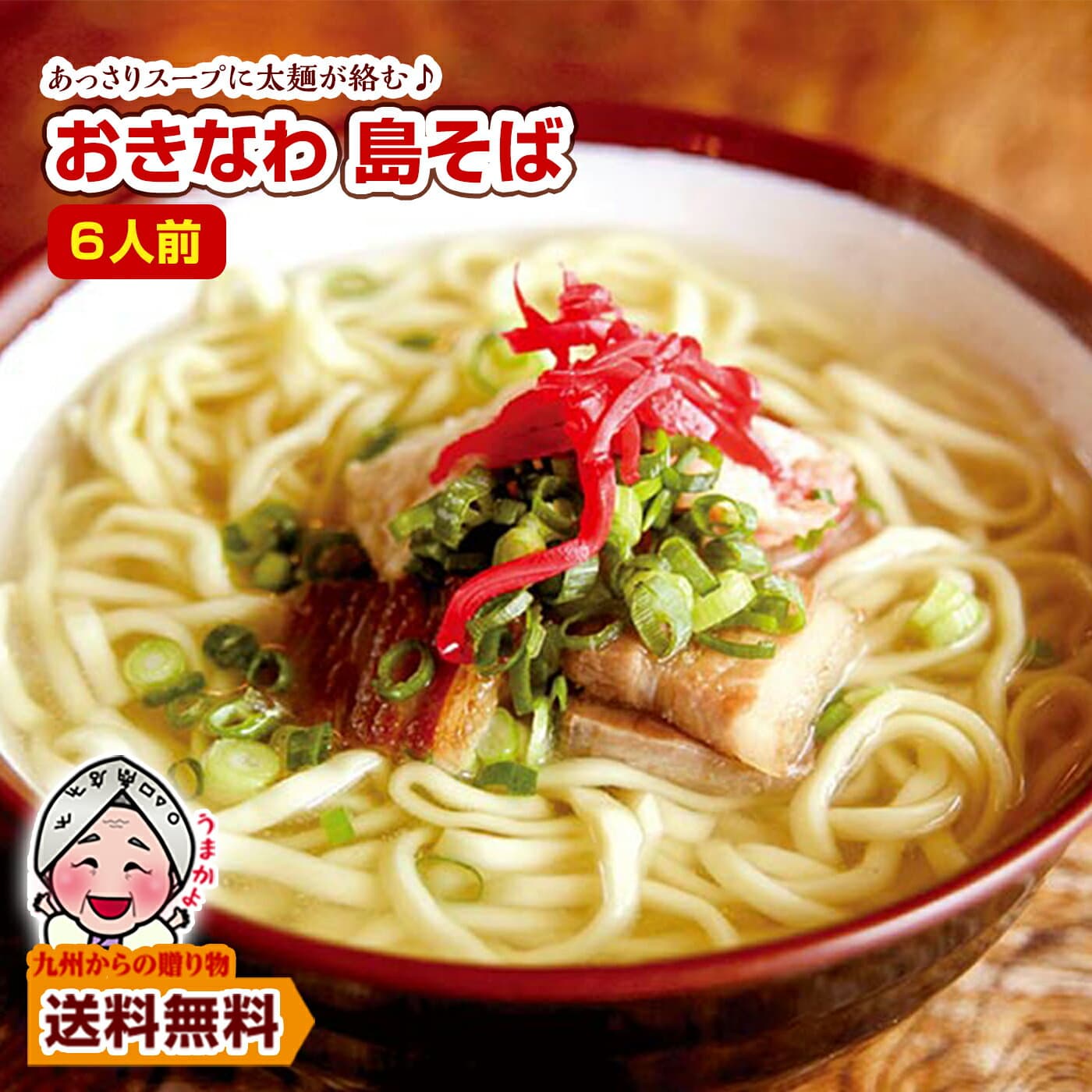
\ラスト5時間半額/ 訳ありセール おきなわ 島そば 6人前 紅生姜付 鰹だし風味スープ 沖縄そば 商品券 送料無料 お取り寄せ わけあり ポイント利用 爆買 ポイント消化
6 servings九州からの贈り物 楽天市場店
4.5 / 317 reviews
 3 images
ランキング1位獲得!【ラフティ&ソーキ 】沖縄そば 6人前セット 麺 スープ トッピングつき 沖縄 ソーキそば ゆで そばだし コク すっきり あっさり 三枚肉 ラフテー 軟骨ソーキ やわらか 豚骨 カツオ かまぼこ 島唐辛子 ご当地グルメ 年越しそばにも!
6-serving setこだわり農家・こだわり食材沖縄
4.7 / 96 reviews
First time buying on Rakuten? How residents in Japan order →
Okinawa soba carries the word soba, yet its noodle is made from wheat flour rather than buckwheat. Wheat flour, kansui, and salt give the noodle a pale yellow color, elasticity, and a firm bite. In the bowl, pork and bonito broth commonly meet simmered pork, kamaboko, green onion, and red ginger. The regional character is concrete: the dish is eaten across Okinawa Prefecture, with flat firm noodles in the north of the main island, medium curly noodles around Naha and the south, and round noodles on islands such as Ishigaki.
Okinawa soba begins with wheat flour, kansui, and salt, which places the noodle closer to Chinese-style wheat noodles than to buckwheat soba. Kansui helps create the yellowish color, elasticity, and firm bite described for the noodle. The familiar name stayed attached to a bowl built around wheat noodles and pork-bonito broth in Okinawa's everyday food vocabulary.
Okinawa soba does not have one fixed shape. In the north of Okinawa Island, flat and firm noodles are common, with a broad ribbon-like form and a substantial bite. Around Naha and the southern area, medium curly noodles are favored because the waves hold broth well. On islands such as Ishigaki, round noodles are common; their thinner shape heats quickly and gives a smooth texture.
The noodle-making sequence starts with wheat flour, kansui, and salt mixed into a slightly yellow dough. The dough is compounded, pressed, rolled thin, and cut to local widths; curly forms may be hand-kneaded before boiling. After boiling, the noodles are treated with oil so the strands do not stick together, leaving a texture that can carry pork and bonito broth without falling apart.
A common bowl uses broth made mainly from pork and bonito, sometimes with chicken bones, kombu, or shiitake added for depth. The toppings often include san-mai niku or other simmered pork, Okinawan kamaboko, green onion, and red ginger. Some eaters add koregusu, island chili steeped in awamori, bringing heat to the pork sweetness and bonito aroma.
The beginnings of Okinawa soba are told through more than one grounded path. One path connects it with Ryukyu-China exchange, court cooking, and later meals among wealthier households in the Meiji era. Another places an early shop in mid-Meiji Naha, opened by a Chinese person. What follows clearly is its wider postwar life, when the noodle became an everyday food in homes and restaurants across Okinawa.
In the 1970s, the name Okinawa soba was challenged because the noodles did not contain buckwheat flour. The Okinawa Fresh Noodle Cooperative continued explaining the local use of the name, and the familiar wording remained. October 17 later became Okinawa Soba Day, linking the calendar to wheat noodles, Okinawan noodle makers, and a name long used by people in the prefecture.
Okinawa soba also appears in school lunch and food-education settings, where recipes list noodles, pork bones, chicken bones, bonito flakes, pork, egg, kamaboko, and green onion. The Okinawa Fresh Noodle Cooperative has held handmade noodle classes for schools and local groups, and it has also provided donated meals to welfare settings. These settings keep the wheat noodle, broth, and toppings visible beyond restaurants and homes.
The heart of Okinawa soba is not buckwheat but the wheat noodle shared across Okinawa Prefecture: kansui-kneaded dough, an oil finish after boiling, pork-bonito broth, and local shapes that move from flat northern noodles to curly southern strands and round island styles. October 17 points back to the name people kept using, and to the makers and eaters who carried that bowl into daily life.
Compiled from public records and official sources; see the recognition links below. Details may change over time.
Where this product is officially registered, designated, or recognized in Japan.
Regional collective trademark
Registered as a Regional Collective Trademark with the Japan Patent Office.
Sources1
It is written as 沖縄そば in Japanese. Search Rakuten and other Japanese sites with that spelling — the English name will not bring up the listings.
Okinawa soba is a regional Okinawan noodle dish made with wheat flour, kansui, and salt rather than buckwheat. It is commonly served in pork-bonito broth with simmered pork, kamaboko, green onion, and red ginger, with koregusu added by taste. Noodle shapes vary by place: flat firm noodles in northern Okinawa Island, medium curly noodles around Naha and the south, and round noodles on islands such as Ishigaki.
In the 1970s, the name Okinawa soba was challenged because the noodles contained no buckwheat; the Okinawa Fresh Noodle Cooperative worked to preserve the local name. October 17 became Okinawa Soba Day in connection with the preservation of the name. The noodles are described as yellowish, elastic, firm, and finished with oil after boiling. Flat firm noodles are associated with northern Okinawa Island, medium curly noodles with Naha and the south, and round noodles with islands such as Ishigaki.
Okinawa soba is eaten day to day in homes and restaurants across Okinawa. Bowls can be compared by regional noodle shape, from northern flat noodles to Naha-area curly noodles and island round noodles. A common bowl uses pork and bonito broth with simmered pork, kamaboko, green onion, and red ginger, with koregusu added by taste.
Storage varies by product — shelf-stable, refrigerated, or frozen — and is stated on the packaging and the Rakuten listing. Shelf-stable processed foods usually need refrigerating once opened and eating within a few days; chilled and frozen items go straight into storage on arrival. Treat the best-before date on the physical packaging as authoritative.
Most options are shelf-stable, boxed, and travel well, so they suit gifting or bringing home. Confirm the final storage and delivery terms on the Rakuten listing.
On Rakuten: the shops listed here right now are 【直営店】沖縄そばの老舗サン食品, 九州からの贈り物 楽天市場店, こだわり農家・こだわり食材沖縄. We don't sell directly; purchase, payment, stock, and delivery are all handled on the Rakuten product page.