 3 images
Kenjo Hand-Stretched Miwa Somen
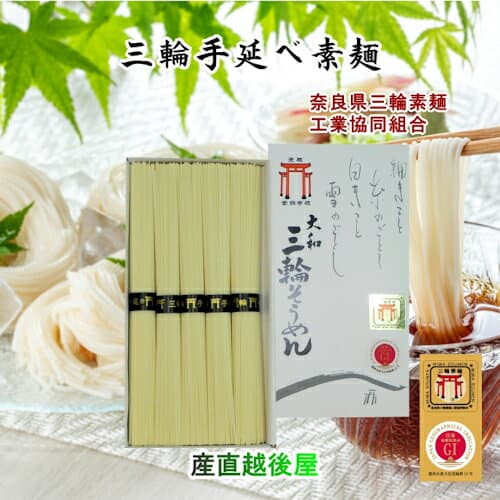
そうめん 献上素麺 手延べ三輪素麺 紙箱入 5束250g 化粧箱入 奈良県三輪素麺工業協同組合【ギフト グルメ】 【父の日】
paper gift box, 5 bundles (250g)産直越後屋
4.9 / 8 reviews
Japanese name三輪素麺
Around Miwa in Sakurai, wheat flour, water, and salt are rested, twisted, stretched, and dried into fine hand-stretched noodles shaped by cold basin winds and patient umashi aging.
Information last updated 9 hours ago
3 imagesそうめん 献上素麺 手延べ三輪素麺 紙箱入 5束250g 化粧箱入 奈良県三輪素麺工業協同組合【ギフト グルメ】 【父の日】
paper gift box, 5 bundles (250g)産直越後屋
4.9 / 8 reviews
 3 images
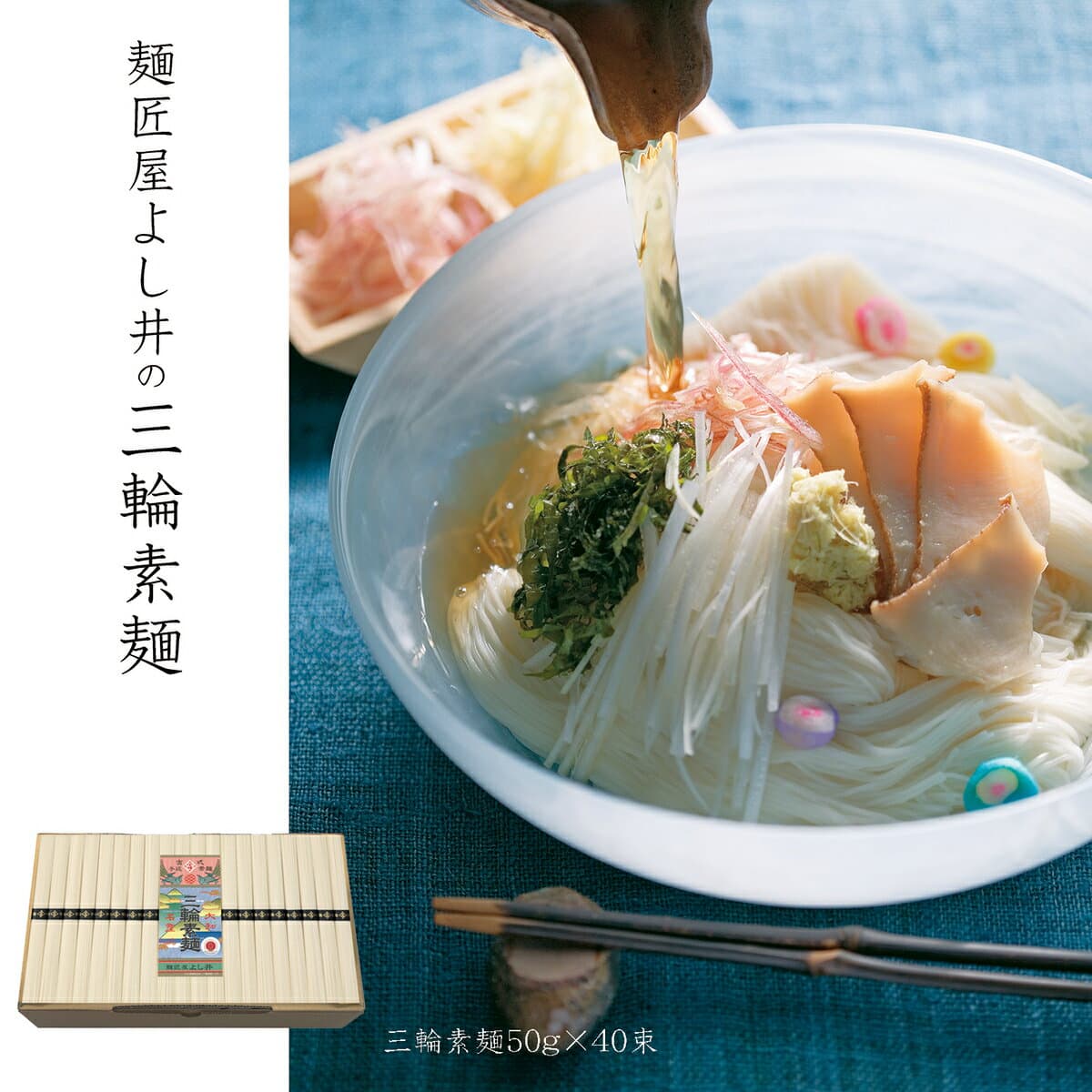
徳用三輪そうめん2kg(段ボール箱入り) 三輪素麺 三輪そうめん 手延 そうめん たっぷり 徳用 お取り寄せ 自家需要 贈り物 お中元 夏の味 エコパッケージ モチモチ ツルツル 奈良県 よし井
2kg cardboard boxよし井 楽天市場店
5.0 / 3 reviews
 3 images
【要エントリーでポイント10倍!!】そうめん 池利公式 三輪そうめん 30束 家庭用 自宅用 送料無料 新物 三輪素麺 にゅうめん まとめ買い そーめん 手延べ 煮麺 お得用 お徳用 業務用 紙箱 流しそうめん レシピ アレンジ 食品 食べ物 保存用
50g x 30 bundles, paper box三輪そうめん池利
4.7 / 192 reviews
 3 images
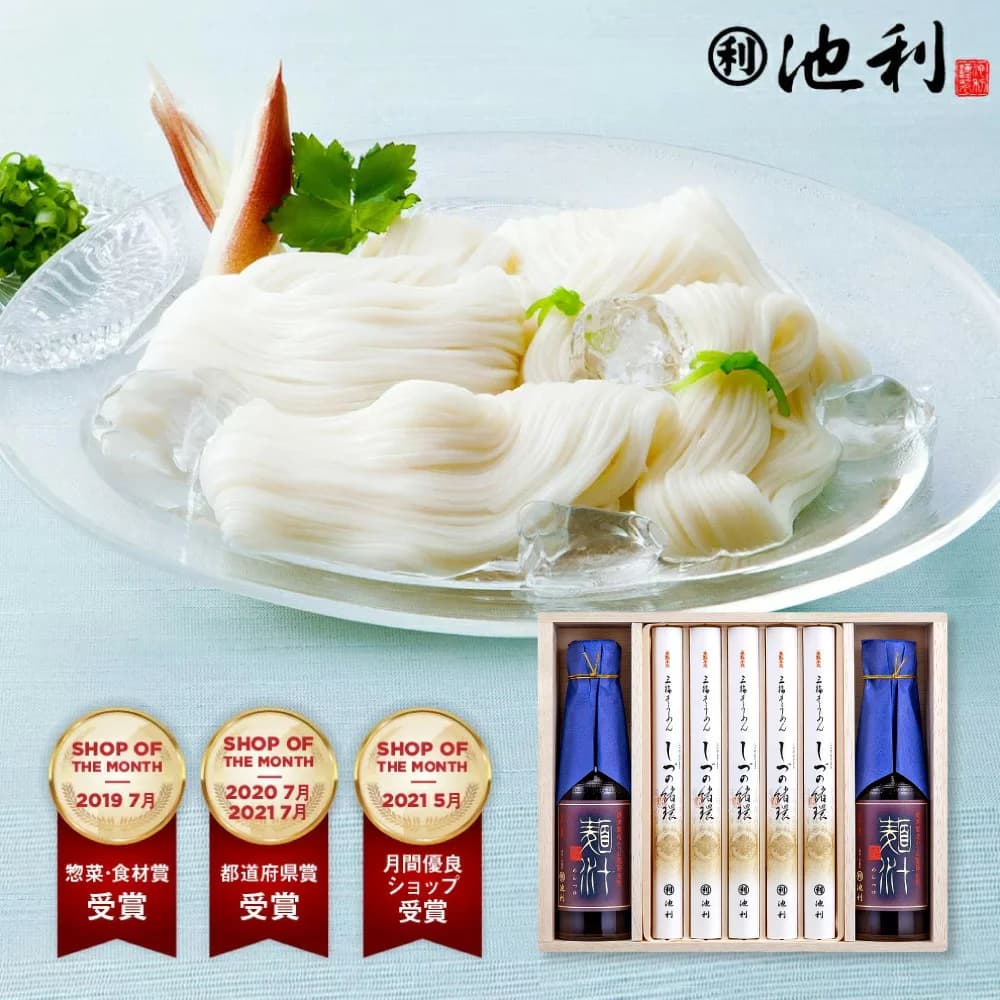
お中元 御中元 そうめん ギフト 池利の三輪そうめん しづの緒環 送料無料 つゆ付き 10束 約6人前 御中元 ネット限定 素麺 三輪素麺 暑中御見舞 細物 古物 御祝 内祝 仏事 お歳暮 お取り寄せ 詰め合わせ 木箱 贈答
50g x 10 bundles + 150ml x 2 tsuyu三輪そうめん池利
4.6 / 516 reviews
 3 images
【20%OFF】【要エントリーでP10倍!!】そうめん 池利公式 蔵囲 三輪そうめん 30束 自宅用 送料無料 そうめん 素麺 三輪素麺 手延べ にゅうめん 煮麺 木箱 お取り寄せ レシピ アレンジ まとめ買い ご家庭用 ネット限定 食品 食べ物 日持ち 保存用
50g x 30 bundles, wooden box三輪そうめん池利
4.7 / 239 reviews
 3 images
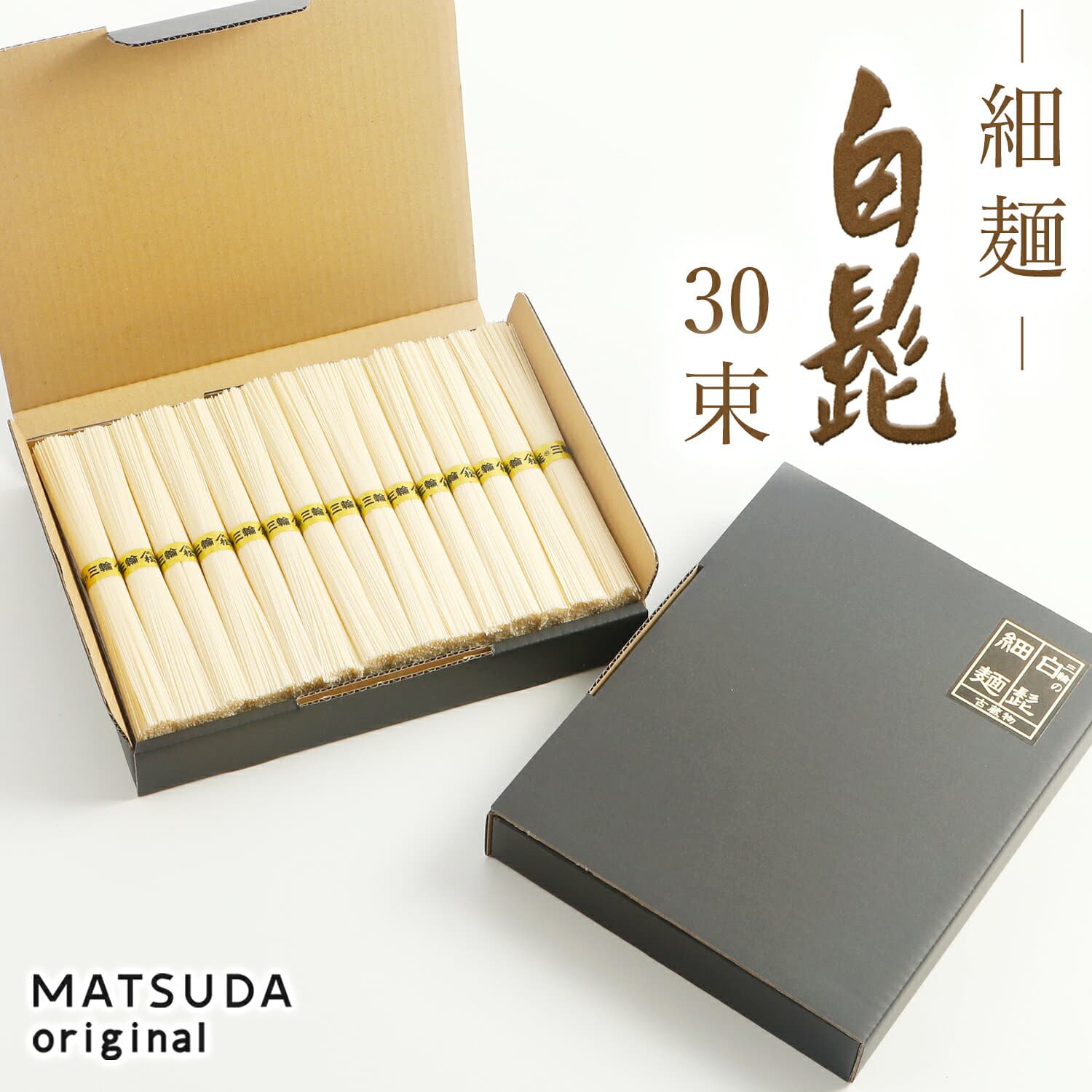
三輪素麺 そうめん 白髭 細麺 古物(二年物) 【30束×50g 1.5Kg 約20人前 ご家庭用 KB-1.5K】 三輪にゅうめん 三輪そうめん 高級手延べ 無添加保存食 お徳用 お取り寄せギフト
30 x 50g bundles (1.5kg), home-use pack三輪そうめん松田
4.9 / 874 reviews
 3 images
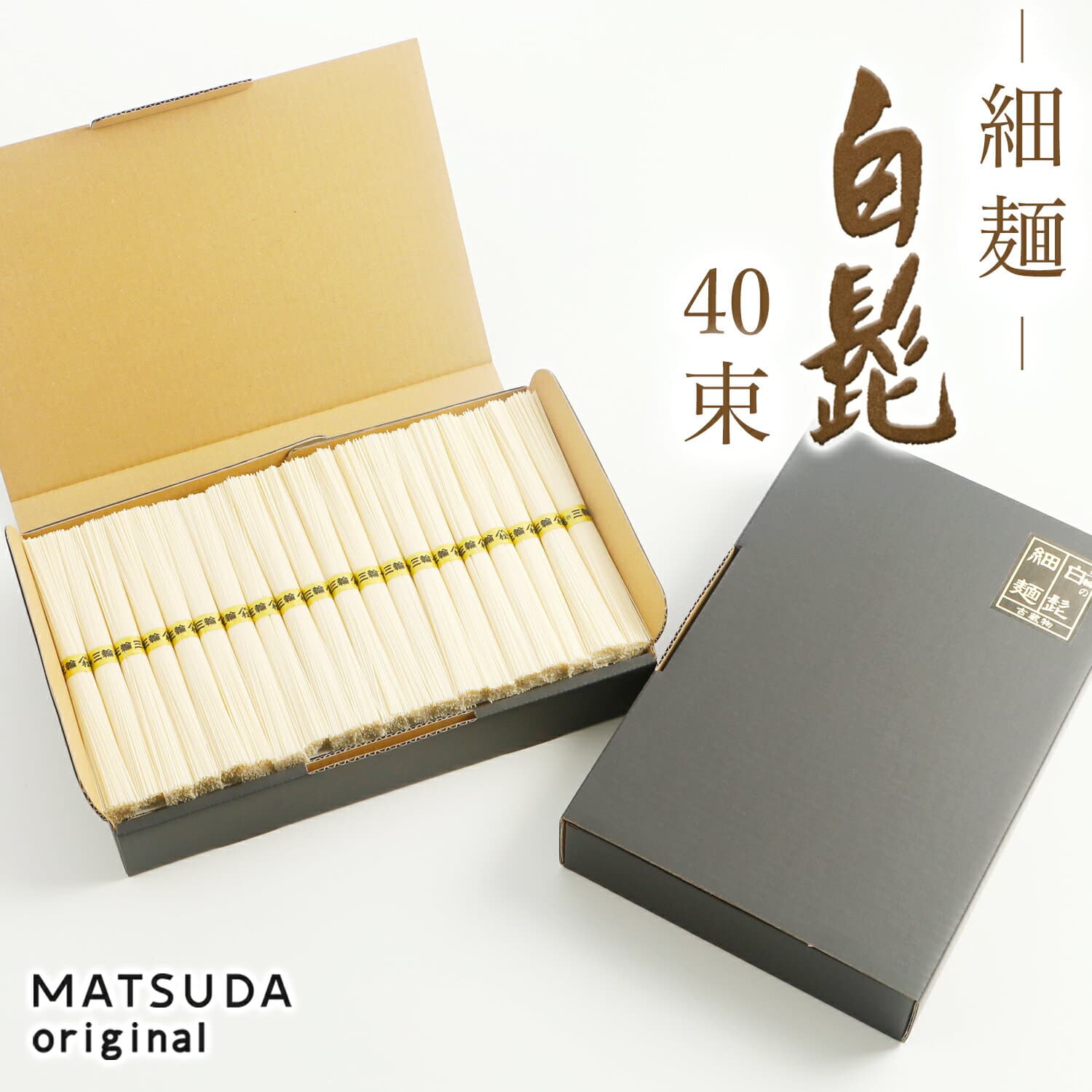
三輪素麺 白髭 細麺 古物(二年物) 【40束×50g 2Kg 約26人前 ご家庭用 KB-2K】 三輪にゅうめん 三輪そうめん 高級手延べ 無添加保存食 お徳用 お取り寄せギフト
40 bundles x 50g (2kg), home-use pack三輪そうめん松田
4.9 / 232 reviews
First time buying on Rakuten? How residents in Japan order →
All 7 listings of this product on Rakuten, lowest price first.
| Listing | Price | Shop | Reviews | Open listing |
|---|---|---|---|---|
Kenjo Hand-Stretched Miwa Somen paper gift box, 5 bundles (250g)Lowest priceGift-ready | ¥1,578 | 産直越後屋 | 4.9 / 8 reviews | View on Rakuten → |
Ikeri Miwa Somen Shizu no Odamaki with Tsuyu 50g x 10 bundles + 150ml x 2 tsuyuGift-ready | ¥3,200 | 三輪そうめん池利 | 4.6 / 516 reviews | View on Rakuten → |
Ikeri Hand-Stretched Miwa Somen 50g x 30 bundles, paper boxValue pick | ¥3,294 | 三輪そうめん池利 | 4.7 / 192 reviews | View on Rakuten → |
Ikeri Kura-kakoi Miwa Somen Hand-Stretched Noodles 50g x 30 bundles, wooden boxValue pick | ¥3,672 | 三輪そうめん池利 | 4.7 / 239 reviews | View on Rakuten → |
Miwa Somen Shirahige Fine Noodles, Aged 2 Years 30 x 50g bundles (1.5kg), home-use packMost reviewedGift-readyValue pick | ¥4,530 | 三輪そうめん松田 | 4.9 / 874 reviews | View on Rakuten → |
Yoshii Miwa Hand-Stretched Somen Noodles 2kg cardboard boxGift-readyValue pick | ¥5,400 | よし井 楽天市場店 | 5.0 / 3 reviews | View on Rakuten → |
Miwa Somen Shirahige Fine Noodles, Two-Year Aged 40 bundles x 50g (2kg), home-use packGift-readyValue pick | ¥5,880 | 三輪そうめん松田 | 4.9 / 232 reviews | View on Rakuten → |
Japanese · new tab
Miwa somen begins around Miwa in Sakurai, Nara Prefecture, with Sakurai City and Higashiyoshino Village named among its main transmission areas. In the cold, dry winter of the Nara Basin, north wind helps draw moisture from stretched strands. Wheat flour, water, and salt become dough, then pass through oiling, repeated umashi resting, twisting, stretching, drying, and cutting. The result is a fine white hand-stretched noodle known for smoothness, elasticity, and resistance to softening after boiling, with local accounts also tying it to Omiwa Shrine and the calendar around Mount Miwa.
The strongest place anchor for Miwa somen is the Miwa area of Sakurai City; Sakurai City and Higashiyoshino Village are also named as main transmission areas. Winter production is practical as much as seasonal. Low humidity, cold air, and north wind help remove moisture from long strands after stretching, and that drying condition supports a firm bite. Local character here means a concrete set of conditions: Miwa, Sakurai, Higashiyoshino, and the dry winter air of the Nara Basin working on wheat dough.
Miwa somen is made mainly from wheat flour, water, and salt. Makers adjust salt water while reading the weather for the day and the following day, then knead, press, oil, and rest the dough through repeated umashi aging. Twisting, stretching, and waiting help gluten form a mesh-like structure, leaving elasticity in the dried strands. Tradition is visible in the process itself: weather judgment, repeated resting, and gradual hand-stretching.
Miwa somen is described as white, thin, smooth to eat, and resistant to softening after boiling. Those qualities are tied to repeated twisting, stretching, and umashi aging, which support elasticity and boiling resistance. Some finished dried noodles are stored through the rainy season, a period said to improve boiling resistance and a crisp bite. The strands are cut to 19 cm, giving the noodle a slender form suited to both chilled and warm bowls.
At the foot of Mount Miwa, local accounts connect the beginning of Miwa somen with Omiwa Shrine, wheat sown in the Miwa area, and water used to knead and stretch flour into threadlike noodles. These accounts are framed as more than 1,200 years old or as reaching back over 1,300 years. The present calendar gives the tradition concrete markers: Bokujosai on February 5, a late-summer thanksgiving festival, and somen dance offerings in the shrine precincts.
During the Edo period, travelers on the Ise pilgrimage route passed through Miwa. Local accounts say they carried Miwa hand-stretching methods toward Banshu, Shodoshima, and Shimabara. That movement ties the noodle to roads, post-town traffic, and technique; the stretching method moved through people as well as through workshops, helping other somen regions develop their own production lines.
Miwa somen crosses seasons at the table. In summer, the noodles can be boiled, rinsed in cold water, and served chilled; in colder months, they appear as warm nyumen, and local groups mark February 5 as nyumen day. Listed uses also include curry nyumen, stir-fried dishes, and Japanese, Western, and Chinese-style cooking. Miwa somen entered geographical indication protection in 2016; for readers, that points to a name supported by place, climate, method, and quality boundaries.
Miwa somen is held together by concrete details: the Miwa name in Sakurai, dry winter wind in the Nara Basin, wheat flour and salt water, repeated umashi resting, shrine rites around Omiwa, and bowls served cold or warm. Its fine strands keep smoothness and elasticity after boiling because local conditions and hand-stretched process meet in the noodle itself.
Compiled from public records and official sources; see the recognition links below. Details may change over time.
Where this product is officially registered, designated, or recognized in Japan.
Geographical Indication (GI)
Registered under Japan's Geographical Indication Protection System, run by the Ministry of Agriculture, Forestry and Fisheries.
Sources1
It is written as 三輪素麺 in Japanese. Search Rakuten and other Japanese sites with that spelling — the English name will not bring up the listings.
Miwa somen is a hand-stretched wheat noodle tied to the Miwa area of Sakurai, Nara Prefecture, with Sakurai City and Higashiyoshino Village named as main transmission areas. It is made mainly from wheat flour, water, and salt, using the cold, dry Nara Basin winter, weather-adjusted salt water, repeated umashi resting, twisting, stretching, and drying. The result is a fine, white, smooth noodle with elasticity that resists softening after boiling.
Miwa somen was registered under Japan's geographical indication protection system on March 29, 2016 as registration No. 12, with the indication reserved for products meeting standards. The noodles are cut to 19 cm, and the cooperative describes bundling them in 50 g portions with a torii-shaped band as an identifying practice. Local tradition links the origin of Miwa somen to Omiwa Shrine, wheat cultivation in Miwa, and water used to knead and stretch flour into threadlike noodles. Bokujosai on February 5 and a late-summer thanksgiving festival are annual events connected with Miwa somen.
Miwa somen is served chilled after boiling and rinsing, a common way to eat it in summer. It is also used warm, in nyumen or curry nyumen. The noodles appear in stir-fried dishes and in Japanese, Western, and Chinese-style cooking, and are also given as gifts.
Storage varies by product — shelf-stable, refrigerated, or frozen — and is stated on the packaging and the Rakuten listing. Shelf-stable processed foods usually need refrigerating once opened and eating within a few days; chilled and frozen items go straight into storage on arrival. Treat the best-before date on the physical packaging as authoritative.
Most options are shelf-stable, boxed, and travel well, so they suit gifting or bringing home. Confirm the final storage and delivery terms on the Rakuten listing.
On Rakuten: the shops listed here right now are 産直越後屋, よし井 楽天市場店, 三輪そうめん池利, 三輪そうめん松田. We don't sell directly; purchase, payment, stock, and delivery are all handled on the Rakuten product page.