 3 images
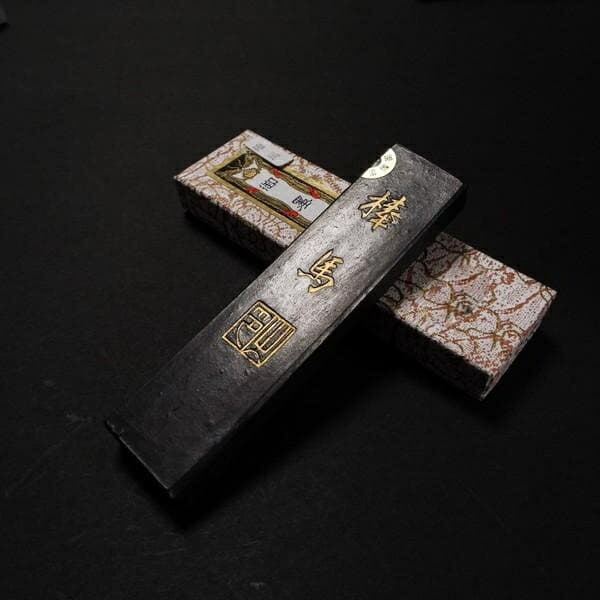
喜壽園 “棒馬” Nara Calligraphy Ink
喜壽園製 書道墨『棒馬』3丁型|書道 書道用品 奈良墨 一般練習用
3-cho size書道用品 奈良 寿香堂
5.0 / 1 reviews
Japanese name奈良墨
In Nara City, soot and animal glue are kneaded from mid-October to late April, shaped into ink that can be ground on an inkstone, and carried into liquid ink, kneaded ink, and vermilion forms.
Information last updated 121 days ago
3 images喜壽園製 書道墨『棒馬』3丁型|書道 書道用品 奈良墨 一般練習用
3-cho size書道用品 奈良 寿香堂
5.0 / 1 reviews
 2 images
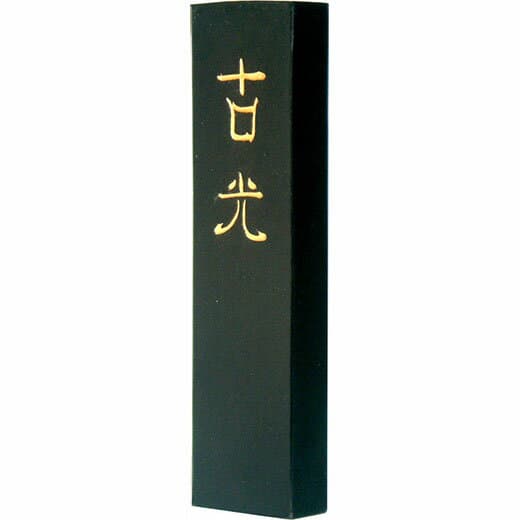
【墨運堂】 漢字練習用 古光 1.0丁型 『奈良墨 固形墨 書道用品』 00601
1.0丁 size書道用品 アトリエ マーノ
 3 images
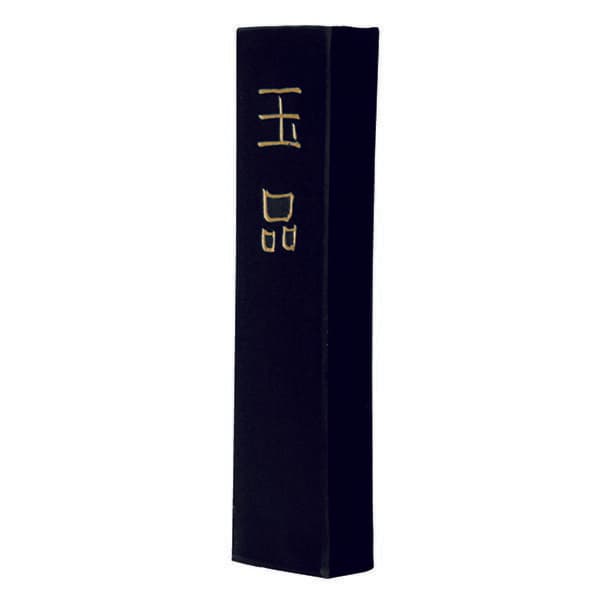
【墨運堂】 漢字清書用 玉品 5.0丁型 『奈良墨 固形墨 書道用品』 00806
5.0-cho size書道用品 アトリエ マーノ
First time buying on Rakuten? How residents in Japan order →
Nara sumi begins with a compact set of materials: soot, animal glue, and, in solid ink, a faint fragrance. In Nara City and Nara Prefecture, the name covers solid ink, liquid ink, kneaded ink, and vermilion ink, but the solid stick makes the craft easiest to see. It is mixed, kneaded, molded, dried, polished, and colored during a making season that runs from mid-October to late April, then meets the writer again on an inkstone, where pressure and water change black into many densities.
Nara sumi is anchored in Nara City, while the broader prefectural setting gives the product family its regional frame. The name points to several forms: solid ink sticks, liquid ink, kneaded ink, and vermilion ink. That range matters because the same name can sit on a calligrapher's writing table, in a temple-related writing context, or in a workshop where raw ink is shaped by hand; the concrete center is still Nara-made ink built from soot and glue.
The early setting of Nara sumi is the movement of ink into the Asuka area in the seventh century and the Nara-period demand for sutra copying. In that temple and court world, ink was a precious writing material, and the local beginning of Nara ink is associated with oil-soot ink made at Kofukuji's Niteibo. As temple power later weakened from the Warring States period into the Edo period, ink workers increasingly stood as specialist makers, giving the craft a workshop life beyond temple compounds.
The work starts when soot and animal glue are brought together, then kneaded until the mass can take a form. Nara Prefecture's production sequence names the steps plainly: mixing, kneading, setting into molds, shaping, drying, polishing, and coloring. The annual season, from mid-October to the end of April, makes the ink stick a winter-made object before it ever touches the inkstone.
Japanese solid ink includes pine-soot ink and oil-soot ink, and Nara sumi is described mainly through oil-soot ink. That material distinction changes the look of the black: Nara oil-soot ink is linked with a deep, glossy tone. The small amount of fragrance mixed with soot and glue also gives solid ink a sensory presence before writing begins, so the object is seen, held, and smelled as well as used.
A solid stick of Nara ink is not finished in the writer's hand until it is ground on an inkstone with water. That act lets the user control density, from lighter washes to darker black, and the change in tone is part of the expressive range of calligraphy and ink work. The inkstone becomes a small working surface where a Nara-made object turns back into liquid through repeated movement.
The present maker community is narrow compared with earlier peaks: one account counts eight solid-ink producers in Nara and one in Mie, while Nara is also described as producing about 90 percent of Japanese ink. In that small field, workshops keep contact points open through hand-making and experience programs; Kinkoen's nigiri-zumi lets visitors shape raw ink into a personal solid stick. Newer forms such as fragrance ink, confectionery-mold ink, and marble-like ink pieces show how makers try to keep solid ink visible beyond the writing desk.
Nara sumi holds together place, material, and use in a small black object: Nara City, soot, animal glue, a winter making season, and the inkstone. Its past touches Asuka, sutra copying, and Kofukuji; its present sits with a small group of makers, hands-on workshops, and the quiet act of grinding black to the density a writer needs.
Compiled from public records and official sources; see the recognition links below. Details may change over time.
Where this product is officially registered, designated, or recognized in Japan.
Traditional craft
Designated a Traditional Craft (dentō kōgeihin) by Japan's Ministry of Economy, Trade and Industry.
Sources1
It is written as 奈良墨 in Japanese. Search Rakuten and other Japanese sites with that spelling — the English name will not bring up the listings.
Nara sumi is a Nara City and Nara Prefecture ink family that includes solid ink, liquid ink, kneaded ink, and vermilion ink. It is made from soot and animal glue, with a small amount of fragrance in solid ink, through mixing, kneading, molding, shaping, drying, polishing, and coloring from mid-October to late April. Its early setting connects Asuka, Nara-period sutra copying, and Kofukuji's oil-soot ink; solid ink is later ground on an inkstone so the writer can control density.
The current solid-ink producer community is small, with eight producers counted in Nara and one in Mie; Nara is also described as making about 90 percent of Japanese ink. Nara sumi is mainly framed as oil-soot ink, with black described as deep and glossy. The early context of Nara sumi connects the Asuka area in the seventh century, Nara-period sutra copying, and oil-soot ink made at Kofukuji's Niteibo. Kinkoen's nigiri-zumi experience uses raw ink so participants can shape a personal solid ink stick.
Solid ink is ground on an inkstone before writing, and the user controls how dark or light the ink becomes. Nara ink's rise is linked to Buddhist prosperity and sutra copying, with temple-centered production at Kofukuji connected to its beginnings. Kinkoen offers a nigiri-zumi experience in which participants shape their own solid ink stick from raw ink, and similar experiences are offered at Kobaien and an ink museum.
Keep wood, bamboo, and lacquer out of prolonged soaking, dishwashers, and direct sun — wipe dry after use and let them air out in the shade. For metal and fabric goods, follow the care notes on the listing.
Most options are shelf-stable, boxed, and travel well, so they suit gifting or bringing home. Confirm the final storage and delivery terms on the Rakuten listing.
On Rakuten: the shops listed here right now are 書道用品 奈良 寿香堂, 書道用品 アトリエ マーノ. We don't sell directly; purchase, payment, stock, and delivery are all handled on the Rakuten product page.